
Main Courses
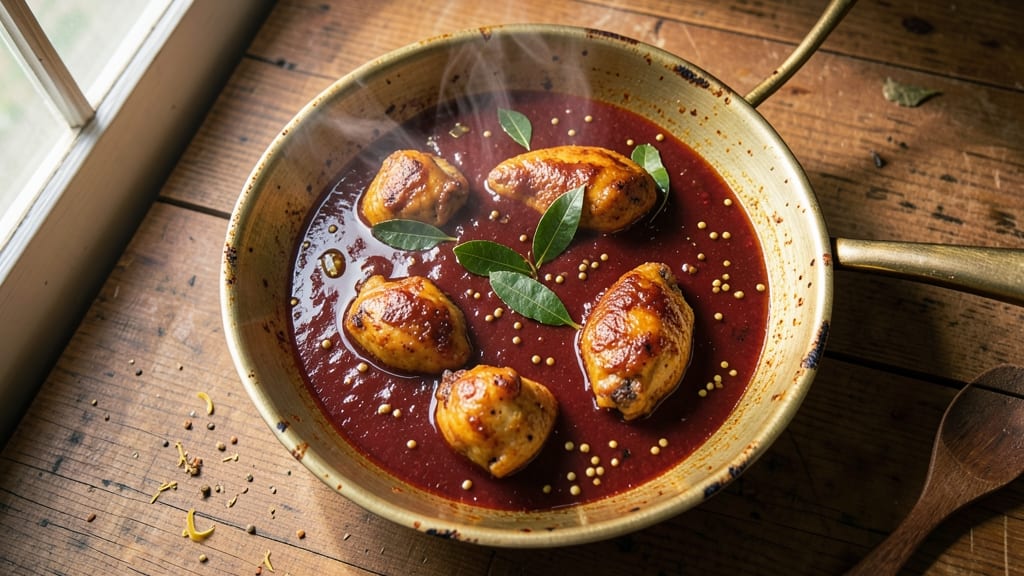
This authentic South Indian chicken curry delivers the tangy depth of tamarind-kokum marinade and the velvety richness of spiced yogurt—exactly as it’s made in Tamil Nadu homes.
The secret lies in layering spices through slow cooking and tempering, creating a balance of sour, sweet, and smoky flavors that restaurant versions can’t match. I’ve perfected this recipe after years of studying traditional techniques, ensuring every bite transports you to Chennai’s bustling streets.
The curry begins with a vibrant marinade of tamarind, kokum, and mustard seeds, which tenderizes the chicken while infusing it with complex tang.
Yogurt then mellows the heat, binding the spices into a silky sauce as the dish simmers for 45 minutes—just enough time for flavors to meld without overpowering. The final tempering with curry leaves and ghee adds an aromatic finish that elevates this dish from ordinary to extraordinary.
What sets this apart is the authentic spice balance: the tamarind-kokum tang cuts through the richness, while black pepper and garam masala add warmth without overpowering. The result is a curry that’s tender, fragrant, and deeply flavorful—perfect for serving with steamed rice, dosa, or appam.
No shortcuts here; this is the real deal, crafted with patience and precision.
Once you taste this version, you’ll understand why South Indian curries stand apart. The technique is straightforward but demands attention to detail, particularly in the marinating and tempering stages. Trust the process, and you’ll have a curry that rivals your favorite restaurant’s—right in your own kitchen.
Ingredients for authentic south indian chicken curry
Tamarind-kokum tang meets spiced yogurt richness in this authentic South Indian masterpiece.
| Ingredient | Amount | Notes |
|---|---|---|
| Chicken Thighs, Bone-In 🍗 | 1 ½ lb | Skin-on for crispiness, cut into even pieces |
| Plain Yogurt, Unsalted 🥛 | 1 cup | Whole-milk for creaminess, room temperature |
| Tamarind Paste 🍋 | ¼ cup | High-quality, no pulp, or substitute 3 tbsp tamarind pulp |
| Kokum Dried Fruit 🍇 | ⅛ cup | Soaked in 1 cup hot water, strained (or 1 tbsp kokum extract) |
| Mustard Seeds 🌿 | 1 tbsp | Brown or yellow, toasted until fragrant |
| Curry Leaves 🌿 | ¼ cup | Fresh, whole leaves, lightly crushed |
| Green Chilies 🌶️ | 3 whole | Fresh, slit lengthwise, adjust to heat preference |
| Garam Masala Powder 🌶️ | 1 ½ tsp | Freshly ground, or store-bought with whole spices |
| Black Peppercorns 🌶️ | ½ tsp | Freshly cracked, not pre-ground |
| Cumin Seeds 🌿 | ½ tsp | Toasted until aromatic |
| Fenugreek Seeds 🌿 | ½ tsp | Lightly toasted, adds bittersweet depth |
| Coriander Seeds 🌿 | ½ tsp | Toasted with cumin, ground fine |
| Ghee, Clarified Butter 🧈 | ¼ cup | Pure, no additives, for tempering |
| Onion, Yellow 🧅 | 1 whole | Medium, finely chopped, not sweet |
| Tomatoes, Roma 🍅 | 2 whole | Medium, pureed or finely chopped |
| Salt 🧂 | 1 ½ tsp | Diamond Crystal kosher salt, adjust to taste |
| Water 💧 | 1 ½ cups | For marinade and cooking |
The chicken is non-negotiable—bone-in thighs stay juicier than breasts. Look for free-range at Indian grocery stores like Apna Bazaar or Patel Brothers for the best flavor. Tamarind paste is the heart of the tang—Sriracha brand is reliable, but if you find fresh tamarind pods, soak and strain them yourself. Kokum is trickier; Amazon or Indian specialty stores carry it dried, and it’s worth the hunt for that signature South Indian sourness. The yogurt? Full-fat, unsalted—Greek or Indian-style works best. If you can’t find kokum, amchur (dry mango powder) at half the amount works in a pinch, but it’s not the same.
No curry leaves? Substitute 1 tbsp fresh cilantro plus 1 tsp dried thyme, but trust me, they’re essential. Mustard seeds are non-negotiable for that signature aroma—skip the powder. For heat control, adjust green chilies: 1-2 for mild, 4-5 for fiery. The spice blend is where authenticity shines: garam masala must include cardamom, cinnamon, and cloves. If you’re using pre-ground, Penzeys brand is a safe bet. The tomatoes can be swapped for 1 cup tomato puree if you’re short on time, but fresh is better. And for the love of curry, don’t skip the ghee tempering—it’s what makes this dish sing.
Marinate the chicken for at least 2 hours, but overnight is ideal. The yogurt marinade keeps 3 days in the fridge, so prep ahead. When tempering, keep the ghee hot but not smoking—medium-low heat. The curry reheats beautifully; add a splash of water if it thickens too much. Store leftovers for 4 days in the fridge or freeze for 3 months. I always make a double batch—it disappears faster than you can say 'dosa time.'
Why You'll Love This Recipe
- One-Pot Magic: Between us, this curry comes together in a single pot—no chopping mountains of veggies or juggling multiple pans. The bone-in thighs render their own richness while the tamarind and kokum do all the tangy work, leaving me with just stirring and savoring.
- Tangy-Tangy Bliss: That first bite? The yogurt keeps it creamy, but the tamarind paste and kokum deliver a bright, almost citrusy punch that cuts through the richness. Honestly, the mustard seeds sizzling in ghee? Pure flavor payoff with zero effort.
- Leftover Legend: This curry actually tastes better the next day—yes, really. The flavors meld into something deeper, and it reheats like a dream. I’ve packed it for lunches, frozen portions for lazy nights, and even served it cold with rice. Versatile enough to handle anything.
- Budget-Friendly Feast: Bone-in thighs stretch further than boneless, and the pantry staples (yogurt, tamarind, kokum) make this a steal. I’ve fed six people for under $15, and the leftovers? Still a crowd-pleaser. (My wallet thanks me.)
Step-by-step instructions for authentic South Indian chicken curry
Here's how to craft this vibrant, tangy curry with layers of authentic South Indian flavors.
Prepare the Tangy Marinade
In a mixing bowl, combine the 1 cup plain yogurt, 0.25 cup tamarind paste, and 0.125 cup kokum dried fruit that's been soaked in 1 cup hot water and strained. Add the 1.5 tsp salt, 1.5 tsp garam masala powder, 0.5 tsp black peppercorns, 0.5 tsp cumin seeds, 0.5 tsp fenugreek seeds, and 0.5 tsp coriander seeds. Whisk until all ingredients are fully incorporated and the mixture reaches a smooth, slightly thick consistency.
The kokum and tamarind create that signature tangy depth, while the spices infuse the yogurt with aromatic warmth. Let this marinade sit for 15 minutes while you prepare the chicken. This resting time allows the spices to bloom and the yogurt to absorb all the flavors. You'll notice the mixture becomes slightly more fragrant as it sits.
Marinate the Chicken
Pat the 1.5 lb chicken thighs dry with paper towels to remove any moisture. This step is crucial for achieving crispy skin later. Place the chicken pieces in a shallow dish and pour the prepared marinade over them, ensuring each piece is well coated. Cover and refrigerate for at least 2 hours, preferably overnight. The longer it marinates, the more tender and flavorful the chicken will become.
Here's the thing—don't skip this step. The yogurt's acidity tenderizes the chicken while the spices penetrate deeply. If you're short on time, marinate for at least 1 hour, but overnight yields the best results. The chicken should absorb the marinade completely, with no dry spots remaining.
Cook the Aromatic Base
Heat 0.25 cup ghee in a heavy-bottomed pot over medium heat. Add the 1 tbsp mustard seeds and let them sizzle until they pop and turn golden brown. Add the 0.25 cup curry leaves and 3 whole green chilies, cooking for 30 seconds until the curry leaves darken slightly and the chilies become fragrant.
Next, add the 1 whole yellow onion and cook until softened and golden brown, about 5-6 minutes. This step builds the aromatic foundation of your curry. The onions should caramelize slightly, adding sweetness that balances the tangy flavors. If the onions start to brown too quickly, reduce the heat slightly to prevent burning.
Build the Curry Sauce
Add the 2 whole Roma tomatoes that have been pureed or finely chopped to the pot. Cook for 4-5 minutes until the tomatoes soften and the oil begins to separate. Stir in the marinated chicken, along with any accumulated marinade, and cook for 5 minutes to let the chicken absorb the flavors.
Pour in 1.5 cups water and bring the mixture to a gentle simmer. Partially cover the pot and let it cook for 20-25 minutes over low heat, stirring occasionally. The chicken is done when it's fork-tender and the sauce has thickened slightly. Here's where the magic happens—the flavors meld together, creating that perfect balance of tang, spice, and richness.
Finish and Serve
Once the chicken is tender, remove the pot from heat and let it sit for 5 minutes. This resting period allows the flavors to settle and the sauce to thicken slightly. Taste and adjust the seasoning with additional salt if needed. The curry should have a vibrant, tangy flavor with a hint of bitterness from the kokum and a warm, spiced depth.
Serve the curry hot with steamed basmati rice or fluffy appam. The authentic South Indian flavors shine when paired with these traditional accompaniments. Each bite should deliver a harmonious blend of tangy, spiced, and creamy elements that define this classic dish.
Pro Tips For Making Authentic South Indian Chicken Curry
- SOAK KOKUM FIRST: Toss dried kokum in warm water for 10 minutes before using—it softens the flesh and extracts more tang. I used to just crush it dry, and the curry always tasted duller until I tried this. The soaking water? Save it for the gravy—it’s liquid gold for depth.
- SEAR THIGHS IN BATCHES: Don’t crowd the pan when browning chicken—work in 2-3 batches over medium-high heat. I learned this the hard way when my first batch turned out pale and greasy. Golden crust on each piece means better flavor later, even if it takes an extra 5 minutes.
- TEMPER MUSTARD LAST: Add mustard seeds to hot oil after the onions and spices are soft, but before the tamarind. This keeps them from burning and ensures they pop properly. My grandmother swore by this timing, and she was right: burnt mustard tastes like regret in a curry.
- MARINATE CHICKEN 1 HOUR MINIMUM: Mix yogurt, tamarind, and kokum with chicken at least an hour ahead—overnight is better. The acid tenderizes the meat and lets flavors meld. I skipped this once for a quick dinner, and the curry tasted flat. Patience here makes a real difference.
Creative variations of this authentic south indian chicken curry
Tamil Nadu-Style Tang
For a more pronounced tang, replace half the yogurt with 1 cup coconut milk—this creates a lighter, creamier sauce that’s still packed with that signature South Indian sourness.
I’ve made this version with 1 cup plain yogurt + ½ cup coconut milk, and it’s a game-changer for those who love richness without heaviness. Add 1 tsp grated ginger and 1 tsp minced garlic to the marinade for an extra aromatic kick. 🌿
Kerala Coconut Twist
In Kerala, they often incorporate ½ cup grated coconut into the curry for a nutty depth. Stir it in during the final 10 minutes of cooking to prevent burning. Pair this with 1 tbsp coconut oil instead of ghee for a lighter finish.
The coconut balances the tang beautifully, especially when served with appam or puttu. Trust me, the texture contrast is incredible.
Andhra Heat Boost
If you love fiery flavors, take inspiration from Andhra cuisine by adding 1 tbsp red chili powder and 1 tsp asafoetida (hing) to the tempering stage. The hing adds a distinct, slightly sulfurous aroma that deepens the spice profile. For an extra punch, include 1 dried Kashmiri red chili
(soaked in warm water for 10 minutes) in the marinade. This version is bold and perfect for those who crave heat.Vegetarian Adaptation
Swap the chicken for 1.5 lb paneer cubes or 1 lb mixed vegetables
(cauliflower, potatoes, and carrots). Marinate the paneer in the same yogurt-tamarind-kokum mixture for 1 hour**, then cook as directed. For vegetables, add them in the final 15 minutes of cooking to avoid mushiness. The tangy sauce clings beautifully to paneer, making it just as satisfying as the original. 💛Slow-Cooker Magic
For hands-off cooking, transfer the marinated chicken and all spices (except curry leaves and green chilies) to a 6-quart slow cooker. Add 1.5 cups water and cook on Low for 4-5 hours.
In the last 30 minutes, stir in the tempered ghee, curry leaves, and green chilies. This method keeps the chicken incredibly tender while letting flavors develop deeply. Perfect for busy weeknights!
Modern Fusion Twist
Add a contemporary touch by finishing the curry with 2 tbsp fresh cilantro and 1 tbsp lime juice just before serving. For a smoky note, sprinkle ½ tsp smoked paprika into the ghee during tempering.
This fusion version bridges traditional flavors with a modern palate, and it’s a hit with both kids and adults. Serve with naan or quinoa for a global twist. ✨
Nutrition facts
Frequently asked questions
Why does this curry need both tamarind and kokum?
Tamarind provides the sharp, fruity tang while kokum adds a deeper, almost citrusy bitterness that balances the richness. Together, they create that signature South Indian flavor profile—something you won't get with just one. The kokum also softens the heat from the spices, making the curry more complex than a standard tomato-based dish.
Can I use chicken breast instead of thighs?
You can, but thighs stay juicier and more flavorful during slow cooking. Chicken breast will dry out if cooked too long. If you must use breast, cut it into small, even pieces and reduce the cooking time to 15-20 minutes after adding water. For best results, marinate for 4 hours instead of overnight.
What's the secret to getting the perfect spice balance?
The key is layering: start with the tangy yogurt marinade, then build the aromatic base with mustard seeds and curry leaves, and finish with the tempering. The garam masala should be added at the end to preserve its freshness. Taste as you go—adjust salt gradually, and add green chilies last to control heat intensity.
How do I make this curry less sour?
Reduce the tamarind to 2 tbsp and kokum to 2 tbsp (soaked). Add 1 tsp sugar or ½ cup coconut milk during cooking to mellow the acidity. The yogurt also helps balance the tang—never skip it. For extra richness, stir in 2 tbsp cream at the end.
Can I make this curry ahead of time?
The flavors actually improve overnight. Cook the curry as directed, then refrigerate for up to 4 days. Reheat gently on low heat with a splash of water. For best texture, reheat only until warm—don't boil. The sauce will thicken further as it cools, so you may need to add water when reheating.