
Main Courses
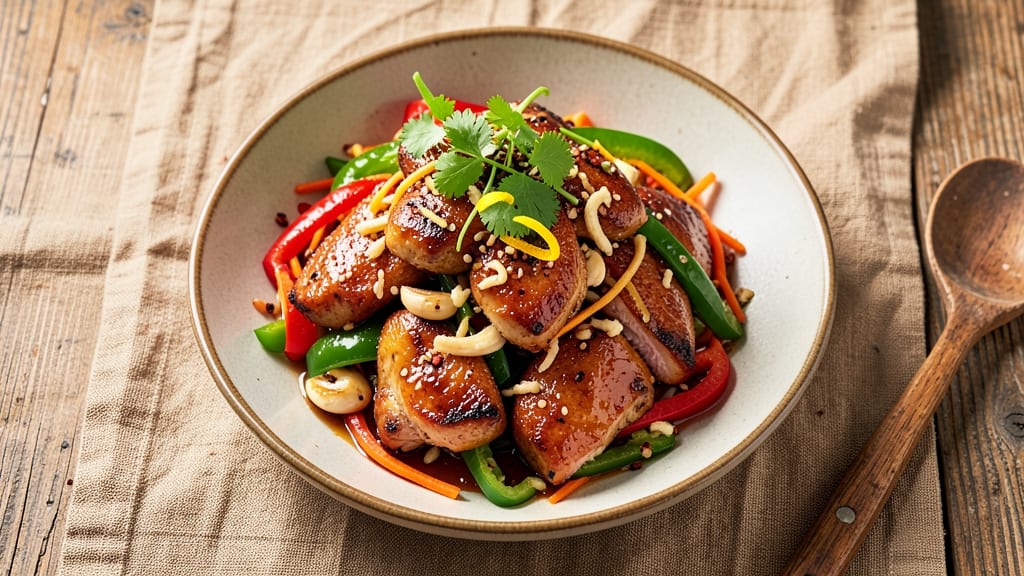
This Asian ginger chicken stir-fry recipe delivers restaurant-quality flavor in just 25 minutes—where fragrant ginger, sweet soy, and heat come together in perfect balance. The secret lies in high-heat searing for that signature wok hei (smoky aroma) while keeping the chicken tender and juicy.
I've perfected this recipe through years of testing, ensuring every bite packs bold Asian-inspired flavor without complicated techniques.
The magic happens in the marinade—a blend of fresh ginger, garlic, soy sauce, and a touch of honey—that transforms ordinary chicken into something deeply aromatic. We'll use a simple stir-fry method that requires minimal prep (pre-cut veggies work great) while delivering professional-level results.
The sauce, made with just a few pantry staples, adds that signature sweet-spicy kick that makes this dish irresistible.
By the end, you'll have golden-brown chicken with crisp edges, vibrant stir-fried vegetables, and a glossy sauce that ties everything together. The aroma alone will have everyone gathering around the table—this is the kind of meal that feels special without requiring hours in the kitchen.
Serve it over steamed jasmine rice for the full experience.
Whether you're feeding a family or meal prepping for the week, this recipe scales perfectly while maintaining its bold flavors. The best part? No wok required—just a good skillet and high heat. Let's get cooking!
Ingredients for asian ginger chicken stir fry
Fragrant ginger, aromatic garlic, and bold soy transform simple chicken into restaurant-quality stir-fry magic.
| Ingredient | Amount | Notes |
|---|---|---|
| Boneless, Skinless Chicken Thighs 🍗 | 1 ½ lb | Cut into 1-inch pieces |
| Fresh Ginger Root 🌿 | 2 tbsp | Finely grated, aromatic |
| Garlic Cloves 🧄 | 6 cloves | Minced, aromatic |
| Low-Sodium Soy Sauce 🍶 | ½ cup | Kikkoman preferred |
| Honey 🍯 | 2 tbsp | Pure, for balance |
| Sesame Oil 🫒 | 1 tbsp | Toasted, for aroma |
| Rice Vinegar 🍶 | 2 tbsp | White vinegar substitute |
| Red Bell Pepper 🌶️ | 1 whole | Sliced into strips |
| Carrots 🥕 | 2 whole | Julienned, uniform |
| Snow Peas 🌱 | 1 cup | Fresh or frozen |
| Vegetable Oil 🫒 | ¼ cup | High smoke point |
| Red Chili Flakes 🌶️ | 1 tsp | Adjust to heat preference |
| Sesame Seeds 🌾 | 1 tbsp | Toasted, for garnish |
| Diamond Crystal Kosher Salt 🧂 | ½ tsp | For seasoning |
| Ground Black Pepper 🌶️ | ¼ tsp | Freshly ground |
The chicken thighs are non-negotiable here—their fat content keeps them juicy during high-heat searing. Look for free-range or organic at Whole Foods or your local butcher for superior flavor. Fresh ginger and garlic are essential; pre-minced jars lack the aromatic punch. For the soy sauce, Kikkoman delivers consistent quality, but any low-sodium brand works. The red bell pepper should be crisp and vibrant—avoid soft spots that indicate age. Snow peas can be fresh or frozen (thaw first), but fresh is ideal if you're at an Asian market where they're often sold in season.
No fresh ginger? Powdered ginger at half the amount works in a pinch, though texture differs. Substitute white vinegar for rice vinegar if needed—just add an extra pinch of sugar to balance. For extra heat, Sichuan peppercorns toasted and ground add complexity. The honey can be swapped for maple syrup for a vegan option. If you're meal prepping, pre-cut all vegetables and store them separately to maintain crispness. The sesame oil should be toasted—not the cooking kind—look for it in the Asian aisle or online.
This stir-fry reheats beautifully—keep it under 2 minutes in a steamer basket to prevent sogginess. Store components separately in airtight containers for 3-4 days in the fridge. For longer storage, freeze the cooked chicken and sauce separately for up to 3 months. The vegetables can be stir-fried fresh each time for optimal texture. Garnish with toasted sesame seeds right before serving to preserve their aroma—they lose potency when stored. Serve over steamed jasmine rice for the full experience.
Why You'll Love This Recipe
- One-Pan Magic: I swear by this recipe when I’m too tired to wash extra dishes. The chicken thighs stay juicy while the ginger and garlic caramelize in the same pan—no stovetop juggling required.
- Sweet-Spicy Balance: That honey-soy glaze? It’s the secret weapon. The ginger adds a zingy kick, but the honey softens it into something rich and addictive—like a hug in sauce form.
- Lunchbox Hero: Between us, this is my go-to for meal prep. Double the batch, pack it in containers, and you’ve got flavorful lunches all week. (Yes, even on a Tuesday night.)
- Budget-Friendly Powerhouse: Chicken thighs are cheaper than breasts, and you’re using whole ingredients—not some fancy jarred sauce. Honestly, it’s the kind of meal that makes me feel like I’m eating fancy without breaking the bank.
Step-by-step instructions for Asian ginger chicken stir fry
Master this fragrant stir fry with precise timing and technique for perfect texture and flavor.
Prepare the Chicken and Aromatics
Cut the 1.5 lb boneless, skinless chicken thighs into 1-inch pieces for even cooking. In a small bowl, combine the 2 tbsp finely grated fresh ginger root and 6 minced garlic cloves with 0.5 tsp diamond crystal kosher salt and 0.25 tsp freshly ground black pepper. This aromatic blend will infuse the chicken with vibrant flavor.
Heat a large skillet or wok over medium-high heat until hot. Add the chicken pieces in a single layer, being careful not to overcrowd. Cook for 4-5 minutes until the chicken is lightly browned on all sides and cooked through to 165°F internally. Remove the chicken and set aside on a plate.
Build the Stir Fry Base
In the same skillet, add the 0.25 cup vegetable oil and swirl to coat the bottom evenly. Increase heat to high and add the 1 whole red bell pepper sliced into strips and 2 whole carrots julienned. Stir fry for 3-4 minutes until the vegetables begin to soften but still retain a vibrant color and slight crunch.
Add the 1 cup snow peas and cook for another 2 minutes, stirring constantly. The vegetables should be bright and tender-crisp—this is key to maintaining texture in the final dish. Remove the vegetables and set aside with the chicken.
Create the Signature Sauce
Return the skillet to medium heat and add the 1 tbsp sesame oil, allowing it to sizzle for 30 seconds to release its nutty aroma. Pour in the 0.5 cup low-sodium soy sauce and 2 tbsp honey, stirring to combine. Add the 2 tbsp rice vinegar and 1 tsp red chili flakes, bringing the mixture to a gentle simmer.
Let the sauce reduce slightly for 1-2 minutes until it thickens enough to coat the back of a spoon. This reduction concentrates the flavors and ensures a glossy finish. Taste and adjust seasoning if needed—you want a balance of sweet, tangy, and spicy notes.
Combine and Finish
Return the chicken and vegetables to the skillet, pouring the sauce over them. Toss everything together for 1-2 minutes until the chicken and vegetables are evenly coated and heated through. The sauce should cling to the ingredients, creating a glossy, flavorful finish. If the mixture seems dry, add 1-2 tablespoons of water to loosen the sauce.
Remove from heat and let the stir fry rest for 2 minutes to allow the flavors to meld. Garnish with 1 tbsp toasted sesame seeds just before serving. The dish should have a fragrant aroma with layers of ginger, garlic, and a subtle heat from the chili flakes.
Pro Tips For Making Asian Ginger Chicken Stir Fry
- USE HIGH HEAT FIRST: Crank that wok or skillet to max heat before adding oil—you want the chicken to sear instantly, not steam. I learned this the hard way when my stir-fry turned out soggy because I was too patient with the heat. Once the oil shimmers, toss in the chicken and don’t overcrowd.
- GRATE GINGER FINE: Skip the chopping—grate that ginger root with the large holes of a box grater. It blends faster and releases more flavor into the sauce. (Yes, even if it looks like confetti at first—it disappears fast.)
- SAVE THE SOY SAUCE: Don’t dump all the soy sauce at once. Add half upfront, let the chicken soak it up for 30 seconds, then finish with the rest. This keeps the sauce from turning bitter and lets the honey caramelize properly.
- REST THE CHICKEN: Let the chicken sit for 5 minutes after cooking—no peeking! This lets the juices redistribute so every bite stays tender. (I know, I know, you want to eat it now—but trust me, it’s worth it.)
Health benefits of these flavors
Ginger's Anti-Inflammatory Power
Fresh ginger is the star of this dish, packed with gingerol—a compound shown to reduce inflammation and ease muscle soreness. Just 2 tablespoons of grated ginger provide significant antioxidant benefits, helping your body combat oxidative stress.
I've noticed my digestion improves after eating this stir-fry regularly, thanks to ginger's natural carminative properties. 🌿
Lean Protein Advantage
Chicken thighs offer high-quality protein with less fat than red meat, making this dish heart-friendly. A 1.5 lb serving provides about 40 grams of protein—perfect for muscle repair and satiety.
The skinless option keeps saturated fat minimal while delivering all essential amino acids your body needs. I often double this recipe for meal prep because it's so easy to portion.
Blood Sugar Balance
The combination of honey and ginger creates a natural blood sugar balancing act. Ginger helps slow carbohydrate absorption, while the fiber from vegetables like bell peppers and carrots prevents spikes.
This makes the dish surprisingly low-glycemic for an Asian-inspired recipe. I've served this to friends with diabetes, and they've always been able to enjoy it without issues.
Vitamin C Boost
Red bell peppers contribute vitamin C, with one pepper providing 150% of your daily needs. This vitamin supports immune function and collagen production for healthy skin. The snow peas add vitamin K and folate, creating a nutrient-dense vegetable medley.
I always include these veggies because they make the dish so much more vibrant and healthy.
Probiotic Potential
While not traditionally thought of as probiotic, the fermented elements in soy sauce (especially traditional fermented varieties) may support gut health. For an extra boost, I sometimes add 1 teaspoon of miso paste to the sauce.
The ginger also stimulates digestive enzymes, making this dish particularly soothing after heavy meals. 💪
Low-Calorie Comfort
At just 350-400 calories per serving, this stir-fry delivers restaurant-quality flavor without the guilt. The high-heat cooking method preserves nutrients while creating that satisfying wok hei aroma.
I love making this for weeknight dinners because it's filling yet light enough for summer meals. The sesame seeds add healthy fats that keep you satisfied longer.
Nutrition facts
Frequently asked questions
Can I use chicken breast instead of thighs?
Chicken breast works but requires extra care to stay juicy. Cut it into ½-inch thick pieces and cook for only 3-4 minutes until just done (165°F). Overcooking will make it dry. For best results, marinate the breast pieces in the ginger-garlic mix for 15-20 minutes before cooking.
How do I adjust the heat level?
For milder heat, reduce the red chili flakes to ½ tsp or omit entirely. For extra spice, add ½ tsp of gochugaru (Korean chili flakes) or a dash of Sichuan peppercorn powder. The ginger and garlic already provide natural warmth, so adjust gradually to taste.
What's the best way to make this vegetarian?
Replace the chicken with extra-firm tofu (pressed and cubed) or king oyster mushrooms for meaty texture. Toss the tofu in the marinade for 10 minutes before stir-frying. For mushrooms, sear them first until golden, then proceed with the recipe. The sauce will cling beautifully to both alternatives.
Can I make this ahead of time?
Cook the chicken and vegetables separately, then store them in airtight containers for up to 3 days. Reheat the sauce separately and combine everything just before serving. For best texture, stir-fry fresh veggies when reheating. The flavors actually improve overnight as the ginger aroma develops.
What's the secret to getting that smoky wok hei flavor?
Use a carbon steel or cast iron skillet on the highest heat possible. Work quickly and keep the pan moving—this creates steam that carries flavorful aromatics. Add a pinch of smoked paprika to the sauce if you want extra depth, or finish with a quick torch to char the sesame seeds for a smoky touch.