
Main Courses
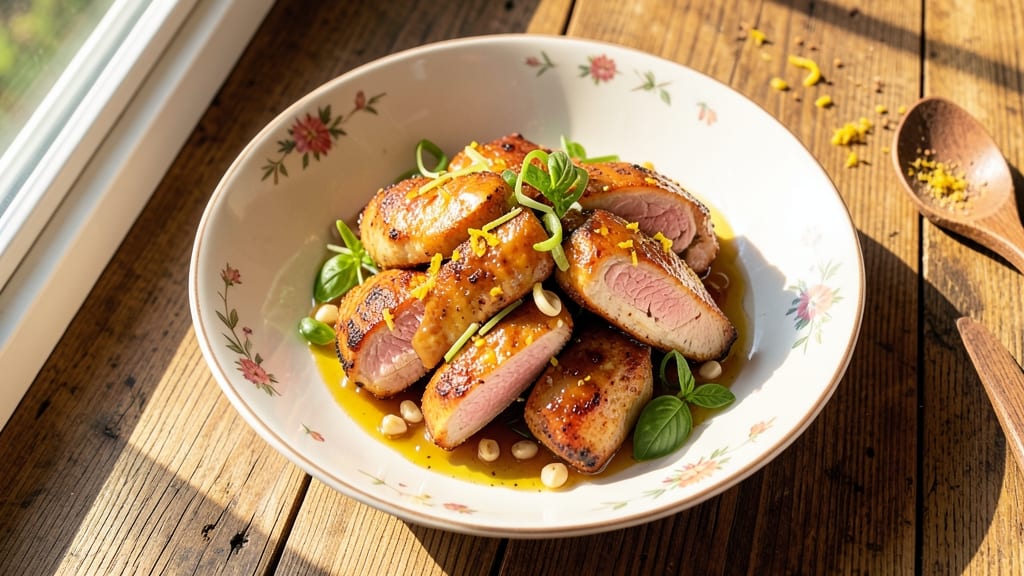
Aubrey's lemon lime chicken recipe delivers a perfect balance of bright citrus and tender meat that transforms ordinary weeknight dinners into something special. The secret lies in marinating the chicken overnight, allowing the zesty lemon-lime glaze to penetrate deeply while creating an irresistible crust.
What makes this dish truly stand out is how the acidity tenderizes the meat without overpowering its natural flavor.
This recipe combines simplicity with professional results—just 10 minutes of prep followed by 30 minutes of baking, and you'll have golden, juicy chicken with a glaze that's tangy, slightly sweet, and perfectly balanced.
The marinade works double duty as a finishing sauce, ensuring every bite is packed with vibrant citrus notes that cut through the richness of the chicken.
By the time you're serving, you'll have a dish that's elegant enough for company but easy enough for weeknights. The crispy exterior gives way to succulent, evenly cooked meat inside, while the glaze adds a glossy finish that makes the plate look as impressive as it tastes.
This is the kind of recipe that becomes a family favorite after just one try.
Pair with roasted vegetables or a fresh salad to complete the meal, or serve over rice for a heartier option. The versatility of this dish means it works for lunch, dinner, or even meal prep—just store the cooked chicken in the fridge for up to 4 days.
Let's get started!
Ingredients for aubrey's lemon lime chicken
Bright citrus meets juicy chicken in this zesty marinade that transforms simple pieces into restaurant-worthy bites.
| Ingredient | Amount | Notes |
|---|---|---|
| Boneless, Skinless Chicken Thighs 🍗 | 1 ½ lb | Cut into even-sized pieces |
| Fresh Lemon Juice 🍋 | ½ cup | From about 3-4 lemons |
| Fresh Lime Juice 🍈 | ¼ cup | From about 2-3 limes |
| Honey 🍯 | ¼ cup | For subtle sweetness |
| Minced Garlic Cloves 🧄 | 6 cloves | Freshly minced for flavor |
| Olive Oil 🫒 | ¼ cup | Extra-virgin for richness |
| Dijon Mustard 🍯 | 1 tbsp | For depth of flavor |
| Salt 🧂 | 1 ½ tsp | Kosher or sea salt |
| Ground Black Pepper 🌶️ | ½ tsp | Freshly ground preferred |
| Zest of 1 Lemon 🍋 | 1 tsp | Fine, bright yellow zest |
| Zest of 1 Lime 🍈 | 1 tsp | Fine, bright green zest |
| Cornstarch 🌾 | 1 tbsp | For glaze thickening |
| Fresh Rosemary 🌿 | 2 sprigs | For aromatic depth |
The chicken thighs are the star here—they stay juicy while developing that irresistible crust. Trader Joe's and Kroger usually have them pre-cut, but if you're buying whole, look for plump, uniform pieces with good marbling. Fresh lemon and lime juice are non-negotiable (the bottled stuff just won't cut it)—Florida lemons have the best juice-to-pulp ratio. For the zest, use a microplane or fine grater and scrape just the yellow/green outer layer—no white pith! The honey adds balance, but if you're watching sugar, agave or maple syrup works just as well. I always buy extra lemons and limes when they're on sale at Whole Foods—they keep for weeks in the fridge.
No fresh rosemary? Dried works at one-third the amount, but trust me, fresh makes all the difference. Running low on Dijon? Yellow mustard thinned with water gets you close. The cornstarch is key for that glossy finish—skip it if you prefer a more rustic look. For extra zing, add a pinch of red pepper flakes to the marinade. The glaze thickens as it cooks, so if you like it runnier, add another teaspoon of cornstarch at the end. And if you've got Trader Joe's Everything-But-the-Lemon Juice (yes, it's a thing), save some for another use—this recipe deserves fresh citrus all the way.
Marinate the chicken overnight for maximum flavor penetration, but if you're short on time, at least 2 hours will do. The glaze keeps for 3 days in the fridge—store it in a jar with a tight lid. Leftover chicken reheats beautifully in a skillet with a splash of water or broth. Freeze cooked chicken for up to 3 months—portion it into single servings for easy grab-and-go meals. The zest and glaze can be made ahead too—just store them separately until ready to use. This dish tastes even better the next day, so make extra if you can!
Why You'll Love This Recipe
- One-Pan Magic: I swear by this recipe when I’m too tired to wash dishes—just toss the chicken thighs, honey, and citrus in one skillet, let the garlic and lime mingle, and boom. The sticky glaze caramelizes right there while you’re still chopping veggies for the side.
- Bright & Balanced: That honey-lime glaze isn’t just sweet—it’s bright, cutting through the richness of the chicken with a zesty punch. The garlic? Oh, it’s there, but it doesn’t overpower; it just enhances. Honestly, I reach for this when I crave something that’s bold but not heavy.
- Lunchbox Hero: Between us, this is my go-to for meal prep because it reheats like a dream. Pack the leftovers with rice or quinoa, and the chicken stays juicy—no sad, dry bits. My kids (and my husband) actually ask for it, which is basically a parenting win.
- Budget-Friendly Crisp: Chicken thighs are cheaper than breasts, and this recipe doesn’t skimp on flavor. The citrus and honey stretch the ingredients further, so you’re not just feeding a crowd—you’re doing it smartly. Plus, the leftovers? They’re even better the second day.
Step-by-step instructions for aubrey's lemon lime chicken
Here's how to make this bright, sticky-sweet chicken with crisp edges and juicy centers.
Marinate the Chicken for Maximum Flavor
Cut the 1.5 lb boneless, skinless chicken thighs into even-sized pieces and place them in a large bowl. In a separate bowl, whisk together the 0.5 cup fresh lemon juice, 0.25 cup fresh lime juice, 0.25 cup honey, 6 cloves minced garlic cloves, 0.25 cup olive oil, 1 tbsp Dijon mustard, 1.5 tsp salt, 0.5 tsp ground black pepper, 1 tsp lemon zest, and 1 tsp lime zest. Pour this marinade over the chicken and toss gently to coat evenly.
Cover the bowl and refrigerate for at least 2 hours, or up to 12 hours for deeper flavor. The acid in the citrus will tenderize the chicken while the honey and mustard create that signature sticky glaze. I always marinate overnight when I can—it makes a noticeable difference in the final texture and flavor.
Cook the Chicken Until Juicy and Glazed
Preheat your oven to 375°F. Remove the chicken from the marinade (reserve the marinade for later) and place it in a single layer on a parchment-lined baking sheet. Spread the chicken pieces out so they're not crowded—they need room to crisp up.
Bake for 25-30 minutes, flipping halfway through, until the chicken reaches an internal temperature of 165°F. You'll see the edges start to caramelize and the chicken will pull away from the pan slightly. If the marinade reduces too quickly, you can add 1-2 tablespoons of water to the baking sheet to create steam and keep the chicken moist.
Create the Glossy Lemon Lime Glaze
While the chicken cooks, make the glaze by combining the reserved marinade with the 1 tbsp cornstarch. Whisk vigorously until smooth, then return it to the baking sheet with the chicken. The cornstarch will help thicken the glaze as it cooks, creating that beautiful sticky finish.
Increase the oven temperature to 400°F and bake for an additional 5-7 minutes, basting the chicken with the glaze every 2 minutes. You'll know it's ready when the chicken is glazed and the edges are caramelized. The 2 sprigs fresh rosemary can be added to the baking sheet during the final 5 minutes for extra aroma—just remove them before serving.
Rest and Serve with Zesty Flavor
Transfer the glazed chicken to a serving platter and let it rest for 5 minutes. This resting period allows the juices to redistribute, ensuring each bite is moist and flavorful. The glaze will thicken slightly as it cools, creating that perfect balance of sticky and tender.
Serve immediately with the remaining glaze spooned over the top. The bright citrus flavors will complement the caramelized edges beautifully. I like to pair this with a simple side of roasted vegetables or a fresh salad to cut through the richness of the honey glaze. The result is a dish that's both impressive and easy to make—perfect for any weeknight dinner!
Pro Tips For Making Aubrey'S Lemon Lime Chicken
- Sear First, Simmer Second: Hit the chicken thighs hard in a hot pan for 3-4 minutes per side before adding any liquid—this locks in juices and builds flavor. I used to skip this, and the dish always tasted flat; the crust from the sear carries the lemon-lime glaze like a boss.
- Zest Before Juicing: Run the lemon and lime peels over a microplane before juicing—those oils add depth the juice alone can’t. I learned this when a batch tasted one-note; now I double the zest and halve the juice if I’m feeling fancy.
- Deglaze Aggressively: After searing, don’t just splash in the citrus and honey—scrape up every browned bit from the pan with a wooden spoon. That’s where the real flavor hides, and lazy scraping means flavor loss. (Yes, it’s tedious, but worth it.)
- Balance the Sweet-Sour: Taste the sauce before adding chicken—if it’s too sweet, add a splash of lime; if too tart, drizzle in honey. I once ruined a batch by eyeballing it; now I adjust mid-cook and save seconds.
Troubleshooting great aubrey's lemon lime chicken
Chicken Stuck Together
If your chicken pieces clump together during cooking, it’s likely because they’re too crowded on the baking sheet. Spread them out in a single layer with at least ½ inch of space between each piece.
For extra insurance, pat them dry with paper towels before baking—moisture can cause sticking. If they’re already stuck, gently separate them with a spatula after 15 minutes in the oven. 🔥
Glaze Too Thin
A runny glaze usually means the cornstarch didn’t thicken properly. If this happens, whisk ½ tsp additional cornstarch into 1 tsp cold water, then stir it into the glaze while the chicken cooks.
For future batches, make sure your cornstarch is fresh—old cornstarch loses its thickening power. Simmering the glaze separately on the stovetop for 2-3 minutes before adding it to the chicken can also help.
Dry or Tough Chicken
Overcooking is the #1 cause of dry chicken. Use a meat thermometer to check for 165°F internal temperature—never guess by appearance. If your oven runs hot, reduce the temperature to 350°F and bake for 5-10 minutes longer.
To prevent dryness, add 2 tbsp water or chicken broth to the baking sheet during cooking to create steam. Brining the chicken for 30 minutes in ¼ cup salt dissolved in 2 cups water before marinating also helps retain moisture.
Uneven Glazing
If some pieces have glaze while others look bare, baste more frequently during the final 5-7 minutes of cooking. Use a basting brush to spread the glaze evenly over all surfaces.
For extra insurance, increase the oven temperature to 425°F for the last 5 minutes—this helps the glaze caramelize faster. If the glaze is too thick to spread easily, thin it with 1 tsp water or lemon juice before basting.
Citrus Too Overpowering
The bright citrus flavor can be overwhelming if the honey isn’t balanced. Reduce the lemon/lime juice to ¼ cup total (instead of ¾ cup) and add 1 tbsp extra honey to sweeten. For a milder taste, marinate the chicken for only 2 hours instead of overnight—longer marinating intensifies the acidity.
If the dish still tastes too sharp, serve it with a side of creamy mashed potatoes or avocado to mellow the flavors.
Rosemary Burns Quickly
Fresh rosemary can turn bitter if overcooked. Add it to the baking sheet only during the final 5 minutes of cooking at 400°F. Remove the sprigs immediately after baking—leaving them in too long will make the chicken taste harsh.
For a milder aroma, use ½ tsp dried rosemary instead of fresh sprigs. If you love rosemary but hate the bitterness, infuse it in ¼ cup olive oil for 10 minutes before straining and using the oil in the marinade.
Nutrition facts
Frequently asked questions
Can I use chicken breasts instead of thighs?
Yes, but be extra careful with timing! Chicken breasts cook faster and dry out more easily. Use 1 lb of breasts instead of 1.5 lb thighs, and bake at 350°F for 20-25 minutes total (no glaze boost at the end). Pound them to even thickness first for consistent cooking. The marinade works great, but breasts benefit from a 15-minute brine in salted water before marinating to keep them juicy.
How do I adjust this for meal prep?
Cook the chicken fully, then cool it completely before storing in airtight containers for up to 4 days in the fridge. Reheat portions in a skillet with 1 tbsp of the reserved glaze and 1 tsp water over medium heat for 3-4 minutes per side. For freezing, portion into single servings and freeze for up to 3 months. Thaw overnight in the fridge—never microwave from frozen. The glaze reheats beautifully but may thin slightly, so add ½ tsp cornstarch to thicken if needed.
What's the best way to make this on the grill?
Marinate the chicken as directed, then grill over medium-high heat for 6-8 minutes per side (until internal temp reaches 165°F). For the glaze, brush it on during the last 2 minutes of grilling. Preheat your grill to 400°F for the final 1-2 minutes to caramelize the glaze. Use indirect heat if your grill runs hot to prevent burning. For extra smoky flavor, add ½ tsp smoked paprika to the marinade.
Can I make this without honey?
Replace the ¼ cup honey with ¼ cup maple syrup or agave nectar for a vegan option. For a lower-sugar version, use 2 tbsp brown sugar or 1 tbsp granulated sugar mixed with 2 tbsp water. The glaze will be slightly less sweet but still delicious. If you're avoiding all sweeteners, add 1 tbsp extra Dijon mustard to deepen the flavor without adding sugar.
Why does the recipe call for both lemon and lime?
The combination creates a more complex flavor profile than either citrus alone! Lemons provide bright, sharp acidity while limes add a slightly tart, floral note. The zest contributes oils that enhance aroma and texture. Using both creates a balanced sweet-tart contrast that works perfectly with the honey and chicken. If you only have one, use ¾ cup lemon juice plus 1 tsp extra zest—just reduce the honey slightly to 2 tbsp to prevent overwhelming sweetness.