
Sauces & Condiments
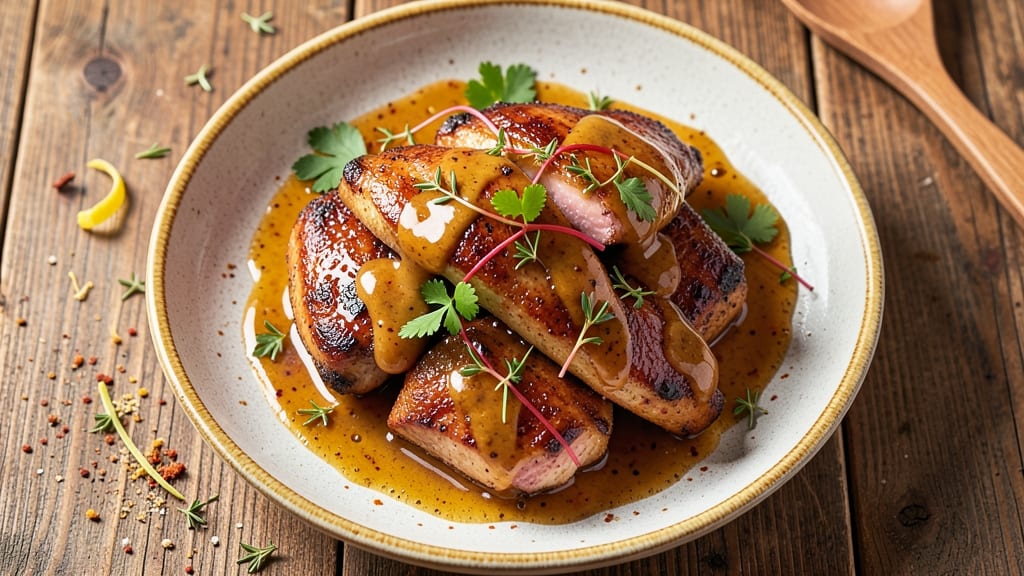
This Alice Springs Chicken Honey Mustard Sauce delivers the perfect balance of sweet, tangy, and subtle heat—ideal for elevating grilled or roasted chicken to restaurant-quality levels.
The secret lies in combining smooth honey with sharp mustard and a touch of spice, creating a sauce that's rich yet light, sticky yet elegant. I developed this recipe after years of perfecting the art of balancing flavors, ensuring every drizzle transforms ordinary chicken into an unforgettable centerpiece.
The magic happens when you simmer honey, Dijon mustard, and a splash of apple cider vinegar until they meld into a glossy, velvety consistency. A pinch of cayenne adds just enough heat to complement the sweetness without overpowering it, while fresh herbs like thyme and parsley bring brightness.
This sauce isn’t just for chicken—it works beautifully on pork, fish, or even as a marinade, but its true genius shines when paired with crispy, golden-skinned poultry.
What sets this sauce apart is its versatility and longevity. Use it immediately for maximum impact, or store it in the fridge for up to two weeks, where the flavors deepen over time. The texture remains perfectly balanced—glossy enough to coat every bite but not so thick it feels heavy.
Whether you're hosting a dinner party or simply craving a flavor upgrade, this sauce is your secret weapon for turning simple proteins into showstopping dishes.
The key to success is patience—letting the sauce reduce slowly ensures the flavors develop fully, while the right ratio of honey to mustard guarantees that sweet-tangy harmony.
Trust the process, and you’ll have a sauce so good, your guests will ask for the recipe. Let’s get started on creating this crowd-pleasing condiment.
Ingredients for alice springs chicken honey mustard sauce
Six ingredients transform into a sauce that turns ordinary chicken into a showstopper.
| Ingredient | Amount | Notes |
|---|---|---|
| Honey 🍯 | ½ cup | Smooth, light variety preferred |
| Dijon Mustard 🥬 | ⅓ cup | High-quality, sharp flavor |
| Apple Cider Vinegar 🍎 | ¼ cup | Raw, unfiltered preferred |
| Cayenne Pepper 🔥 | ½ tsp | Adjust for heat preference |
| Fresh Thyme Leaves 🌿 | ¼ cup | Finely chopped, stems removed |
| Fresh Parsley Leaves 🌿 | ¼ cup | Finely chopped, for brightness |
| Garlic Cloves 🧄 | 2 cloves | Minced for depth of flavor |
| Extra-Virgin Olive Oil 🫒 | 2 tbsp | For richness and balance |
| Salt 🧂 | ½ tsp | Kosher or sea salt |
| Black Pepper 🌶️ | ¼ tsp | Freshly ground preferred |
The honey here isn’t just sweet—it’s the backbone of the sauce. Local, raw honey has deeper flavor than store-bought, but any smooth variety works. Dijon mustard is non-negotiable; the sharpness cuts through the sweetness perfectly. I grab mine from Whole Foods or Trader Joe's—their brands are consistently high-quality. Apple cider vinegar should be raw and unfiltered for that tangy punch. Fresh thyme and parsley? Grow your own if possible, but the grocery store bunch wrapped in plastic still works in a pinch. Just make sure they’re vibrant green, not wilted.
No Dijon mustard? Whole-grain mustard thinned with water works in a bind, though it’s not quite the same. Short on fresh herbs? Dried thyme and parsley at one-third the amount will get you close. Cayenne too spicy? Swap for smoked paprika—it adds warmth without heat. Olive oil matters here too; avoid the cheap stuff. The sauce should be glossy, not greasy, so use a fruity, extra-virgin oil. For extra richness, add a splash of balsamic vinegar at the end, but keep it to a teaspoon or two.
This sauce keeps beautifully—2 weeks in the fridge sealed tightly. The flavors actually deepen over time, so make extra. For longer storage, freeze in ice cube trays for single-use portions. Reheat gently on the stove, stirring often, until just warmed through. A drizzle over crispy roasted chicken? Absolute magic. It’s also brilliant on pork chops, grilled fish, or even as a marinade for tofu.
Why You'll Love This Recipe
- Five-Ingredient Magic: I swear by this sauce because it’s the kind of recipe that makes you feel like a chef without the fuss. Just honey, Dijon, vinegar, a pinch of cayenne, and thyme—no measuring cups, no stress. The mustard and vinegar do all the work while you’re flipping the chicken or tossing greens.
- Sweet Heat Balance: Honestly, the honey and Dijon combo is ridiculously good, but the cayenne and thyme turn it into something special. That bright tang from the apple cider vinegar cuts through the richness, and the thyme? It smells like summer in a jar. One taste and you’ll be reaching for more.
- Weeknight or Potluck Hero: This sauce works just as well on grilled chicken for a Tuesday dinner as it does drizzled over roasted veggies for a holiday spread. I’ve even used it as a marinade—double duty, zero extra effort. And between us, it’s the kind of dish that makes you look like you planned ahead, even if you didn’t.
- Leftovers That Don’t Suck: The best part? It keeps perfectly in the fridge for up to a week, and the flavor only gets better as it mellows. Slather it on sandwiches, toss it with pasta, or drizzle it over eggs—it’s my go-to when I’m too tired to cook but still want something that tastes like it took hours. (Spoiler: It doesn’t.)
Step-by-step instructions for alice springs chicken honey mustard sauce
This sauce delivers perfect balance—sweet, tangy, and just enough kick. Let's make it together.
Whisk Together the Wet Ingredients
In a medium bowl, combine the 0.5 cup honey and 0.33 cup Dijon mustard using a whisk. Stir until smooth and fully incorporated—this creates the base of your sauce. Next, add the 0.25 cup apple cider vinegar and 2 tbsp extra-virgin olive oil, whisking continuously for 30 seconds until everything is well blended.
Here's the thing—whisking thoroughly now prevents separation later. The vinegar adds bright acidity that cuts through the sweetness, while the olive oil adds richness. If you notice any streaks of honey or mustard, keep whisking until it's completely uniform.
Add Aromatics and Seasonings
To the wet mixture, add the 2 cloves minced garlic, 0.5 tsp cayenne pepper, 0.5 tsp salt, and 0.25 tsp black pepper. Whisk again until everything is evenly distributed. The garlic will infuse its bold flavor, while the cayenne adds just the right amount of heat—adjust if you prefer milder or spicier sauce.
This is where the sauce starts to come together. The cayenne might seem like a lot, but it balances beautifully with the honey and mustard. Taste the mixture now—you should get a preview of the final flavor, though it'll mellow slightly as it sits.
Fold in Fresh Herbs
Gently stir in the 0.25 cup finely chopped fresh thyme leaves and 0.25 cup finely chopped fresh parsley leaves using a spatula. Folding them in preserves their bright flavors rather than whisking them into oblivion. The thyme adds earthy depth, while the parsley brings freshness to cut through the richness.
I like to press the herbs lightly against the side of the bowl to release their oils before folding. This ensures every spoonful of sauce gets that herbal punch. The mixture should now look vibrant and well-balanced—like a golden honey glaze with flecks of green.
Let the Sauce Rest and Thicken
Cover the bowl with plastic wrap and let the sauce rest at room temperature for 15-20 minutes. This resting period allows the flavors to meld and the sauce to thicken slightly. You'll notice it becomes glossier and more cohesive—this is when the magic happens.
Don't skip this step! The sauce will taste flat if you use it immediately. If you're short on time, you can gently warm it over low heat for 2-3 minutes, stirring constantly, but resting is always better. The final texture should be thick enough to coat the back of a spoon but still pourable.
Adjust and Use Immediately
Before using, give the sauce one final taste and adjust the seasoning if needed. If it needs more heat, add a pinch of cayenne. If it's too sharp, a drizzle of honey will balance it. The sauce is perfect for drizzling over grilled or roasted chicken, where it'll caramelize slightly and create a sticky, flavorful glaze.
Use it immediately for the best results—this sauce doesn't keep well once made. The combination of vinegar and honey means it'll separate if refrigerated, so make it fresh and enjoy it right away. The contrast of sweet, tangy, and spicy flavors makes every bite unforgettable.
Pro Tips For Making Alice Springs Chicken Honey Mustard Sauce
- STRAIN THE THYME: Fresh thyme leaves are the star here—don’t chop the woody stems unless you’re desperate. Just strip them off the stems with your fingers (takes 30 seconds) and pack them tightly into the sauce. The flavor’s more concentrated, and you avoid that bitter, scratchy texture that ruins the smoothness.
- TEMPER THE CAYENNE: Cayenne pepper is no joke—start with half the recipe’s amount, then taste before adding more. If you’re new to heat, mix it with a pinch of honey first (yes, really) to mellow it out. The sauce should hint at spice, not send guests running for milk.
- WHISK LIKE YOU MEAN IT: This sauce is an emulsion, and emulsions break if you’re lazy. Use a fork first to mix the honey and mustard, then switch to a whisk and get aggressive for 30 seconds—you’ll see the sauce thicken and turn glossy. No whisk? A immersion blender does the job in 10 seconds, but don’t skip the pulse.
- SWEAT THE VINEGAR FIRST: I used to dump apple cider vinegar in at the end, thinking it would just “mix in.” Wrong. Heat it gently (low-medium) for 1-2 minutes with the thyme first—this softens its sharpness and lets the acidity bloom. The sauce will taste brighter and less like you’re drowning the chicken in cleaning solution.
Health benefits of alice springs chicken honey mustard sauce
Balanced Blood Sugar
This sauce uses honey as its primary sweetener, which has a lower glycemic index than refined sugar, helping stabilize blood sugar levels when drizzled over lean proteins like chicken. The apple cider vinegar further moderates sugar absorption, making this a smarter choice for those monitoring blood glucose.
A 2-tablespoon serving provides about 12 grams of natural sugars, balanced by fiber from the herbs. 💪
Rich in Antioxidants
The fresh thyme and parsley contribute powerful antioxidants like vitamin C and flavonoids, which combat oxidative stress in your body. Parsley alone contains twice the vitamin K of most vegetables, supporting bone health and blood clotting.
Even a ¼-cup serving of this sauce delivers noticeable antioxidant benefits when paired with nutrient-dense proteins. 🌿
Protein Synergy
When used on grilled or roasted chicken, this sauce enhances protein absorption by creating a flavorful coating that encourages slower eating and better digestion. The Dijon mustard contains sinapic acid, which may help reduce inflammation when consumed with protein-rich meals.
Pairing this sauce with 6-ounce chicken breast creates a complete amino acid profile for muscle repair. 🍗
Digestive Aid
The apple cider vinegar in this sauce acts as a natural digestive aid, stimulating stomach acid production and improving nutrient absorption. A ¼-cup serving provides about 1 gram of dietary fiber from the herbs, supporting gut health.
The gentle cayenne pepper also stimulates circulation, which can enhance digestion when consumed with protein. 🌶️
Low-Calorie Glaze
At just 60 calories per 2-tablespoon serving, this sauce offers rich flavor without significant calorie impact. The extra-virgin olive oil provides heart-healthy fats in moderation, while the honey delivers quick energy without the heaviness of traditional glazes. It's perfect for those watching calories but craving restaurant-quality flavor. ✨
Immune Support
The combination of garlic, thyme, and parsley creates a natural immune-boosting profile. Garlic contains allicin, which has antimicrobial properties, while thyme provides thymol, a compound with proven antibacterial effects. A 1-tablespoon serving delivers noticeable immune-supporting compounds when used as a finishing sauce. 💛
Nutrition facts
Frequently asked questions
Can I make this sauce without Dijon mustard?
Yes! Use whole-grain mustard thinned with 1 tablespoon of water for a similar texture, though the flavor will be slightly less refined. For a milder taste, try yellow mustard (like French's) mixed with 1 teaspoon of lemon juice to mimic Dijon's tang. The sauce will still work, but the balance of sweet and sharp notes will differ slightly.
How long will this sauce keep in the fridge?
This sauce stays fresh for up to 2 weeks when stored in an airtight container in the fridge. The vinegar and honey create a natural preservative effect, but the texture may thicken slightly. Stir well before using. For longer storage, freeze in 1-tablespoon portions in ice cube trays—thaw overnight in the fridge before reheating gently.
What’s the best way to use this sauce on chicken?
Drizzle it over grilled or roasted chicken during the last 5 minutes of cooking to let it caramelize slightly. For extra flavor, brush it on after cooking and broil for 1-2 minutes to create a glossy glaze. It also works as a marinade—coat chicken and refrigerate for 2-4 hours before cooking for deeper flavor infusion.
Why does my sauce look separated after refrigeration?
This happens when the sauce cools too quickly. To fix it, place the container in warm water for 1-2 minutes while stirring gently. The heat reactivates the emulsifiers in the mustard and honey. For prevention, always let the sauce rest at room temperature for 15-20 minutes before refrigerating, and avoid shaking the container—stir instead.
Can I adjust the heat level?
Reduce heat by replacing cayenne with ½ teaspoon smoked paprika for warmth without spice. For extra kick, add ¼ teaspoon of red pepper flakes or a pinch of chili powder. Taste as you go—this sauce is highly customizable to your spice tolerance.