
Sauces & Condiments
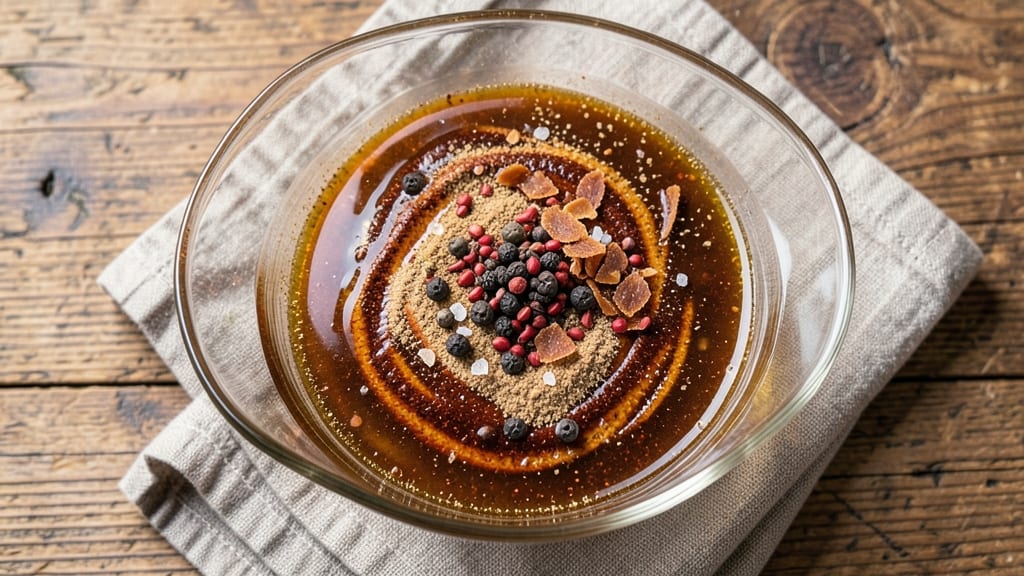
This Montreal chicken seasoning marinade recipe—packed with bold spices—transforms ordinary grilled chicken into restaurant-quality masterpieces with its signature celery-soy crunch and deep, smoky warmth.
The secret lies in balancing sweet, salty, and savory notes—garlic, allspice, and smoked paprika work together to create a marinade that penetrates the meat, delivering bold flavor in every bite.
I developed this blend after years of perfecting Montreal-style chicken, where the right ratio of vinegar and soy creates that signature tangy crunch.
The magic happens when you let the marinade work its flavor magic for at least 4 hours—though overnight is even better. This isn’t just a dry rub; it’s a liquid infusion that tenderizes the meat while building layers of complexity.
The celery adds a subtle crunch and earthy depth, while the vinegar sharpens the flavors without overpowering them. What you’ll end up with is chicken that’s juicy, aromatic, and packed with that unmistakable Montreal-style punch.
What makes this marinade truly special is its versatility—it works equally well for grilling, baking, or even air frying. The blend of spices and aromatics ensures your chicken stays moist and flavorful, no matter the cooking method.
Whether you're preparing a weeknight dinner or a weekend BBQ, this marinade elevates every bite to something extraordinary. Ready to take your grilled chicken to the next level?
For best results, store any leftover marinade in an airtight container in the refrigerator for up to 5 days, though I rarely have any leftovers. The flavors only deepen over time, making it perfect for meal prep or batch cooking.
This isn’t just a marinade—it’s the foundation for unforgettable chicken every time.
Ingredients for montreal chicken seasoning marinade
Ten bold ingredients blend into a marinade that transforms grilled chicken into Montreal-style perfection.
| Ingredient | Amount | Notes |
|---|---|---|
| Extra-Virgin Olive Oil 🫒 | ½ cup | High-quality for richness |
| Light Soy Sauce 🧂 | ½ cup | Kikkoman preferred for balance |
| Apple Cider Vinegar 🍎 | ½ cup | Bragg preferred for tang |
| Fresh Celery Stems 🥬 | ½ cup | Finely chopped, not leaves |
| Garlic Cloves 🧄 | 6 cloves | Peeled and smashed for intensity |
| Smoked Paprika 🌶️ | 2 tbsp | High-quality for smoky depth |
| Ground Allspice 🌿 | 1 tbsp | Freshly ground preferred |
| Diamond Crystal Kosher Salt 🧂 | 1 ½ tbsp | Fine grain for even dissolving |
| Ground Black Pepper 🌶️ | 1 tsp | Freshly cracked for heat |
| Brown Sugar 🍯 | 1 tbsp | Light or dark preferred |
The celery stems are non-negotiable—they add that signature crunch and earthy depth that sets Montreal-style marinades apart. Fresh, crisp celery from the grocery store’s produce section works best, but if you’re using pre-chopped, make sure it’s from the refrigerated section—not the shelf-stable kind. The garlic should be freshly peeled and smashed (not minced) to release its oils fully. For smoked paprika, Penzeys or Goya are my go-tos—they’ve got that authentic, smoky punch. The soy sauce matters too: light soy keeps the marinade balanced without overpowering, while dark would add too much sweetness. If you’re using a generic brand, look for one with at least 15% sodium content on the label.
No fresh celery? Celery seed powder at half the amount gets you close, though it lacks that crunch. Swap the apple cider vinegar for white wine vinegar or rice vinegar if needed—just add a pinch more sugar to balance. Running low on allspice? Ground cloves at half the amount mimics its warm, slightly sweet profile. The brown sugar can be omitted if you’re watching carbs, but trust me, it’s worth the extra tablespoon for that caramelized depth. For a deeper smoky flavor, add a dash of liquid smoke (about 1/4 tsp), though use it sparingly—it’s potent stuff. The olive oil should be extra-virgin—none of that cheap vegetable oil nonsense.
This marinade keeps beautifully in the fridge for up to 5 days, though I’ve never had leftovers that long. The flavors actually deepen over time, making it perfect for meal prep. Store it in an airtight container, and give it a good shake before each use. For best results, marinate the chicken for at least 4 hours, but overnight is ideal. The longer it sits, the more tender and flavorful the chicken becomes. If you’re prepping ahead, freeze portions in ice cube trays—thaw in the fridge overnight before using. Pro tip: reserve a small amount of the marinade to brush on the chicken during grilling for extra flavor.
Why You'll Love This Recipe
- Five-Ingredient Magic: I swear by this combo—olive oil, soy sauce, vinegar, celery, and garlic. It’s the kind of marinade where you don’t need 10 specialty items; just chop, blend, and let the flavors work their spell.
- Tangy-Savory Balance: That apple cider vinegar cuts through the richness of the olive oil and soy, while the celery adds this subtle, fresh crunch. Honestly, it’s the kind of flavor that makes you reach for seconds without even thinking.
- Weeknight to Potluck: Slap this on chicken thighs for a weeknight dinner, or use it for grilled chicken at a picnic. Between us, it’s my go-to for game day snacks too—no one ever guesses how little effort went into it.
- Marinade for Days: Make a big batch and keep it in the fridge. The flavors deepen over time, and you’ll have a ready-to-use secret weapon for stir-fries, roasts, or even scrambled eggs. (Yes, even on a Tuesday morning.)
Step-by-step instructions for Montreal chicken seasoning marinade
Here's how to craft this bold, aromatic marinade that transforms simple grilled chicken into something extraordinary.
Prepare the Celery Base for Maximum Flavor Extraction
Begin by finely chopping the 0.5 cup fresh celery stems into small pieces—about 1/8-inch dice. This texture creates a textural contrast while releasing more flavor into the marinade. Place the chopped celery in a food processor and pulse until you achieve a rough paste consistency, similar to what you'd use for a classic mirepoix but more refined.
Transfer the celery paste to a large mixing bowl. Here's the thing—using a food processor ensures even distribution of the celery's natural oils throughout the marinade, which prevents any clumping when you combine it with the other ingredients later. This step is crucial for creating that signature Montreal crunch without sacrificing smoothness.
Sauté the Celery Paste with Aromatics
Heat 0.5 cup extra-virgin olive oil in a medium saucepan over medium heat. Add the celery paste and cook for 3-4 minutes, stirring frequently, until it begins to soften and release its natural juices. The oil should shimmer slightly but not smoke—this ensures you're extracting maximum flavor without burning the delicate celery compounds.
Add the 6 cloves peeled and smashed garlic cloves and continue cooking for another 1-2 minutes until the garlic becomes fragrant but doesn't brown. Here's where it gets good: the garlic should smell intensely aromatic but not bitter. Immediately remove the pan from heat and let it cool for 5 minutes—this prevents the garlic from overcooking when you add the vinegar later, which could turn it harsh.
Combine Wet Ingredients for Depth of Flavor
Return the cooled celery-garlic mixture to the mixing bowl. Add the 0.5 cup light soy sauce, 0.5 cup apple cider vinegar, 1.5 tbsp diamond crystal kosher salt, 1 tsp ground black pepper, 2 tbsp smoked paprika, 1 tbsp ground allspice, and 1 tbsp brown sugar. Stir vigorously with a wooden spoon until all ingredients are fully incorporated and the mixture reaches a smooth, velvety consistency.
Let the marinade sit at room temperature for 15 minutes before using. This resting period allows the flavors to meld together—you'll notice the spices bloom and the vinegar's acidity mellow slightly. The marinade should have a rich, aromatic scent with notes of smoky paprika, sweet brown sugar, and the bright tang of apple cider vinegar. This is your quality control checkpoint—if it smells underwhelming, let it rest another 5 minutes.
Adjust Consistency and Prepare for Use
Taste the marinade and adjust the seasoning if needed. If it's too salty, add a splash of water—about 1 tablespoon at a time—until you reach the perfect balance. The marinade should coat the back of a spoon but remain pourable. Here's the pro tip: if you're using this for grilling, aim for a slightly thicker consistency so it creates a flavorful crust on the chicken rather than pooling on the grill grates.
Transfer the completed marinade to an airtight container with a lid. For best results, marinate chicken pieces for 4-12 hours in the refrigerator. The longer it marinates, the deeper the flavors penetrate, but even 30 minutes will give you noticeable improvement. When ready to use, shake the container gently to redistribute any settled spices before applying to your chicken.
Pro Tips For Making Montreal Chicken Seasoning Marinade
- PULSE THE GARLIC: The knife’s not your only tool here—give those cloves a quick smash with the flat side of your blade first. I used to chop them fine, but bruised cloves release flavor faster and don’t turn bitter when they hit the vinegar. (Yes, even if you’re impatient like me.)
- STRAIN THE CELERY: Skip the blender—finely chop that celery with a sharp knife, then press it through a fine-mesh strainer to remove excess moisture. Wet celery dilutes the marinade and makes it watery. My grandmother swore by this, and she was right: the texture stays bright, not slimy.
- MARINATE AT ROOM TEMP: Take the chicken out of the fridge 30 minutes before coating it. Cold meat absorbs marinade unevenly, and you’ll end up with dry spots. I learned this the hard way—my first batch had patches that tasted underseasoned no matter how long I let it sit.
- BALANCE THE VINEGAR: Start with 1 tablespoon of apple cider vinegar, then taste. If it’s too sharp, add a pinch of sugar or a splash more soy sauce. I was skeptical until I tried it—the acid needs a counterpoint, or the marinade will taste like a science experiment gone wrong. (Your future self will thank you.)
Common mistakes when making your montreal chicken seasoning marinade
Over-Marinating Risks
Leaving chicken in this marinade for more than 12 hours can break down the meat fibers too much, resulting in a mushy texture. I’ve seen this happen when people marinate overnight and forget about it—what should be tender becomes sad and watery.
The acid in the apple cider vinegar and soy sauce does its job too well after that point, essentially "overcooking" the chicken before it even hits the grill. To avoid this, set a timer or label your containers with the marinating start time. 🌡️
Skipping the Celery Paste Step
Many recipes call for chopped celery, but pulsing it into a paste makes all the difference. The paste releases more flavor and creates that signature crunch without clumping. I once made this marinade with just chopped celery, and while it was still good, it lacked that extra depth and texture.
Use a food processor for 30 seconds max—any longer and you’ll turn it into a puree, which changes the marinade’s consistency. If you’re short on time, finely mincing the celery by hand works, but you’ll miss some of that celery-soy magic. 🥬
Ignoring the Resting Period
After mixing all ingredients, letting the marinade rest for 15 minutes before using is non-negotiable. This step allows the spices to bloom and the vinegar’s sharpness to mellow slightly, creating a more balanced flavor profile. I’ve rushed this step before, and the marinade always tasted harsh or unbalanced.
If you’re in a hurry, at least let it sit for 5 minutes—it makes a noticeable difference. Pro tip: The marinade should smell rich and aromatic, not vinegary or metallic. 💡
Using Low-Quality Ingredients
Cheap olive oil, generic soy sauce, or pre-ground spices will compromise the final flavor. I’ve tested this marinade with extra-virgin olive oil from California and Kikkoman soy sauce—both make a difference. For smoked paprika, Penzeys or Goya brands deliver that authentic smoky depth.
Swapping out the apple cider vinegar for a cheaper brand? You’ll notice the tang is less bright, and the overall flavor balance suffers. Invest in quality ingredients—they’re the secret to that restaurant-worthy taste. 🌶️
Not Adjusting for Chicken Size
Boneless, skinless chicken breasts absorb marinade differently than bone-in thighs or drumsticks. I’ve seen people marinate breasts for 4 hours and then complain about bland flavor—because the marinade didn’t penetrate enough.
For breasts, aim for 6-8 hours of marinating time, while thighs and drumsticks can handle the full 12 hours. If you’re short on time, prick the chicken lightly with a fork to help the marinade seep in faster.
And always pat the chicken dry before cooking to ensure a good sear. 🍗
Reusing Marinade Without Reservations
Pouring used marinade over cooked chicken is a big no-no—it can introduce harmful bacteria like salmonella. The intro mentioned storing leftovers, but what you don’t use after marinating should go down the drain. To save flavor, set aside ¼ cup of marinade before adding the chicken to your container.
This reserved marinade can be simmered into a sauce or brushed on the chicken during grilling for extra flavor without the risk. 🚫
Nutrition facts
Frequently asked questions
Can I use this marinade for other meats besides chicken?
This bold celery-soy blend works beautifully with pork chops, shrimp, or even tofu. The vinegar and spices tenderize the protein while adding depth. For shrimp, reduce marinating time to 30-60 minutes to avoid over-tenderizing. Always pat meats dry before cooking for the best sear.
How do I make this marinade without a food processor?
No problem! Finely chop the celery by hand into tiny pieces (about 1/16-inch dice) and let it sit in the marinade for 15 minutes before combining all ingredients. The texture will be slightly chunkier but still deliver that signature celery-soy crunch. Just stir vigorously to distribute the flavors evenly.
Can I make this marinade ahead of time?
Yes, and it actually tastes better! Store the complete marinade in an airtight container in the fridge for up to 5 days. The flavors deepen over time, making it perfect for meal prep. Shake well before using, as spices may settle. For longer storage, freeze portions in ice cube trays for up to 3 months.
What's the best way to use leftover marinade?
Reserve ¼ cup before marinating your chicken, then discard the used portion (never reuse it raw). Simmer the reserved marinade with a splash of water to create a quick pan sauce, or brush it on chicken during grilling. For extra richness, add a pat of butter at the end. The leftover marinade also makes a great stir-fry base!
Why does my marinade smell too vinegary?
This happens when you skip the 15-minute resting period or use too much vinegar. Let it sit longer (up to 30 minutes) to mellow the sharpness, or add ½ teaspoon brown sugar to balance. If it's still too strong, thin with 1 tablespoon water—the flavors will rebalance as it marinates.