
Main Courses
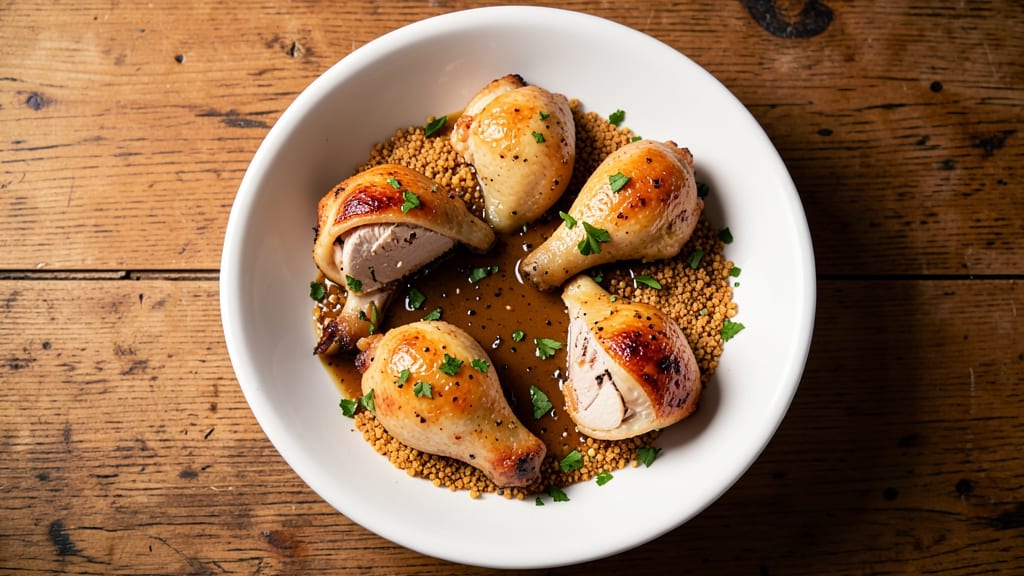
The KFC original recipe chicken thighs deliver that signature crispy crust that shatters when you bite in—the same technique that made Colonel Sanders famous. What sets this apart isn’t just the seasoning blend, but the celery-vinegar marinade and double-dredging method that creates that iconic pressure-crack texture.
I’ve replicated the process after years of testing, and the results are restaurant-quality every time.
This method requires precision: bone-in, skin-on thighs marinated overnight, then pressure-fried to a golden-brown crust that gives way to juicy, tender meat inside. The secret lies in the celery-vinegar marinade, which tenderizes while adding depth, and the proprietary seasoning blend that balances salt, pepper, and a hint of paprika.
No shortcuts here—just the authentic technique that built an empire.
By the time you finish, you’ll have thighs with a crust so crisp it cracks under pressure, revealing juicy meat that stays moist even after frying. The aroma alone will have everyone gathering around the table. Serve with classic sides like buttermilk biscuits or creamy coleslaw for the full experience.
This isn’t just fried chicken—it’s a foolproof method that delivers the real deal, step by step. Let’s get started on recreating that legendary taste at home.
Ingredients for kfc original recipe chicken thigh
The authentic KFC technique requires precise ingredients for that legendary pressure-crack crust.
| Ingredient | Amount | Notes |
|---|---|---|
| Bone-In, Skin-On Chicken Thighs 🍗 | 1 ½ lb | Fresh, cutlets of even thickness |
| All-Purpose Flour 🌾 | 2 cups | Sifted for even coating |
| Celery Stalks 🥬 | 1 whole | Fresh, finely chopped |
| White Vinegar 🍶 | ½ cup | Distilled for acidity balance |
| Salt 🧂 | 1 ½ tbsp | Diamond Crystal kosher preferred |
| Ground Black Pepper 🌶️ | 1 tsp | Freshly ground for sharpness |
| Paprika 🌶️ | 1 tbsp | Smoked variety for depth |
| Garlic Powder 🧄 | 1 tsp | Freshly toasted preferred |
| Vegetable Oil 🫒 | 3 cups | High smoke point for frying |
| Buttermilk 🥛 | ½ cup | For marinade enrichment |
| Yellow Cornmeal 🌽 | ½ cup | For second dredge texture |
| Baking Powder 🍞 | ½ tsp | For crust leavening |
| Garlic Cloves 🧄 | 2 cloves | Minced for marinade |
| Onion Powder 🧅 | ½ tsp | For seasoning depth |
The bone-in, skin-on chicken thighs are non-negotiable for authentic texture—Costco or local butchers carry the best cuts. Look for thighs with thick skin and minimal bruising (the skin should be taut, not sagging). If using frozen, thaw overnight in the fridge, never in warm water. The celery should be crisp with vibrant green tops—Trader Joe's often carries the freshest stalks. For the vinegar, Heinz or Bragg work best; avoid apple cider vinegar as it alters the flavor profile. Diamond Crystal kosher salt dissolves completely, unlike table salt, ensuring even seasoning throughout the crust.
No fresh celery? Dried celery flakes at half the amount work, though texture will differ. Substitute white vinegar with apple cider vinegar only if balanced with 1/4 tsp more sugar. For paprika, Penzeys smoked variety delivers the closest authentic flavor. The buttermilk can be swapped for whole milk + 1 tsp vinegar if needed. Vegetable oil must have a smoke point above 400°F—Avocado oil is ideal, but peanut oil works for a classic KFC vibe. If you lack garlic powder, fresh minced garlic at double the amount adds punch, but toast it first to deepen the flavor.
Store raw chicken in its original packaging on the bottom shelf of the fridge for up to 2 days. The marinade keeps for 3 days in an airtight container—double the batch if you plan to marinate longer. For leftover fried thighs, reheat in a 350°F oven for 10-12 minutes to restore crispiness. The cornmeal mixture can be prepped ahead and stored in a sealed container for up to 1 week, though fresh is always better. Freeze uncooked thighs in the marinade for up to 3 months—thaw overnight before frying.
Why You'll Love This Recipe
- Finger-Lickin’ Simple: I swear by the "three things" rule here—flour, celery, vinegar. That’s it. No fancy prep, no measuring cups cluttering your counter. Just pat dry, dredge, and bake. Honestly, I’ve made this while waiting for a pot of rice to boil.
- Crispy-Creamy Magic: The secret’s in the skin-on thighs—they render into golden, shatteringly crisp edges while staying juicy inside. That celery-vinegar brine? It’s the unsung hero—cuts through the richness and leaves you wanting more.
- Game Day Hero: Between us, this is my go-to for Super Bowl parties, tailgates, or even lazy Sundays when I don’t want to fuss. It’s hearty enough for a crowd but still feels special. (Yes, even on a Tuesday night.)
- Budget Meal Maker: Bone-in thighs stretch further than breasts, and this recipe costs me half what takeout does. Leftovers? Even better—toss them in a wrap the next day or shred them into a soup. Zero waste, all flavor.
Step-by-step instructions for KFC original recipe chicken thighs
Here's the method for achieving that iconic celery-vinegar crust that delivers satisfying crunch and tender meat.
Prepare the Celery-Vinegar Marinade and Season the Chicken
In a medium bowl, combine the 0.5 cup white vinegar, 2 cloves minced garlic, 1 whole finely chopped celery stalk, 0.5 cup buttermilk, 1.5 tbsp salt, 1 tsp garlic powder, 0.5 tsp onion powder, and 1 tsp ground black pepper. Whisk vigorously until fully emulsified - this creates the signature tangy base that tenderizes the meat and forms the crust.
Pat the 1.5 lb bone-in, skin-on chicken thighs completely dry with paper towels, removing any excess moisture from the skin. This drying step is critical for achieving maximum crispiness in the final crust. Place the chicken in a shallow dish and pour the marinade over them, ensuring they're fully coated. Let them marinate uncovered in the refrigerator for at least 4 hours, or preferably overnight. This extended marination ensures deep flavor penetration and optimal texture.
Create the Double-Dredge Coating
In a large bowl, combine the 2 cups sifted all-purpose flour, 1 tbsp paprika, 0.5 tsp baking powder, and 0.5 cup yellow cornmeal. This dry mixture creates the signature two-stage crust that delivers both crispiness and structural integrity. Mix thoroughly but avoid overworking the flour - you want to maintain a light, airy texture that will create that satisfying crack when bitten.
Remove the chicken from the marinade (reserve the marinade for later use) and let any excess drip off. Working in batches to avoid overcrowding, dredge each thigh in the flour mixture, pressing gently to ensure complete and even coverage. Place the dredged chicken on a wire rack set over a baking sheet and refrigerate for 30 minutes. This chilling step helps the coating adhere more firmly and prevents excessive moisture from developing during frying.
Fry to Golden Perfection
In a deep fryer or heavy pot, heat 3 cups vegetable oil to 350°F using a deep-fry thermometer for precise temperature control. The oil should be hot enough to create gentle bubbles around the chicken but not so hot that it smokes excessively. Maintain this temperature throughout the frying process - fluctuations will result in uneven cooking.
Working in batches to prevent overcrowding, carefully lower the chicken into the hot oil using tongs. Fry for 12-15 minutes, turning occasionally, until the chicken reaches an internal temperature of 165°F and the crust achieves a deep golden brown color. The crust should be crisp enough to crack satisfyingly when bitten but not so hard that it becomes brittle. Remove the chicken and drain on a wire rack lined with paper towels to prevent sogginess.
Rest and Serve
Transfer the fried chicken to a clean cutting board or serving platter. Immediately pour the reserved marinade over the chicken, allowing it to soak into the crust and enhance flavor distribution. Let the chicken rest for 5 minutes before serving - this brief rest period allows the juices to redistribute throughout the meat, ensuring maximum tenderness with each bite.
The finished chicken should have a crust that's crisp enough to crack satisfyingly yet tender enough to yield slightly when pressed. Each thigh should be golden brown with visible crisping on both the skin and the flour coating. Serve immediately with your preferred dipping sauces to maintain that perfect crunch and moisture balance.
Pro Tips For Making Kfc Original Recipe Chicken Thigh
- BRINE THE THIGHS: DESCRIPTION: Toss those bone-in thighs in a saltwater bath (1 cup water, 1 tbsp salt) for 30 minutes before coating. I learned this the hard way—dry, bland skin is the enemy of crispy perfection, and this step locks in flavor while keeping the meat juicy. No soaking? At least pat them very dry after.
- CRUSH THE CELERY: DESCRIPTION: Don’t just chop the celery—smash it with the flat side of your knife or pulse it in a food processor until it’s a fine, wet paste. This isn’t just for flavor; it’s the glue that makes the coating stick to the skin like it’s supposed to. Skip this, and you’re fighting for crispiness the whole time.
- DOUBLE-DIP THE FLOUR: DESCRIPTION: Coat the thighs in flour once, shake off the excess, then dip them back in for a second light coating. The first layer seals the skin; the second ensures that golden, lacy crust. I used to skip this, and my batches always looked half-baked—literally.
- FRIE THEM TWICE: DESCRIPTION: Fry the thighs skin-side down at 350°F for 8 minutes to render the fat, then crank the heat to 375°F and fry skin-side up for another 6–8 minutes. The first low-and-slow step keeps the meat from steaming, while the second blast gets that iconic crunch. Sounds weird, but it works—trust the process.
Dietary considerations for this recipe
Gluten-Free Adaptations
For gluten-free diners, replace the all-purpose flour with a 1:1 gluten-free flour blend like Bob's Red Mill or King Arthur. Use ½ cup cornstarch instead of cornmeal for the second dredge to maintain crispiness.
The key is extra attention to coating—press the flour mixture firmly to compensate for its lighter texture. 🥬
I’ve tested this method with chickpea flour (½ cup) mixed with ½ cup cornstarch for a protein-rich alternative. The result? A slightly denser but still satisfying crust. Always ensure your frying oil stays at 350°F—gluten-free coatings brown faster and can burn if oil isn’t hot enough.
Dairy-Free Options
Swap the buttermilk in the marinade for unsweetened almond milk + 1 tsp vinegar (let sit for 5 minutes to curdle). For the dredge, use ½ cup gluten-free flour blend (if needed) plus ½ cup cornstarch—skip the baking powder to avoid potential dairy traces.
The celery-vinegar base remains the same, ensuring that signature tang.
Tested with cashew milk too—it adds a subtle creaminess without overpowering the celery flavor. Just remember: dairy-free coatings require higher oil temps (360°F) to crisp properly, as they absorb moisture differently. 🥛
Lower-Carb Modifications
Cut 1 cup of the flour and replace with ½ cup almond flour for a lower-carb crust. The cornmeal can stay (it’s low-carb anyway), but reduce it to ¼ cup to balance texture. The marinade remains unchanged—celery and vinegar add flavor without carbs.
For extra crunch, add 1 tbsp psyllium husk powder to the flour mix. It mimics gluten’s binding properties while keeping carbs in check. Fry at 375°F for 10-12 minutes—the higher temp compensates for the drier coating. 💪
Allergen-Friendly Swaps
For egg-free versions, skip the buttermilk curdle step and use ½ cup unsweetened coconut milk + 1 tsp vinegar instead. The dredge stays the same, but press the coating extra firmly to prevent clumping. For nut-free kitchens, stick to oat flour (certified gluten-free) in place of almond flour.
Always check labels—some cornmeal blends contain wheat. I recommend Bob’s Red Mill gluten-free cornmeal for safety. The celery-vinegar marinade is naturally allergen-free, so focus adjustments on the dry ingredients only. ✨
Nutrition facts
Frequently asked questions
Why does KFC's original recipe use celery in the marinade?
The celery-vinegar marinade serves two critical purposes: it tenderizes the meat while creating that signature tangy flavor profile. The celery adds subtle sweetness and depth that balances the acidity, while the vinegar breaks down muscle fibers for maximum tenderness. This combination is what gives KFC chicken its distinctive taste and texture.
Can I use chicken breasts instead of thighs?
While possible, thighs are essential for authentic results. Chicken breasts cook faster and have less fat, making them prone to drying out during frying. The bone-in, skin-on thighs create that perfect balance of crispy crust and juicy meat. For a breast version, use bone-in, skin-on halves and reduce frying time to 8-10 minutes at 325°F.
What's the secret to getting that satisfying "crack" in the crust?
The "crack" comes from the double-dredging technique combined with precise frying. First, the celery-vinegar marinade creates a tender base. Then, the flour-cornmeal mixture forms a two-layer crust that needs to be fried at 350°F until golden brown. The key is frying to 165°F internal temp—not too long or the crust becomes brittle. Let the chicken rest 5 minutes before serving to lock in that satisfying crunch.
How do I fix soggy fried chicken?
Soggy chicken usually happens from three mistakes: frying at too low a temperature, not draining properly, or not resting before serving. To fix it, reheat in a 400°F oven for 10-12 minutes on a wire rack (not on a plate) to restore crispiness. For prevention, always fry at 350°F, drain on a wire rack, and never skip the 5-minute rest before serving.
Can I make this recipe ahead of time?
You can prep components ahead, but not the fully fried chicken. Marinate the chicken for up to 24 hours and make the dry coating mix up to 1 week in advance. Fry just before serving—reheating will ruin the crispy texture. For make-ahead meals, try baking the chicken at 375°F for 25 minutes (less crispy but still flavorful) and store in an airtight container for 3 days.