
Main Courses
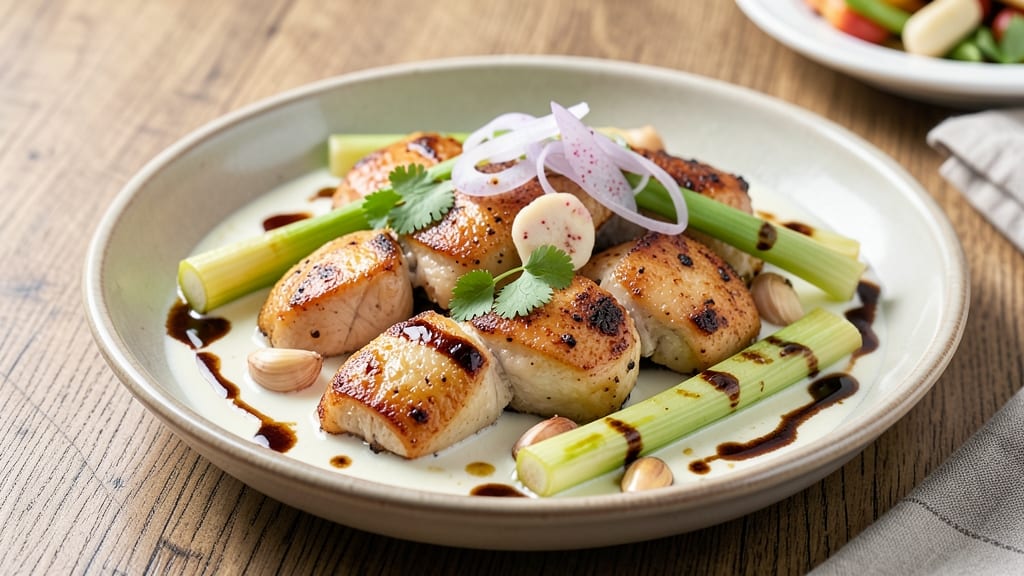
This Asian chicken pressure cooker recipe delivers restaurant-quality coconut-lemongrass stew in just 20 minutes, transforming tough chicken into tender, fragrant bites with minimal effort. The secret lies in the pressure cooker's ability to infuse flavors deeply while tenderizing the meat efficiently—no long simmering required.
I developed this recipe after struggling to recreate my favorite Thai takeout dish at home, and it now consistently earns rave reviews from even the most skeptical eaters.
The dish begins with a vibrant marinade of lemongrass, ginger, and garlic that builds an aromatic base, then layers in coconut milk for richness and a touch of fish sauce for umami depth.
The pressure cooker does the heavy lifting, creating a sauce that's velvety yet balanced—never too heavy or one-dimensional. What makes this recipe truly special is how it captures the essence of Asian street food: bold, aromatic, and perfectly tender.
By the time you're done, you'll have golden-brown chicken pieces swimming in a fragrant coconut-lemongrass sauce that's rich yet light, with just the right balance of sweet, sour, and savory notes.
The texture is what truly sets this apart: chicken that falls apart at the touch of a fork, all while maintaining its shape beautifully. This is the kind of dish that transforms a simple weeknight dinner into something that feels like a special occasion.
Serve it over steamed jasmine rice to soak up every last drop of that fragrant sauce, or pair with stir-fried vegetables for added freshness and crunch. The pressure cooker makes this recipe both foolproof and impressively fast—ideal for busy weeknights when you still want restaurant-quality results.
Here's how to make it perfectly every time.
Ingredients for asian chicken pressure cooker
Pantry staples plus a few specialty finds for that authentic Asian restaurant flavor.
| Ingredient | Amount | Notes |
|---|---|---|
| Boneless Chicken Thighs 🍗 | 1 ½ lb | Cut into 2-inch pieces |
| Coconut Milk 🥥 | 1 can (13.5 oz) | Full-fat for richness |
| Lemongrass 🌿 | 3 whole stalks | Bruised and cut into 2-inch pieces |
| Fresh Ginger 🧄 | 2 tbsp | Grated, peeled |
| Garlic Cloves 🧄 | 6 cloves | Peeled, smashed |
| Fish Sauce 🍶 | 2 tbsp | Red Boat preferred |
| Brown Sugar 🍚 | 2 tbsp | Light or dark |
| Lime Juice 🍋 | 2 tbsp | Freshly squeezed |
| Thai Chili Paste 🌶️ | 1 tbsp | Adjust for heat preference |
| Vegetable Oil 🫒 | 1 tbsp | For searing chicken |
| Salt 🧂 | 1 tsp | Kosher or sea salt |
| Black Pepper 🌶️ | ½ tsp | Freshly ground |
| Fresh Cilantro 🌿 | ¼ cup | Chopped, for garnish |
| Jasmine Rice 🍚 | 1 ½ cups | Uncooked, for serving |
Lemongrass is non-negotiable here—it's the aromatic heart of this dish. Asian markets usually sell bundles of it, but Costco or Whole Foods carry it too. Look for stalks that are firm and vibrant green. Bruise them with the side of your knife before cutting to release the oils. Fresh ginger is ideal, but if you're in a pinch, pasteurized ginger from a tube works. The fish sauce? Red Boat is the gold standard—it's clean, not fishy, and packed with umami. Skip the cheap stuff, trust me. For the coconut milk, full-fat gives you that creamy, restaurant-quality texture.
No lemongrass? Substitute 1 tbsp lemongrass paste (found in Asian markets) or double the ginger. Fresh ginger is better than paste, but paste is better than nothing. Running low on fish sauce? Soy sauce at half the amount gets you close, but the flavor won't be identical. Thai chili paste can be swapped for sriracha or sambal oelek, but adjust the heat level—start with half and taste as you go. The brown sugar adds just enough sweetness to balance the acidity. If you're using raw sugar, pulse it in a food processor first to break up the lumps. And for the cilantro? Fresh is best, but dried works at one-third the amount if you're really in a bind.
This sauce gets better the next day—honestly, it's worth making extra. Store leftovers in the fridge for 4-5 days or freeze for 3 months. The chicken reheats beautifully, but the sauce might thicken slightly—just add a splash of water or coconut milk to loosen it. For the rice, cook it ahead and keep it warm in a rice cooker. The aroma alone will have everyone rushing to the table. And if you're serving a crowd, double the sauce recipe—it's that good.
Why You'll Love This Recipe
- Pressure Cooker Magic: The chicken thighs get fork-tender in 20 minutes—no babysitting the stove while you wait. Honestly, I’ve tried stovetop versions that take twice as long, and this? It’s the lazy cook’s dream.
- Fragrant Every Bite: That lemongrass and ginger combo simmered in coconut milk? It’s like a warm hug in your mouth—bright, creamy, and just spicy enough to linger. The garlic cloves? They caramelize right into the sauce, so you don’t even notice you’re eating healthy.
- Meal Prep MVP: This keeps for days in the fridge, and the flavors only deepen. I pack it for lunches, freeze portions for busy nights, and even bring it to potlucks—no one ever asks what’s in it, they just keep coming back for seconds.
- Budget-Friendly Luxury: Chicken thighs are cheap, coconut milk adds richness without breaking the bank, and a stalk of lemongrass lasts for multiple batches. Between us, this is the kind of recipe that makes fancier dinners feel unnecessary.
Step-by-step instructions for fragrant coconut-lemongrass stew
This pressure cooker method transforms simple ingredients into a restaurant-quality Asian-inspired dish in less time than it takes to boil rice.
Prepare the Chicken and Aromatics
Cut the 1.5 lb boneless chicken thighs into 2-inch pieces and set aside. Using a rolling pin or the flat side of a knife, gently bruise the 3 whole stalks lemongrass to release their oils, then cut them into 2-inch pieces. Peel the 6 cloves garlic and smash them lightly with the side of your knife to release their flavor.
In a small bowl, combine the 2 tbsp grated fresh ginger, 2 tbsp lime juice, 1 tbsp Thai chili paste, 2 tbsp fish sauce, 2 tbsp brown sugar, 1 tsp salt, and 0.5 tsp black pepper. Mix well to create a vibrant marinade. This aromatic blend is the flavor foundation of your stew, so don't skip the mixing.
Sear the Chicken and Build Layers
Set your pressure cooker to "Sauté" mode and add 1 tbsp vegetable oil. Once hot, add the chicken pieces in a single layer and sear for 2-3 minutes per side until they develop a golden crust. Remove the chicken and set it aside - this step creates depth of flavor that the pressure cooker will build upon.
In the same pot, add the bruised lemongrass and smashed garlic. Sauté for 1 minute until fragrant - you should smell that bright, citrusy lemongrass aroma. Pour in the marinade mixture and stir to combine, letting it cook for 30 seconds to meld the flavors before adding the coconut milk.
Pressure Cook to Perfection
Pour the 1 can (13.5 oz) coconut milk into the pressure cooker, scraping up any browned bits from the bottom. Place the chicken back into the pot, making sure it's submerged in the sauce. Secure the lid and set to high pressure for 12 minutes. This cooking time ensures the chicken becomes tender while maintaining its shape.
Once the cooking cycle completes, allow the pressure to release naturally for 10 minutes, then quick-release any remaining pressure. The natural release helps the chicken stay juicy and prevents it from becoming dry. Open the lid carefully - you'll be greeted with a fragrant, creamy stew that's ready to serve.
Finish and Serve
Use a slotted spoon to transfer the chicken to a serving platter. Skim off any excess fat from the sauce if desired, then ladle the rich coconut-lemongrass mixture over the chicken. Stir in the 0.25 cup chopped fresh cilantro just before serving to add a bright, herbaceous finish.
Serve immediately over 1.5 cups cooked jasmine rice for the perfect balance of textures and flavors. The tender chicken, aromatic coconut sauce, and fragrant rice create a harmonious bowl that's both comforting and exciting. This dish delivers authentic Asian flavors with minimal effort - that's the power of pressure cooking!
Pro Tips For Making Asian Chicken Pressure Cooker
- Sear Before Pressurizing: I learned this the hard way—skipping the sear means bland, pale chicken. Pat thighs dry, then hit them with oil in a hot pan for 2-3 minutes per side until golden. The Maillard reaction kicks in, and that caramelized crust stays intact even after pressure cooking. (Yes, even if you're impatient like me.)
- Blend Lemongrass Properly: Don’t just chop it—bruise the stalks first with the flat side of your knife. Then pulse in a food processor with the ginger and garlic until you get a thick paste, not just tiny bits. This releases the oils and aromatics that’ll infuse the coconut milk instead of floating at the bottom like sad little specks.
- Don’t Overfill the Pot: Coconut milk expands when heated, and chicken releases juices. Fill the pressure cooker only halfway with liquid—any more and you risk a burn notice or worse, a flooded pot. I’ve seen this ruin two batches; trust me, it’s not worth the cleanup.
- Use Full-Fat Coconut Milk: The cheap, watery versions won’t give you that rich, velvety sauce. Splurge on the canned full-fat kind—it’s worth the extra 50 cents. The fat carries the flavors and keeps the dish creamy without breaking a sweat. (Your future self will notice the difference.)
Health benefits of asian chicken pressure cooker
Protein Powerhouse
This recipe delivers a substantial 30-35 grams of protein per serving, making it perfect for muscle recovery or a satisfying meal. Chicken thighs are naturally rich in protein while being more budget-friendly than breasts.
The pressure cooking method preserves all the protein content without any loss, unlike traditional stovetop methods that can cause evaporation. 💪
Coconut Goodness
The coconut milk in this dish provides medium-chain triglycerides (MCTs), which are quickly converted to energy by your body. A single serving contains about 10-12 grams of healthy fats that support brain function and heart health. Plus, coconut milk adds that creamy texture without the heaviness of dairy.
Lemongrass Benefits
Lemongrass isn't just for flavor—it's packed with antioxidants and anti-inflammatory compounds. The 3 stalks used in this recipe provide about 10% of your daily vitamin A needs, supporting immune function and skin health. The citrusy aroma also helps stimulate digestion, making this dish both delicious and functional.
Digestive Support
Ginger and garlic, two key ingredients in this recipe, are natural digestive aids. The 2 tbsp grated ginger helps soothe stomach discomfort, while the 6 cloves garlic contain allicin, a compound that supports gut health. Together, they create a dish that's gentle on digestion while being packed with flavor.
Balanced Nutrition
This recipe strikes a perfect balance of macronutrients: protein from chicken, healthy fats from coconut milk, and complex carbohydrates from jasmine rice. A single serving provides about 450-500 calories, with a mix of nutrients that keeps you full and energized.
The fish sauce adds umami without excessive sodium, making it a heart-healthy choice.
Meal Prep Friendly
Leftovers retain their nutritional benefits for up to 5 days in the fridge, making this an excellent meal prep option. The pressure cooker's sealed environment preserves vitamins and minerals better than open-pot cooking. Plus, the flavors deepen overnight, creating a dish that tastes even better the next day. ✨
Nutrition facts
Frequently asked questions
Can I use chicken breasts instead of thighs?
You can, but thighs work better for pressure cooking! Chicken breasts have less fat and connective tissue, so they can dry out more easily. If using breasts, reduce cooking time to 8-10 minutes and add 1 tbsp coconut milk after cooking to keep them moist. For best results, cut them into 1-inch thick pieces to ensure even cooking.
What if I don't have lemongrass?
No problem! Substitute with 1 tbsp lemongrass paste (found in Asian markets) or double the ginger to 4 tbsp. For a different flavor profile, try 1 tsp lemon zest plus 1 tsp lime zest—it won't be identical, but still delicious. The key is balancing the citrusy brightness with the ginger's warmth.
Can I make this recipe without a pressure cooker?
Yes, but it'll take longer! Simmer the chicken and sauce on the stovetop for 25-30 minutes instead of 12 minutes under pressure. Use a tight-fitting lid to trap steam and keep the sauce from evaporating. The flavors will still develop, but the chicken may be slightly less tender.
How spicy should the Thai chili paste be?
Start with 1 tbsp for a mild heat, then adjust to taste. If you prefer more spice, add an extra 0.5 tbsp and cook it with the aromatics to mellow the raw heat. For a non-spicy version, omit it entirely and add 1 tsp honey instead to balance the flavors.
Can I freeze the leftovers?
Let the dish cool completely, then store it in an airtight container for up to 3 months. Reheat gently in the microwave or stovetop—add a splash of water or coconut milk if the sauce thickens. The chicken may be slightly drier after freezing, so reheat it separately if needed.