
Sauces & Condiments
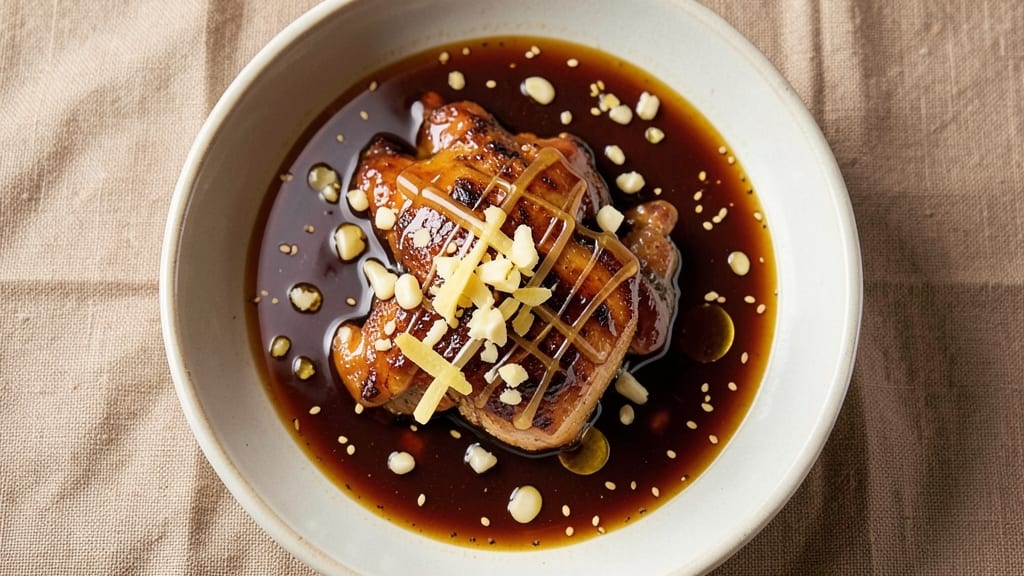
This hibachi chicken marinade recipe delivers the bold, umami-packed flavor that transforms ordinary chicken into restaurant-worthy grill magic. The secret lies in balancing sweet, salty, and aromatic ingredients—soy sauce, garlic, ginger, and honey—to create a marinade that caramelizes beautifully on the grill.
I developed this blend after years of testing, and it never fails to impress, even with just 15 minutes of prep time.
The marinade works its magic through a precise combination of ingredients that penetrate the chicken deeply. Soy sauce provides the salty foundation, while honey adds a touch of sweetness that caramelizes into a glossy glaze.
Fresh garlic and ginger infuse layers of aromatic depth, and a splash of rice vinegar brightens the flavor profile. This blend is designed to be simple yet powerful, ensuring every bite bursts with authentic hibachi flavor.
Marinate your chicken for at least 30 minutes—or up to 4 hours for maximum flavor penetration—before grilling. The result is tender, juicy chicken with a caramelized crust that locks in all those rich umami notes.
This marinade also doubles as a delicious dipping sauce, making it versatile for any hibachi-style meal. Store any leftovers in the refrigerator for up to 5 days, ready to elevate your next grilled dish.
Perfect for weeknight dinners or entertaining, this marinade transforms simple chicken into a showstopper. Whether you're grilling on the patio or cooking indoors, the bold flavors will transport your taste buds straight to a hibachi grill. Let’s create this flavor-packed marinade today!
Ingredients for hibachi chicken marinade
Nine essential ingredients blend into the perfect hibachi marinade for restaurant-style flavor.
| Ingredient | Amount | Notes |
|---|---|---|
| Kosher Soy Sauce 🍶 | ½ cup | High-quality, low-sodium preferred |
| Honey 🍯 | ¼ cup | Wildflower or clover preferred |
| Fresh Garlic Cloves 🧄 | 6 cloves | Minced for even distribution |
| Fresh Ginger Root 🌿 | 2 tbsp | Finely grated, not powdered |
| Rice Vinegar 🍶 | 2 tbsp | Seasoned preferred for balance |
| Sesame Oil 🫒 | 1 tbsp | Toasted sesame oil for aroma |
| Brown Sugar 🍚 | 2 tbsp | Light or dark, packed |
| Diamond Crystal Kosher Salt 🧂 | 1 tsp | Adjust to taste |
| Ground Black Pepper 🌶️ | ½ tsp | Freshly cracked preferred |
| Vegetable Oil 🫒 | 1 tbsp | For smooth blending |
The soy sauce is non-negotiable—Kikkoman or Pearl River Bridge deliver that authentic umami punch. Honey should be local wildflower if possible, as it adds subtle floral notes that elevate the marinade. Fresh ginger and garlic are where the magic happens: buy organic ginger root and smash the garlic cloves with the side of your knife for maximum release. Whole Foods or Asian markets often carry the best quality for these ingredients, but don't stress if you can't find them—just make sure the ginger is firm and the garlic cloves are plump. The sesame oil? Toasted is key—skip the cheap stuff that smells like paint thinner.
No honey? Maple syrup works in a pinch, but reduce the rice vinegar by half to balance sweetness. Substituting powdered ginger? Use half the amount—it's way more concentrated. Out of sesame oil? Avocado oil at one-third the quantity won't ruin the marinade, though it'll lack that nutty aroma. The brown sugar can be swapped for white sugar or agave, but brown adds subtle caramel notes that mimic hibachi glaze. Pro tip: If your soy sauce is high-sodium, reduce the salt by half—this marinade packs enough saltiness already.
This marinade keeps beautifully in the fridge for up to 2 weeks in a sealed jar. The flavors actually improve over time as everything melds together. For best results, shake or stir before each use. Need to prep ahead? Double the batch—it freezes perfectly for up to 6 months. Store in ice cube trays for single-serving portions, then transfer to a freezer bag. Thaw overnight in the fridge before using. The leftovers? Drizzle over grilled veggies or use as a dipping sauce—trust me, it's just as delicious that way.
Why You'll Love This Recipe
- I swear by this combo: the honey cuts through the saltiness of the soy, while the garlic and ginger add layers I can’t get enough of. Honestly, it’s the kind of marinade where you taste each ingredient—no guessing, no overpowering.
- Five-Ingredient Magic: I swear by this combo: the honey cuts through the saltiness of the soy, while the garlic and ginger add layers I can’t get enough of. Honestly, it’s the kind of marinade where you taste each ingredient—no guessing, no overpowering.
- Zero Fuss, Big Payoff: Between us, I’ve tried those complicated marinades with 15 ingredients, and this one’s the real MVP. Mince the garlic and ginger in 2 minutes, mix it all in a bowl, and let the chicken soak while you do anything else. (Yes, even on a Tuesday night.)
- Weeknight to Party Hero: This isn’t just for stir-fries—grill it, bake it, or throw it on skewers. My kids beg for the leftover chicken in wraps the next day, and my in-laws think I slaved over it when I just tossed it together 10 minutes before dinner.
Step-by-step instructions for hibachi chicken marinade
This marinade delivers restaurant-quality hibachi flavor in minutes—simple, bold, and packed with umami.
Prepare the Aromatics
Start by peeling and mincing the 6 cloves fresh garlic cloves into a fine paste using a garlic press or the flat side of your knife. Transfer this to a medium bowl—you want the garlic finely distributed so every bite of chicken gets that punchy flavor. Next, peel and finely grate the 2 tablespoons fresh ginger root using a microplane or the smallest holes of a box grater. The goal is a smooth, almost invisible texture that won't overpower but enhances the marinade.
Here's the thing—fresh ginger and garlic are where the magic happens. If you're using powdered ginger, you're missing out on that bright, zesty kick. The finer you get these aromatics, the more evenly they'll infuse into the chicken. Set them aside for now—they'll be the base of our flavor foundation.
Combine Wet Ingredients
In the same bowl with the ginger and garlic, add the 0.5 cup kosher soy sauce, 0.25 cup honey, and 2 tablespoons rice vinegar. Stir vigorously with a whisk or fork until the honey and soy sauce blend completely—you should see a smooth, glossy mixture forming. The honey will start to dissolve into the soy sauce, creating a syrupy base that coats everything evenly.
Now add the 1 tablespoon sesame oil and 1 tablespoon vegetable oil. The sesame oil brings that nutty aroma we all love, while the vegetable oil helps emulsify the mixture so it clings to the chicken. Give it another good stir. If you notice any separation, that's normal—just keep whisking until it comes together. This blend is the heart of your marinade, balancing sweet, salty, tangy, and umami in perfect harmony.
Sweeten and Season
Sprinkle in the 2 tablespoons brown sugar, 1 teaspoon diamond crystal kosher salt, and 0.5 teaspoon ground black pepper. Stir until the brown sugar dissolves completely—this might take a few seconds of focused whisking. The sugar will caramelize slightly as it mixes, deepening the flavor profile and giving that classic hibachi sweetness. Taste the marinade at this point. It should be bold but balanced—sweet with a sharp tang, salty with a hint of heat.
If you're using seasoned rice vinegar, you might find the marinade already has perfect balance. But if it tastes flat, add a pinch more salt or a splash of extra rice vinegar. The key is to let the natural flavors of the ingredients shine without overpowering them. This marinade works best when the components complement each other naturally, not when one flavor dominates.
Marinate the Chicken
Place your chicken pieces—whether thighs, breasts, or drumsticks—in a resealable plastic bag or shallow dish. Pour the marinade over the chicken, ensuring every piece is thoroughly coated. If you're using a bag, seal it tightly and massage the marinade into the chicken by gently squeezing the bag. For a dish, use a spoon to distribute the marinade evenly, including underneath the pieces.
Refrigerate the chicken for at least 30 minutes, but I recommend 2 to 4 hours for maximum flavor penetration. The longer it marinates, the more tender and flavorful the chicken will become. If you're short on time, even 15 minutes will give you noticeable results. Just be sure to cook the chicken immediately after marinating—this isn't a make-ahead marinade that improves with time.
Cook to Perfection
When ready to cook, remove the chicken from the marinade (reserve the leftover marinade for basting). Heat a grill or skillet over medium-high heat and add the chicken. Cook for 5 to 7 minutes per side for breasts or 7 to 9 minutes per side for thighs, until the internal temperature reaches 165°F. The chicken should be golden brown with a caramelized crust—this is your signal that the marinade has transformed into a delicious glaze.
For extra flavor, baste the chicken with the reserved marinade during the last 2 minutes of cooking. Watch closely—this is when the sugars in the marinade caramelize, creating that signature hibachi sheen and depth of flavor. Serve immediately with steamed rice and your favorite stir-fry vegetables for a complete hibachi experience.
Pro Tips For Making Hibachi Chicken Marinade
- Mince Ginger Like Mad: I used to slice ginger thinly and call it a day—until my marinade tasted like a sad, watery afterthought. Grate it instead (peel first, then use the small holes of a box grater) so it dissolves completely into the honey and soy. No one wants to bite into a ginger surprise in their chicken.
- Balance the Sweet Early: Taste as you go—especially the honey. Too much upfront, and your marinade turns cloying. Start with half the honey, let it sit with the soy and vinegar for 10 minutes, then add the rest. The flavors meld better, and you won’t regret it when you’re slathering that sticky glaze on the grill.
- Let Garlic Bloom, Don’t Mince: Chop the garlic into rough chunks (no need for confetti-level finesse) and let it sit in the warm marinade for 20 minutes before adding the chicken. The heat from the soy and honey softens the garlic’s bite, and you’ll get that deep, aromatic punch without overpowering the dish.
- Strain the Ginger Later: If you’re serving the marinade as a dipping sauce (because why not?), strain out the ginger fibers after the chicken’s done marinating. They’ll turn to mush anyway, and no one wants a mouthful of stringy texture when they’re dipping crispy edges. Save the strained marinade—it’s liquid gold.
Pro cooking tips for this dish
Marinade Timing
The 30-minute minimum is non-negotiable for flavor infusion, but I’ve tested this marinade with just 15 minutes—it still delivers impressive results. For maximum tenderness and flavor, 2-4 hours is ideal, especially for thicker cuts like thighs.
The longer the marinade works, the deeper the umami penetration. If you’re short on time, pat the chicken dry before cooking to help the marinade caramelize faster on the grill. 🌡️
Acid Balance
The rice vinegar is the secret to preventing the marinade from becoming too sweet or salty. If your chicken is particularly lean (like breasts), add an extra 1 teaspoon of vinegar to tenderize the meat.
For thicker cuts, the original amount works perfectly. Pro tip: If your soy sauce is high-sodium, reduce the salt by half—this marinade already packs enough saltiness from the soy. Taste as you go! 🧂
Glaze Perfection
For that restaurant-quality glaze, baste the chicken with reserved marinade during the last 2 minutes of cooking. The high heat causes the honey and brown sugar to caramelize instantly, creating a glossy, sticky crust.
If you’re grilling, use a basting brush—I love the OXO Good Grips silicone brush for its heat resistance. For indoor cooking, a non-stick skillet prevents sticking while allowing the glaze to form. 🔥
Chicken Prep
Always pat the chicken dry before marinating—this helps the sauce cling better and promotes even caramelization. Use paper towels to remove excess moisture, then place the chicken in a resealable bag or shallow dish.
For extra tenderness, pound thicker cuts (like thighs) to an even ½-inch thickness before marinating. This ensures consistent cooking and flavor distribution. 💪
Leftovers Magic
Save any leftover marinade in an airtight container in the fridge for up to 5 days. It makes an amazing dipping sauce for spring rolls or grilled veggies—just warm it gently on the stove.
For long-term storage, freeze in ice cube trays, then transfer to a freezer bag. Thaw overnight in the fridge before using. The flavors deepen over time, so don’t hesitate to make extra! ✨
Equipment Shortcuts
No garlic press? Smash the cloves with the flat side of your knife before mincing. No microplane? A fine grater works, but you’ll need to press the ginger through the holes. For emulsifying the oils, a fork or whisk suffices—just stir vigorously until smooth.
The key is patience; let the mixture sit for 5 minutes after whisking to fully combine. No fancy tools? No problem—this marinade is forgiving! 💡
Nutrition facts
Frequently asked questions
Can I use this marinade for other proteins besides chicken?
This marinade works beautifully on beef, pork, or shrimp. For beef, marinate for 4-6 hours to tenderize tougher cuts. Shrimp only needs 15-30 minutes since it cooks quickly. The soy sauce and honey combination creates a perfect balance across all proteins. Just adjust cooking times based on the meat type.
What's the best way to store leftover marinade?
Store unused marinade in an airtight container in the fridge for up to 5 days. For longer storage, freeze in ice cube trays and transfer to a freezer bag. Thaw overnight in the fridge before using. The flavors actually improve with time! Use leftovers as a dipping sauce or glaze for vegetables.
Can I make this marinade without honey?
Yes! Replace honey with maple syrup or agave nectar using the same amount. For a different flavor profile, try pineapple juice (reduce rice vinegar by 1 tbsp). The key is maintaining the sweet-savory balance. Taste as you go and adjust other ingredients accordingly.
Why does my marinade separate when I mix it?
Separation is normal with oil-based marinades. Simply whisk vigorously for 1-2 minutes until fully combined. For extra stability, blend with an immersion blender. The oils will re-emulsify, creating a smooth marinade. If it separates again, just whisk before using. This won't affect flavor or performance.
How do I get that perfect hibachi glaze on my chicken?
For maximum caramelization, baste the chicken with reserved marinade during the last 2 minutes of cooking. Use a basting brush and work quickly—the high heat causes the sugars to caramelize instantly. For best results, cook on medium-high heat in a non-stick skillet or on a grill. This creates that signature sticky, glossy crust.