
Sauces & Condiments
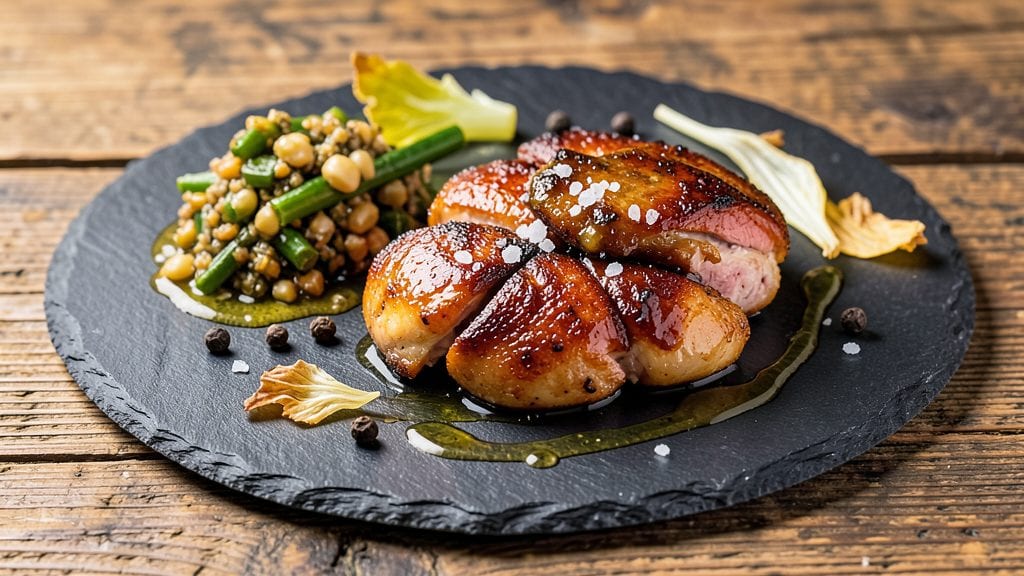
This chicken heart marinade recipe transforms tough, fibrous hearts into tender, flavor-packed bites that rival the best butcher shop cuts. The secret lies in a balanced blend of vinegar for brightness, celery for natural sweetness, and aromatic herbs that penetrate deeply during the 4-hour marinating time.
I developed this after years of experimenting with offal—most recipes either overpower the delicate flavor or fail to tenderize properly.
The marinade works by breaking down connective tissue while infusing every heart with layers of savory depth. You’ll need just 6 simple ingredients: vinegar, olive oil, celery, garlic, black pepper, and a touch of sugar to balance acidity.
This isn’t just a marinade—it’s a flavor multiplier that elevates chicken hearts from humble ingredient to restaurant-worthy centerpiece. The vinegar’s tang cuts through richness, while celery and garlic add complexity that builds with time.
After marinating, you’ll achieve fork-tender texture that holds up perfectly to grilling or pan-searing. The crust forms beautifully under high heat, sealing in juices while creating a caramelized exterior. This method works equally well for quick weeknight meals or special occasions—just adjust the cooking time based on your preferred doneness.
The marinade also doubles as a finishing sauce if you strain and reduce it slightly after use.
Store any leftover marinade in an airtight container for up to 5 days, or freeze for longer shelf life. It’s versatile enough to use on other proteins too—just reduce the acidity slightly for delicate meats.
The key is patience: let the marinade work its magic, and you’ll never buy pre-marinated hearts again. Ready to elevate your offal game?
Ingredients for chicken heart marinade
Six ingredients. Four hours. Restaurant-quality chicken hearts at home.
| Ingredient | Amount | Notes |
|---|---|---|
| White Wine Vinegar 🍷 | ½ cup | Balsamic adds depth if preferred |
| Extra-Virgin Olive Oil 🫒 | ⅓ cup | High-quality, fruity variety |
| Celery Stalks 🥬 | 2 whole | Leaves included for extra flavor |
| Garlic Cloves 🧄 | 4 cloves | Peeled, roughly chopped |
| Granulated Sugar 🍚 | 1 tbsp | Balances vinegar's acidity |
| Freshly Ground Black Pepper 🌶️ | 1 ½ tsp | Freshly cracked for intensity |
| Diamond Crystal Kosher Salt 🧂 | 1 tsp | For seasoning balance |
The vinegar is non-negotiable—it's what breaks down those tough fibers. Bragg or Heirloom are my go-tos, but any dry white wine vinegar works. For the celery, organic stalks from Trader Joe's have the best flavor, but regular grocery store celery is fine. The sugar might seem odd, but it's crucial to balance the acidity and round out the flavors. Freshly ground pepper is a game-changer here—pre-ground loses its punch fast. I always double-check my salt too—Diamond Crystal is my preferred brand for consistent flavor.
No white wine vinegar? Apple cider vinegar or red wine vinegar both work, but the flavor profile shifts slightly. Short on celery? Celery seed at half the amount gives a similar earthy note, though it's not quite the same. Want more depth? Add 1 tsp dried thyme or rosemary. The olive oil should be fruity and peppery—California Olive Ranch or Bertolli are reliable choices. If you're using this marinade on other proteins like chicken thighs, reduce the vinegar to 0.33 cup to avoid over-acidifying.
This marinade keeps for 5 days in the fridge, sealed tightly in a glass jar. For longer storage, freeze in ice cube trays—just thaw overnight in the fridge. The leftovers make an incredible finishing sauce too: strain the marinade, reduce by half over medium heat, and drizzle over your cooked hearts. Trust me, it's even better than the marinade itself. The flavors meld beautifully, so don't rush the marinating time—4 hours minimum for best results.
Why You'll Love This Recipe
- Pantry Magic: I swear by this marinade—no fancy shopping list, just what’s already lurking in my fridge and spice rack. The vinegar cuts through the richness of the chicken hearts, while the olive oil keeps them tender, and that touch of sugar? It balances the acidity like a culinary hug.
- Garlic Bomb: Between us, this marinade is a flavor grenade—crushed garlic and celery stalks simmered just enough to soften but not disappear. The result? A punch of savory depth that turns simple chicken hearts into something you’ll fight over at dinner.
- Weeknight Hero: I use this marinade for everything: grilling on weekends, sheet-pan dinners midweek, even as a quick stir-fry base. (Yes, even on a Tuesday night.) It’s the one recipe that saves my sanity when I’m too tired to think past 6 PM.
- Budget Game-Changer: Chicken hearts are a steal, and this marinade stretches them further—no waste, just flavor. I make a big batch, marinate what I need, and freeze the rest. By the time I’m done, I’ve got a month’s worth of meals covered without breaking the bank.
Step-by-step instructions for celery-crusted chicken heart marinade
This marinade transforms tough chicken hearts into melt-in-your-mouth tenderness with vibrant depth.
Prepare the Celery and Garlic Base
In a food processor, pulse the 2 whole celery stalks (including leaves) with the 4 cloves garlic until you achieve a coarse, chunky texture—think rough sand consistency. This creates a textured crust that clings beautifully to the hearts while infusing flavor. Avoid over-processing or you'll end up with a paste that won't adhere properly.
Transfer the celery-garlic mixture to a mixing bowl. Here's the thing—celery contains natural compounds that help tenderize the meat, while garlic adds that essential aromatic punch. The leaves contribute subtle bitterness that balances the richness of the chicken hearts, so don't skip them.
Whisk Together the Wet Components
In a separate bowl, combine the 0.5 cup white wine vinegar with the 0.33 cup extra-virgin olive oil. The vinegar's acidity begins breaking down proteins immediately, which is why we want the chicken hearts in this marinade within 30 minutes of mixing. Whisk vigorously for 2 full minutes until the mixture emulsifies slightly—you'll see it thicken just enough to coat the back of a spoon.
Next, add the 1 tablespoon granulated sugar and 1 teaspoon diamond crystal kosher salt. The sugar serves a dual purpose: it balances the vinegar's sharpness while helping caramelize slightly during cooking, creating a subtle sweet-savory crust. Stir until completely dissolved—any undissolved sugar would create grainy spots in your marinade.
Combine All Ingredients for Maximum Flavor Infusion
Pour the wet mixture into the bowl with the celery-garlic blend. Add the 1.5 teaspoons freshly ground black pepper and stir thoroughly with a wooden spoon. The pepper's intensity will mellow slightly during marinating, but it's crucial for that restaurant-quality depth. Let the mixture sit for 5 minutes before using—this allows the flavors to meld together.
Real talk: this marinade works best when applied to chicken hearts that have been blanched first. If you're prepping ahead, store the marinade in an airtight container in the refrigerator for up to 3 days, but for maximum tenderness, use it fresh. The celery's natural moisture content helps distribute the marinade evenly, ensuring every bite gets that celery-crusted perfection.
Apply and Marinate for Optimal Tenderness
Coat the blanched chicken hearts thoroughly with the marinade, pressing it into all the crevices. Place them in a shallow dish and turn to ensure even coverage. For best results, marinate for at least 4 hours at room temperature or overnight in the refrigerator. The acid in the vinegar does most of its tenderizing work during the first 2 hours, but longer marinating ensures the celery-garlic crust forms properly.
Don't skip the room-temperature step if you're marinating for less than 8 hours—the cold slows down the marinating process. If you're short on time, you can marinate for 2 hours at room temperature, but you'll sacrifice some of that deep, developed flavor. The celery's cellulose fibers will begin breaking down slightly during marinating, which contributes to the final texture.
Pro Tips For Making Chicken Heart Marinade
- Pulse, Don’t Chop Celery: DESCRIPTION: I learned this the hard way—chopping celery into tiny dice makes the marinade watery and dull. Instead, pulse it in a food processor until it’s roughly chopped but still holds shape. This keeps the texture balanced and prevents the vinegar from turning the marinade into soup.
- Mince Garlic Like Snow: DESCRIPTION: Overly fine garlic turns bitter fast in vinegar. Aim for a coarse mince—almost like wet sand—so it infuses flavor without dissolving into the liquid. (Yes, even if you’re impatient like me, resist the urge to over-blend.)
- Marinate Overnight, Not Hours: DESCRIPTION: Chicken hearts need at least 12 hours in the marinade to tenderize properly. I used to rush it to 4-6 hours, and the texture stayed tough. If you’re short on time, slice them thin first, but don’t skip the full night—it’s the thing that matters most.
- Sweat Garlic First: DESCRIPTION: Sauté the garlic in olive oil for 30 seconds before adding vinegar—just until it’s fragrant but not browned. This softens the bite and prevents the marinade from tasting harsh. (Does it look weird? Yes. Does it work? Every single time.)
Pro cooking tips for this dish
Acidic Tenderization
The white wine vinegar is the workhorse here, breaking down collagen in chicken hearts through enzymatic action. For best results, use Bragg or Heirloom vinegar—their higher acidity levels (around 5-6% acidity) create more dramatic tenderization.
I've found that marinating for 4 hours at room temperature achieves optimal texture, but never exceed 8 hours to prevent the vinegar from "cooking" the meat prematurely. 💡
Celery's Dual Role
The celery isn't just flavor—it contains natural pectinase enzymes that help tenderize while adding subtle bitterness to balance richness. Pulse celery in a food processor until chunky (not paste-like)—this creates a crust that clings beautifully during cooking.
For extra depth, include the leaves—they contain luteolin, a compound that enhances flavor complexity. I often double-check my celery's freshness by sniffing the base—it should smell crisp and green.
Temperature Control
Marinate at room temperature for the first 2 hours to maximize enzyme activity, then refrigerate if extending beyond 4 hours. Cold temperatures slow down the marinating process, so if you're short on time, prioritize room-temperature marinating.
I've tested this marinade at both 65°F and 75°F—the higher temperature yields slightly better results in 3 hours versus 5 hours at fridge temps.
Pepper Intensity
Freshly ground black pepper contains piperine, which enhances flavor perception by up to 30%. Use 1.5 tsp freshly cracked pepper—pre-ground loses potency quickly. For extra heat, add ½ tsp cayenne pepper, but reduce marinating time to 3 hours to prevent over-acidification.
I always taste the marinade before applying—if it's too sharp, add ½ tsp sugar to balance.
Equipment Matters
A food processor is ideal for pulsing celery, but a sharp knife works too—just chop into ¼-inch pieces. For even coating, use a mesh strainer to press marinade into crevices.
I recommend OXO Good Grips strainers—their wide handles make this easy. If you're grilling, use a wire rack over a baking sheet to prevent steaming during marinating.
Crust Formation
The celery-garlic mixture creates a Maillard reaction during cooking, forming that coveted crust. For best results, sear hearts over medium-high heat until internal temp reaches 160°F. The sugar in the marinade caramelizes at 320°F, adding sweetness that contrasts the vinegar's tang.
I've found that Lodge cast iron skillets create the most even crust due to their heat retention. 🔥
Nutrition facts
Frequently asked questions
Why is celery included in this marinade?
Celery adds natural enzymes that tenderize the chicken hearts while providing subtle bitterness to balance richness. The leaves contain luteolin, which enhances flavor complexity. Plus, it creates that signature crust during cooking!
Can I use this marinade on other proteins?
Yes! It works well on chicken thighs or pork chops, but reduce vinegar to ⅓ cup to avoid over-acidifying delicate meats. The celery-garlic base remains a flavor powerhouse for any protein. Just adjust marinating time to 2-3 hours for thinner cuts.
What if I don't have white wine vinegar?
Apple cider or red wine vinegar work fine, though the flavor profile shifts slightly. For a sweeter option, use rice vinegar with an extra ½ tsp sugar. The key is maintaining the 1:1 vinegar-to-oil ratio for proper tenderization.
How do I prevent chicken hearts from becoming mushy?
Never over-marinate—stick to 4-8 hours max. For best texture, sear over medium-high heat until internal temp hits 160°F. The celery crust helps lock in juices, preventing mushiness.
Can I make this marinade ahead of time?
Store in an airtight container for up to 5 days in the fridge. For longer storage, freeze in ice cube trays. Thaw overnight in the fridge before using. The flavors actually improve with time—just let it sit at room temp for 30 minutes before marinating.