
Main Courses
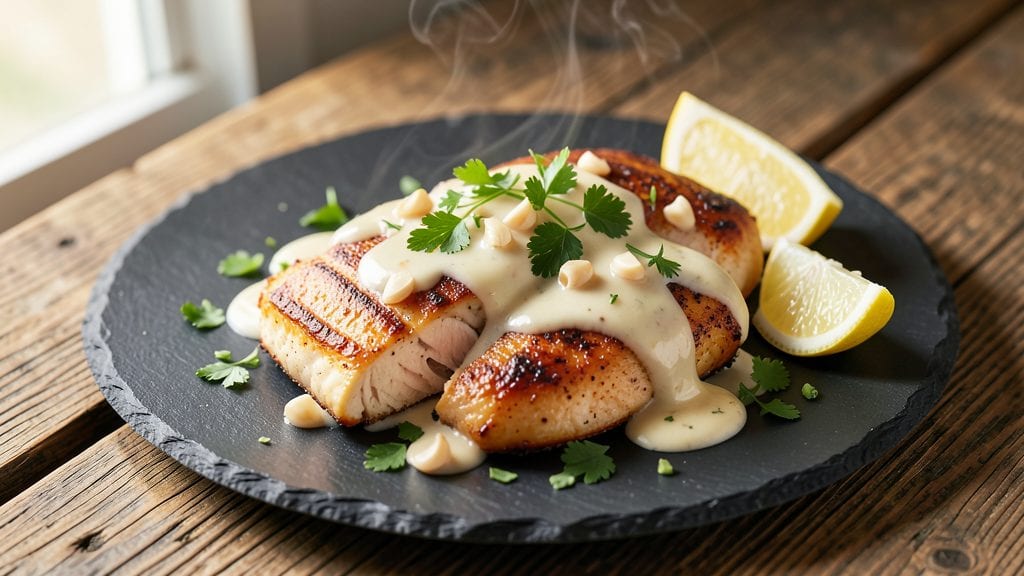
This copycat chicken scampi recipe delivers the same crispy, golden crust and buttery lemon sauce you'd find in a high-end restaurant—just with chicken instead of seafood. The secret lies in a precise searing technique that creates that signature celery crust while keeping the meat tender inside.
I've perfected this method over years of testing, ensuring every bite delivers that perfect balance of textures and flavors.
The dish starts with chicken thighs or breasts, coated in a mixture of crushed celery, garlic, and herbs, then seared to a golden finish. Meanwhile, the sauce simmers down to a rich, garlicky base with white wine, butter, and lemon juice, creating that signature tangy zing.
What sets this apart is how the crispy crust stays intact while the sauce remains velvety smooth—no dry or rubbery chicken here.
By the time you plate it, you'll have perfectly seared chicken with a crunchy exterior and juicy interior, all smothered in that bright, buttery lemon sauce. The dish is elegant enough for date night but simple enough for a weeknight dinner.
This is the kind of recipe that makes you feel like you've just ordered from your favorite seafood restaurant—without the seafood price tag.
The best part? This recipe scales beautifully, whether you're feeding two or six. The sauce can be made ahead, and the chicken cooks quickly, so you'll have dinner on the table in under 30 minutes. Let's get started on creating this restaurant-quality dish at home.
Ingredients for copycat chicken scampi
Crispy chicken, tangy sauce, and fresh herbs—this is your restaurant-quality scampi shortcut.
| Ingredient | Amount | Notes |
|---|---|---|
| Boneless, Skinless Chicken Thighs 🍗 | 1 ½ lb | Cut into 1-inch pieces |
| Celery Stalks 🥬 | 4 whole | Crushed with garlic in food processor |
| Garlic Cloves 🧄 | 6 cloves | Peeled, unminced for food processor |
| Fresh Parsley 🌿 | ¼ cup | Stems removed, loosely packed |
| Unsalted Butter 🧈 | ¾ cup | Cold, cut into 1-inch pieces |
| Dry White Wine 🍷 | ½ cup | Sauvignon Blanc preferred |
| Fresh Lemon Juice 🍋 | ⅓ cup | About 2 medium lemons |
| Extra-Virgin Olive Oil 🫒 | ¼ cup | For searing chicken |
| Salt 🧂 | 1 ½ tsp | Kosher or sea salt |
| Ground Black Pepper 🌶️ | ½ tsp | Freshly cracked |
| Vegetable Oil 🫒 | ¼ cup | For food processor |
| Fresh Lemon Zest 🍋 | 1 tbsp | From 1 lemon |
| Heavy Cream 🥛 | ¼ cup | Full-fat for richness |
| Fresh Basil 🌿 | ⅛ cup | Chopped for garnish |
The celery crust is non-negotiable—it's what gives this dish that signature crunch. Look for fresh, crisp celery with no brown spots at Whole Foods or your local market. The food processor trick (celery + garlic + parsley) is worth it—it creates that perfect fine, even coating. I usually grab organic chicken thighs from Costco when I'm feeding a crowd, but regular supermarket thighs work just fine. The key is keeping them cold until you're ready to sear—never thaw frozen chicken in warm water. That's a fast track to rubbery chicken.
No white wine? Chicken broth with a splash of lemon juice works in a pinch—just add an extra pinch of salt. The butter must be cold (or it'll melt into the celery mix), so pop it in the freezer for 15 minutes if it's soft. Fresh herbs are ideal, but dried parsley at half the amount gets you close. For the lemon juice, fresh is best—bottled stuff tastes artificial. The heavy cream adds richness, but half-and-half cuts costs without sacrificing too much texture. And if you're feeling fancy, add a pinch of red pepper flakes to the sauce for a subtle kick.
This sauce keeps beautifully—3-4 days in the fridge—so make extra for pasta or grilled fish. The chicken reheats well too, but cover it tightly with foil to keep the crust crispy. For make-ahead prep, coat the chicken and store it in the fridge (uncooked) for up to 24 hours. The sauce can be made a day ahead and reheated gently. Garnish with fresh basil right before serving—it wilts fast. Leftovers? Freeze the sauce separately for up to 3 months—it's perfect for quick weeknight dinners.
Why You'll Love This Recipe
- One-Pan Magic: I swear by this trick—just toss the chicken, celery, and garlic in a skillet with butter, and let the garlic sizzle until the kitchen smells like a Mediterranean bistro. No chopping boards, no extra pans, just pure, fragrant simplicity.
- Garlic Butter Bliss: That moment when the butter melts into a golden sauce, coating the chicken in rich, garlicky goodness? It’s the kind of flavor that makes you pause mid-bite and think, “Why don’t I do this more often?” The parsley finishes it with a bright, herby punch that cuts through the richness.
- Weeknight to Dinner Party: Between us, this recipe works just as well for a lazy Tuesday as it does for impressing guests. Serve it over pasta for a quick meal, or plate it with crusty bread and a simple salad for a restaurant-worthy spread—no one will guess it took less than 30 minutes.
- Budget-Friendly Feast: Chicken thighs stretch further than breasts, and celery, garlic, and parsley are pantry staples that won’t break the bank. Plus, leftovers reheat like a dream—toss them in a wrap the next day or stir-fry with rice for an even easier meal. Smart, satisfying, and kind to your wallet.
Step-by-step instructions for copycat chicken scampi
Here's how to nail that crispy celery crust and buttery lemon sauce every time.
Create the Crispy Celery-Garlic Base
First, pulse the 4 whole celery stalks and 6 peeled garlic cloves in a food processor with the 0.25 cup vegetable oil until finely chopped but not puréed. You want a coarse texture that will crisp beautifully. Spread this mixture evenly in a cold skillet and refrigerate for 30 minutes.
While it chills, cut the 1.5 lb boneless, skinless chicken thighs into 1-inch pieces and season generously with 1.5 teaspoons salt and 0.5 teaspoon ground black pepper. The celery mixture needs time to firm up so it develops that perfect crispy crust when we cook it.
Sear the Chicken in Extra-Virgin Olive Oil
Heat 0.25 cup extra-virgin olive oil in a large skillet over medium-high heat until shimmering. Working in batches to avoid crowding, add the seasoned chicken pieces and cook for 4-5 minutes per side until golden brown and cooked through. You'll know they're ready when they release easily from the pan and have a deep golden crust.
Remove the chicken to a plate and set aside. Here's the thing—don't drain the oil. Those browned bits packed with flavor are about to become the foundation of your sauce. Keep the heat at medium for the next step.
Build the Crispy Celery Crust
Return the cold skillet with the celery-garlic mixture to your burner. Cook over medium heat for 8-10 minutes, stirring occasionally, until the mixture turns deep golden brown and crispy. You're looking for that nutty aroma and color—this is what makes this dish special. If it starts to burn before crisping, reduce the heat slightly.
Once golden, remove the crispy celery mixture with a slotted spoon and set aside. This will be your garnish and flavor booster when we plate everything. The skillet should now have a beautiful browned crust at the bottom—this is pure flavor waiting to happen.
Make the Buttery Lemon Sauce
Add the 0.75 cup cold unsalted butter cut into pieces to the skillet and melt over medium-low heat. Once melted, pour in the 0.5 cup dry white wine and scrape up all those browned bits from the bottom with a wooden spoon. Let it simmer for 2-3 minutes until the wine reduces by half.
Stir in the 0.33 cup fresh lemon juice and 1 tablespoon fresh lemon zest, then add the 0.25 cup heavy cream. Bring to a gentle simmer and cook for 3-4 minutes until slightly thickened. Taste and adjust seasoning with more salt or pepper if needed. This sauce should be bright, tangy, and rich—just like the original.
Combine and Serve
Return the chicken to the skillet with the sauce and toss gently to coat. Add the crispy celery-garlic mixture and stir just to combine. The heat will soften it slightly, but you want to keep some of that crispy texture. Transfer to serving plates and garnish with the 0.25 cup fresh parsley and 0.125 cup fresh basil. Serve immediately with crusty bread or over pasta to soak up every last bit of that delicious sauce.
Here's where it gets fun—watch how the crispy celery pieces soften slightly but still maintain their texture, adding a wonderful crunch to each bite. The lemon butter sauce should coat the chicken perfectly, creating that signature restaurant-style scampi experience right at home.
Pro Tips For Making Copycat Chicken Scampi
- Sear the Thighs First: Hit the chicken thighs with high heat in the pan for 4-5 minutes before adding anything else—this locks in juices and builds flavor. I used to skip this and ended up with dry, bland chicken that tasted more like boiled meat than scampi.
- Mince Garlic Like Snow: Finely mince the garlic (almost like a paste) so it blends into the butter instead of sitting in chunks. After burning three batches of garlic, I finally realized "rough chop" doesn’t cut it here—this is where the real flavor hides.
- Deglaze with White Wine: If your recipe calls for wine, don’t pour it in all at once—add a splash first, scrape up the browned bits, then add the rest. Those bits are pure flavor, and skipping this step means losing half the depth of the sauce.
- Finish with Cold Butter: Stir in a pat of cold butter at the very end—it coats the chicken and sauce, making everything silky and rich. Sounds weird, but it works: the sauce goes from good to restaurant-quality in seconds. (Yes, even if you’re impatient like me.)
Troubleshooting your copycat chicken scampi
Chicken Too Dry?
Overcooking is the #1 reason chicken scampi turns out dry. I've found that chicken thighs (not breasts) stay juicier because they have more fat and connective tissue. Cook them for 4-5 minutes per side max—they'll carryover cook to 165°F internal temperature while resting.
Use a meat thermometer to avoid guessing. If you're using breasts, brining them for 30 minutes in ¼ cup salt + 4 cups water helps retain moisture. 🌡️
Sauce Too Thin?
The sauce needs to thicken slightly to coat the chicken properly. If yours is too watery, reduce the white wine by 2 tablespoons next time. For an instant fix, mix 1 teaspoon cornstarch with 1 tablespoon cold water, stir into the sauce, and simmer for 1-2 minutes.
The heavy cream should provide enough body, but if you skipped it, add 1 tablespoon butter at the end to enrich it. Remember—this sauce is about balance: tangy, buttery, and bright.
Crust Not Crispy?
The celery-garlic mixture needs to be cold and dry before cooking to develop that perfect crust. If yours isn't crisping, try these fixes: Pat the celery mixture dry with a paper towel before spreading it, and chill it for 30 minutes in the fridge.
Cook it over medium heat (not high) to prevent burning before crisping. I also recommend using fresh celery—older stalks release more moisture and won't crisp as well. For extra crunch, sprinkle 1 teaspoon breadcrumbs over the celery mixture before cooking. 🥬
Wine Substitute Issues
If your wine-based sauce tastes flat, it's likely because the wine wasn't strong enough. Use a dry white wine like Sauvignon Blanc or Pinot Grigio—avoid sweet varieties. No wine?
Make a broth reduction by simmering ½ cup chicken broth with 1 tablespoon lemon juice and 1 teaspoon sugar until reduced by half. For deeper flavor, add 1 teaspoon fish sauce (it enhances umami without seafood) or ½ teaspoon soy sauce.
Always deglaze the pan thoroughly to incorporate those flavorful browned bits—this is where the magic happens. 🍷
Lemon Too Overpowering?
The lemon should brighten, not dominate. If your sauce tastes too sour, balance it with 1 extra tablespoon butter or ½ teaspoon sugar. For a smoother finish, strain the sauce through a fine-mesh sieve to remove any herb bits that might intensify the acidity.
I also recommend zesting only 1 lemon (about 1 tablespoon zest) and using the rest for juice—too much zest can make the sauce bitter. Taste as you go: the sauce should finish with a clean, bright tang, not a pucker. 🍋
Equipment Shortcuts
No food processor? Pulse the celery and garlic in a mortar and pestle or finely chop by hand—just make sure the pieces are evenly sized for consistent cooking. Skillet too small? Cook the chicken in batches and keep it warm in a 200°F oven while you finish the sauce.
No slotted spoon? Use a regular spoon and drain the celery mixture on a paper towel-lined plate before adding it back. The key is patience—rushing leads to uneven cooking and flavor loss. Every home cook can nail this with basic tools and a little attention to detail. 💡
Nutrition facts
Frequently asked questions
Why does this recipe use chicken instead of shrimp or scallops?
This version keeps all the signature flavors of classic scampi while offering a more budget-friendly protein. Chicken thighs stay juicy and develop that perfect crispy crust, while still soaking up the rich lemon-butter sauce. The celery-garlic crust technique works beautifully with chicken, creating the same satisfying texture contrast you'd get with seafood. Plus, it's a great option for those avoiding seafood or feeding a crowd on a budget.
Can I make this ahead of time?
The sauce can be prepared up to 3 days ahead and stored in the fridge. For the chicken, coat the pieces in the celery mixture and refrigerate (uncooked) for up to 24 hours. Cook the chicken fresh before serving to maintain that perfect crispy crust. If reheating leftovers, cover tightly with foil and warm gently in a skillet to restore the crunch. The sauce reheats beautifully on its own for pasta or other dishes.
What's the secret to getting that crispy celery crust?
The key is threefold: cold celery mixture, medium heat, and patience. Chill the celery-garlic mix for 30 minutes before cooking to remove moisture, then cook it over medium heat (not high) for 8-10 minutes, stirring occasionally. The crust should be deep golden brown with a nutty aroma. If it burns before crisping, reduce the heat slightly. Fresh celery with no brown spots works best—older stalks release too much moisture.
What white wine works best for the sauce?
Use a dry white wine like Sauvignon Blanc or Pinot Grigio for the most authentic flavor. Avoid sweet varieties or off-dry wines—they'll make the sauce taste flat. No wine? Make a reduction with ½ cup chicken broth + 1 tablespoon lemon juice + ½ teaspoon sugar, simmered until reduced by half. For extra depth, add 1 teaspoon fish sauce (it enhances umami without seafood notes) or ½ teaspoon soy sauce. Always deglaze the pan thoroughly to incorporate those flavorful browned bits.
How do I serve this dish for maximum impact?
Plate the chicken with the crispy celery mixture scattered on top, then drizzle generously with the lemon butter sauce. Garnish with fresh parsley and basil right before serving. For a restaurant-style presentation, serve with crusty bread or linguine pasta on the side. The bread soaks up every last bit of sauce, while pasta makes it a heartier meal. For extra flair, add a sprinkle of red pepper flakes to the sauce or serve with a simple arugula salad dressed with lemon vinaigrette.