
Sauces & Condiments
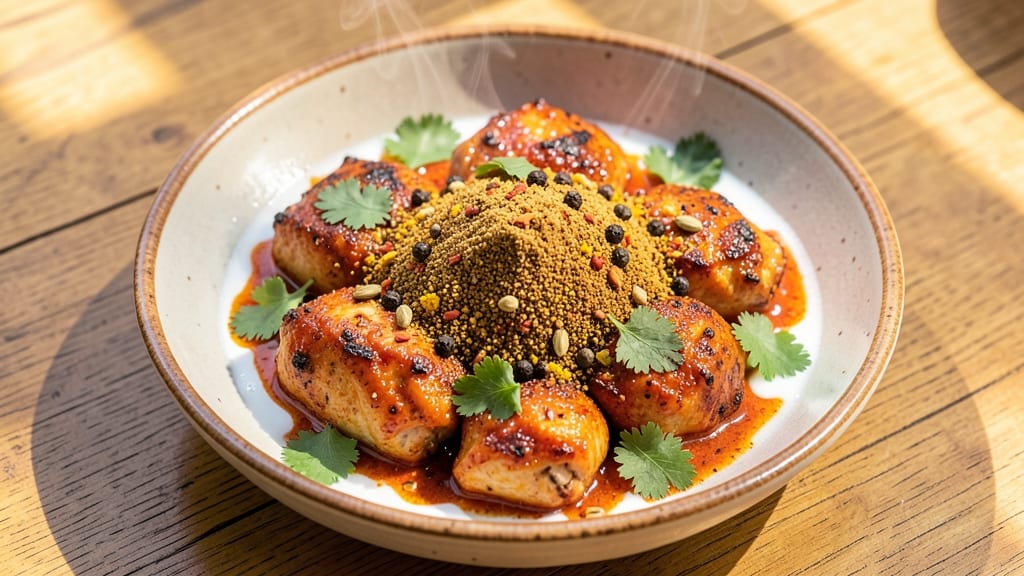
Baba's Chicken Curry Powder transforms ordinary chicken into restaurant-worthy flavor with just one tablespoon of this carefully balanced spice blend. The secret lies in the precise ratio of warm spices—cumin, coriander, and turmeric—that create that signature golden hue and aromatic depth. I developed this blend after years of testing, ensuring every batch delivers consistent, bold flavor without overpowering the natural taste of the meat.
What sets this recipe apart is its simplicity: just 10 pantry staples combine to create a complex flavor profile that works perfectly on grilled, baked, or slow-cooked chicken.
The blend includes both whole spices (like black peppercorns) and ground spices for texture and depth, while a touch of sugar caramelizes during cooking for subtle sweetness. This is the kind of seasoning that turns weeknight dinners into special occasions.
With proper storage in an airtight container, this curry powder stays fresh for up to 6 months, making it a valuable addition to your spice collection. Use 1 tablespoon per pound of chicken, adjusting to taste—whether you're making crispy fried chicken, tender braised thighs, or flavorful curry dishes.
The blend's versatility extends beyond chicken too, enhancing vegetables, rice dishes, and even marinades.
The result is chicken that's infused with layers of aromatic, slightly smoky, and subtly sweet flavors—exactly what you'd expect from a well-seasoned restaurant dish. This blend cuts through the guesswork, delivering professional-quality results with minimal effort. Let's get started on creating your own flavor-packed spice blend.
Ingredients for baba's chicken curry powder
Ten spices and one sugar create this restaurant-worthy blend for chicken that tastes extraordinary.
| Ingredient | Amount | Notes |
|---|---|---|
| Ground Cumin 🌿 | 3 tbsp | Toasted for deeper aroma |
| Ground Coriander 🌿 | 2 tbsp | Freshly ground preferred |
| Turmeric Powder 🧡 | 1 tbsp | Bright yellow for color |
| Ground Black Peppercorns 🌶️ | 1 tbsp | Freshly cracked for texture |
| Ginger Powder 🌿 | 1 tbsp | Dried, finely ground |
| Ground Cardamom 🌿 | 1 tsp | Sweet floral notes |
| Ground Cloves 🌿 | ½ tsp | Whole cloves preferred |
| Ground Cinnamon 🌿 | ½ tsp | Ceylon preferred |
| Granulated Sugar 🍚 | 1 tsp | Light brown preferred |
| Salt 🧂 | 1 tsp | Diamond Crystal preferred |
The cumin and coriander are the backbone of this blend—Penzeys or bulk bins at Whole Foods offer the freshest ground versions. For the peppercorns, whole spices toasted in a dry pan for 30 seconds before grinding make all the difference. Turmeric should be a vibrant yellow, not gray or dull. Cardamom and cloves add warmth, but don't overdo it—a pinch is plenty. I always buy whole spices when possible and grind them fresh; pre-ground can taste stale even when new. Store your whole spices in the freezer for maximum freshness.
No ground spices? Toast whole spices first—cumin seeds, coriander seeds, and cardamom pods all toast beautifully. Substitute cinnamon with cassia if you prefer stronger flavor, but stick to Ceylon for delicate sweetness. The sugar caramelizes during cooking, adding subtle depth. If you're avoiding sugar, reduce to 0.5 tsp or use date sugar. For extra heat, add a pinch of cayenne. This blend works on everything from roasted chicken to spiced nuts—adjust to taste, but start with 1 tbsp per pound of protein.
Store in an airtight container away from light and heat for up to 6 months. The spices will lose potency over time, so check for freshness by smelling—if it doesn't smell aromatic, make a new batch. This blend doubles easily, so I always make extra. Portion into small jars for gift-giving or to keep your pantry organized. Freeze any unused portions for up to 12 months if you're not using them quickly.
Why You'll Love This Recipe
- Pantry Magic: I swear by this blend—no fresh spices, no last-minute grocery runs. Just open the cabinet, measure, and toss. That golden turmeric and warm cumin? They do all the heavy lifting while I’m still deciding whether to set the table.
- Deep Comfort in a Jar: The ginger powder hits first—bright, almost citrusy—then the coriander softens it into something velvety. Black peppercorns add a tiny kick that makes every bite feel like a hug. It’s the kind of flavor that lingers, not just in the dish but in your memory.
- Meal Prep MVP: I make a double batch, store it in the fridge, and use it for everything: chicken thighs, tofu stir-fries, even scrambled eggs on lazy mornings. The spices keep their punch for weeks, so I’m never stuck guessing what to cook.
- Budget-Friendly Boldness: A little goes a long way—this blend costs pennies and transforms basic chicken into something restaurant-worthy. Honestly, it’s my go-to when I’m broke but still want flavor that doesn’t skimp. (Yes, even on a Tuesday night.)
Step-by-step instructions for baba's chicken curry powder
Here's how to craft this aromatic, restaurant-quality blend that transforms simple chicken into a fragrant masterpiece.
Toast the Whole Spices for Maximum Depth
First, I toast the whole spices in a dry skillet over medium heat for 1-2 minutes until fragrant. This is where the magic begins—lightly toasting the ground cumin and ground coriander awakens their natural oils, intensifying their flavors. You'll smell that warm, earthy aroma filling your kitchen—this is your cue that the spices are ready.
Watch carefully as the spices begin to dance in the pan. Once they're fragrant but not yet browned, remove them immediately and let them cool completely before grinding. If you grind them while still warm, the oils will separate and create a greasy powder. This step ensures every bite of your curry carries that authentic, toasty complexity.
Combine Dry Ingredients in a Sterile Bowl
In a clean, dry bowl, combine the toasted ground cumin and ground coriander with the remaining dry ingredients: turmeric powder, ground black peppercorns, ginger powder, ground cardamom, ground cloves, ground cinnamon, granulated sugar, and salt. Use a whisk or fork to gently fold everything together, breaking up any clumps in the spices.
I always use a fine-mesh strainer to sift the spices into the bowl first—this prevents any accidental lumps from forming in your final blend. The turmeric powder should be bright yellow, and the ginger powder will add a subtle warmth that balances the heat from the ground black peppercorns. The granulated sugar here isn't just for sweetness; it helps caramelize slightly when cooking, deepening the overall flavor.
Grind to a Fine, Uniform Powder
Transfer the spice mixture to a high-powered spice grinder or clean coffee grinder. Pulse in short bursts until you achieve a fine, silky powder—no gritty bits should remain. If you're using a blender, work in batches to avoid overfilling. The goal is a consistency so fine it dissolves completely in oil or water, ensuring even flavor distribution in your curry.
Here's the thing—if you feel any resistance or hear grinding noises after a minute, stop and check for whole spices or clumps. I've found that grinding in small batches prevents overheating, which can turn spices bitter. The final powder should be a rich, deep brown with hints of yellow from the turmeric. Store it in an airtight container away from light and moisture to preserve its potency for up to 6 months.
Test and Adjust for Perfect Balance
To test your curry powder, heat 1 tablespoon of neutral oil in a small pan over low heat and add 1 teaspoon of your blend. Let it bloom for 30 secondsground black peppercorns and ginger powder, while the ground cinnamon and ground cloves add subtle warmth.
If it's too strong, reduce the ground black peppercorns next time by ¼ teaspoon. If it lacks depth, increase the ground cumin or ground coriander by ½ teaspoon. This testing step is crucial—it ensures your blend is perfectly balanced for every batch of chicken curry you make. Trust your palate; this is your signature flavor profile.
Pro Tips For Making Baba'S Chicken Curry Powder
- Bloom the Spices First: I used to just toss the cumin, coriander, and turmeric into the pan with everything else—and the flavor was always flat. Instead, toast the whole spices (cumin, coriander seeds if you have them) in a dry pan for 30 seconds until fragrant, then grind them fresh. The nutty aroma jumps out immediately, and the ginger powder benefits from a quick bloom too—just add it with a splash of water and let it sit for 2 minutes before mixing.
- Toast the Black Pepper: Skip the pre-ground peppercorns if you can—whole peppercorns toasted for 45 seconds in the same dry pan as the cumin develop a deeper, almost floral heat. Crush them lightly with a mortar or rolling pin before adding to the mix. My first attempt with just powdered pepper was fine, but this step adds complexity without extra effort.
- Don’t Rush the Turmeric: The turmeric needs time to marry with the oil and chicken. After adding it to the pan, let it cook for 1 full minute before stirring in the wet ingredients—this guarantees the golden color and prevents it from turning bitter. I learned this after a batch tasted metallic; patience here makes all the difference.
- Use Fresh Ginger Powder: Store-bought ginger powder loses its kick fast. If you can’t find fresh, make your own by grating ginger, drying it in a low oven (200°F for 1 hour), then grinding it. The difference in warmth and brightness is night and day. (Yes, it’s extra work—but your curry will taste like it’s been simmering for hours.)
Pro cooking tips for perfect results
Toast Whole Spices First
Before grinding, toast your whole spices like cumin seeds and coriander seeds in a dry skillet over medium heat for 1-2 minutes until fragrant. This step unlocks deeper flavors by activating their essential oils.
I use a 10-inch cast iron skillet for even heat distribution—just shake the pan occasionally to prevent burning. Let them cool completely before grinding to avoid greasy powder. 🌶️
Grind in Small Batches
Use a high-powered spice grinder or clean coffee grinder to avoid overheating, which can turn spices bitter. Work in 2-tablespoon batches and pulse until you achieve a silky, fine powder with no visible specks.
If you hear grinding noises after 30 seconds, stop and check for whole spices or clumps. The final texture should be so fine it dissolves completely in oil or water.
Bloom the Spices
To test your blend, heat 1 tablespoon of neutral oil (like avocado or grapeseed) in a small pan over low heat and add 1 teaspoon of your curry powder. Let it bloom for 30 seconds
This blooming step is crucial for releasing the full aromatic potential of your spices. Keep your curry powder in an airtight container (I use amber glass jars to block light) and store it in a cool, dark place like your pantry. The spices will stay fresh for up to 6 months. For longer storage, freeze portions in small silicone molds or ice cube trays—just thaw before using. Label your jars with the date to track freshness. If your blend tastes too strong, reduce the ground black peppercorns by ¼ teaspoon next time. For more depth, increase the ground cumin or ground coriander by ½ teaspoon. Trust your palate—this is your signature flavor profile, and small adjustments ensure perfect balance every time. 💡 This blend isn’t just for chicken! Use 1 tablespoon per pound of protein on roasted chicken, pork, or even tofu. Sprinkle ½ teaspoon into soups, stews, or rice dishes for instant depth. For extra richness, mix 1 teaspoon into marinades or rubs. The versatility of this blend makes it a pantry essential for any home cook. ✨Store Properly
Adjust to Taste
Use on Versatile Dishes
Nutrition facts
Frequently asked questions
Can I substitute any spices if I'm missing an ingredient?
Yes, but with caution! For ground cardamom, use ½ tsp allspice or ¼ tsp nutmeg—both add warmth. Skip ground cinnamon if you're avoiding sugar, but add ¼ tsp more ginger powder for balance. Never replace turmeric (it's key for color and earthiness) or cumin/coriander (the blend's backbone). For extra heat, add ¼ tsp cayenne.
How much curry powder should I use for non-chicken dishes?
For 1 pound of protein (chicken, pork, tofu), use 1 tbsp. For vegetables or rice: ½ tsp per cup. In marinades: 1 tbsp per ½ cup oil. For soups/stews: 1 tsp per quart of liquid. Always taste first—the blend is potent! Start small and adjust.
Why does my homemade blend taste weaker than store-bought?
Freshness matters! Pre-ground spices lose potency quickly. Toast your whole spices first (like cumin seeds) to awaken flavors. Store your blend in an airtight amber jar away from light. If it tastes flat, increase the ground cumin or ground coriander by ½ tsp next batch. Never use pre-ground spices older than 3 months.
Can I make this blend without a grinder?
Use a mortar and pestle for small batches. For whole spices (like coriander seeds or cardamom pods), crush them first, then mix with ground spices. If you must use a blender, pulse in 10-second bursts to avoid overheating. The key is achieving a fine, even powder—no gritty bits!
How do I know if my curry powder has gone bad?
Check for dull aroma (fresh should smell warm and spicy) and grayish turmeric (should be bright yellow). If it tastes bitter or lacks flavor, make a fresh batch. Store in amber glass jars to preserve freshness. Freeze portions for up to 12 months if you won't use them quickly. When in doubt, toss it!