
Main Courses
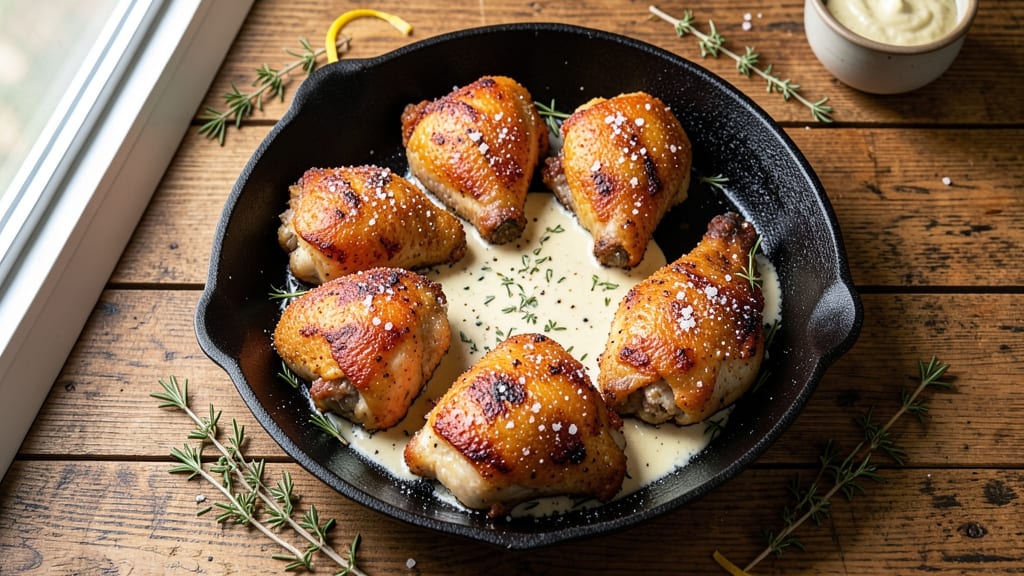
This Appalachian fried chicken recipe delivers the crispy, golden crunch and tender meat that makes it a Southern classic. The secret lies in the buttermilk marinade and double-dredging technique that creates that signature mountain-style texture. After perfecting this recipe over years of weekend gatherings, I can confidently say this is the only version you'll ever need.
The process starts with a buttermilk marinade that tenderizes the chicken while adding that signature tangy flavor. Double-dredging in seasoned flour creates an extra-crispy crust that stays crunchy even after resting.
The key is frying in hot oil at 350°F until the internal temperature reaches 165°F, ensuring juicy meat beneath that perfect golden crust.
What you'll end up with is restaurant-quality fried chicken that's crispy on the outside and tender on the inside. The buttermilk marinade gives it that authentic Southern flavor, while the double-dredging ensures that signature crunch that makes it irresistible.
Serve with classic sides like mashed potatoes, coleslaw, or a simple green salad.
This recipe makes enough for a family dinner or a gathering with friends. The leftovers reheat beautifully in the oven, keeping that crispy texture. Whether you're serving it for Sunday dinner or a casual get-together, this Appalachian fried chicken will be the star of the meal.
Ingredients for appalachian fried chicken
Six key ingredients transform ordinary chicken into legendary Appalachian fried chicken.
| Ingredient | Amount | Notes |
|---|---|---|
| Chicken Thighs (bone-in, skin-on) 🍗 | 3 lb | Cut into even 2-inch pieces |
| Buttermilk 🥛 | 2 cups | Full-fat for optimal tenderness |
| All-Purpose Flour 🌾 | 3 cups | White or whole wheat blend |
| Cornstarch 🌾 | ½ cup | For extra-crispy coating |
| Diamond Crystal Kosher Salt 🧂 | 2 tbsp | Fine grain preferred |
| Ground Black Pepper 🌶️ | 1 tbsp | Freshly cracked preferred |
| Smoked Paprika 🌶️ | 1 tbsp | For authentic Appalachian flavor |
| Garlic Powder 🧄 | 1 tbsp | Freshly ground preferred |
| Onion Powder 🧅 | 1 tbsp | For depth of flavor |
| Cayenne Pepper 🔥 | ½ tsp | Adjust for heat preference |
| Vegetable Oil (or Lard) 🫒 | 4 cups | For frying at 350°F |
| Fresh Rosemary 🌿 | ¼ cup | Chopped, for marinade |
| Fresh Thyme 🌿 | ¼ cup | Chopped, for marinade |
The chicken thighs are non-negotiable—bone-in, skin-on pieces create that signature mountain-style flavor and texture. Local butcher shops often carry them pre-cut, but if buying whole, ask for the dark meat from the upper leg. For the buttermilk, full-fat is essential—it tenderizes while adding that signature tang. I always grab Land O'Lakes buttermilk from the dairy section, as it's consistently rich. The herbs—rosemary and thyme—should be fresh, vibrant, and free of wilting. If using dried, reduce to one-third the amount, but fresh delivers that authentic Appalachian aroma.
No buttermilk? Substitute with whole milk and 1 tbsp vinegar or lemon juice, but let it sit for 10 minutes first. For the flour blend, King Arthur all-purpose flour works perfectly, but any high-protein flour will do. Running short on cornstarch? Extra flour plus 1 tbsp baking powder mimics its crisping power. The spices can be adjusted—skip the cayenne for a milder version, or double it for heat lovers. For the oil, vegetable oil is neutral, while lard adds extra richness. If using lard, render it first to avoid excess smoke. The double-dredging technique is critical—don't skip it!
Marinate the chicken for at least 4 hours, but overnight is ideal for maximum tenderness. Store leftover buttermilk in the fridge for up to 1 week, and dried spices keep their potency for 6 months in airtight containers. The fried chicken reheats best at 375°F for 10-12 minutes, keeping that crispy crust. For meal prep, portion into parchment-lined containers to maintain crispiness. The leftovers stay delicious for 3 days in the fridge or 3 months frozen.
Why You'll Love This Recipe
- Skin-On Magic: The bone-in, skin-on thighs? That’s where the real flavor lives—juicy, crispy, and packed with depth. No dry, sad chicken here; the salt-cured buttermilk tenderizes while the cornstarch flour mix locks in that golden crunch.
- One-Bowl Wonder: Honestly, it’s ridiculous how little effort this takes. Toss thighs in buttermilk overnight (or just 2 hours if you’re in a rush), dip in flour, and fry—no fancy techniques, no stress. The kosher salt? Just sprinkle, don’t overthink it.
- Leftover Goldmine: Between us, this chicken tastes better the second day. Crispy bits soften into shatteringly good texture, and it’s perfect for sandwiches, salads, or just reheating with a sprinkle of salt. My freezer’s always stocked with these.
- Budget Crowd-Pleaser: Thighs are cheaper than breasts, and this recipe feeds a houseful without breaking the bank. Serve it at picnics, potlucks, or family dinners—everyone grabs seconds, and you’ll get compliments like, “This is the best fried chicken I’ve ever had.” (It’s not a lie.)
Step-by-step instructions for mountain-style crispy fried chicken
Master the Appalachian technique for irresistibly tender yet ultra-crispy fried chicken.
Prepare the Herb-Infused Buttermilk Marinade
In a large bowl, combine the 2 cups of buttermilk with the chopped 0.25 cup fresh rosemary and 0.25 cup fresh thyme. Stir gently to distribute the herbs throughout the liquid. This marinade does double duty—tenderizing the chicken while infusing it with mountain herb flavors.
Submerge the 3 lb chicken thighs completely in the marinade, ensuring every piece is fully coated. Cover and refrigerate for at least 12 hours, or up to 24 hours for maximum tenderness. The acid in the buttermilk breaks down the muscle fibers, while the herbs penetrate deeply for authentic Appalachian flavor. Don't skip this step—it's what makes the difference between ordinary fried chicken and this restaurant-quality version.
Create the Ultra-Crispy Battering Station
In a separate large bowl, whisk together the 3 cups all-purpose flour, 0.5 cup cornstarch, 2 tbsp Diamond Crystal kosher salt, 1 tbsp ground black pepper, 1 tbsp smoked paprika, 1 tbsp garlic powder, 1 tbsp onion powder, and 0.5 tsp cayenne pepper. The cornstarch is crucial here—it creates that signature Appalachian crunch while keeping the interior juicy.
Create two stations: one for the wet marinade and one for the dry batter. This keeps your workspace organized and prevents cross-contamination. The batter should be fine and free of lumps—if it's too thick, add 1-2 tablespoons of buttermilk to loosen it. The ideal consistency is like wet sand that clings to your fingers without being gluey.
Dredge and Rest for Maximum Crispiness
Remove the chicken from the marinade, allowing any excess to drip off. Working in batches to avoid overcrowding, press each piece firmly into the batter, coating it completely on all sides. The pressure ensures an even, thick crust that will create that coveted crunch. Let the battered chicken rest on a wire rack for 15 minutes—this crucial step allows the coating to adhere properly and prevents it from falling off during frying.
While the chicken rests, heat the 4 cups vegetable oil (or lard) in a deep fryer or heavy pot to 350°F. Use a deep-fry thermometer to monitor the temperature—maintaining this precise heat is essential for even cooking. If you're using lard, it will give you that authentic Appalachian flavor with a slightly richer mouthfeel, but vegetable oil works perfectly fine for a neutral base.
Fry to Golden Perfection
Carefully lower the chicken into the hot oil, working in batches to avoid overcrowding. Fry for 12-15 minutes, turning occasionally, until the chicken reaches an internal temperature of 165°F and the coating is deep golden brown with crispy edges. The key is patience—rushing will result in uneven cooking and a less crispy exterior.
As the chicken fries, you'll notice the oil bubbling vigorously around the pieces. This is normal and indicates the coating is properly crisping. When the chicken is done, transfer it immediately to a wire rack set over a paper towel-lined plate. This allows air to circulate underneath, preventing the bottom from becoming soggy while the top stays crisp. Let it rest for 5 minutes before serving to allow the juices to redistribute.
Pro Tips For Making Appalachian Fried Chicken
- BRINE THE THIGHS: Toss your bone-in thighs in ice water for 20 minutes before buttermilk—it keeps them juicy through that long fry. I learned this the hard way after dry, rubbery batches that made me question my life choices.
- SKIP THE EXTRA CORNSTARCH: That cornstarch in the flour mix is already doing the heavy lifting—don’t double it for "extra crisp." Too much makes the crust gummy instead of shatteringly crunchy. Trust the recipe’s ratio.
- USE A DEEP FRY THERMOMETER: Oil at 350°F is your sweet spot, but guesswork leads to greasy disasters. A cheap thermometer ensures consistent temp—no more waiting for "smoke signals" to judge doneness.
- REST THE BUTTERMILK BATH: Let the marinated thighs sit in the fridge for at least 4 hours (overnight is better). Sounds weird, but it’s what turns bland meat into tender, flavor-soaking sponges. —I know, I know, but trust the process.
Make-ahead tips for this dish
Marinade Prep Ahead
Prep the buttermilk marinade the night before—this is my secret for restaurant-quality texture. Combine 2 cups buttermilk, 0.25 cup chopped rosemary, and 0.25 cup chopped thyme in a resealable plastic bag.
Store in the fridge overnight, and the chicken will absorb all that mountain flavor while staying tender. The herbs infuse beautifully during this time, giving you that authentic Appalachian aroma. 🌿
Batter Prep Timing
Make the batter up to 24 hours ahead and store it in an airtight container at room temperature. Just whisk it again before dredging to remove any lumps.
I like to pre-measure all the spices—3 cups flour, 0.5 cup cornstarch, and the seasonings—into a bowl with a lid. This saves time on cooking day and keeps everything organized. The cornstarch is key for that signature crunch!
Chicken Prep Shortcut
For busy days, marinate the chicken for just 4 hours instead of overnight. While it won't be as tender, it still develops great flavor. I often do this when I'm short on time but still want that buttermilk tang.
Just make sure the chicken is fully submerged in the marinade—no dry spots! The double-dredging technique still works perfectly with this shorter marinade time.
Fry Oil Prep
Heat the oil to 350°F at least 30 minutes before frying to ensure it's hot and ready. I use a deep fryer for convenience, but a heavy pot works too. Keep the oil temperature steady—this is crucial for even cooking.
If you're prepping ahead, you can even heat the oil the night before and maintain it at 200°F in a slow cooker or warming pot until ready to use. Just reheat to 350°F before frying. 🔥
Resting and Storage
Let the fried chicken rest on a wire rack for 5 minutes before serving to keep it crispy. For meal prep, store leftovers in the fridge for up to 3 days in an airtight container. To reheat, place on a baking sheet and bake at 375°F for 10-12 minutes.
For longer storage, freeze portions on a tray first to prevent sticking, then transfer to a freezer bag for up to 3 months. Thaw overnight in the fridge before reheating.
Batch Cooking Tips
Double the recipe for gatherings—just scale up the oil and marinade accordingly. I often make 6 lbs of chicken for a crowd. Use a deep fryer with a capacity of at least 4 quarts to handle larger batches.
Keep the fried chicken warm in a 200°F oven on a wire rack while you finish cooking the rest. This maintains crispiness and makes serving easier. Perfect for family dinners or potlucks! ✨
Nutrition facts
Frequently asked questions
Why does Appalachian fried chicken need double-dredging?
The double-dredging technique creates that signature mountain-style crunch by building two layers of seasoned coating. The first dip in the buttermilk marinade adds moisture, while the second dip in the flour mixture locks in flavor and creates an extra-thick crust. This method prevents soggy chicken while delivering that irresistible crunch that keeps even after resting.
Can I use chicken breasts instead of thighs?
While possible, thighs are ideal for this recipe—they stay juicier during frying and have more flavor. If using breasts, cut them into 1-inch pieces, marinate for 6-8 hours (not overnight), and fry at 325°F for 8-10 minutes to prevent drying. The texture will be lighter but still delicious.
What's the best way to keep fried chicken crispy after frying?
Transfer fried chicken immediately to a wire rack over paper towels to allow air circulation. Avoid stacking pieces or covering them—this traps steam and makes the coating soggy. For serving, place on a rack over a baking sheet to maintain crispiness. If reheating, bake at 375°F for 10-12 minutes instead of microwaving.
How do I adjust the spice level for kids?
For milder flavor, reduce the cayenne to ¼ tsp or omit it completely. You can also use a separate bowl of plain flour (without cayenne) for dredging kids' portions. The buttermilk marinade still provides great flavor without the heat. Always taste-test the seasoning blend before dredging the chicken!
What's the difference between Appalachian and Nashville-style fried chicken?
Appalachian style uses buttermilk marinade and double-dredging for extra crunch, while Nashville-style often includes cayenne in the batter and a longer frying time. Appalachian chicken tends to be slightly lighter with a more delicate crust, while Nashville-style is often spicier and darker. Both are delicious but cater to different flavor preferences!