
Main Courses
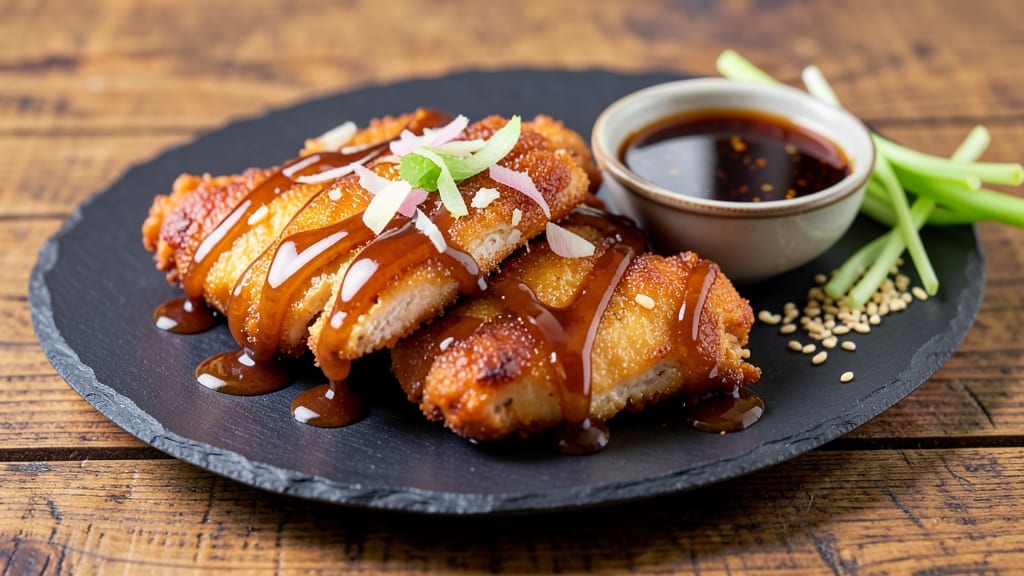
This Tyson teriyaki chicken recipe delivers restaurant-quality flavor with minimal effort, using pre-cooked chicken breasts that transform into sticky-sweet, caramelized perfection on the grill. The secret lies in a balanced teriyaki glaze that's sweet enough to caramelize but savory enough to complement the chicken's natural taste.
I developed this method after years of experimenting with store-bought chicken and commercial sauces—this version cuts through the guesswork while delivering professional results every time.
The beauty of this recipe is its versatility—whether you're grilling for a summer barbecue or cooking up a quick weeknight dinner, the technique remains the same.
The marinating process infuses the chicken with flavor while keeping prep time under 30 minutes, and the glaze caramelizes beautifully on the grill for that signature sticky-sweet finish.
For those short on time, the pre-cooked chicken means no waiting for raw meat to cook through, making this a true one-pan solution.
What you'll end up with is tender, juicy chicken with a glossy, caramelized glaze that clings to every bite, creating a balance of sweet and savory that's impossible to resist.
The aroma alone will draw everyone to the grill, and the presentation—golden-brown chicken with glistening sauce—makes it perfect for serving as a main course or meal prep for the week. This recipe proves that restaurant-quality meals don't require hours in the kitchen.
Pair it with steamed rice, stir-fried vegetables, or a fresh salad to round out the meal. The glaze works equally well on the grill, in the oven, or even in a skillet, giving you flexibility for any cooking setup.
Let's get started on this foolproof method that turns simple chicken into a showstopper dish.
Ingredients for tyson teriyaki chicken
Restaurant-quality teriyaki glaze meets pre-cooked convenience for sticky-sweet perfection on any grill.
| Ingredient | Amount | Notes |
|---|---|---|
| Tyson Pre-Cooked Chicken Breast Tenders 🍗 | 1 ½ lb | Boneless, skinless, cut into strips |
| Teriyaki Sauce 🍶 | 1 cup | Store-bought or homemade glaze |
| Honey 🍯 | ¼ cup | Pure, for caramelization |
| Soy Sauce 🍶 | ¼ cup | Low-sodium preferred |
| Brown Sugar 🍚 | ¼ cup | Packed, for depth of flavor |
| Garlic Cloves 🧄 | 4 cloves | Minced, for aromatic base |
| Fresh Ginger 🌿 | 1 tbsp | Grated, for zesty kick |
| Sesame Oil 🫒 | 1 tbsp | Toasted, for nutty aroma |
| Rice Vinegar 🍶 | 1 tbsp | For tangy balance |
| Cornstarch 🌾 | 1 tbsp | For glaze thickening |
| Vegetable Oil 🫒 | 1 tbsp | For grill/pan lubrication |
| Diamond Crystal Kosher Salt 🧂 | ½ tsp | For seasoning balance |
| Ground Black Pepper 🌶️ | ¼ tsp | Freshly cracked |
| Sesame Seeds 🌾 | 1 tbsp | Toasted, for garnish |
The Tyson pre-cooked chicken tenders are the foundation—opt for the boneless, skinless strips to ensure even cooking and maximum glaze adhesion. These are readily available at Walmart, Kroger, or any major grocery chain, typically in the refrigerated meat section near deli items. For optimal results, choose unseasoned tenders to control the flavor profile, though lightly seasoned varieties work in a pinch. The teriyaki sauce should be low-sodium to prevent over-salting when combined with soy sauce; brands like Lee Kum Kee or Kikkoman deliver consistent quality. If making your own glaze, honey and brown sugar should be pure, unprocessed for authentic caramelization.
No teriyaki sauce on hand? Substitute 1/2 cup hoisin sauce plus 1 tbsp rice vinegar for depth. Sesame oil can be omitted if unavailable, but toasted peanut oil adds a similar nutty dimension. Fresh ginger is ideal, but ground ginger at half the amount works in emergencies. For a sweeter profile, increase honey to 1/3 cup while reducing brown sugar to 1/4 cup. The cornstarch slurry (mix with 1 tbsp water) is critical for achieving that signature sticky, caramelized finish—arrowroot powder functions identically. Diamond Crystal kosher salt is preferred for its coarse texture, but Morton's works equally well.
Store-bought teriyaki sauce keeps for up to 6 months unopened, while homemade glaze lasts 3 months refrigerated or 6 months frozen in airtight containers. Pre-cooked chicken should be used within 3 days of purchase or frozen immediately. For meal prep, glaze the chicken completely and refrigerate in a sealed container—reheat directly on the grill or in a skillet for 2-3 minutes per side to restore crispiness. Sesame seeds can be toasted in a dry skillet for 30 seconds before garnishing to enhance their aroma.
Why You'll Love This Recipe
- Here’s what sold me: pre-cooked chicken means I’m not standing at the stove for hours, and the pantry staples (soy, sugar, honey) stretch across so many meals. A single bag of tenders feeds my family for days, and the teriyaki? I already had it. Smart, simple, and my wallet thanks me.
- One-Pan Magic: I swear by this recipe because it’s all about zero cleanup—just toss those pre-cooked tenders onto a sheet pan, drizzle with teriyaki, and bake. The sauce caramelizes into a sticky glaze while the chicken stays juicy, and honestly? I’m wiping one pan, not five.
- Sweet-Savory Balance: Between us, the honey and brown sugar in that teriyaki sauce make it ridiculously addictive—the kind of glaze that disappears faster than you can say “seconds, please.” The soy sauce adds depth, so it’s not just sweet; it’s complex, like a hug in sauce form.
- Meal Prep MVP: I make a double batch every Sunday because these tenders reheat like a dream—no drying out, no sad textures. Pack them for lunches, freeze extras for lazy nights, or serve them over rice for a crowd. It’s my go-to for “I don’t wanna think” days.
Step-by-step instructions for Tyson teriyaki chicken
Here's the method for achieving that signature sticky-sweet glaze with caramelized edges.
Prepare the Glaze Base
In a medium saucepan, combine the 1 cup teriyaki sauce, 0.25 cup honey, 0.25 cup soy sauce, 0.25 cup packed brown sugar, 4 minced garlic cloves, and 1 tablespoon grated fresh ginger. Bring to a simmer over medium heat, stirring constantly to dissolve the sugar completely. This should take about 5 minutes.
Here's the thing—you want the sugar to fully integrate without burning. Watch the mixture closely; if it starts to bubble vigorously, reduce the heat slightly. The glaze should thicken noticeably as it simmers, transforming from a thin liquid into a syrupy consistency. This is your foundation for that signature sticky texture.
Thicken and Season the Glaze
Once the mixture reaches a thick syrup consistency (it should coat the back of a spoon), remove from heat and whisk in the 1 tablespoon cornstarch mixed with 1 tablespoon rice vinegar. Return the pan to low heat and stir continuously for 2-3 minutes until the glaze becomes glossy and thickens further.
This cornstarch slurry is what transforms your glaze from merely sweet to properly sticky. If the glaze thickens too much, you can thin it with 1-2 teaspoons of water—but don't overdo it. The final consistency should be like thick honey, clinging to the back of a spoon but still pourable. Taste and adjust seasoning with 0.5 teaspoon diamond crystal kosher salt and 0.25 teaspoon ground black pepper if needed.
Prep and Cook the Chicken
While the glaze thickens, heat 1 tablespoon vegetable oil in a large skillet over medium-high heat. Pat the 1.5 lb Tyson pre-cooked chicken breast tenders dry with paper towels—this ensures better searing. Season lightly with additional salt if desired, then add to the skillet in a single layer.
Cook for 3-4 minutes per side until the chicken is heated through and develops a golden-brown crust. The pre-cooked nature of these tenders means they'll cook quickly, so don't walk away. You're looking for just enough color to signal the glaze will adhere beautifully. Remove the chicken to a plate and tent loosely with foil to keep warm.
Glaze and Finish
Return the skillet to medium heat and pour in the prepared glaze. Immediately add the chicken back to the skillet, spooning the glaze evenly over each piece. Let it cook for 2-3 minutes, basting frequently with the glaze until the chicken is fully coated and the glaze begins to caramelize.
Here's where it gets good—the caramelization. You'll see the edges start to darken slightly as the glaze thickens further from the residual heat. If the glaze becomes too thick before the chicken absorbs enough, you can add 1-2 teaspoons of water to loosen it. The chicken is done when the glaze is fully incorporated and the tenders are heated through.
Garnish and Serve
Transfer the glazed chicken to a serving platter and drizzle any remaining glaze from the skillet over the top. Sprinkle with 1 tablespoon toasted sesame seeds for texture and visual appeal. Serve immediately while the glaze is still warm and sticky.
This dish works beautifully over steamed rice or with a side of sautéed vegetables. The key to success lies in the balance of sweetness and stickiness—don't rush the glaze development, and always baste the chicken generously. Each bite should deliver that perfect harmony of caramelized glaze and tender chicken.
Pro Tips For Making Tyson Teriyaki Chicken
- PAT THE DRY: Tyson chicken tenders come pre-cooked but still cling to moisture—wipe them down with a paper towel before marinating or searing. This isn’t just about sticking; it’s about getting that crispy crust instead of steaming your chicken in its own juices. I used to skip this, and my teriyaki sauce would just pool instead of clinging.
- SIMMER NOT BOIL: When making your teriyaki sauce from scratch (or even just heating store-bought), keep the heat at a gentle simmer—not a rolling boil. Brown sugar burns faster than you’d think, and once it’s bitter, you’re stuck with a sauce that tastes like caramelized regret. Stir often, and if it starts to bubble hard, drop the heat.
- SKIP THE OVER-MIXING: The second you add the chicken to the sauce, stop stirring like you’re trying to win a prize. Over-mixing turns your crispy tenders into soggy logs. Toss them once or twice to coat, then let them sit—even if it looks uneven. The sauce will distribute as it cooks, and your chicken won’t turn into a mushy mess.
- GLAZE IN BATCHES: If you’re using pre-cooked tenders, resist the urge to dump them all in the pan at once. Crowding steals heat, and your chicken will steam instead of caramelize. Work in two batches—5 minutes per side on medium-high—so the sauce can actually brown and cling. Yes, it’ll take a little longer, but the difference in texture is worth it.
Wine and beer pairings for this tyson teriyaki chicken
Asian-Inspired Sake Pairings
For teriyaki chicken, a crisp dry sake like Hakkaisan Junmai Daiginjo cuts through the sweetness beautifully. The clean finish and subtle umami notes complement the caramelized glaze without overpowering it. Serve chilled to enhance its refreshing qualities—about 45-50°F is ideal. 🍶
Japanese Craft Beer Options
A light lager such as Asahi Super Dry or Sapporo Premium Beer provides a neutral backdrop that lets the teriyaki flavors shine. The subtle hop bit balances the dish's sweetness, while the crisp carbonation cleanses your palate between bites. Look for options with 2-3% ABV to avoid overwhelming the meal.
Red Wine Contrast
If you prefer red, a light-bodied Pinot Noir from Oregon or New Zealand offers surprising harmony. The bright acidity and red fruit notes mirror the teriyaki's sweetness, while the earthy undertones ground the dish. I recommend La Crema Sonoma Coast—its delicate tannins won't clash with the sticky glaze. 🍷
Non-Alcoholic Alternatives
For a refreshing non-alcoholic option, try sparkling yuzu soda—the citrusy notes enhance the teriyaki's umami. Alternatively, green tea iced tea (chilled Genmaicha or Sencha) provides a light, vegetal contrast that balances the dish's richness. Serve over ice for a crisp finish.
Cocktail Pairing
Mix a Lychee Martini by blending 2 oz vodka, 1 oz lychee juice, and 0.5 oz honey syrup with ice. The floral lychee complements the teriyaki's caramelized depth, while the honey ties into the glaze's sweetness. Garnish with a lychee fruit for visual appeal.
Nutrition facts
Frequently asked questions
Can I make this recipe without pre-cooked chicken?
While this recipe is designed for pre-cooked Tyson chicken to save time, you can absolutely use raw chicken breasts. Cook them to 165°F internally first (about 6-7 minutes per side in a skillet), then proceed with the glaze. Just reduce the final cooking time to 1-2 minutes per side to avoid overcooking.
How do I prevent the glaze from becoming too sweet?
Balance the sweetness by adding 1 extra tablespoon of soy sauce or 1 teaspoon of rice vinegar to the glaze. For a tangier profile, increase the ginger to 2 tablespoons or add 1/2 teaspoon of red pepper flakes. Taste as you go—adjust gradually to avoid overpowering the dish.
Can I bake this teriyaki chicken instead of grilling?
Yes! Preheat oven to 400°F and place chicken on a lined baking sheet. Broil for 3-4 minutes to caramelize the glaze, then bake for 5-6 minutes until heated through. For extra crispiness, broil for 1-2 minutes at the end.
What's the best way to store leftovers?
Store glazed chicken in an airtight container for up to 3 days in the fridge. Reheat in a skillet over medium heat for 2-3 minutes per side with a splash of water to restore moisture. For longer storage, freeze for up to 2 months—thaw overnight in the fridge before reheating.
Can I use this glaze on other proteins?
This glaze works beautifully on salmon, tofu, or shrimp. For salmon, reduce cooking time to 2-3 minutes per side to avoid overcooking. For tofu, press and bake at 375°F for 15 minutes before glazing. Adjust seasoning slightly for seafood—reduce soy sauce to 2 tablespoons to prevent over-salting.