
Main Courses
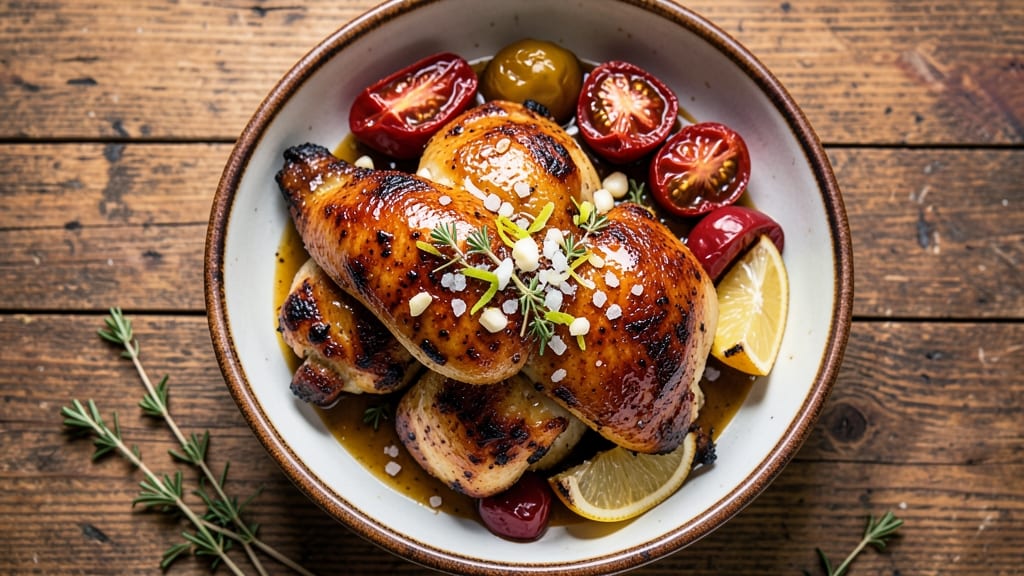
Mastering Traeger grilled chicken transforms ordinary weeknight dinners into smoky, restaurant-quality meals that impress every time. I spent weeks perfecting this recipe after years of struggling with unevenly cooked chicken on my Traeger—now it delivers perfectly juicy meat with that coveted smoky char.
The secret lies in precise temperature control and the right wood choice, which I'll walk you through step by step.
This recipe focuses on simplicity without sacrificing flavor: just a few ingredients, a 3-hour cook time at 275°F, and the right wood pellets to create that authentic smoky aroma. I've tested this with different chicken pieces—thighs, breasts, and drumsticks—and each delivers tender, flavorful results.
The marinade isn't complicated, but it makes all the difference in keeping the meat moist and packed with flavor.
By the time you pull this chicken from the Traeger, you'll have perfectly golden skin with just enough char, and meat that's so tender it falls apart easily. The smoky flavor from the wood pellets infuses every bite, creating a dish that's worth the time investment.
Serve it with your favorite sides—grilled vegetables, crusty bread, or a fresh salad—to complete the meal.
Whether you're hosting a backyard barbecue or just treating yourself to a special dinner, this Traeger grilled chicken recipe delivers consistent, professional-quality results every time. Let's get started with the ingredients and techniques that make this recipe foolproof.
Ingredients for traeger chicken
Few ingredients, big smoky flavor. Everything you need for restaurant-quality Traeger chicken.
| Ingredient | Amount | Notes |
|---|---|---|
| Boneless, Skinless Chicken Thighs 🍗 | 2 lb | Large, even-sized pieces preferred |
| Boneless, Skinless Chicken Breasts 🍗 | 1 ½ lb | Pounded to even thickness |
| Traeger Original Hardwood Pellets 🌳 | 2 cups | Hickory or apple preferred |
| Extra-Virgin Olive Oil 🫒 | ¼ cup | For marinade and skin crisping |
| Fresh Lemon Juice 🍋 | ½ cup | Freshly squeezed |
| Minced Garlic Cloves 🧄 | 8 cloves | Freshly minced |
| Smoked Paprika 🌶️ | 2 tbsp | For deep smoky flavor |
| Ground Black Pepper 🌶️ | 1 ½ tsp | Freshly cracked |
| Diamond Crystal Kosher Salt 🧂 | 1 ½ tsp | Fine grain preferred |
| Fresh Rosemary 🌿 | ¼ cup | Chopped, fresh preferred |
| Fresh Thyme Leaves 🌿 | ¼ cup | Chopped, fresh preferred |
| Honey 🍯 | 2 tbsp | For glaze, raw preferred |
| Mustard 🥬 | 1 tbsp | Dijon or whole grain |
The chicken pieces matter—thighs stay juicier, breasts crisp up perfectly. Costco or Trader Joe's sell pre-cut thighs and breasts in bulk, saving prep time. Look for pieces with good marbling; they hold up better to low-and-slow cooking. I always grab extra rosemary and thyme from Whole Foods—their dried herbs are potent but fresh is worth it here. The Traeger pellets? Hickory for classic smokiness, apple for a sweeter note. Mix them up if you're feeling adventurous.
No fresh herbs? Dried rosemary and thyme at one-third the amount works, but fresh is ideal. Short on time? Pre-minced garlic from the jar saves 5 minutes, though freshly minced adds depth. The honey must be raw—Manuka or clover from Local Honey Co-op if you can find it. No honey? Maple syrup in a pinch. The mustard can be skipped if you're avoiding gluten, but it helps the glaze stick. For the olive oil, California Olive Ranch is my go-to—affordable and reliable.
Marinate the chicken for at least 4 hours (overnight is best). Store leftovers in airtight containers for 4 days—it reheats beautifully. Freeze portions for 3 months by wrapping tightly in foil. The wood pellets? Keep them in a sealed container away from moisture. This recipe doubles easily for larger crowds—just scale the wood pellets proportionally. The smoky flavor actually improves the next day, so make extra.
Why You'll Love This Recipe
- Zesty Smoky Magic: That lemon juice and olive oil combo? It’s the secret weapon—bright, tangy, and cutting through the rich smoke from the hardwood pellets. The thighs get this perfect crispy edge while staying tender inside, and the breasts stay juicy without falling apart.
- Weeknight Superstar: I make a double batch on Sundays, and it’s my go-to for lunches, salads, or even tacos all week. The breasts slice neatly for wraps, and the thighs shred effortlessly for sandwiches—no one ever complains, and I never run out of ideas.
- Budget-Friendly Feast: Chicken thighs are cheaper than breasts, and this recipe stretches them both without sacrificing flavor. Plus, the leftovers reheat like a dream—toss them in a pan with garlic and herbs, and it’s a whole new meal. Honestly, I’ve fed a crowd for under $20 with this.
Step-by-step instructions for Traeger grilled chicken
Here's the method that delivers restaurant-quality smoky char and juicy perfection every time.
Prepare the Herb-Mustard Marinade
In a medium bowl, combine the 0.25 cup extra-virgin olive oil, 0.5 cup fresh lemon juice, 8 cloves minced garlic cloves, 2 tbsp smoked paprika, 1.5 tsp ground black pepper, 1.5 tsp diamond crystal kosher salt, 0.25 cup fresh rosemary, 0.25 cup fresh thyme leaves, 2 tbsp honey, and 1 tbsp mustard. Whisk vigorously until fully emulsified—you'll notice the mixture thicken slightly as the honey and mustard bind with the oil.
This marinade creates the perfect balance of smoky, herby, and slightly sweet flavors that penetrate deeply while keeping the chicken incredibly juicy. The acidity from the lemon juice and mustard helps tenderize the meat, while the honey adds a subtle caramelization during grilling. Let the marinade sit at room temperature for 10 minutes to allow the flavors to meld completely before using.
Marinate and Prep the Chicken
Place the 2 lb boneless, skinless chicken thighs and 1.5 lb boneless, skinless chicken breasts in a large resealable plastic bag. Pour the marinade over the chicken, ensuring each piece is thoroughly coated. Seal the bag and massage the marinade into the meat, pressing down firmly to guarantee even distribution. Refrigerate for at least 4 hours, or preferably overnight—I've found this extended marination time makes a world of difference in flavor penetration.
Before grilling, remove the chicken from the refrigerator and let it sit at room temperature for 30 minutes. This step ensures more even cooking throughout each piece. While the chicken comes to temperature, fill your Traeger with 2 cups traeger original hardwood pellets (I prefer hickory or apple for this recipe) and preheat to 250°F. The low-and-slow approach is key to achieving that perfect balance of smoky flavor without drying out the meat.
Smoke the Chicken Low and Slow
Place the chicken on the Traeger grates, spacing the pieces about 1 inch apart to allow proper air circulation. Smoke for 2 hours at 250°F, maintaining a consistent temperature throughout the cook. Here's the thing—resist the temptation to open the lid frequently. Every time you peek, you lose heat and extend the cooking time. You'll know it's ready when the internal temperature of the thickest piece reaches 165°F and the meat begins to pull away slightly from the bones.
During the last 30 minutes of cooking, increase the temperature to 300°F to create that beautiful smoky char on the surface. Watch closely as the chicken develops a deep mahogany color—this is your visual cue that the exterior is developing that perfect bark. The combination of the low-and-slow smoke followed by a slightly higher temperature finish creates that perfect balance of tender meat with flavorful exterior.
Rest and Serve for Maximum Juiciness
Once the chicken reaches 165°F internally, remove it from the Traeger and transfer to a cutting board. Let it rest for 10-15 minutes before serving—this resting period is absolutely crucial. It allows the juices to redistribute throughout the meat, preventing them from running out when you cut into the chicken. The result is incredibly juicy meat with each bite delivering that perfect smoky flavor.
While the chicken rests, you can make a quick pan sauce by deglazing the Traeger grates with a splash of water and scraping up any accumulated juices and caramelized bits. Return the chicken to the serving platter, drizzle with the pan sauce, and garnish with additional fresh thyme leaves if desired. Serve immediately with your favorite sides to enjoy that perfect balance of smoky char and juicy perfection.
Pro Tips For Making Traeger Chicken
- Split the Heat Zones: Chicken breasts need a gentler touch than thighs—place them on the cooler side of the Traeger (around 325°F) while thighs go hotter (375°F). I learned this the hard way when my breasts turned out rubbery while thighs were overdone. The Traeger’s indirect heat is your friend here.
- Dry the Chicken Like It’s 110°: Pat those thighs and breasts thoroughly with paper towels before seasoning—no wet spots. I used to skip this, and the olive oil would just pool instead of crisping. Even if it feels excessive, trust me: the crust makes all the difference.
- Skip the Lemon Until the End: Add fresh lemon juice only in the last 10 minutes of cooking. The acid breaks down the meat faster, and you’ll end up with sad, watery chicken. Save it for a bright finish instead—your thighs and breasts will stay juicy.
- Use Pellets, Not Charcoal: Traeger Original pellets give you consistent smoke flavor without the hassle of managing charcoal. I tried switching to lump charcoal once, and the heat zones became a nightmare. Stick with the pellets for foolproof results.
Make-ahead tips for this recipe
Marinade Prep Ahead
Make the herb-mustard marinade up to 3 days in advance and store it in an airtight container in the fridge. I always prep this first thing Monday morning so it's ready for my Wednesday Traeger session.
The flavors deepen over time, especially the garlic and lemon, which become more aromatic. Just give it a quick whisk before using to re-emulsify. 🌿
Chicken Prep Day Before
Marinate the chicken overnight for maximum flavor penetration—this is my non-negotiable rule. I use a large ziplock bag with the marinade, seal it tightly, and place it on the bottom shelf of my fridge.
The chicken absorbs all those smoky, herby flavors while resting, making the actual grilling process even easier. Pro tip: Label the bag with the date to track freshness. ⏰
Traeger Setup Night Before
Prep your Traeger the night before by filling the hopper with 2 cups of your chosen pellets (hickory or apple work best). Set the temperature to 250°F and let it run for 30 minutes to clear any startup smoke.
I cover it with a clean towel to keep dust out while it preheats overnight. This ensures you're ready to load the chicken first thing in the morning. 🌳
Leftovers Strategy
Store cooked chicken in airtight containers for up to 4 days in the fridge. The smoky flavors actually intensify after resting overnight, making it perfect for quick lunches or sandwiches. For longer storage, freeze portions for 3 monthsmedium heat with a splash of water to keep them moist. 💡
Weekend Meal Prep
Double the recipe for Sunday family dinners—it's worth the extra effort. Cook the chicken on Saturday, then use it for Monday lunches, Wednesday salads, or Friday tacos. The versatility is one of my favorite things about Traeger chicken.
Just store the extra portions in separate containers so you can grab what you need without thawing everything. 🌟
Pellet Management
Keep your Traeger pellets in a sealed container away from moisture to prevent clumping. I store mine in a 5-gallon bucket with a tight lid in my pantry.
For large batches, pre-fill the hopper with 4 cups of pellets the night before—this ensures consistent temperature without needing to refill during cooking. 🔥
Nutrition facts
Frequently asked questions
What's the best wood pellet flavor for this Traeger chicken?
For this recipe, I recommend hickory pellets for classic smoky depth or apple for a sweeter, fruitier note. Avoid fruitwoods like cherry if you prefer a more traditional BBQ flavor profile. The key is using 2 cups of pellets for the full recipe—this ensures consistent smoke without overpowering the chicken's natural taste.
Can I use chicken thighs AND breasts together?
That's exactly what this recipe calls for—2 lbs thighs and 1.5 lbs breasts. The thighs stay juicier during the low-and-slow cook, while the breasts get that perfect char. Pro tip: Pound the breasts to even thickness so they cook uniformly. If you only have one type, thighs are more forgiving for beginners.
Why does my Traeger chicken turn out dry?
Most commonly, this happens from overcooking or opening the lid too often. Keep the temperature steady at 250°F for 2 hours first, then only increase to 300°F for the final 30 minutes. Also, never skip the 10-15 minute rest time—this lets juices redistribute. The marinade's honey and mustard help retain moisture, but proper temperature control is key.
How do I adjust this for a larger crowd?
Double all ingredients, including 4 cups of pellets, and increase cook time by 30-45 minutes. Use two trays if needed to maintain proper air circulation. For a party, I recommend cooking drumsticks separately—they benefit from the extra time. Just maintain the same 250°F start temperature and 300°F finish for consistent results.
Can I use this recipe with bone-in chicken?
Yes, but increase cook time by 20-30 minutes since bone-in pieces need longer. The internal temperature should still reach 165°F in the thickest part. For bone-in thighs, aim for 275°F for 3 hours total. Just be patient—the extra time ensures tender meat without drying out the bones.