
Sauces & Condiments
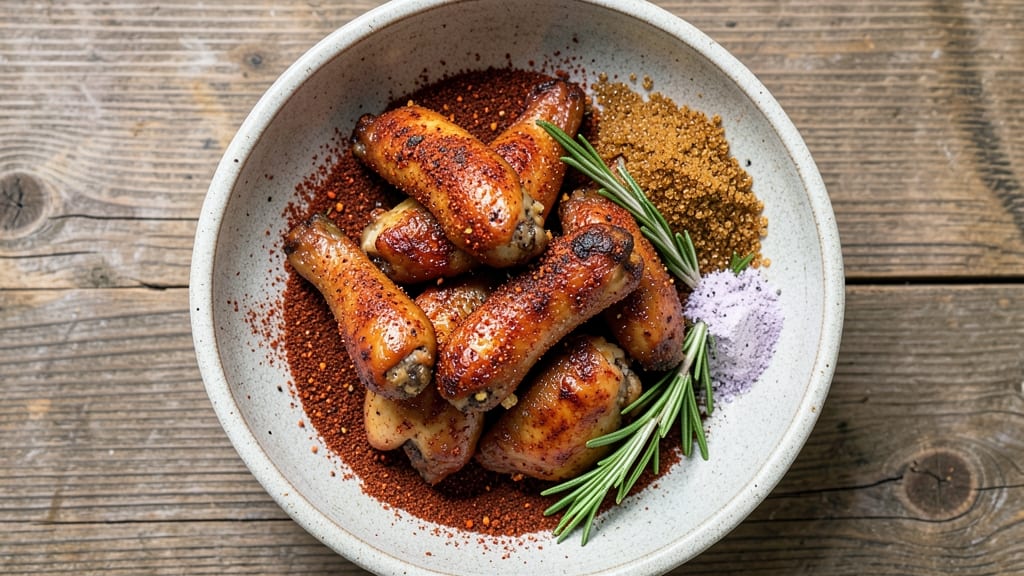
This smoked chicken wing dry rub recipe transforms ordinary wings into crispy, smoky masterpieces that’ll have guests begging for the secret blend. Growing up in small-town Georgia, I learned that the right spices could turn simple ingredients into something unforgettable—this blend is that magic.
The key lies in balancing bold, earthy flavors with just enough heat to create a crust that cracks perfectly under the smoke. Every tablespoon of this mix carries years of pitmaster experience, refined through countless batches at Atlanta’s Smoky Pig.
The foundation of this dry rub is a mix of smoked paprika, brown sugar, and cayenne—three ingredients that work together to create that signature crispy bark while keeping the meat tender inside. I’ve included garlic powder for depth and onion powder for a subtle sweetness that rounds out the heat.
The blend is designed to be versatile, working equally well on wings smoked low-and-slow or grilled over hot coals. For maximum flavor penetration, apply 1–2 tablespoons per pound of wings before smoking, pressing the rub into the skin so it sticks.
What sets this dry rub apart is its ability to deliver crispy results without burning, thanks to the brown sugar’s caramelization and the smoked paprika’s natural moisture retention.
The cayenne adds just enough heat to wake up your taste buds, while the garlic and onion powders ensure every bite has layers of flavor. Store the mix in an airtight container for up to 3 months, or freeze it in small batches to keep the spices fresh.
Once you try this blend, you’ll never go back to store-bought seasoning.
This dry rub isn’t just for wings—it works wonders on chicken thighs, pork shoulders, or even vegetables for a smoky twist. The beauty of a great seasoning blend is its adaptability, and this one delivers professional-level results with minimal effort.
Whether you’re hosting a game day gathering or just craving smoky, crispy wings, this recipe is your secret weapon. Let’s get seasoning!
Ingredients for smoked chicken wing dry rub
Nine simple spices blend into magic for crispy, smoky wings that’ll impress every time.
| Ingredient | Amount | Notes |
|---|---|---|
| Smoked Paprika 🌶️ | 3 tbsp | High-quality for smoky depth |
| Brown Sugar 🍚 | 2 tbsp | Light or dark preferred |
| Garlic Powder 🧄 | 1 tbsp | Freshly ground for best flavor |
| Onion Powder 🧅 | 1 tbsp | Adds subtle sweetness |
| Cayenne Pepper 🔥 | 1 tsp | Adjust for heat preference |
| Ground Black Pepper 🌶️ | ½ tsp | Freshly cracked preferred |
| Ground Cumin 🌿 | ½ tsp | Toasted for deeper flavor |
| Kosher Salt 🧂 | 1 tsp | Diamond Crystal preferred |
| Ground Coriander 🌿 | ½ tsp | Adds citrusy brightness |
| Mustard Powder 🍽️ | ¼ tsp | For subtle tang |
The smoked paprika is non-negotiable here—Penzeys or bulk bins at natural markets have the best quality. I always grab extra because once you start using it, you won’t want to stop. The brown sugar should be light or dark, but not the fancy baking kind—regular grocery store stuff works perfectly. For the cayenne, hotter brands like Mad Dog give you more control if you want extra heat. The garlic and onion powders? Freshly ground versions make all the difference, but pre-ground is fine in a pinch. Toast your cumin seeds in a dry pan for 30 seconds before grinding if you’ve got whole ones—they’ll taste like heaven.
No smoked paprika? Substitute half the amount with regular paprika plus a pinch of liquid smoke (just a dash!). Running low on coriander? Dried parsley at half the amount gives a similar brightness. The mustard powder can be skipped if you don’t have it, but trust me—it’s worth the extra quarter teaspoon for that subtle tang. For a sweeter profile, bump the brown sugar up to 3 tablespoons. This blend works on anything—chicken thighs, pork ribs, or even roasted potatoes. Just remember: press it into the skin so it sticks and doesn’t wash off during cooking.
Store this in an airtight container for up to 3 months—it’ll keep forever if you keep it dry. I like to portion mine into small jars so I always have some ready. Freeze extras if you’re not going to use them within a month. The spices lose potency over time, so if your rub starts tasting dull, it’s time to make a fresh batch. A little goes a long way—1 tablespoon per pound of wings is perfect for that signature crispy bark without overpowering the meat.
Why You'll Love This Recipe
- Five-Ingredient Magic: I swear by this combo—just toss those wings in a bowl with smoked paprika, brown sugar, garlic powder, onion powder, and a pinch of cayenne. No fancy equipment, no stress, and honestly? The wings taste like you slaved over them.
- Sweet Heat Balance: That brown sugar caramelizes into a sticky, smoky crust while the cayenne adds just enough kick to keep things interesting. It’s the kind of flavor that makes you reach for seconds without even thinking about it.
- Game for Any Gathering: Whether it’s a Super Bowl party or a lazy Sunday with the family, this rub works everywhere. Double the batch, freeze half, and you’ve got backup for next time—no last-minute panic.
- Budget-Friendly Crunch: A single jar of smoked paprika and a bag of brown sugar stretch to feed a crowd. I’ve made these for 10 people using store-brand spices, and no one ever noticed the difference. (Yes, even on a Tuesday night.)
Step-by-step instructions for smoked chicken wing dry rub
Here's how to mix this bold blend that delivers crispy, smoky wings every time.
Combine the Base Spices
Start by measuring out the 3 tablespoons smoked paprika in a medium bowl. This is your foundation—it provides that signature smoky depth that makes these wings unforgettable. Add the 1 tablespoon garlic powder and 1 tablespoon onion powder next. These two ingredients work together to create a balanced, aromatic base that enhances rather than overpowers the other spices.
Use a whisk or fork to thoroughly mix these dry ingredients first. The smoked paprika can be a little oily, so breaking it up completely prevents clumping later. I like to press down gently with the back of my spoon to ensure even distribution at this stage. This step ensures every wing gets that consistent smoky flavor profile.
Add Sweetness and Heat
Now it's time for the sweet and spicy elements. Add the 2 tablespoons brown sugar to the bowl. This isn't just for sweetness—it also helps create that beautiful caramelized crust on your wings. Next, sprinkle in the 1 teaspoon cayenne pepper and 0.25 teaspoon mustard powder. The cayenne brings the heat, while the mustard powder adds a subtle tang that balances everything.
Mix these ingredients together until fully incorporated. You'll notice the brown sugar starts to clump slightly—this is normal. Use your whisk to break up any lumps completely. Here's the thing—if you skip this step, you'll end up with uneven flavor distribution on your wings. The sugar needs to be evenly dispersed so it caramelizes properly during smoking.
Incorporate the Seasoning Blend
Now we're adding the finishing touches. Sprinkle in the 1 teaspoon kosher salt, 0.5 teaspoon ground black pepper, 0.5 teaspoon ground cumin, and 0.5 teaspoon ground coriander. Each of these plays a specific role—the salt enhances all the flavors, the black pepper adds depth, the cumin brings earthiness, and the coriander adds that bright citrus note that ties everything together.
Give everything another thorough mix. At this point, you should see a beautiful, even blend with flecks of different colors throughout. The mixture should look dry but cohesive. If it seems too dry, don't add any liquids—this is a dry rub meant to be applied directly to the wings. The texture should be fine and powdery, ready to cling perfectly to your chicken.
Store for Maximum Freshness
Transfer your completed dry rub to an airtight container. I recommend using a small jar with a tight-sealing lid. This keeps the spices fresh and prevents moisture from getting in, which can cause clumping. Label your container with the date and contents—trust me, you'll want to make this again.
The rub will keep well in a cool, dark place for up to 3 months, or in the refrigerator for up to 6 months for even better flavor. When you're ready to use it, simply shake the container well before each application. This ensures you're getting an even coat of spices every time, which is crucial for that perfect crispy, smoky crust on your wings.
Pro Tips For Making Smoked Chicken Wing Dry Rub
- Toast the Spices: Heat your smoked paprika and spices in a dry pan for 30 seconds before mixing—it deepens the flavor and cuts through the sweetness of the brown sugar. I learned this the hard way when my first batch tasted flat, no matter how much I shook the jar.
- Balance the Cayenne: Start with half the cayenne called for, taste the rub on a raw wing, then adjust—your wings will thank you later. I’ve ruined batches by assuming "a little heat" meant the same thing to everyone (it doesn’t).
- Pat Wings Dry: Use paper towels to dry the wings thoroughly before applying the rub—moisture keeps the spices from sticking. I used to wipe them half-heartedly, and the crust never formed right.
- Rub Twice, Rest Once: Coat the wings once, let sit 10 minutes, then re-rub—this ensures even coverage and a thicker crust. Sounds like extra work, but it’s the thing that matters most for that restaurant-quality texture.
Troubleshooting perfect results
Uneven Rub Distribution
If your rub isn't sticking to the wings properly, you're not alone—this is one of the most common pitfalls.
The fix is simple: pat the wings dry with paper towels first to remove any moisture, then press the rub firmly into the skin using your fingers or a clean kitchen towel. I like to work in batches to ensure even coverage.
For extra grip, lightly spray the wings with olive oil before applying the rub—just enough to help it cling without making it wash off during cooking. 💡
Clumping in the Rub
Brown sugar and spices can clump together, especially in humid conditions. To prevent this, store your dry rub in an airtight container with a silica gel packet (the kind that comes in shoe boxes). If clumps form, simply break them up with your fingers or a fork before using.
For an extra insurance policy, I like to portion my rub into small jars—this way, I only open what I need and keep the rest protected. Never store it in the fridge unless you're planning to use it within a week, as temperature fluctuations can cause condensation. ❄️
Burnt or Bitter Flavor
If your wings end up tasting burnt or bitter, the issue is likely too much sugar or over-smoking. Reduce the brown sugar to 1 tablespoon and lower your smoker temperature to 225°F for a more controlled cook.
I’ve also found that applying the rub in stages helps—coat the wings halfway through cooking to prevent excessive caramelization. For extra insurance, use light brown sugar instead of dark, as it has less molasses content and burns less easily. 🔥
Weak or Muted Flavor
Dull flavor usually means your spices have lost potency over time. Freshness is key here—replace your rub every 3 months for maximum impact. If you're short on time, toast your spices for 30 seconds in a dry pan before mixing to revive their flavors.
For an instant boost, add ½ teaspoon of smoked paprika directly to the wings after applying the rub. I also recommend using freshly ground spices whenever possible—they make a world of difference. 🌶️
Rub Too Strong or Overpowering
If your wings taste like they’ve been swimming in spice, you’ve likely used too much rub. The general rule is 1 tablespoon per pound of wings—don’t exceed this unless you’re going for an extra-bold flavor.
For a milder version, reduce the cayenne to ½ teaspoon and the brown sugar to 1 tablespoon. Another trick I use is to rinse the wings briefly under cold water after applying the rub, then pat them dry before smoking.
This removes excess seasoning without washing it all off. 💦
Rub Washing Off During Cooking
This happens when the wings are too wet or the rub isn’t applied properly. Start by letting your wings come to room temperature before seasoning—cold meat holds moisture that prevents the rub from sticking. For extra adhesion, mix 1 teaspoon of cornstarch into your rub before applying.
I also recommend smoking the wings skin-side down for the first hour to help the rub set. If all else fails, reapply a light coat of rub halfway through cooking. 🍗
Nutrition facts
Frequently asked questions
What’s the best way to store this dry rub for long-term use?
Keep your dry rub in an airtight container in a cool, dark pantry for up to 3 months. For longer storage, refrigerate for 6 months or freeze in small batches. I recommend portioning into jars to preserve freshness—just shake before each use to redistribute spices. A silica gel packet helps prevent clumping in humid climates.
Can I adjust the heat level in this recipe?
For milder wings, reduce the cayenne to ½ teaspoon or omit it entirely. If you love heat, increase it to 1.5 teaspoons or add a pinch of crushed red pepper flakes. The brown sugar can also be adjusted—use 1 tablespoon for less sweetness or 3 tablespoons for a deeper caramelized crust.
How much rub should I use per pound of wings?
Apply 1–2 tablespoons per pound of wings, pressing firmly into the skin so it sticks. For extra crispiness, don’t exceed 2 tablespoons—this ensures a perfect balance of flavor without overpowering the meat. I like to work in batches to guarantee even coverage on every wing.
What’s the secret to getting that perfect crispy bark?
The brown sugar and smoked paprika are your best friends here. For maximum crispiness, smoke the wings at 250°F and spray them lightly with apple cider vinegar every 30 minutes to help the rub caramelize. Avoid over-smoking—pull them at 165°F internal temp. The key is patience: let the rub develop its crust gradually.
Can I use this rub on other meats or vegetables?
This blend works beautifully on chicken thighs, pork ribs, or even roasted potatoes and corn on the cob. For vegetables, reduce the cayenne to ½ teaspoon to avoid overpowering their natural flavors. Just adjust cooking times—veggies need less time than meat to absorb the rub’s magic.