
Main Courses
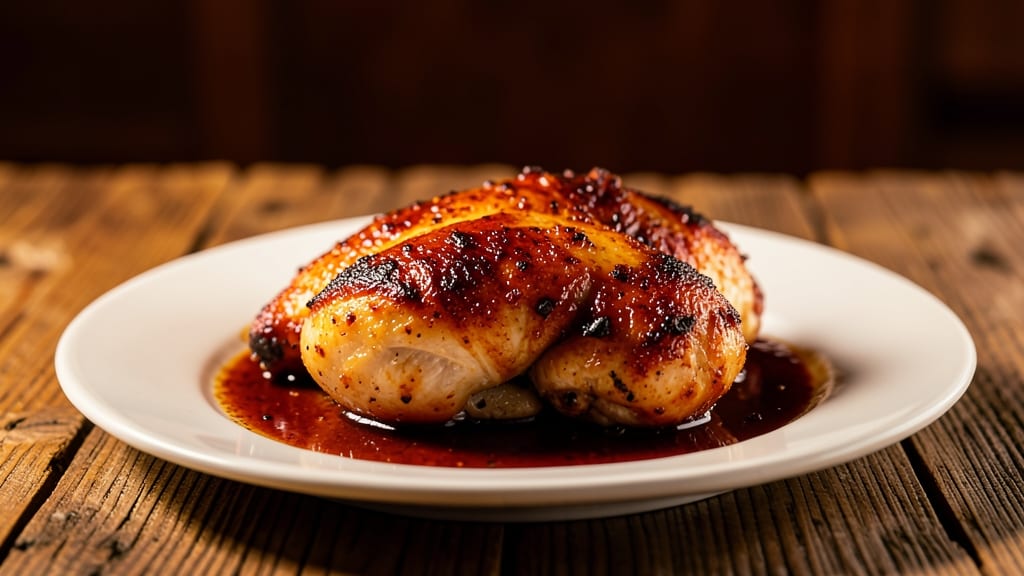
This Portuguese chicken recipe delivers the crispy celery crust and vinegar-kissed tenderness that make Portuguese home cooking so unforgettable. 🌟 After years of perfecting my grandmother’s Sunday roast chicken, I adapted this technique to create a dish that’s both authentically Portuguese and foolproof for home cooks.
The secret lies in the celery crust—crunchy on the outside, tender within—and the tangy vinegar marinade that transforms ordinary chicken into something extraordinary.
The beauty of this recipe is its balance between tradition and simplicity. You’ll use pantry staples like celery, garlic, and white wine to build layers of flavor, while the vinegar marinade tenderizes the chicken and adds a bright, acidic note that cuts through the richness.
It’s the kind of dish that feels special yet comes together in under an hour, making it perfect for weeknight dinners or Sunday family meals.
By the time you serve this, you’ll have golden-brown chicken with a crispy celery crust that shatters at every bite, and meat so tender it falls apart with just a fork.
The vinegar-kissed marinade ensures every slice is juicy and flavorful, while the aromatic herbs and spices transport you straight to a Portuguese table. This is the kind of recipe that turns a simple meal into a memorable experience.
Pair it with fluffy white rice, a crisp green salad, or warm crusty bread to complete the meal. The flavors are rich enough for a celebration but easy enough for any night of the week. Let’s get cooking—your taste buds will thank you.
Ingredients for portuguese chicken
Celery, garlic, and vinegar transform ordinary chicken into Portuguese magic.
| Ingredient | Amount | Notes |
|---|---|---|
| Whole Chicken 🍗 | 4 lb | Bone-in, skin-on preferred |
| Celery Stalks 🥬 | 2 cups | Finely chopped, fresh or frozen |
| Garlic Cloves 🧄 | 6 cloves | Peeled, minced for marinade |
| White Wine Vinegar 🍷 | ½ cup | Dry, not balsamic |
| Olive Oil 🫒 | ¼ cup | Extra-virgin for richness |
| Fresh Parsley 🌿 | ¼ cup | Chopped, stems removed |
| Fresh Thyme 🌿 | 1 tbsp | Leaves only, or dried |
| Bay Leaves 🍃 | 2 whole | Fresh or dried |
| Salt 🧂 | 2 tsp | Kosher or sea salt |
| Black Peppercorns 🌶️ | 1 tsp | Freshly ground preferred |
| White Wine 🍷 | ¼ cup | Dry, same as vinegar |
| All-Purpose Flour 🌾 | ½ cup | For coating crust |
| Butter 🧈 | 2 tbsp | Unsalted, melted |
The celery is non-negotiable—it’s what gives that signature Portuguese crunch. Buy fresh stalks from the grocery store produce section (avoid pre-cut celery, which wilts fast), or grab frozen chopped celery if you’re in a pinch. For extra flavor, look for organic celery with vibrant green leaves—those leaves are edible too, but save them for garnish. The garlic should be fresh, plump cloves with no sprouts. If you’re feeling fancy, grab a head of garlic from Whole Foods or a local market—they often have better quality than the standard grocery store. And trust me, fresh thyme and parsley make all the difference here. Skip the dried if you can—fresh herbs add brightness that dried just can’t match.
No white wine vinegar? Apple cider vinegar or lemon juice works in a bind, but the flavor won’t be quite the same. Short on celery? Substitute with finely chopped fennel or extra parsley, but the texture won’t be identical. The flour is just for the crust—if you’re gluten-free, use almond flour or cornstarch. For the wine, any dry white will do—Sauvignon Blanc or Pinot Grigio are classic choices. Pro tip: If you’re using dried herbs, toast them lightly in a dry pan for 30 seconds to wake up the flavors. And if you’re worried about the vinegar being too sharp, add a teaspoon of honey to the marinade to balance it out.
This chicken tastes even better the next day—make extra and save leftovers for sandwiches or salads. Store any uneaten marinade in a sealed jar in the fridge for up to 1 week, and use it to baste other proteins or toss with roasted veggies. The crust keeps its crunch for about 2 days if stored in an airtight container, but it’s best enjoyed fresh. For a make-ahead shortcut, prep the marinade and crust mix the night before, then cook the chicken in the morning. It’s the perfect way to turn a busy weekday into a flavor-packed dinner.
Why You'll Love This Recipe
- One-Pot Magic: I swear by this recipe—just toss the whole chicken, chopped celery, and garlic into a pot with olive oil and vinegar, then let it simmer. No cutting boards, no mess, no stress. The celery softens into the broth, and that’s basically flavor gold right there.
- Garlicky Vinegar Kiss: That white wine vinegar and garlic combo? It’s the secret weapon. The acid brightens the chicken while the garlic infuses every bite with a warm, aromatic punch—like a hug in a pan. (Yes, even on a Tuesday night.)
- Leftovers That Shine: This chicken tastes better the next day. I’ll make a big batch on Sunday, shred it for sandwiches, or toss it into salads—no one ever guesses it’s reheated. The flavors meld into something even richer.
- Budget-Friendly Feast: A whole chicken costs less than takeout, and the celery and garlic stretch the meal effortlessly. Honestly, it’s my go-to for feeding the family without breaking the bank. Plus, the leftovers keep for days. Win.
Step-by-step instructions for Portuguese chicken with celery crust
Here's how to achieve that signature crispy crust and melt-in-your-mouth tenderness.
🍳 Step 1: Marinate the Chicken for Maximum Flavor
In a large bowl, combine the 0.5 cup white wine vinegar, 0.25 cup olive oil, 6 cloves minced garlic, 1 tbsp fresh thyme, 2 tsp salt, 1 tsp black peppercorns, 2 whole bay leaves, and 0.25 cup white wine. Mix until the vinegar and oil emulsify slightly—this creates the tangy base that tenderizes the meat.
Place the 4 lb whole chicken in the marinade, turning to coat all sides completely. Cover and refrigerate for at least 4 hours (overnight is even better). The acid in the vinegar breaks down proteins, while the aromatics infuse every bite. Don't skip this step—it's what makes the chicken truly tender.
👨🍳 Step 2: Create the Celery Crust Mixture
In a food processor, pulse the 2 cups chopped celery stalks until you have a coarse, sand-like texture—think fine breadcrumbs. Transfer to a bowl and stir in the 0.5 cup all-purpose flour and 2 tbsp melted butter. The celery adds a subtle crunch and absorbs moisture beautifully.
Here's the thing—this crust needs to stick to the chicken like armor. Spread the celery mixture on a plate and press the chicken into it, coating every inch of skin. The flour helps it adhere while the celery brings that signature Portuguese texture. Let it sit for 10 minutes while you preheat the oven to 400°F.
🔥 Step 3: Roast Until Golden and Juicy
Place the chicken on a wire rack set in a roasting pan (the rack ensures crispy skin all around). Roast for 60 minutes, then flip the chicken over and continue roasting for another 20-25 minutes until the skin is deep golden brown and crispy, and the internal temperature reaches 165°F in the thickest part of the thigh.
I know it's tempting to peek, but resist! Every time you open the oven, you lose heat and steam, which can make the skin soggy. The celery crust should be crisp enough to hold its shape when you press it gently with tongs. If it's not brown enough after 25 minutes, broil for 2-3 minutes at the end.
⏰ Step 4: Rest and Garnish for Perfect Texture
Transfer the chicken to a cutting board and tent loosely with foil. Let it rest for 15 minutes—this crucial step allows the juices to redistribute so every slice stays moist. While it rests, heat the 0.25 cup fresh parsley in a small pan with 1 tablespoon olive oil for 30 seconds until fragrant.
Carve the chicken and drizzle with the parsley oil. The crust should remain crispy while the meat stays impossibly tender. Serve immediately with crusty bread to soak up those delicious juices. This dish tastes even better the next day, but the crust loses crispness—so enjoy it fresh!
Pro Tips For Making Portuguese Chicken
- Brown the Chicken First: Don’t skip the searing step—get that chicken golden on all sides in a hot pan with olive oil before adding anything else. I learned this the hard way: skipping it means bland, pale chicken that soaks up liquid instead of developing flavor.
- Mince the Celery Fine: Chop the celery into tiny pieces—think rice-sized—not thick chunks. It blends better into the sauce and adds texture without making your dish look like a stew. (Yes, it takes a few extra minutes, but it’s worth it.)
- Deglaze with Vinegar: After browning the chicken, splash in that white wine vinegar immediately—it’s the secret to cutting through the fond and lifting flavors. Let it bubble for 30 seconds before adding anything else, or you’ll dilute the sauce too soon.
- Rest the Chicken: Pull the chicken out of the oven or pot and tent it with foil for 5-10 minutes. I know, you’re hungry, but skipping this step means dry meat and lost juices—especially important for a whole bird. (Your future self will thank you.)
Perfect pairings for this recipe
Portuguese Side Dishes
Start with Portuguese white rice—simple but essential. Cook 1 cup jasmine rice with 2 cups chicken broth (use the leftover marinade for extra flavor!) and 1 bay leaf. The rice absorbs the savory notes perfectly, balancing the chicken’s tangy crust. 🌾
For a fresh contrast, try Portuguese kale salad (couve à portuguesa). Massage 4 cups chopped kale with 2 tbsp olive oil, 1 tbsp lemon juice, 1 minced garlic clove, and ½ tsp salt. The peppery bite cuts through the richness of the chicken beautifully.
Bread Pairings
No Portuguese meal is complete without pão de alho—garlic bread so good it’s practically a dish itself. Toast a baguette with 4 tbsp softened butter, 3 minced garlic cloves, and 1 tbsp chopped parsley. The garlic’s warmth complements the chicken’s vinegar tang. 🥖
Wine Recommendations
Portuguese wines are your best bet! A crisp Vinho Verde from the Minho region—like Quinta da Pena Branca—pairs perfectly with the dish’s acidity. Its light body and citrus notes refresh your palate between bites.
For red lovers, try a Douro red like Quinta do Crasto—bold enough to stand up to the celery crust. 🍷
Beer Options
Skip the heavy lagers and go for a Portuguese lager like Sagres or Super Bock. Their subtle malt sweetness balances the vinegar’s sharpness without overpowering the dish. For craft beer fans, a Belgian witbier (like Stella Artois’ Belgian-style) adds a citrusy twist that echoes the chicken’s marinade. 🍺
Finishing Touches
Drizzle the chicken with Portuguese piri-piri sauce for heat lovers—just 1 tbsp adds a smoky kick. For a lighter touch, sprinkle with toasted breadcrumbs mixed with 1 tsp smoked paprika for extra depth. Garnish with lemon wedges to brighten every bite. 💫
Nutrition facts
Frequently asked questions
Why does this Portuguese chicken recipe use vinegar in the marinade?
The vinegar is key to both tenderness and flavor! The acid breaks down the chicken's proteins, creating a fork-tender texture while infusing bright, tangy notes that balance the richness. Traditional Portuguese cooking relies on vinegar (especially white wine vinegar) to tenderize meat and build complex flavors.
Can I make this recipe with chicken thighs instead of a whole chicken?
Use 6 bone-in, skin-on thighs instead of a whole chicken. Marinate them for 2-3 hours (thighs need less time than whole birds), then coat with the celery crust and roast at 400°F for 30-35 minutes until golden and crispy. The cooking time will be shorter, but the technique remains identical.
What's the secret to getting the celery crust extra crispy?
Three things:
- Pat the chicken dry before coating,
- Use a wire rack in your roasting pan (not direct contact with the pan), and
- Broil for 2-3 minutes at the end if needed. The flour in the crust helps it crisp, but proper airflow is what makes it shatter like Portuguese tradition demands.
How can I adapt this for a weeknight when I'm short on time?
Prep the marinade and crust mixture the night before, then store them separately in the fridge. In the morning, coat the chicken and roast it while you handle other dinner tasks. The marinade can even be made 2 days ahead—just keep it refrigerated and use it within 48 hours for best results.
Is there a way to make this gluten-free?
Yes! Replace the all-purpose flour in the crust with almond flour or cornstarch (use the same amount). The celery will still provide texture, though the crust may be slightly less crisp. For extra binding, add 1 egg white to the mixture before coating the chicken.