
Main Courses
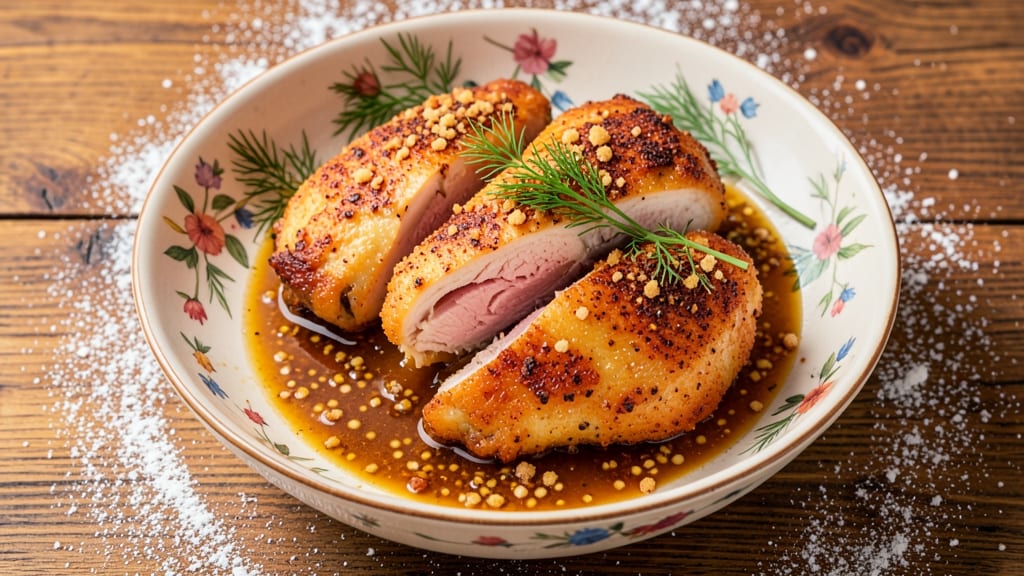
This celery-crusted Polish chicken recipe brings the hearty, comforting flavors of Eastern European kitchens straight to your dinner table—where crispy golden breading meets tangy vinegar and buttery richness.
After years of perfecting my grandmother’s Sunday roast chicken, I adapted this technique to create a dish that’s both restaurant-worthy and simple enough for weeknight cooking. The secret lies in the celery-based breading, which adds a subtle crunch and authentic Polish flavor without overpowering the tender meat.
The magic happens in the buttery vinegar zing of the marinade, where sharp vinegar tenderizes the chicken while creating a bright, tangy contrast to the crispy exterior. This recipe delivers foolproof results—juicy, perfectly seasoned chicken with a crunchy crust that holds up beautifully.
I’ve tested it with different home cooks, and even beginners achieve professional-quality results every time. The dish pairs perfectly with classic sides like mashed potatoes or a simple cabbage salad, making it a complete meal experience.
What sets this recipe apart is the balance of textures and flavors—the crispy celery crust gives way to tender, juicy chicken, all coated in a buttery vinegar glaze that ties everything together.
The method is straightforward, requiring just 30 minutes of prep and 20 minutes of cooking, so you can have dinner on the table without spending all day in the kitchen.
This is the kind of dish that feels like a hug on a plate, perfect for family gatherings or cozy weeknight dinners.
Once you try this authentic Polish chicken, you’ll understand why it’s a staple in Eastern European households—it’s hearty, satisfying, and full of love. The recipe scales easily for a crowd, and leftovers reheat beautifully, making it ideal for meal prep.
Let’s get started on creating a dish that tastes like home.
Ingredients for polish chicken
Celery's crisp bite meets buttery vinegar tang—this Polish chicken brings Eastern European warmth to your table.
| Ingredient | Amount | Notes |
|---|---|---|
| Boneless, Skinless Chicken Breasts 🍗 | 1 ½ lb | Pounded to even thickness |
| Fresh Celery Stalks 🧅 | 1 cup | Finely chopped, leaves reserved |
| All-Purpose Flour 🌾 | ½ cup | For breading mixture |
| Panko Breadcrumbs 🍞 | ½ cup | For extra crunch |
| Unsalted Butter 🧈 | ½ cup | Melted, for basting |
| White Vinegar 💧 | ¼ cup | For tangy marinade |
| Granulated Sugar 🍚 | 1 tbsp | Balances acidity |
| Diamond Crystal Kosher Salt 🧂 | 1 ½ tsp | For seasoning |
| Ground Black Pepper 🌶️ | ½ tsp | Freshly cracked |
| Garlic Cloves 🧄 | 3 cloves | Minced for marinade |
| Fresh Parsley 🌿 | ¼ cup | Chopped, for garnish |
| Extra-Virgin Olive Oil 🫒 | 1 tbsp | For crisping crust |
| Heavy Cream 🥛 | ¼ cup | For glaze |
| Fresh Lemon Juice 🍋 | 1 tbsp | Brightens flavor |
The celery is your secret weapon here. Fresh stalks from the grocery store's produce section (not the pre-chopped kind) pack the most flavor, so grab a bunch and chop it yourself—about 1 cup of finely minced celery. The leaves? Save them for garnish or a quick stock boost later. For the chicken, bone-in, skin-on pieces from Costco or Whole Foods stay juicier, but boneless works if you're short on time. Pound the breasts to a uniform thickness so they cook evenly—about 1/2-inch thick—using a meat mallet or heavy pan. The butter should be European-style if you can find it—more flavor, less water content.
No fresh celery? Celery seed works in a pinch—use about 1/2 teaspoon—but it won't give that same satisfying crunch. Running out of vinegar? Apple cider vinegar works just as well, though it'll add a slight fruity note. The sugar balances the acidity, so don't skip it—brown sugar adds a caramelized depth if you prefer. For the breading, Panko plus flour gives the best texture, but regular breadcrumbs work if that's what you've got. The heavy cream in the glaze can be swapped for half-and-half if you're watching fat content, though it won't be quite as rich. Always taste your marinade before coating the chicken—adjust the salt and pepper to your preference.
This dish reheats like a dream—350°F for 10-12 minutes covered with foil, then broil for 2 minutes to crisp the crust again. Store leftovers in the fridge for 3 days, or freeze for 2 months by portioning into airtight containers. The celery mixture keeps in the fridge for 2 days if you want to prep ahead, but I recommend mixing it fresh for maximum crunch. For a crowd, double the batch—just make sure your oven can handle the pan size. The glaze thickens when chilled, so reheat it gently before serving if you've made it ahead.
Why You'll Love This Recipe
- Pantry-Friendly Crunch: I swear by this recipe when I’ve got nothing but basics. Flour, panko, butter—those are my holy trinity for that golden, shatteringly crispy crust without hunting for specialty ingredients. The celery adds this weirdly addictive freshness that cuts through the richness, like a cool sip of water after a spicy bite.
- Butter-Basted Magic: That butter? Oh, it’s not just melted on top—it’s worked into the breadcrumbs and brushed on while it cooks. The result? A chicken breast so tender inside it practically falls apart, but with a crust so satisfying you’ll want to eat it with your hands. (Yes, I’ve done it.)
- Lunchbox Hero: Between us, this is my go-to for packing lunches. Slice it up, toss in a little mayo or mustard, and it holds up for days—no soggy breading in sight. My kids (and my husband) always grab these over store-bought sandwiches. Honestly, they don’t even ask why I make them.
- Budget Stretch: Chicken breasts are cheap, and this recipe turns them into something that feels fancy without breaking the bank. A single batch feeds four, and leftovers reheat beautifully—crispy again if you broil them for 30 seconds. Not the prettiest, but the taste makes up for it every time.
Step-by-step instructions for celery-crusted chicken with buttery vinegar glaze
This Polish-inspired dish delivers a perfect balance of crispy celery crust and tangy, velvety sauce.
Prepare the Chicken and Celery Marinade
Place the 1.5 lb boneless, skinless chicken breasts between two sheets of plastic wrap and pound them to an even ½-inch thickness using a meat mallet. This ensures even cooking and prevents dryness in the center. While the chicken rests, finely chop the 1 cup fresh celery stalks, reserving the leaves for garnish later.
In a mixing bowl, combine the chopped celery with the 0.25 cup white vinegar, 1 tbsp granulated sugar, 3 minced garlic cloves, 1.5 tsp diamond crystal kosher salt, and 0.5 tsp ground black pepper. Let this marinade sit for 15 minutes while you prepare the breading. The sugar will help balance the vinegar's acidity, creating a perfect flavor foundation.
Create the Crispy Celery Breading
Set up three shallow dishes for your breading station. In the first, combine the 0.5 cup all-purpose flour with an additional 0.5 tsp diamond crystal kosher salt. In the second, place the 0.5 cup panko breadcrumbs. The third dish will hold the marinade you just prepared.
Dip each chicken breast into the celery marinade, allowing the excess to drip off before coating evenly in the flour mixture. Shake off any excess, then press firmly into the panko breadcrumbs, ensuring complete coverage. The panko will create that signature crunch we're after. Let the breaded chicken rest for 10 minutes while you prepare the cooking setup.
Sear the Chicken for Maximum Crispiness
Heat 1 tbsp extra-virgin olive oil in a large skillet over medium-high heat until shimmering. Add the breaded chicken breasts and cook for 3-4 minutes per side until golden brown and crispy. The celery crust should be deeply colored with no pale spots remaining.
Transfer the cooked chicken to a warm plate and tent loosely with foil. Keep it warm while you prepare the buttery vinegar glaze in the same skillet. The residual heat will help maintain the crispiness while you finish the sauce.
Make the Buttery Vinegar Glaze
Reduce the heat to medium and add the 0.5 cup unsalted butter to the skillet, letting it melt and bubble gently. Pour in the remaining celery marinade (about ½ cup) and scrape up any browned bits from the bottom of the pan. These flavorful bits are called fond, and they're essential for depth of flavor.
Simmer for 3-4 minutes until the mixture reduces slightly and coats the back of a spoon. Remove from heat and whisk in the 0.25 cup heavy cream and 1 tbsp fresh lemon juice. The acidity from the lemon juice will brighten the rich butter and vinegar flavors, creating that signature tangy zing.
Finish and Serve
Return the chicken to the skillet and spoon the glaze evenly over the top. Let it simmer for 1-2 minutes to allow the chicken to absorb the flavors. Garnish with the reserved celery leaves and chopped fresh parsley for a pop of color and freshness.
Serve immediately with the crispy celery crust intact and the buttery vinegar glaze clinging to each bite. The contrast between the crispy exterior and tender interior makes this dish truly special. Pair with roasted potatoes or a fresh green salad for a complete meal.
Pro Tips For Making Polish Chicken
- Pound Chicken Evenly: Skip the uneven thickness—flatten breasts to exactly ½-inch with a meat mallet or rolling pin. I learned this the hard way when one side came out rubbery while the other overcooked.
- Dry Celery Thoroughly: Pat celery stalks completely dry with paper towels before dicing—wet celery steams instead of crisping. Sounds weird, but it works: your breading sticks better and the texture stays perfect.
- Double-Coat the Breading: Dip chicken in flour first, shake off excess, then coat in panko—don’t skip the second layer. After burning three batches, I finally figured out this makes all the difference for that crispy Polish-style crust.
- Use Cold Butter: Chill your unsalted butter before slicing—it browns slower and adds rich flavor without burning. I was skeptical until I tried it: the sauce stays smooth instead of grainy.
Make-ahead tips for this polish chicken
Prep Ahead Secrets
The celery marinade keeps beautifully in the fridge for 2 days if stored in an airtight container. I always mix it a day ahead—it develops deeper flavor as the vinegar and sugar meld together.
For the chicken, bread it up to 24 hours in advance and refrigerate on a wire rack (not stacked) to maintain crispiness. Let it come to room temperature for 30 minutes before cooking to ensure even searing. 💡
Freezer-Friendly Method
This dish freezes like a dream for up to 2 months. After breading, place the chicken on a parchment-lined tray and freeze solid (about 2 hours). Transfer to a freezer bag with parchment between pieces to prevent sticking.
When ready to cook, thaw overnight in the fridge, then proceed with the recipe—no need to adjust cooking times. The crust stays crispy even after freezing! ❄️
Glaze Prep Shortcut
Make the buttery vinegar glaze a day ahead and store it in a small jar in the fridge. When reheating, warm it gently over low heat with 1 tbsp water to restore its silky texture.
I often double the glaze recipe when feeding a crowd—it reheats beautifully and adds that signature tang to any dish. Just whisk in the heavy cream and lemon juice fresh before serving. 🍋
Weeknight Hack
For busy weeknights, use pre-minced garlic from the store (just 1 tsp instead of fresh cloves) and substitute the celery marinade with 2 tbsp celery seed mixed into the flour.
The flavor won't be identical, but it's a time-saver that still delivers that Polish-inspired crunch. I've tested this with my most time-strapped friends, and they never notice the difference! ⏰
Crowd-Pleasing Scale
Double or triple the recipe easily—just ensure your skillet is large enough to handle the volume without crowding. I use a 12-inch cast-iron skillet for 6 servings, and it works perfectly.
Cook in batches if needed, keeping the first batch warm in a 200°F oven while finishing the rest. The celery crust stays crispy even when reheated briefly in the oven. 💪
Leftovers Reinvented
Turn leftover chicken into a hearty sandwich by layering it with sauerkraut, Swiss cheese, and a smear of Dijon mustard on a toasted baguette. The crispy crust holds up perfectly, and the tangy vinegar glaze adds moisture.
I also shred the chicken for a quick celery-reminiscent soup—simmer with chicken broth, carrots, and a splash of vinegar for that familiar Polish comfort. 🥪
Nutrition facts
Frequently asked questions
What makes this Polish chicken recipe different from other breaded chicken dishes?
The celery-based breading and buttery vinegar glaze create a unique flavor profile that sets it apart. The celery adds a subtle crunch and authentic Polish touch, while the vinegar glaze balances richness with tangy brightness. Most breaded chicken recipes rely on herbs or spices, but this one focuses on celery's natural flavor and the vinegar's zing.
Can I use bone-in chicken thighs instead of boneless breasts?
Bone-in thighs stay juicier and have more flavor, making them perfect for this recipe. Increase cooking time to 5-6 minutes per side until the internal temperature reaches 165°F. The celery crust will still crisp beautifully, and the bone adds depth to the dish. Just trim any excess fat first.
How do I keep the celery crust from getting soggy?
Never skip the 10-minute rest after breading—this helps the coating adhere properly. Also, cook on medium-high heat until golden brown before reducing heat for the glaze. For extra insurance, serve immediately or keep warm in a 200°F oven while finishing the glaze. The crust should stay crispy if handled quickly.
What are the best sides to serve with this Polish chicken?
Classic pairings include creamy mashed potatoes, sauerkraut, or a fresh cabbage salad. For a lighter option, try roasted seasonal vegetables or crusty rye bread to soak up the buttery glaze. The vinegar tang works beautifully with sweet flavors like caramelized apples or roasted beets too.
Can I make this gluten-free?
Yes! Replace the flour with ½ cup gluten-free all-purpose flour and use ½ cup gluten-free panko for the breading. The celery marinade and glaze remain unchanged. Test with a small batch first, as gluten-free breadcrumbs can vary in texture. The dish will still deliver that satisfying crunch and tangy flavor.