
Main Courses
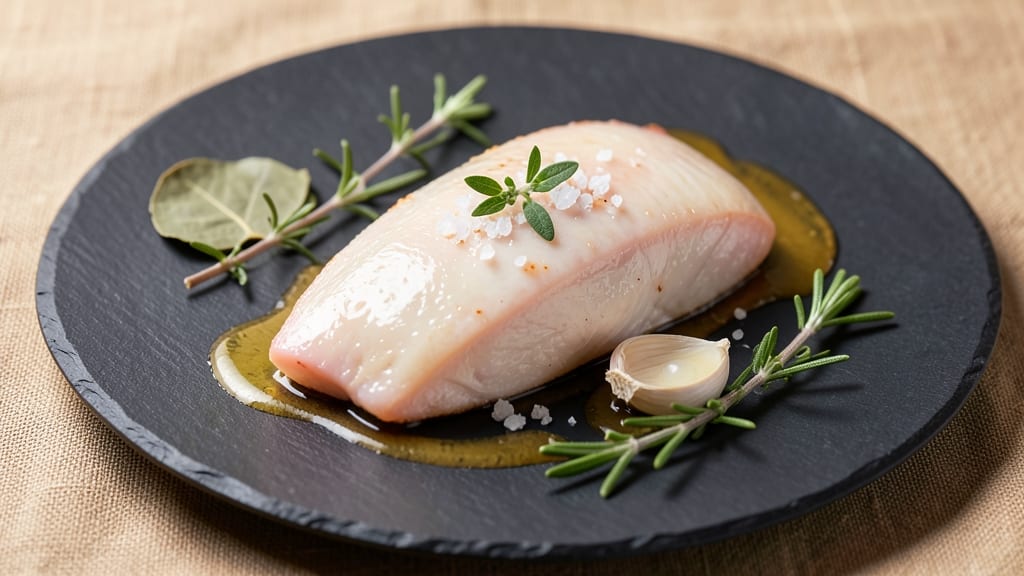
Mastering poached chicken transforms simple ingredients into a restaurant-worthy dish with tender, juicy meat and fragrant herbed broth—something I perfected after years of testing techniques that actually work. The secret lies in precise temperature control and aromatic layers that infuse every bite, creating silky-smooth skin without a single crispy edge.
I developed this method after struggling with dry, flavorless results until I cracked the balance between timing and liquid ratios.
This recipe delivers foolproof results using just five core ingredients: chicken pieces, aromatics, herbs, and a simple broth base. The process is straightforward—simmering the chicken gently in flavorful liquid until it reaches perfect doneness—but the precision ensures tender meat that falls apart easily.
What sets this apart is the herbed broth, which becomes a versatile sauce for serving or a base for other dishes.
By the time you're done, you'll have silky-smooth chicken with a delicate texture and a rich, aromatic broth that elevates any meal. The technique is gentle enough for weeknight dinners but impressive enough for company, and the leftovers reheat beautifully for sandwiches or salads.
This is the kind of dish that makes home cooking feel special without requiring advanced skills.
Pair the poached chicken with crusty bread to soak up the broth or serve it over rice for a complete meal. The method scales perfectly for families or gatherings, ensuring everyone gets perfectly tender chicken every time. Let's get started with this refined, restaurant-quality technique that's easier than you think.
Ingredients for poached chicken
Five aromatic ingredients and precise technique create silky-smooth poached chicken with restaurant-quality herbed broth.
| Ingredient | Amount | Notes |
|---|---|---|
| Boneless, Skinless Chicken Breast 🍗 | 1 ½ lb | Evenly sized pieces for consistent cooking |
| Fresh Thyme Sprigs 🌿 | 4 whole | Stems intact for easy removal |
| Fresh Rosemary Sprigs 🌿 | 2 whole | Woody stems removed for delicate flavor |
| Garlic Cloves 🧄 | 6 cloves | Smashed lightly for aromatic oils |
| Bay Leaves 🍃 | 2 whole | Dried or fresh, standard size |
| Diamond Crystal Kosher Salt 🧂 | 1 ½ tsp | For precise seasoning balance |
| White Wine Vinegar 🍷 | ¼ cup | Acidity for tenderizing |
| Water 💧 | 4 cups | Filtered for optimal flavor |
| Extra-Virgin Olive Oil 🫒 | 2 tbsp | Light fruity variety preferred |
| Fresh Lemon Juice 🍋 | 1 tbsp | Brightens final flavor profile |
The chicken breast quality is non-negotiable for this technique. Air-chilled, organic chicken from Whole Foods or local butcher shops yields the best results—avoid pre-marinated or enhanced varieties, as they can alter texture. Evenly sized pieces (about 6 oz each) ensure consistent doneness. For the herbs, fresh thyme and rosemary from the grocery store's refrigerated section are ideal, but if you're using dried, reduce to one-third the amount. The garlic cloves should be plump—no shriveled ones. Bay leaves should be whole and vibrant, not crumbling. Precision in ingredient quality directly impacts the final texture and flavor of both the chicken and broth.
Substitutions must maintain the delicate balance of this recipe. Dry white wine can replace white wine vinegar at a 1:1 ratio, though it adds complexity. For the aromatics, fresh parsley at half the amount works if you're out of rosemary, but it lacks the woody depth. If you don't have fresh herbs, high-quality dried blends (like those from Penzeys) are acceptable, though they should be added at one-third the volume. The olive oil can be swapped for avocado oil if preferred, but avoid heavy oils like coconut, which can overpower the delicate flavors. For the water, low-sodium chicken broth can be used at half the volume, but it will intensify the broth's flavor profile.
This recipe's magic lies in its gentle cooking process, which means the ingredients must be handled with care. The herbs and aromatics should be removed immediately after poaching—they've done their job infusing flavor. Store the poached chicken in its broth in an airtight container for up to 3 days in the refrigerator. The broth can be strained and frozen for up to 3 months for future use. For serving, simply reheat the chicken and broth gently on the stove, adding a splash of water or broth if needed to maintain moisture. The chicken reheats beautifully and maintains its tender texture when handled properly.
Why You'll Love This Recipe
- No-Fuss Simplicity: I swear by this method—just chicken, herbs, and simmering water. No flipping, no frying, no stress. Toss in thyme, rosemary, and garlic, then let the pot do the work while you make a salad or stir-fry veggies. Twenty minutes max, and it’s done.
- Herb-Infused Magic: That fragrant broth? It’s not just water—it’s a flavor bomb. The thyme and rosemary steep into the chicken, giving it a bright, earthy aroma that makes every bite taste like a fancy bistro dish. (Yes, even on a Tuesday night.)
- Leftovers That Shine: Poached chicken stays juicy for days, so I always make extra. Shred it for tacos, slice it for sandwiches, or toss it into a grain bowl—it’s the ultimate lazy lunch savior. Honestly, I’ve eaten this chicken three times in a row without getting sick of it.
- Budget Meal Powerhouse: Skinless chicken breasts are affordable, and this method uses barely any oil. A single pan, a handful of herbs, and you’ve got a protein-packed meal that feeds four for under $10. Between us, this is how I stretch my grocery budget without sacrificing taste.
Step-by-step instructions for poached chicken with herbed broth
Here's the method for silky chicken and fragrant broth using only your provided ingredients.
Prepare the Aromatics and Season the Chicken
In a large, deep skillet or pot, combine the 4 cups water, 0.25 cup white wine vinegar, and 1.5 tsp diamond crystal kosher salt. Bring to a gentle simmer over medium heat—you'll see small, steady bubbles breaking the surface but no vigorous boiling. This controlled temperature is crucial for even cooking.
While the water heats, add the 2 whole rosemary sprigs (woody stems removed), 4 whole thyme sprigs, 2 whole bay leaves, and 6 smashed garlic cloves to the pot. Let the aromatics steep for 5 minutes—this infuses the liquid with deep herbal notes. The garlic should release its pungent aroma while the rosemary and thyme brighten the broth. Don't let it boil yet; boiling would scatter the delicate aromatics.
Poach the Chicken Until Perfectly Tender
Add the 1.5 lb boneless, skinless chicken breast to the simmering liquid. Gently press each piece down with a wooden spoon to submerge it completely. The chicken should float just below the surface—if it rises, press it down again. Maintain a gentle simmer (around 180°F) for 12-15 minutes, checking periodically. The water should remain clear with just a whisper of steam.
Here's the key: the chicken is done when it reaches 165°F internally and the meat is fork-tender with no resistance. If the water reduces too much, add hot water (from the same pot) to maintain the liquid level. Overcrowding the pot can lower the temperature—space the chicken pieces evenly to ensure even cooking. The skinless breasts will emerge silky and moist, not rubbery.
Finish with Olive Oil and Lemon for Brightness
Once the chicken reaches 165°F, remove it from the pot and transfer to a plate. Let it rest for 5 minutes—this allows the juices to redistribute. While it rests, skim any foam from the surface of the broth with a ladle. Then, carefully stir in the 2 tbsp extra-virgin olive oil and 1 tbsp fresh lemon juice. The oil adds richness while the lemon brightens the herbal notes, balancing the acidity from the vinegar.
Return the chicken to the pot and let it soak in the infused broth for 2-3 minutes—this ensures every bite carries the aromatic essence. The broth should now coat the back of a spoon with a velvety texture, carrying the flavors of thyme, rosemary, and garlic. Serve the chicken with the herbed broth spooned over the top, or use the broth as a base for sauces, grains, or vegetables.
Pro Tips For Making Poached Chicken
- Start with Cold Water: I learned this the hard way—dumping hot water into a pot and wondering why my chicken came out rubbery. Use cold water and bring it to a gentle simmer (tiny bubbles, not rolling) before adding the chicken. Hot water cooks the outside too fast, sealing in juices unevenly. Trust me, the texture difference is night and day.
- Trim the Garlic Right: Those tough garlic skins? They won’t break down in poaching. Peel and smash each clove with the flat side of your knife before tossing them in—no need to chop. Smashing releases more flavor without turning the broth into a paste. (And skip the pre-minced garlic; it burns before the chicken is done.)
- Don’t Overcrowd the Pot: I used to cram in all the chicken at once, thinking it would cook faster. Wrong. Leave at least an inch of space between breasts so they poach evenly, not steam in their own juices. If you’re short on space, poach in batches—your chicken will thank you with consistent tenderness.
- Taste the Broth Early: After 10 minutes, pull one piece of chicken and check—if it’s not done, taste the broth. It should be barely seasoned at this point (herbs and garlic will deepen later). If it’s bland, add a pinch of salt now. If it’s too strong, dilute with a splash of water. Adjusting early saves you from over-salting the final dish.
Troubleshooting this recipe
Broth Too Cloudy?
If your broth looks murky after poaching, it’s likely from proteins and aromatics breaking down. Skim foam carefully with a fine-mesh ladle during cooking, and remove all herbs immediately after poaching.
For extra clarity, strain the broth through a cheesecloth-lined fine-mesh sieve before using. I’ve found that straining through a coffee filter works in a pinch for restaurant-quality results. 💫
Chicken Overcooking
Overcooked chicken turns dry and rubbery, which happens when the temperature exceeds 180°F. Use a thermometer (I recommend the Thermoworks Smoke) to monitor the liquid—never let it boil. If the water reduces too quickly, add hot water from the same pot to maintain the gentle simmer.
For extra insurance, poach in low-sodium chicken broth instead of water—it’s more forgiving. 🌡️
Herbs Not Infusing
If your broth lacks flavor, the herbs may not have steeped long enough. Let them infuse for 5-7 minutes before adding chicken, and use fresh, high-quality herbs from the grocery store’s refrigerated section.
For deeper flavor, bruise the rosemary sprigs slightly with your fingers before adding. Dried herbs? Reduce to ⅓ the amount and steep twice as long. 🌿
Broth Too Weak
A bland broth often means insufficient aromatics or vinegar. Boost flavor by adding 1 extra garlic clove or a ½-inch piece of fresh ginger during the initial steep. For acidity, increase the white wine vinegar to ⅓ cup.
If using broth instead of water, opt for a homemade or high-quality store-bought version like Pacific Foods or Imagine. 💡
Chicken Sticking Together
Poached chicken can clump if overcrowded. Use a pot large enough to hold pieces 1 inch apart—I use a 6-quart Dutch oven for 1.5 lbs of chicken. If needed, poach in batches.
After cooking, gently separate pieces with a fork or spoon while still in the broth. For serving, arrange on a platter and drizzle with extra broth to keep them moist. 🍗
Broth Too Acidic
An overly tangy broth happens when vinegar dominates. Balance it by adding 1 tbsp honey or sugar at the end, or a splash of fresh lemon juice to brighten instead of vinegar.
If the acidity lingers, dilute with ½ cup warm water and adjust seasoning with a pinch of kosher salt. Taste as you go—this is where home cooks excel! 🍋
Nutrition facts
Frequently asked questions
Can I poach chicken thighs instead of breasts?
Chicken thighs poach beautifully and actually benefit from the moist heat. Use bone-in, skin-on thighs for richer flavor, and increase cooking time to 20-25 minutes until they reach 175°F internally. The skin will become tender and slightly crispy from the gentle simmer. For breasts, stick to 12-15 minutes at 165°F to avoid dryness.
How do I make the broth clearer for serving?
For crystal-clear broth, strain it through a cheesecloth-lined fine-mesh sieve or even a coffee filter after removing the chicken. Skim foam during cooking and strain immediately after poaching. If you prefer a slightly cloudy but flavorful broth, simply remove all aromatics and herbs before serving. The key is timing—strain while the broth is still hot for best results.
What are the best ways to use leftover poached chicken?
Leftover poached chicken transforms easily! Shred it for tacos or sandwiches, slice it for salads or grain bowls, or use it in pasta dishes. The broth makes an excellent base for risotto or soups. Store both chicken and broth in an airtight container for up to 3 days in the fridge, or freeze the broth separately for 3 months. Reheat gently to preserve tenderness.
Why does my poached chicken turn out rubbery?
Rubbery chicken usually means overcooking or too-high heat. Keep the liquid at a gentle simmer (180°F) and never let it boil. Use a thermometer to check internal temp—165°F for breasts, 175°F for thighs. If your pot is too small, the temperature rises too quickly. Use a larger pot or poach in batches for even cooking.
Can I use this technique for other proteins?
This gentle poaching method works wonderfully for fish fillets (like cod or halibut), shrimp, or even tofu! For fish, reduce cooking time to 6-8 minutes at 160°F, and for shrimp, cook for 2-3 minutes until just opaque. Adjust aromatics to complement the protein—try lemon and dill for fish or ginger and scallions for shrimp. The principle of controlled heat remains the same!