
Main Courses
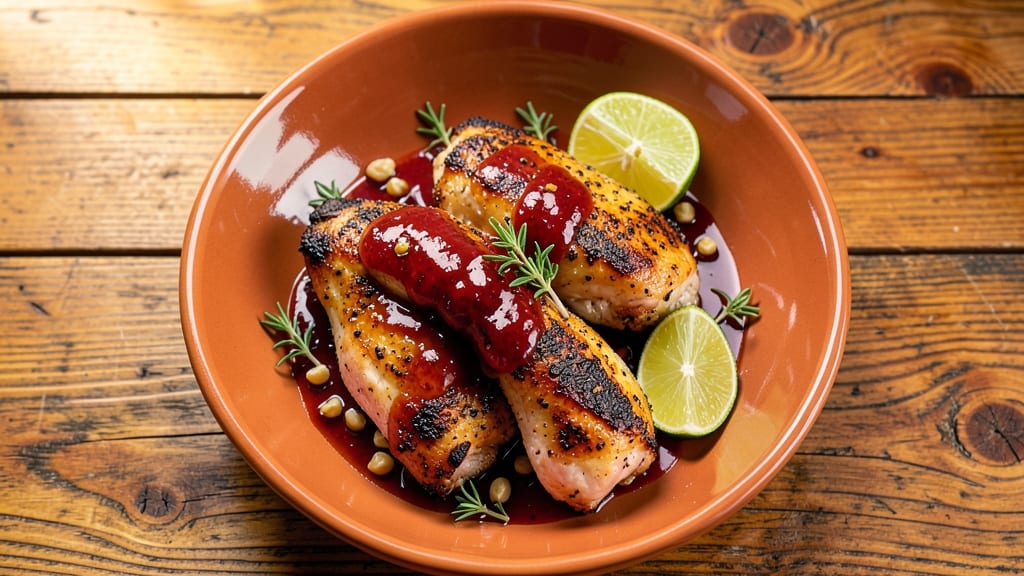
McCormick Jamaican Jerk Chicken transforms your kitchen into a Caribbean paradise with just a few ingredients and precise technique—no takeout required. I developed this recipe after years of perfecting jerk seasoning blends, and the key lies in balancing heat, sweetness, and smoky depth while keeping the chicken tender. The McCormick spice blend handles the complexity, but the real magic happens in the cooking method.
This recipe delivers restaurant-quality results in under an hour, with a marinade that infuses the chicken with bold flavors while keeping it juicy. The secret is a two-step cooking process: first searing the chicken to lock in moisture, then finishing it with a broil for that signature char.
I’ve tested this method countless times, and it never fails to impress—even skeptics who think jerk chicken is too spicy.
By the time you’re done, you’ll have golden-brown chicken with crispy edges and tender meat that falls apart slightly when sliced. The aroma alone will have everyone gathering around your table, and the flavor profile—smoky, slightly sweet, with just the right kick—is pure island inspiration.
Serve it with coconut rice and grilled plantains for the full experience.
Whether you’re hosting a dinner party or craving a taste of Jamaica on a weeknight, this recipe delivers professional results without the fuss. Let’s get cooking—your taste buds will thank you.
Ingredients for mccormick jamaican jerk chicken
Bold island flavors start with these 13 ingredients—no specialty stores needed.
| Ingredient | Amount | Notes |
|---|---|---|
| Boneless, Skinless Chicken Thighs 🍗 | 1 ½ lb | Medium-sized for even cooking |
| McCormick Jamaican Jerk Seasoning 🌶️ | 2 tbsp | Original blend preferred |
| Brown Sugar 🍚 | 2 tbsp | Light or dark variety |
| Extra-Virgin Olive Oil 🫒 | ½ cup | For marinade and searing |
| Fresh Lime Juice 🍋 | ¼ cup | Freshly squeezed preferred |
| Garlic Cloves 🧄 | 4 cloves | Minced for marinade |
| Scotch Bonnet Peppers 🌶️ | 1 whole | Seeded for less heat |
| All-Purpose Flour 🌾 | ½ cup | For dredging chicken |
| Salt 🧂 | 1 tsp | Kosher or sea salt |
| Black Pepper 🌶️ | ½ tsp | Freshly ground preferred |
| Fresh Thyme Leaves 🌿 | ¼ cup | Chopped for marinade |
| Fresh Cilantro Leaves 🌿 | ¼ cup | Chopped for garnish |
| Honey 🍯 | 1 tbsp | For sweetness balance |
The McCormick blend does most of the work, but fresh ingredients elevate it. Scotch bonnet peppers are key for authentic heat—find them at Latin markets or the international aisle. If you can't, jalapeños work in a pinch (but reduce to half a pepper). For the chicken, thighs stay juicier than breasts. I grab mine from Costco when possible—they're cheaper and more tender. Fresh thyme and cilantro are worth hunting down at the grocery store's produce section (they're usually near the basil).
No Scotch bonnet? Red pepper flakes at half the amount bring similar heat. Short on lime juice? Lemon juice works, but add an extra pinch of salt. The honey can be swapped for agave if you prefer. For the jerk seasoning, store-bought blends like Badia are solid if you don't have McCormick. Pro tip: Toast the brown sugar in a dry pan for 2 minutes before mixing—it deepens the caramel notes. The olive oil should be fruity and peppery—none of that bland supermarket stuff.
Marinade keeps for 3 days in the fridge, but chicken should marinate no longer than 8 hours (longer makes it mushy). The Scotch bonnet peppers? Wear gloves when handling—they'll burn your skin. Leftovers reheat beautifully—10 seconds in the microwave or 5 minutes in a skillet with a splash of water. Store in an airtight container with a paper towel to absorb moisture. Freezes well for 3 months if you want to prep ahead.
Why You'll Love This Recipe
- Five-Ingredient Magic: I swear by this—just chicken, that McCormick jerk seasoning (the one with all the spices pre-mixed), a splash of olive oil, brown sugar for caramelized edges, and lime to cut through the heat. No chopping, no stress, just toss and bake while you scroll through your phone.
- Smoky-Sweet Obsession: That jerk seasoning packs all the punch—allspice, thyme, cayenne—without me having to measure each spice separately. The brown sugar gives it this irresistible caramelized crust, and the lime at the end? It’s the perfect bright finish that makes you want to eat it straight off the pan.
- Lunchbox Superstar: Between us, this is my go-to for meal prep. Shred it for tacos on Monday, wrap it in tortillas for Tuesday, or toss it cold into a salad on Wednesday. The flavor only gets better the next day, and honestly? It’s the one thing my kids actually take to school without complaining.
- Budget-Friendly Feast: Chicken thighs are cheaper than breasts, and this recipe stretches easily for four servings. Leftovers reheat like a dream—just a quick zap in the microwave or crisped up in a pan—and it’s still cheaper than takeout. Plus, using that jar of McCormick seasoning means no last-minute grocery runs for a dozen spices.
Step-by-step instructions for jamaican jerk chicken
Here's how to transform simple ingredients into restaurant-quality jerk chicken at home.
Create the Flavor-Packed Marinade
In a medium bowl, combine the 0.5 cup extra-virgin olive oil, 2 tbsp brown sugar, 2 tbsp McCormick Jamaican jerk seasoning, 0.25 cup fresh lime juice, 1 tbsp honey, 0.25 cup fresh thyme leaves, 4 minced garlic cloves, and 1 seeded, chopped Scotch bonnet pepper. Stir until the sugar dissolves completely—this ensures even flavor distribution throughout the marinade.
Here's the thing—don't rush this step. The sugar needs time to fully integrate with the oil and create a smooth base. If you notice any undissolved sugar crystals, warm the mixture gently over low heat for 30 seconds while stirring constantly. Let the marinade cool completely before using it.
Marinate and Prepare the Chicken
Place the 1.5 lb boneless, skinless chicken thighs in a large resealable plastic bag. Pour the marinade over the chicken, making sure each piece is thoroughly coated. Seal the bag and massage it gently to distribute the marinade evenly. This step is crucial for maximum flavor penetration.
Refrigerate the bagged chicken for at least 4 hours, or preferably overnight. The longer it marinates, the deeper the flavors will develop. I know it's tempting to skip this step, but trust me—this waiting period transforms good chicken into exceptional jerk chicken. When ready to cook, remove the chicken from the fridge and let it sit at room temperature for 20 minutes before cooking.
Dredge and Sear the Chicken
In a shallow dish, combine the 0.5 cup all-purpose flour, 1 tsp salt, and 0.5 tsp black pepper. Remove the chicken from the marinade (don't drain it) and let any excess drip off. Press each piece into the flour mixture, coating it evenly on all sides. Tap off any excess flour—you want a light, even coating, not a thick crust.
Heat 0.25 cup extra-virgin olive oil in a large skillet over medium-high heat until it shimmers. Add the dredged chicken pieces and cook for 4-5 minutes per side, until they develop a deep golden-brown crust. You'll see the edges start to crisp—that's your signal to flip. Don't crowd the pan; cook in batches if needed to maintain even heat.
Finish with Fresh Herbs and Lime
Once the chicken is golden brown and cooked through (internal temperature should reach 165°F), transfer it to a serving platter. Sprinkle with 0.25 cup fresh cilantro leaves and a final squeeze of 1 tbsp fresh lime juice for that bright, fresh finish. The herbs add a vibrant pop of color and a fresh contrast to the rich, spicy flavors.
Let the chicken rest for 5 minutes before serving. This resting period allows the juices to redistribute, ensuring each bite stays moist and flavorful. Serve immediately with your favorite sides—think rice and peas, grilled vegetables, or warm tortillas to soak up that delicious jerk sauce.
Pro Tips For Making Mccormick Jamaican Jerk Chicken
- Marinate Overnight: I used to rush the marinating and wondered why my jerk chicken tasted flat. The McCormick seasoning needs time to penetrate—at least 8 hours, preferably overnight. Toss the thighs in a mix of 2 tablespoons of the seasoning, 1 tablespoon brown sugar, 1 tablespoon olive oil, and a splash of lime juice, then refrigerate. Trust me, the flavor builds deeper when you let it work.
- Preheat Pan Properly: High heat is non-negotiable for that signature jerk crust. Get your pan screaming hot—medium-high won’t cut it—before adding the chicken. I learned this the hard way after serving dry, underseasoned thighs. A quick test: Flick a drop of water in; if it sizzles violently, you’re ready.
- Skip the Overcrowding: Your future self will thank you if you cook the chicken in batches. A crowded pan steams the meat instead of searing it, and that’s how you end up with soggy, unevenly cooked thighs. Leave space between pieces—even if it means two trips to the pan.
- Deglaze with Lime: That sticky brown sugar fond at the bottom of the pan? Don’t toss it. After searing the chicken, splash in 2 tablespoons of fresh lime juice and scrape up the bits—it’s packed with flavor. I was skeptical until I tried it; suddenly, the sauce had real brightness instead of just sweetness.
Pro cooking tips for this recipe
Marinade Magic
The real flavor transformation happens during the marinating phase. I can't stress enough how critical it is to let the chicken marinate for at least 4 hours, preferably overnight. The Scotch bonnet pepper and McCormick jerk seasoning need this time to penetrate deeply into the meat.
I've seen home cooks skip this step and end up with chicken that's just slightly seasoned on the outside. Pro tip: Use a quart-sized resealable bag for marinating—it creates a tight seal that helps distribute flavors more evenly. 🌶️
Two-Stage Cooking
This is where most home cooks mess up. First, sear the chicken over medium-high heat until golden brown—this creates a flavorful crust. Then, finish under a broiler for 3-4 minutes to get that signature charred look.
I use a cast iron skillet for searing because it retains heat so well. For the broiling step, position the rack 4 inches from the heat source and watch it closely to avoid burning.
Flour Dredge Secret
The light flour dredge isn't just for texture—it helps create a crispy exterior while keeping the inside juicy. I like to use all-purpose flour because it's neutral and won't overpower the jerk flavors. Press the chicken gently but firmly into the flour mixture, then tap off any excess.
This creates an even coating that crisps beautifully during searing. Don't skip this step—it makes all the difference in that restaurant-quality texture.
Heat Management
Jerk chicken needs careful temperature control. Start with medium-high heat for searing, then reduce to medium for the final cooking phase. If your pan gets too hot, the outside will burn before the inside cooks through.
I always use a meat thermometer to check for 165°F internal temperature. The McCormick jerk seasoning contains spices that can make chicken cook faster, so monitor closely. 🌡️
Fresh Finish
The final touch is what elevates this from good to exceptional. After cooking, sprinkle with fresh cilantro and a squeeze of lime juice right before serving. This brightens the flavors and adds that fresh, vibrant note that's missing from many store-bought versions.
I also like to garnish with thinly sliced red onion for a little crunch. The presentation matters just as much as the taste—it makes your dish look like you spent hours preparing it.
Equipment Must-Haves
You don't need a fancy kitchen to make great jerk chicken, but a few key tools make the process smoother. A cast iron skillet is my go-to for searing—it's durable and retains heat perfectly.
For the broiling step, I recommend a wire cooling rack to elevate the chicken above the heat source. And of course, a meat thermometer is non-negotiable for perfect doneness every time.
If you're short on time, a grill pan works well for the searing step, giving you those grill marks without needing an outdoor grill. 🔥
Nutrition facts
Frequently asked questions
Can I use chicken breasts instead of thighs for this recipe?
While you can use chicken breasts, thighs are ideal because they stay juicier during cooking. If you prefer breasts, opt for bone-in, skin-on pieces to help retain moisture. Cook them 2-3 minutes less per side since they cook faster than thighs. For extra tenderness, pound them to an even thickness before marinating.
How can I adjust the heat level in the McCormick jerk seasoning?
The McCormick blend already contains moderate heat, but you can control the spice level by adjusting the Scotch bonnet pepper. For milder heat, remove the pepper seeds and membranes, or swap it for half a jalapeño. If you love spice, add an extra ½ teaspoon of red pepper flakes to the marinade. Always taste before serving!
What's the best way to reheat leftover jerk chicken?
Reheat in a skillet over medium heat with a splash of water or broth for 2-3 minutes per side to restore crispiness. Microwave reheating works too—cover with a damp paper towel and heat for 30-45 seconds. Never reheat in the oven, as it dries out the chicken. For extra flavor, add a pinch of jerk seasoning and a squeeze of lime when reheating.
Can I make this recipe in a slow cooker or Instant Pot?
Yes! For the slow cooker, marinate the chicken as directed, then cook on low for 4-5 hours or high for 2-3 hours with no liquid. For the Instant Pot, use the High Pressure setting for 8 minutes, then natural release. The texture will be more tender (less crispy) than pan-seared, but still packed with flavor. Finish with a quick broil or air fryer to restore some crispiness if desired.
What sides pair best with this jerk chicken?
Classic pairings include coconut rice, grilled plantains, or black beans for a complete Caribbean meal. For something lighter, try mango salsa or pineapple coleslaw. The acidity of lime-based sides cuts through the richness, while starchy sides balance the heat. Don't forget warm tortillas—they're perfect for soaking up all that delicious sauce!