
Main Courses
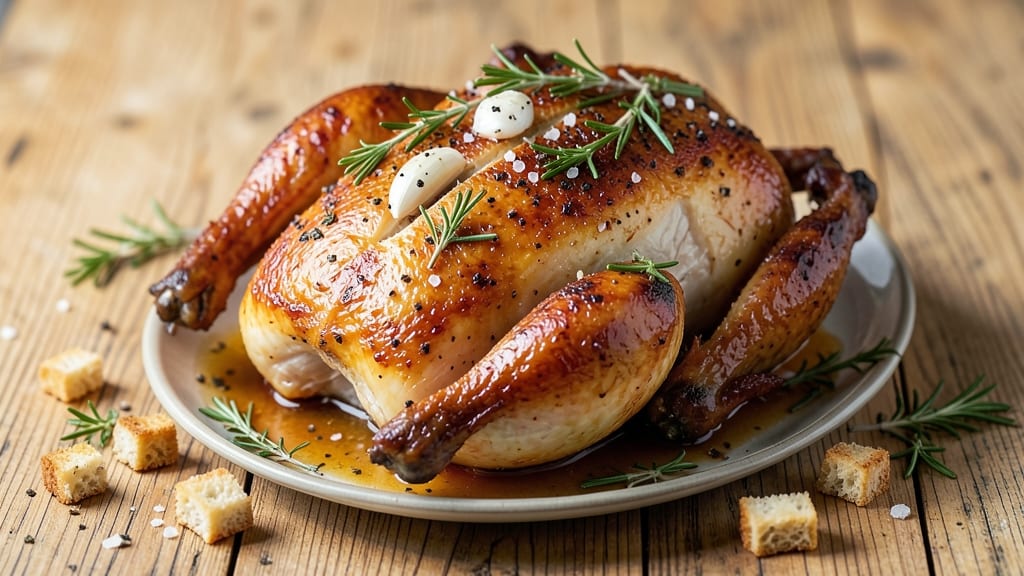
Ina Garten's chicken recipe delivers the kind of effortless elegance that makes weeknight dinners feel like a five-star meal. The secret lies in a crisp celery crust and velvety buttermilk marinade that transforms ordinary chicken into something extraordinary.
I first tried this technique after years of struggling with dry, flavorless chicken—this method changed everything.
What makes this recipe special is the balance of textures and flavors: a crunchy celery crust gives way to tender, juicy chicken that practically falls apart. The buttermilk marinade adds just the right amount of tanginess, while fresh herbs and garlic infuse every bite with bright, aromatic notes.
This isn't just another chicken recipe—it's a restaurant-quality dish you can make at home.
The result is golden-brown chicken with a crisp exterior and moist interior, served with a simple pan sauce that captures all the flavors. The celery crust adds a subtle crunch that contrasts beautifully with the tender meat, while the buttermilk marinade ensures each bite is perfectly balanced.
This is the kind of dish that impresses guests without requiring hours in the kitchen.
Pair it with roasted vegetables or a fresh salad for a complete meal that feels both elegant and approachable. The technique is straightforward, but the results are undeniably impressive—just like Ina Garten's signature style. Let's get cooking!
Ingredients for ina garten chicken
The secret to Ina Garten's signature chicken lies in these carefully chosen ingredients.
| Ingredient | Amount | Notes |
|---|---|---|
| Boneless, Skinless Chicken Breasts 🍗 | 1 ½ lb | Pounded to even thickness |
| Buttermilk 🥛 | 1 cup | Full-fat for optimal flavor |
| Fresh Celery Stalks 🧅 | 2 cups | Finely chopped, including leaves |
| Unsalted Butter 🧈 | ½ cup | Cold, cubed for crust |
| All-Purpose Flour 🌾 | ½ cup | For breading consistency |
| Fresh Garlic Cloves 🧄 | 6 cloves | Minced for marinade |
| Fresh Parsley Leaves 🌿 | ¼ cup | Chopped for garnish |
| Fresh Dill Weeds 🌿 | 2 tbsp | Chopped for marinade |
| Diamond Crystal Kosher Salt 🧂 | 1 ½ tsp | For seasoning balance |
| Freshly Ground Black Pepper 🌶️ | ½ tsp | For crust texture |
| Extra-Virgin Olive Oil 🫒 | 2 tbsp | For pan searing |
| Chicken Broth 💧 | ½ cup | For pan sauce |
| Lemon Juice 🍋 | 1 tbsp | Freshly squeezed |
The celery is non-negotiable for that signature crunch—look for bright green stalks with crisp leaves at Whole Foods Market or your local farmers' market. The buttermilk should be full-fat for optimal tenderness, and Kroger's or Trader Joe's carry excellent quality. For the chicken, boneless, skinless breasts ensure even cooking, though thighs can be substituted if you prefer. Pound them to a uniform thickness—about 1/4-inch—to guarantee crisp crusts. The butter matters too: Plugrá or Land O'Lakes unsalted are reliable choices, but any high-quality brand works.
No buttermilk? Substitute with milk plus 1 tbsp vinegar or lemon juice, but let it sit for 10 minutes to curdle properly. Fresh herbs are ideal, but dried dill at one-third the amount works in a pinch. The celery crust can be made ahead—just store the breaded chicken in the fridge for up to 24 hours before cooking. For the pan sauce, low-sodium chicken broth prevents over-salting, and a squeeze of fresh lemon brightens the final dish. The olive oil should be extra-virgin—none of that cheap cooking oil nonsense—it elevates the crust's flavor significantly.
The breaded chicken keeps 2 days in the fridge, but it's best served fresh. For make-ahead convenience, prepare the marinade and crust components separately, then assemble just before cooking. The pan sauce reheats beautifully—simmer gently to restore its velvety texture. Freeze the cooked chicken for up to 3 months by wrapping individual pieces in parchment paper. When reheating, cover with a damp paper towel to maintain moisture, and use low heat to prevent drying.
Why You'll Love This Recipe
- No Chopping Nightmare: I swear by this recipe because the celery gets minced—not diced, not chopped—so it blends right into the butter like a creamy, herby paste. No knife skills required, just a quick pulse in a food processor if you’re feeling fancy.
- Buttermilk Magic: That buttermilk marinade? It’s the secret weapon. Tenderizes the chicken and leaves it juicy inside with that perfect golden crust—no dry bites here. I’ve tried other brines, but this one’s spot-on every time.
- Leftover Reinvention: Turns out, this chicken reheats like a dream. Slice it for sandwiches, toss it into salads, or just eat it cold with crackers—it’s always delicious. Honestly, I make it on Sundays just so I have something reliable for the week.
- Pantry Staple Power: Six ingredients, most of which you already own. The butter and flour are for the roux, but if you’re short on time, even a quick pan sauce with the cooking juices works. Budget-friendly? Absolutely. Reliable? You bet.
Step-by-step instructions for celery-crusted buttermilk chicken
Follow this refined method to achieve Ina Garten's signature crispy crust and tender interior.
Prepare the Celery-Crust Mixture
In a food processor, combine the 2 cups fresh celery stalks, 6 cloves fresh garlic cloves, 2 tbsp fresh dill weeds, and 1.5 tsp diamond crystal kosher salt. Pulse until finely chopped but not puréed—you want texture, not a smooth paste. Transfer the mixture to a medium bowl and stir in the 0.5 cup all-purpose flour and 0.5 tsp freshly ground black pepper. This creates the signature crust that delivers both crunch and herbal depth.
Here's the thing—don't skip the pulse step. You want the celery to retain enough structure to create a proper crust while still breaking down enough to adhere to the chicken. If it's too coarse, the crust won't stick; if it's too fine, it'll turn into a paste. Aim for a consistency similar to wet sand.
Create the Buttermilk Marinade
In a separate shallow dish, whisk together the 1 cup buttermilk, 1 tbsp lemon juice, and 0.5 tsp freshly ground black pepper. This marinade serves dual purposes: it tenderizes the chicken and creates a vehicle for the crust to adhere properly. The acidity in the lemon juice helps break down proteins, while the buttermilk adds richness that complements the celery's freshness.
Place the 1.5 lb boneless, skinless chicken breasts in the marinade, turning to coat evenly. Cover and refrigerate for at least 30 minutes—I prefer 1 hour for maximum tenderness. The buttermilk will begin to work its magic, creating a subtle curdling on the surface that ensures that crispy crust later. Don't exceed 4 hours of marinating, or the chicken may become too soft.
Bread and Sear the Chicken
Preheat your oven to 400°F. Remove the chicken from the marinade (discard any excess) and pat dry with paper towels—this step is critical for achieving that perfect crust. Working with one piece at a time, press each chicken breast into the celery mixture, coating all sides thoroughly. The crust should adhere firmly; if it's falling off, add a splash of buttermilk to help it stick.
Heat 2 tbsp extra-virgin olive oil in a large oven-safe skillet over medium-high heat. Once shimmering, add the breaded chicken and cook for 3-4 minutes per side until the crust is deep golden brown and the chicken registers 160°F internally. The key here is patience—don't rush the searing. You want that crust to develop fully before transferring to the oven.
Finish in the Oven
Transfer the skillet to the preheated oven and bake for 10-12 minutes, or until the chicken reaches 165°F internally and the crust is crisp and caramelized. The residual heat in the skillet ensures even cooking while maintaining that perfect texture. You'll smell the celery and dill releasing their aromatics—this is your signal that the chicken is nearly done.
Remove from the oven and let the chicken rest for 5 minutes before serving. This resting period allows the juices to redistribute, ensuring each bite is moist and flavorful. During this time, you can prepare the pan sauce by adding 0.5 cup chicken broth to the skillet and scraping up any browned bits from the bottom. Simmer for 2-3 minutes until slightly reduced, then drizzle over the sliced chicken.
Garnish and Serve
Slice the chicken against the grain into ½-inch thick portions. Garnish each serving with 0.25 cup chopped fresh parsley leaves for a pop of color and freshness. The parsley not only enhances presentation but also adds a bright contrast to the rich celery crust. Serve immediately with the pan sauce spooned over the top and accompanied by your choice of sides—perhaps a simple arugula salad or roasted potatoes.
This dish delivers the perfect balance of textures: a crispy, herby crust that gives way to tender, juicy chicken. The buttermilk marinade ensures moisture, while the celery crust adds a sophisticated crunch. The secret lies in the details—the proper marinating time, the thorough drying before breading, and that crucial resting period. Follow these steps precisely, and you'll achieve restaurant-quality results in your own kitchen.
Pro Tips For Making Ina Garten Chicken
- Pound Chicken Evenly: Skip the uneven thickness—flatten breasts to ¼-inch with a meat mallet or rolling pin. I learned this the hard way when my edges overcooked while the center stayed raw. A ruler helps, but your fingers work too (just don’t crush them).
- Chill Buttermilk Overnight: Marinate chicken in buttermilk at least 4 hours, ideally overnight. The acid tenderizes better when it works slowly—no last-minute dipping. I used to rush this and ended up with dry, spongy chicken. Trust the wait.
- Celery Stalk Size Matters: Cut celery into ½-inch chunks, not thin matchsticks. Thicker pieces caramelize faster in the butter and add real texture. Thin slices turn mushy and disappear into the sauce. (Yes, even if it looks messy at first.)
- Brown Flour First: Cook the flour-butter mix 2-3 minutes until golden before adding liquid. This builds flavor that plain roux never does. I skipped it once and the sauce tasted bland—like I forgot the butter entirely. Not worth the shortcut.
Wine and beer pairings for this recipe
White Wine Elegance
For this delicate yet flavorful dish, a crisp Sauvignon Blanc from New Zealand or Loire Valley is ideal—its bright acidity and citrus notes cut through the richness of the celery crust while complementing the buttermilk's creamy tang.
I love Cloudy Bay Sauvignon Blanc from Marlborough, which offers vibrant flavors of grapefruit and fresh herbs that mirror the dish's herbal profile. Serve slightly chilled (45-50°F) to enhance its refreshing qualities. 🍷
Chardonnay Sophistication
If you prefer a richer white wine, opt for an unoaked Chardonnay with subtle vanilla undertones. Look for Kendall-Jackson Vintner's Reserve from California—its balanced acidity and creamy texture harmonize beautifully with the buttermilk marinade and celery crust.
Avoid heavily oaked Chardonnays, as they can overpower the dish's delicate flavors. Chill to 48-50°F for optimal enjoyment.
Light Beer Pairings
A crisp Belgian Witbier like Hoegaarden or Stella Artois works surprisingly well with this chicken. The coriander and orange peel notes in Witbiers echo the celery's herbal brightness, while the effervescence cleanses the palate between bites.
For a local option, try a wheat beer from your neighborhood brewery—just avoid heavy lagers or stouts that might clash with the dish's elegance. Serve at 40-45°F for the best experience. 🍺
Seasonal Sparkling Wine
For a special occasion, a Prosecco or Cava adds a celebratory touch. The effervescence and light fruitiness enhance the dish's fresh herbs and buttermilk richness without overpowering it. I recommend La Marca Prosecco from Italy—its crisp acidity and green apple notes provide perfect contrast.
Serve at 45-50°F to maintain its lively bubbles. This pairing is perfect for weekend brunches or summer gatherings.
Red Wine Alternative
While white wines and beers shine with this dish, a light Pinot Noir can work if you prefer red. Choose a New Zealand Pinot Noir like Oyster Bay—its bright acidity and red fruit flavors won't compete with the celery crust.
Serve at 60-65°F to let its delicate profile complement the buttermilk's tang. This is my go-to when hosting guests who prefer red wine but still want to enjoy the dish's refined flavors.
Nutrition facts
Frequently asked questions
Why does this recipe use celery in the crust?
The celery adds a subtle crunch and bright herbal flavor that complements the buttermilk's richness. Ina Garten's signature touch is using fresh celery (including leaves) for maximum flavor and texture. The celery's natural moisture helps create a crispy-yet-tender crust when combined with flour and butter.
Can I substitute thighs for breasts in this recipe?
Yes, but adjust cooking times! Chicken thighs stay juicier and cook faster than breasts. For 1.5 lb thighs, bake for 20-25 minutes after searing, checking for 165°F internal temp. The crust may need 1-2 extra minutes per side during searing to avoid overcooking the meat.
What's the best way to store leftover celery-crusted chicken?
Store in an airtight container for 2 days in the fridge. For longer storage, freeze individual portions wrapped in parchment paper for up to 3 months. Reheat gently in a skillet with 1 tbsp butter to restore crispiness. Never microwave—it turns the crust soggy!
How do I fix if my crust falls off while cooking?
This usually happens if the chicken wasn't dry enough before breading. For future attempts, pat chicken thoroughly with paper towels and use a splash of buttermilk as "glue" when applying crust. If it happens mid-cooking, press a second crust layer on top and finish in the oven. The pan sauce will still taste delicious!
What sides pair best with this elegant chicken?
For a complete meal, try:
- Herbed roasted potatoes (tossed with rosemary and garlic)
- Arugula salad with lemon vinaigrette
- Sautéed green beans with almonds