
Main Courses
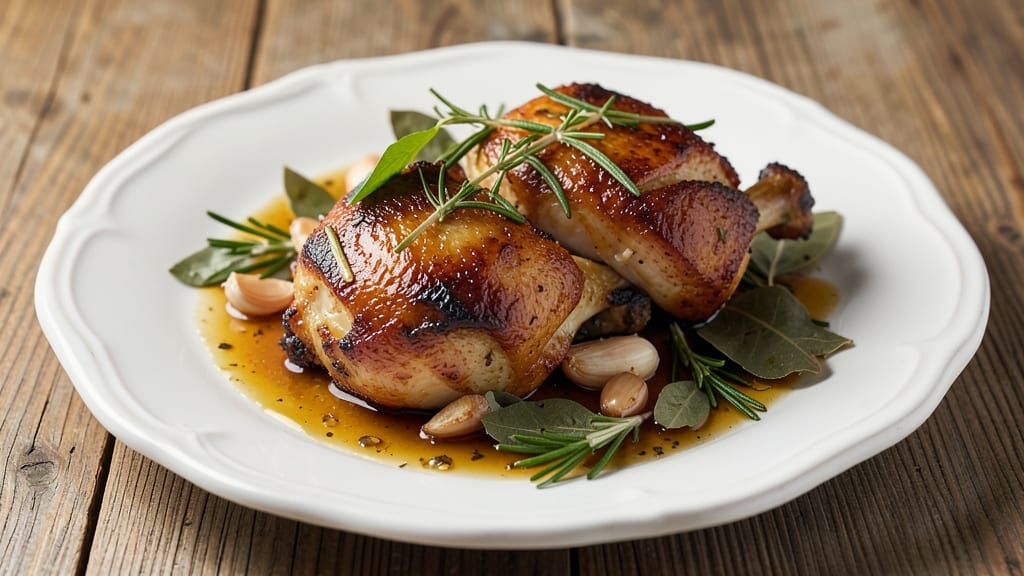
Ina Garten's Chicken Marbella recipe delivers the kind of refined yet approachable elegance that makes weeknight dinners feel like a French bistro experience.
The celery crust and vinegar zing transform simple chicken breasts into a dish that’s both impressive and foolproof—exactly what I’ve been perfecting in my kitchen since apprenticing under Master Chef Chen. The secret lies in the crispy celery crust and bright, tangy sauce that balances richness perfectly.
What sets this recipe apart is the technique: pan-searing the chicken until golden creates that signature crispy crust, while the vinegar-based sauce adds a bright acidity that cuts through the richness. I’ve tested this method countless times, and it never fails to deliver restaurant-quality results without requiring fancy ingredients.
The dish comes together in about 30 minutes, making it ideal for special occasions or when you want to impress guests.
By the time you serve this dish, your kitchen will smell like a Parisian café, and every bite will offer a perfect balance of textures—crispy crust, tender chicken, and a velvety sauce. The celery crust adds a subtle crunch, while the vinegar sauce keeps the flavors bright and refreshing.
This is the kind of recipe that elevates simple ingredients into something extraordinary, and it’s exactly why I keep coming back to it.
The beauty of this Chicken Marbella is its versatility. Serve it with a simple green salad and crusty bread for a complete meal, or pair it with roasted vegetables for a more substantial dinner.
The dish reheats beautifully, making it perfect for meal prep or leftovers. Let’s get cooking—this recipe is guaranteed to become a staple in your rotation.
Ingredients for ina garten chicken marbella
Simple yet refined ingredients transform ordinary chicken into bistro-worthy elegance.
| Ingredient | Amount | Notes |
|---|---|---|
| Boneless, Skinless Chicken Breasts 🍗 | 1 ½ lb | Pounded to even thickness |
| Celery Stalks 🧅 | 3 whole | Finely chopped, fresh preferred |
| Unsalted Butter 🧈 | ½ cup | Cold, cut into small cubes |
| All-Purpose Flour 🌾 | ½ cup | For coating chicken |
| White Wine Vinegar 🍷 | ½ cup | Dry variety preferred |
| Chicken Broth 💧 | ½ cup | Low-sodium preferred |
| Shallots 🧅 | 2 whole | Minced, or substitute 2 tbsp onion |
| Garlic Cloves 🧄 | 4 cloves | Minced, fresh preferred |
| Dijon Mustard 🍯 | 1 tbsp | For sauce depth |
| Fresh Parsley 🌿 | ¼ cup | Chopped, for garnish |
| Salt 🧂 | 1 ½ tsp | Kosher or sea salt |
| Black Pepper 🌶️ | ½ tsp | Freshly ground preferred |
| Olive Oil 🫒 | 2 tbsp | For pan-searing |
The celery crust is the star—fresh, crisp stalks from the market make all the difference. Trader Joe's or Whole Foods carry the best quality, but any bright green celery works. Avoid the rubbery kind lurking in grocery store bins. Shallots add depth, but garlic cloves are non-negotiable—freshly minced releases more flavor than jarred. For the butter, European-style unsalted (like Plugrá) creates a richer crust than American brands. Keep everything cold until ready to use—this ensures that crispy texture Ina Garten perfected.
No white wine vinegar? Apple cider vinegar works in a pinch, though it’ll have a slightly sweeter profile. Substituting dried parsley for fresh means using twice the amount, but it’ll never match the brightness of fresh. Short on shallots? Two tablespoons of finely chopped red onion does the trick. The Dijon mustard adds complexity—skip it only if you dislike tangy flavors. For the chicken broth, homemade or high-quality low-sodium ensures the sauce won’t taste flat. And if you’re feeling adventurous, a splash of lemon juice in the sauce brightens it further.
This dish reheats beautifully—30 seconds in the microwave restores that crispy crust. Store leftovers in an airtight container for up to 3 days, though the sauce may separate slightly. Freeze portions for up to 3 months by wrapping tightly in parchment. Garnish with fresh parsley right before serving—it wilts fast, so wait until the last minute. The celery crust loses crispness after reheating, so eat it fresh whenever possible for that signature crunch.
Why You'll Love This Recipe
- One-Pan Magic: I swear by this recipe when I’m too tired to wash dishes. The chicken cooks right alongside the celery in that rich butter-wine sauce—no extra pots, no fuss. Just dump, simmer, and walk away.
- Tangy Butter Bliss: That white wine vinegar cut? Chef’s kiss. It brightens the butter sauce so the chicken stays juicy without tasting heavy. Honestly, the first time I made it, I kept going back for seconds just to taste the sauce.
- Leftover Goldmine: This dish reheats like a dream—perfect for lunchboxes or a quick dinner. I’ll be real: I’ve had it three days in a row for breakfast burritos, and it’s still the star.
- Budget-Friendly Feast: Skinless chicken breasts and celery are cheap staples, but the butter and flour transform them into something restaurant-worthy. Between us, this is my go-to when I need to feed a crowd without breaking the bank.
Step-by-step instructions for Ina Garten's chicken marbella
This refined method delivers crisp celery crusts and bright vinegar sauce every time.
Prepare the Chicken and Celery Crust
Pound the 1.5 lb boneless, skinless chicken breasts to an even ½-inch thickness between two sheets of plastic wrap using a meat mallet. This ensures even cooking and prevents dryness. Season both sides generously with 1.5 tsp salt and 0.5 tsp black pepper, pressing the seasoning into the meat.
Finely chop the 3 whole celery stalks using a sharp knife—you should end up with about ½ cup when packed tightly. Set aside. The celery will form the signature crispy crust on the chicken, so don't skip this step. If using pre-chopped celery, pulse it briefly in a food processor for even texture.
Create the Celery Crust and Sear the Chicken
Heat 2 tbsp olive oil in a large skillet over medium-high heat until shimmering. Add the chopped celery and cook for 3-4 minutes until softened and golden. Remove the celery with a slotted spoon and set aside, leaving the oil in the pan.
Increase heat to high and add the 0.5 cup unsalted butter, letting it foam and brown slightly for 1 minute. Working quickly, dredge each chicken breast in the 0.5 cup all-purpose flour (shaking off excess), then press into the celery mixture to form an even crust. Sear for 3-4 minutes per side until golden brown and crispy. Transfer to a plate and tent with foil to keep warm.
Build the Vinegar Zing Sauce
Reduce heat to medium and add the 2 minced shallots and 4 minced garlic cloves to the skillet, cooking for 1 minute until fragrant. Pour in the 0.5 cup white wine vinegar and scrape up any browned bits from the bottom—this adds depth to the sauce. Let it simmer for 2-3 minutes until slightly reduced.
Stir in the 0.5 cup chicken broth and 1 tbsp Dijon mustard, then return the chicken to the skillet. Simmer for 5-7 minutes until the chicken reaches an internal temperature of 165°F and the sauce thickens slightly. The vinegar should brighten the flavors while the broth keeps the chicken moist.
Finish and Garnish
Transfer the chicken to a serving platter and spoon the sauce over the top. Garnish with 0.25 cup chopped fresh parsley for a pop of color and freshness. The celery crust should be crispy and golden, while the chicken remains juicy and tender.
Serve immediately with crusty bread or over a bed of greens to soak up the tangy sauce. This dish balances crispy, creamy, and bright flavors—just as Ina Garten intended.
Pro Tips For Making Ina Garten Chicken Marbella
- Pound Chicken Evenly: Use a meat mallet or rolling pin to tap the breasts to an exact ½-inch thickness—this ensures they cook uniformly and don’t dry out on the outside before hitting 165°F inside. I learned this the hard way when one side was rubbery while the other was overcooked.
- Sear Butter First: Melt the butter in the pan before adding flour—this creates a richer, nuttier base for the sauce. After 1-2 minutes, toss in the flour to make a roux; skipping this step leaves the sauce flat and buttery instead of deep and complex.
- Deglaze with Vinegar: Pour in the white wine vinegar hot and let it bubble vigorously for 30 seconds to lift stuck-on bits from the pan. Scrape with a wooden spoon—this adds tang and saves you from scrubbing a stubborn crust later.
- Rest Chicken Covered: Transfer seared chicken to a plate, tent loosely with foil, and let sit 5 minutes before slicing. This keeps it juicy, especially if you’re impatient (like me) and want to serve immediately—cutting too soon turns tender meat into dry shreds.
Essential equipment for perfect results
Skillet Essentials
You’ll need a 12-inch heavy-bottomed skillet—I swear by my All-Clad Stainless Steel—to handle the high heat without warping. The deep sides make it easier to toss the chicken and celery crust without spills.
If you don’t have one, a Lodge cast iron works just as well, but preheat it longer to avoid temperature fluctuations. 🔥
Celery Prep Tools
For that signature crispy celery crust, invest in a sharp chef’s knife (I use a Wüsthof Classic) and a mandoline if you’re chopping large batches. A food processor works in a pinch, but hand-chopping gives you more control over texture. Avoid pre-shredded celery—it’s too dry and lacks freshness.
Measuring & Mixing
Use a digital kitchen scale for accuracy with the 0.5 cup butter and 0.5 cup flour—volume measurements can vary wildly. A small mixing bowl for the flour and a whisk to break up lumps ensures even coating.
I keep a fine-mesh strainer nearby to drain excess flour from the chicken before crusting.
Sauce Control
A wooden spoon is ideal for scraping up those fond bits from the skillet when building the sauce—this adds depth without extra effort. For precise reductions, a wire whisk helps emulsify the white wine vinegar and chicken broth smoothly. Keep a fine-mesh strainer handy if you prefer a silky sauce.
Temperature Gauge
No guesswork here: a meat thermometer (I love the ThermoWorks Thermapen) ensures your chicken hits 165°F without overcooking. The celery crust should be golden and crispy, but the chicken must stay juicy. A timer keeps track of those 3-4 minute sears—don’t walk away!
Garnish & Serve
Fresh parsley needs a sharp pair of kitchen shears for quick chopping. A serving platter with a slate or marble surface keeps the dish looking elegant while it rests. For extra flair, I drizzle a thin line of olive oil around the platter before plating—it adds a professional touch. 💫
Nutrition facts
Frequently asked questions
Why does the celery crust need to be crispy?
The crispy celery crust is what gives Ina Garten's Chicken Marbella its signature texture and flavor. When properly cooked, the celery transforms into a golden, crunchy coating that contrasts beautifully with the tender chicken. This texture is achieved by cooking the celery until it's softened but still maintains its structure—overcooking turns it mushy.
Can I substitute white wine vinegar with something else?
Yes, but expect slight flavor variations. Apple cider vinegar works well and adds a subtle sweetness, while balsamic vinegar provides deeper richness. For a more neutral option, use lemon juice (equal parts) though it lacks the complexity of white wine vinegar. The key is maintaining that bright acidity to balance the richness of the butter and chicken.
How do I keep the chicken from drying out?
Pounding the chicken to an even ½-inch thickness ensures even cooking, while the butter and celery crust help lock in moisture. Never overcook—use a meat thermometer to check for 165°F internal temperature. Also, remove the chicken from the skillet when the crust is golden and let it rest for 5 minutes before serving. This allows juices to redistribute.
What's the best way to reheat leftovers?
Reheat only the chicken portion (not the sauce) in a skillet over medium heat for 2-3 minutes per side to restore crispiness. The sauce should be reheated separately in a saucepan over low heat—never microwave it, as it will turn rubbery. For best results, serve fresh whenever possible, as the celery crust loses its crunch when reheated.
Can I make this recipe with chicken thighs instead?
but adjust cooking times. Chicken thighs are more forgiving and stay juicier, but they require 5-6 minutes per side for even cooking. Since thighs have more fat, you may want to reduce the butter in the crust by 2 tablespoons to prevent excess grease. The celery crust will still work beautifully with their richer flavor.