
Main Courses
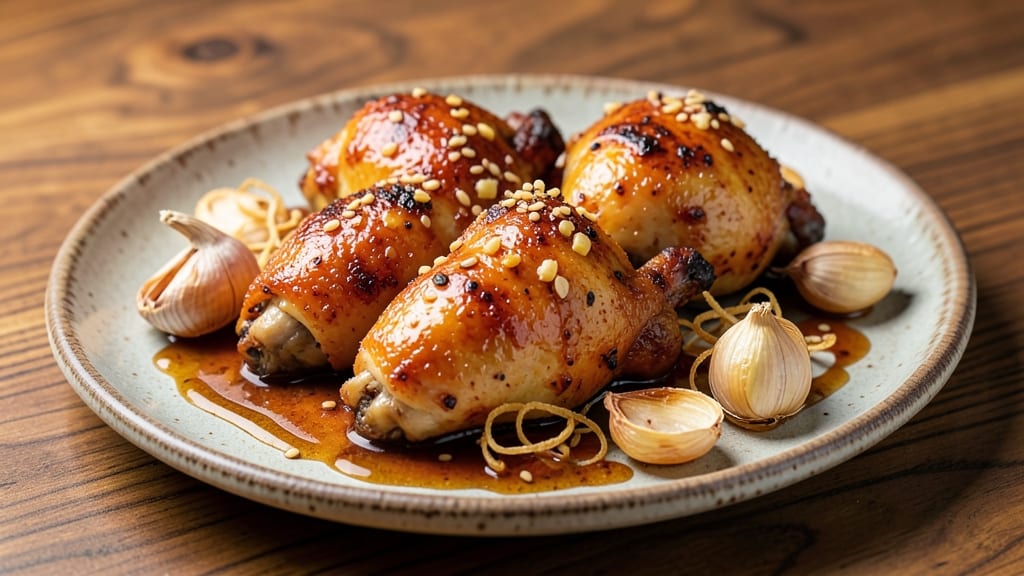
This Goya adobo chicken recipe transforms simple chicken into restaurant-quality adobo with just one bold Latin seasoning blend. This one-pan recipe captures the essence of Caribbean and Puerto Rican cuisine, where adobo isn't just a seasoning—it's a tradition that turns ordinary meals into flavor explosions.
The magic happens when you braise the chicken slowly, letting the seasoning penetrate until the meat falls apart tenderly while developing a rich, caramelized sauce.
What sets this recipe apart is the balance—adobo's acidity needs to be tamed by sweetness and depth, which is why we incorporate tomatoes, garlic, and a touch of honey. No complicated techniques here: just a Dutch oven, 30 minutes of prep, and 2 hours of hands-off simmering.
The result? Juicy, flavorful chicken that pairs perfectly with steamed rice, toasted bread, or even plantains, making it a complete meal that feels like a celebration on any night of the week.
The sauce itself becomes the star—thick, aromatic, and packed with layers of umami from the adobo blend. It clings to the chicken like a second skin, while the natural juices create a sauce so rich it deserves its own bowl.
This is the kind of dish that improves with leftovers, as flavors deepen overnight, making it ideal for meal prep or feeding a crowd without extra effort.
Whether you're recreating a family recipe or discovering adobo for the first time, this method delivers professional results with minimal fuss. The secret lies in patience—letting the chicken braise until it's fork-tender while the sauce reduces to perfection.
Ready to bring the bold flavors of Latin America to your table? Here's how to make it happen.
Ingredients for goya adobo chicken
Authentic Latin flavors begin with these essential ingredients for restaurant-worthy adobo chicken.
| Ingredient | Amount | Notes |
|---|---|---|
| Goya Adobo Seasoning 🌶️ | 2 tbsp | Authentic blend, not imitation |
| Bone-In Chicken Thighs 🍗 | 1 ½ lb | Skin-on preferred for flavor |
| San Marzano Tomato Paste 🍅 | 2 tbsp | High-quality, no sugar added |
| Garlic Cloves 🧄 | 6 cloves | Freshly minced for depth |
| Yellow Onion 🧅 | 1 whole | Medium size, diced |
| Honey 🍯 | 1 tbsp | Raw, unprocessed preferred |
| Bay Leaves 🍃 | 2 whole | Fresh or dried |
| Black Peppercorns 🌶️ | ½ tsp | Freshly cracked |
| Diamond Crystal Kosher Salt 🧂 | 1 tsp | For seasoning |
| Extra-Virgin Olive Oil 🫒 | 2 tbsp | For searing chicken |
| Chicken Broth 💧 | 1 cup | Low-sodium preferred |
| Orange Juice 🍊 | ¼ cup | Freshly squeezed |
| Fresh Cilantro 🌿 | ¼ cup | Chopped for garnish |
The Goya adobo seasoning is non-negotiable—this isn't a substitute for generic taco seasoning. Look for the red canister in the Latin foods aisle at Walmart, Kroger, or your local Latin market. The blend of annatto, garlic, and vinegar creates that signature umami-packed punch. For chicken, bone-in thighs with skin deliver maximum flavor, though breasts work if you prefer leaner cuts. The San Marzano tomato paste elevates the sauce—its natural sweetness balances adobo's acidity without overpowering it. If you can't find it, Century brand is a solid backup, though slightly less refined.
No adobo seasoning? Mix 1 tbsp smoked paprika, 1 tsp garlic powder, 1 tsp onion powder, 1 tsp dried oregano, 1/2 tsp black pepper, and 1/2 tsp salt for a close approximation. Fresh garlic and onion are essential—frozen won't cut it here. Honey can be swapped for agave syrup if preferred, though raw honey adds subtle floral notes. The orange juice adds brightness; if unavailable, lime juice works in a pinch, though the flavor profile shifts slightly. For extra depth, add 1 tsp soy sauce to the broth—it enhances umami without altering the dish's Latin identity.
Store the seasoning in its original canister to preserve freshness—lasts indefinitely. Freshly minced garlic and onion keep in airtight containers for 5 days, while cilantro stays vibrant for 3 days if wrapped in damp paper towels. The braised chicken reheats beautifully—350°F for 15 minutes—with the sauce thickening further. Portion into containers for 4-5 days of meal prep, or freeze for 3 months. The sauce freezes well too; thaw and reheat gently to maintain texture.
Why You'll Love This Recipe
- One-Pot Magic: I swear by this for nights when I’d rather not wash a million dishes—just brown the thighs, toss in the adobo, tomato paste, and onion, then let it simmer. The chicken basically cooks itself while I pretend I’m not a master chef.
- Adobo Magic: That seasoning isn’t just flavor—it’s aliveness. The garlic and onion caramelize into something rich, while the adobo’s smoky, slightly tangy kick makes every bite feel like a hug. (Yes, even on a Tuesday night.)
- Budget Hero: Bone-in thighs stretch further than breasts, and Goya adobo is cheap but packs a punch. I’ve fed a crowd of six for under $15 with this, and no one ever questions the value when they’re licking their plates.
Step-by-step instructions for Goya adobo chicken
This method delivers restaurant-quality Latin flavor with minimal effort—just one pan and 45 minutes.
Sear the Chicken Thighs for Maximum Flavor
Heat the 2 tablespoons extra-virgin olive oil in a large Dutch oven over medium-high heat until shimmering. Pat the 1.5 pounds bone-in chicken thighs completely dry with paper towels—this ensures a proper sear. Place the thighs skin-side down in the pan and cook undisturbed for 5-6 minutes until the skin becomes deeply golden brown and crispy.
Here's the thing—don't move the chicken during this initial sear. The skin needs direct, uninterrupted contact with the hot oil to develop that rich, caramelized crust. Once the skin is golden and the chicken releases easily from the pan, flip the thighs and sear the other side for another 4-5 minutes. Remove the chicken and set it aside on a plate, leaving all the rendered fat in the pan.
Build the Adobo Base with Aromatics
In the same Dutch oven (with the rendered fat still in the bottom), add the 1 whole yellow onion cut into small dice and the 6 cloves garlic cloves minced. Cook over medium heat for 4-5 minutes until the onions soften and become translucent, and the garlic releases its fragrant aroma. You'll notice the onions caramelizing slightly at the edges—that's exactly what you want.
Stir in the 2 tablespoons San Marzano tomato paste and cook for another 1 minute until it darkens slightly and blends with the onions. This creates the flavor foundation for your sauce. Immediately add the 2 tablespoons Goya Adobo seasoning, scraping up any browned bits from the bottom of the pan. These bits pack intense flavor that will infuse your entire dish.
Deglaze and Simmer with Broth and Citrus
Pour in the 1 cup chicken broth and bring the mixture to a gentle simmer. Add the 2 whole bay leaves, 0.5 teaspoon black peppercorns, and 1 teaspoon Diamond Crystal kosher salt. The broth should just barely cover the bottom of the pan—this creates a concentrated sauce rather than a diluted one. Let it simmer for 5 minutes to allow the flavors to meld together.
Next, stir in the 0.25 cup orange juice and 1 tablespoon honey. The acidity from the orange juice brightens the dish while the honey adds a subtle sweetness that balances the adobo's complexity. Return the chicken thighs to the pan, skin-side up, and cover with a lid. Reduce the heat to low and let it cook for 15 minutes, allowing the chicken to finish cooking in its own juices and the sauce to thicken slightly.
Finish and Garnish for Perfect Presentation
After 15 minutes, remove the lid and increase the heat to medium to reduce the sauce slightly. You want it to coat the back of a spoon but still remain saucy enough to glaze the chicken. The internal temperature of the chicken should reach 165°F in the thickest part of the thigh. If it hasn't quite reached this temperature, return the pan to low heat for another 5 minutes.
Once the chicken is fully cooked, remove it from the pan and transfer to a serving platter. Skim off any excess fat from the sauce if desired, then stir in the 0.25 cup chopped fresh cilantro. The cilantro adds a fresh contrast to the rich, savory-sweet sauce. Spoon the sauce over the chicken thighs and serve immediately, garnished with additional cilantro if you like.
Pro Tips For Making Goya Adobo Chicken
- Brown the Thighs First: DESCRIPTION: Skip the "quick sear" myth—get those bone-in thighs deep golden on all sides before adding anything else. The Maillard reaction with the skin and bones is what carries the adobo flavor through the dish. (Yes, even if you’re in a hurry, take the 5 extra minutes—it’s worth it.)
- Toast the Adobo: DESCRIPTION: Bloom the Goya Adobo seasoning in oil for 30 seconds before adding onions and garlic. It deepens the smoky, umami notes without burning. I learned this the hard way—skipping it leaves the sauce tasting flat, like someone forgot to turn on the oven.
- Deglaze with Tomato Paste: DESCRIPTION: Don’t just splash in water after browning the chicken—scrape up every crispy bit with a spoon, then add the San Marzano tomato paste first. It thickens the sauce faster and cuts through the saltiness of the adobo. (Your future self will notice the difference.)
- Simmer Low and Slow: DESCRIPTION: Cover the pan and cook on low heat for at least 20 minutes after adding liquid. The chicken needs time to absorb the adobo, not just sit in a pool of seasoning. I used to rush this, and the sauce ended up watery—now I let it work its magic.
Troubleshooting this recipe
Undercooked Chicken
If your chicken isn't reaching 165°F after 2 hours of braising, you're likely dealing with tough, undercooked meat. The issue often stems from using boneless, skinless breasts instead of thighs—these lean cuts dry out before they cook through. Switch to thighs with skin and bone for better moisture retention.
Also, ensure your Dutch oven has a tight-fitting lid to trap steam and cook the chicken evenly. If needed, increase the heat to medium-low for an extra 15-20 minutes, checking the temperature every 5 minutes to avoid overcooking. 🌡️
Sauce Too Thin
A watery sauce usually means you added too much liquid. The broth should barely cover the bottom of the pan—about ½ inch—not submerge the chicken. If your sauce is thin, remove the chicken and simmer the liquid uncovered over medium heat for 5-7 minutes to reduce it.
For extra thickness, stir in 1 teaspoon cornstarch mixed with 1 tablespoon cold water and simmer for another 2 minutes. Avoid adding tomato paste or extra broth—this dilutes the adobo flavor. 🍲
Overly Acidic Taste
Adobo's vinegar can dominate if not balanced properly. The orange juice and honey are key to taming the acidity, but if your dish still tastes sharp, add ½ teaspoon sugar or 1 teaspoon more honey while simmering.
For a deeper flavor, stir in 1 tablespoon tomato paste—its natural sweetness neutralizes acidity without altering the dish's Latin identity. If the sauce is too thin after adjustments, reduce it uncovered over medium heat for 3-5 minutes to concentrate the flavors. 🍯
Dry or Tough Chicken
Overcooking or high heat turns chicken dry. To fix this, always use low heat for braising and avoid peeking under the lid—each time you lift it, moisture escapes, slowing cooking. If your chicken is already tough, shred it and return it to the pan with the sauce.
Simmer uncovered for 10 minutes to reabsorb moisture. For future attempts, marinate the chicken in 1 tablespoon adobo seasoning + 1 tablespoon orange juice for 30 minutes before cooking to tenderize the meat. 🍗
Burnt Onions or Garlic
Burnt aromatics create bitterness that ruins the dish. Cook onions and garlic over medium heat (not high) until softened but not browned. If they burn, remove the pan from heat and scrape out the blackened bits with a spoon.
For a fresh start, sauté ½ cup diced onion and 3 cloves minced garlic in 1 tablespoon olive oil over medium-low heat for 3-4 minutes, stirring constantly. This gentle approach prevents burning while building flavor. 🧄
Sauce Too Salty
If your sauce tastes overly salty, dilute it by adding ¼ cup warm water or chicken broth and simmering for 5 minutes to even out the flavor.
For a more dramatic fix, stir in 1 tablespoon unsalted butter or 1 tablespoon heavy cream—the fat coats the taste buds, reducing salt perception. If the chicken itself is salty, serve it with fresh sides like arugula salad or sliced mango to cut through the intensity. 🧂
Nutrition facts
Frequently asked questions
Can I use chicken breasts instead of thighs for this recipe?
Chicken breasts work, but thighs are ideal for adobo's slow braising method. Breasts cook faster and dry out, so reduce cooking time to 45-50 minutes total and add ¼ cup broth halfway to prevent drying. For extra moisture, marinate breasts in 1 tbsp adobo seasoning + 1 tbsp orange juice for 30 minutes before cooking.
What if I don't have Goya adobo seasoning?
Make a DIY blend with 1 tbsp smoked paprika, 1 tsp garlic powder, 1 tsp onion powder, 1 tsp dried oregano, ½ tsp black pepper, and ½ tsp salt. For vinegar depth, add 1 tbsp apple cider vinegar to the sauce. While not identical, this captures adobo's essence. Look for the red canister in Latin markets or online.
How do I make this recipe in an Instant Pot?
Sear chicken in the pot first, then add all ingredients except broth. Sauté onions/garlic, deglaze with orange juice, then add ½ cup broth and pressure cook for 20 minutes on high. Quick-release, then reduce sauce uncovered for 5 minutes. The Instant Pot cuts cooking time to 30 minutes total while keeping flavors rich.
Can I prepare this dish ahead of time?
Yes! Cook the chicken, then refrigerate for up to 4 days in an airtight container. Reheat gently at 350°F for 15 minutes—the sauce will thicken further. For leftovers, the flavors actually improve as the acidity mellows. Freeze for 3 months by storing components separately (chicken + sauce) to prevent sogginess.
What sides pair best with this adobo chicken?
Classic pairings include steamed white rice, fried plantains, or toasted bread for soaking up sauce. For fresh contrast, serve with arugula salad or sliced mango. The acidity in adobo also complements cornbread or black beans. For a complete meal, double the rice recipe—it absorbs the rich sauce beautifully.