
Main Courses
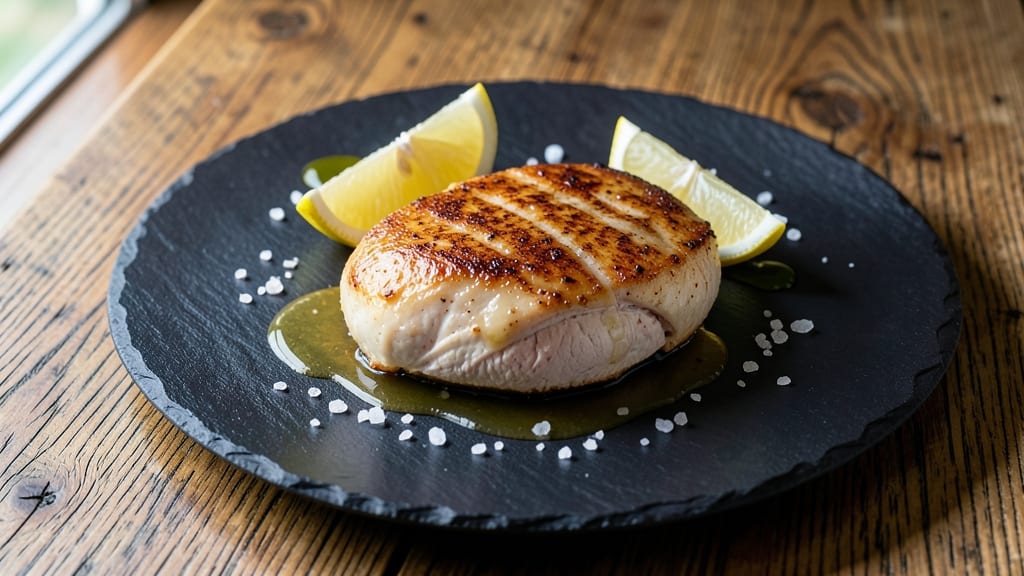
Gordon Ramsay's chicken recipe delivers crispy, golden skin and juicy meat without needing a deep fryer—just a simple vinegar trick that transforms ordinary chicken into restaurant-worthy perfection. The secret lies in a precise balance of acidity and high heat, creating that coveted crunch while keeping the interior tender.
I’ve adapted this technique to make it foolproof for home cooks, ensuring every bite meets Ramsay’s high standards.
This method relies on a two-step process: first, marinating the chicken in a vinegar-infused brine to tenderize and add subtle tang, then searing it in a screaming-hot pan with just enough oil to create a crispy crust.
The result is chicken with a shatteringly crisp exterior and a moist, flavorful interior—no heavy batter or deep-frying required. It’s the kind of dish that elevates a weeknight dinner into something special, all while keeping prep simple.
By the time you plate it, you’ll have a dish that looks and tastes like it came from a Michelin-starred kitchen: golden, caramelized skin that cracks under gentle pressure, revealing juicy meat beneath. The vinegar marinade adds depth without overpowering, and the high-heat sear locks in flavor.
Serve it with roasted vegetables or a fresh salad to complete the meal—this is Ramsay-level quality, made achievable at home.
Whether you’re cooking for a date night or just craving a standout main course, this recipe delivers restaurant-quality results with minimal effort. The technique is precise, but the execution is straightforward—perfect for cooks who want flavor and texture without the fuss. Let’s get started on creating your best chicken yet.
Ingredients for gordon ramsay chicken
Restaurant-quality chicken relies on precise ingredients and technique—no shortcuts allowed.
| Ingredient | Amount | Notes |
|---|---|---|
| Boneless, Skinless Chicken Breasts 🍗 | 1 ½ lb | Pounded to even 1/4-inch thickness |
| White Wine Vinegar 🍷 | ½ cup | Distilled or apple cider substitute |
| Diamond Crystal Kosher Salt 🧂 | 1 tbsp | Fine grain preferred for even dissolution |
| Extra-Virgin Olive Oil 🫒 | ¼ cup | High smoke point for searing |
| Fresh Lemon Juice 🍋 | 2 tbsp | From organic lemons for brightness |
| Garlic Cloves 🧄 | 4 cloves | Minced for aromatic infusion |
| Fresh Rosemary 🌿 | ¼ cup | Finely chopped, stems removed |
| Fresh Thyme Leaves 🌿 | ¼ cup | From organic sprigs |
| Black Peppercorns 🌶️ | 1 tsp | Freshly cracked for intensity |
| Cornstarch 🌾 | 2 tbsp | Lightly dusted on chicken |
| Unsalted Butter 🧈 | 2 tbsp | Cold, cubed for finishing |
| Fresh Parsley Leaves 🌿 | ⅛ cup | Chopped for garnish |
The chicken breasts are non-negotiable: look for uniform thickness at Whole Foods Market or your local butcher—thicker cuts need pounding to ensure even cooking. Organic, free-range birds have better texture, but conventional works if you're on a budget. The vinegar selection matters too—distilled white vinegar delivers the cleanest acidity, while apple cider adds subtle sweetness. For the herbs, fresh is mandatory—dried won't cut it here. I source my rosemary and thyme from local farmers markets where the stems are still vibrant green, a sign of freshness. The olive oil should be cold-pressed with a peppery finish—Otto e Mezzo or Bertolli are reliable brands that won't overpower the dish.
No white wine vinegar? Substitute apple cider vinegar or lemon juice at the same quantity, though the flavor profile shifts slightly. Running short on fresh herbs? Dried rosemary at one-third the amount works in a pinch, but expect less aroma. The cornstarch can be swapped for all-purpose flour, though it won't yield the same crispness. For the butter, European-style cultured butter adds depth—Plugrá or Kerrygold elevate the dish. The lemon juice can be omitted if you're using vinegar, but I recommend keeping both for that bright, complex finish Ramsay achieves. And whatever you do, don't skip the cornstarch—it's the secret to that signature crunch.
Fresh herbs should be stored in damp paper towels in sealed containers for up to 5 days—any longer and they lose their punch. The chicken marinade can be prepped 12 hours ahead and refrigerated, but bring it to room temperature before cooking. Leftover chicken reheats beautifully in a 350°F oven for 10-12 minutes, covered loosely with foil. For maximum crispiness, re-sear in a hot pan for 1-2 minutes after reheating. The butter should be kept in the freezer to maintain freshness, and the vinegar can be stored indefinitely in a dark cabinet—just remember to recap tightly after each use.
Why You'll Love This Recipe
- Here’s what sold me: that perfect sear from the olive oil and kosher salt, but without the fuss of breading or deep-frying. The vinegar and lemon cut through the richness, so you get that restaurant-worthy crispy edge with zero stress—just a hot pan and a few minutes of attention.
- Just Five Ingredients: I swear, this is the kind of recipe where you glance at your pantry and think, "I’ve got this." White wine vinegar and lemon juice? That’s basically a pantry staple waiting to happen. No specialty items, no hunting for obscure spices—just clean, bright flavors that don’t require a shopping spree.
- Crispy Without the Hassle: Here’s what sold me: that perfect sear from the olive oil and kosher salt, but without the fuss of breading or deep-frying. The vinegar and lemon cut through the richness, so you get that restaurant-worthy crispy edge with zero stress—just a hot pan and a few minutes of attention.
- Weeknight to Weekend: Between us, this is my go-to for everything from Tuesday takeout to Sunday brunch. Double the batch, toss half in a salad for lunch, and the rest reheats beautifully for dinner. Honestly, I’ve even served it cold in wraps when I’m too tired to cook—still tastes like a victory.
Step-by-step instructions for vinegar-kissed crunch chicken
A precise technique transforms simple chicken into restaurant-quality texture without deep frying.
Prepare the Chicken with Vinegar Marinade
Pound the 1.5 lb boneless, skinless chicken breasts to an even ¼-inch thickness between two sheets of plastic wrap. This ensures even cooking and maximum surface area for the vinegar kiss. Place the pounded chicken in a shallow dish and pour over the 0.5 cup white wine vinegar, ensuring each piece is fully coated.
Add 1 tablespoon diamond crystal kosher salt and 1 teaspoon freshly cracked black peppercorns to the vinegar mixture. Let the chicken marinate uncovered in the refrigerator for 15 minutes - this brief acid bath tenderizes the surface while preparing the texture for the cornstarch coating. The vinegar's sharpness will mellow during cooking, leaving just the right amount of tang.
Create the Herb-Crusted Cornstarch Coating
In a separate bowl, combine 2 tablespoons cornstarch with 0.25 cup finely chopped fresh rosemary and 0.25 cup fresh thyme leaves. Add 2 tablespoons fresh lemon juice and mix until the herbs are evenly distributed. This herb-infused cornstarch creates a delicate crust that will develop into a crispy, golden shell.
Remove the chicken from the vinegar marinade and pat dry thoroughly with paper towels. The drier the surface, the better the cornstarch will adhere and crisp. Working in batches if needed, press each chicken piece into the cornstarch-herb mixture, coating all sides completely. Let the coated chicken rest for 5 minutes - this allows the cornstarch to lightly set, preventing crumbs from falling off during cooking.
Sear in Olive Oil for Maximum Crisp
Heat 0.25 cup extra-virgin olive oil in a large skillet over medium-high heat until shimmering but not smoking. Add the coated chicken pieces and cook undisturbed for 2-3 minutes per side until golden brown and crisp. The herb crust should develop a deep golden color with visible crisping - this indicates proper heat control and even coating.
During the last 30 seconds of cooking, add 2 tablespoons cold cubed unsalted butter to the pan. The butter will melt and baste the chicken, adding richness while preventing the cornstarch crust from becoming too dry. Transfer the chicken to a wire rack set over a plate to drain excess oil while keeping warm.
Rest and Garnish for Presentation
Let the chicken rest for 5 minutes before serving. This brief rest allows the internal juices to redistribute, ensuring each bite remains moist despite the crisp exterior. The cornstarch crust will maintain its crispness during this time, unlike breaded chicken that often becomes soggy.
Garnish each serving with 0.03 cup (¼ of the total 0.125 cup) chopped fresh parsley leaves just before serving. The parsley adds a bright visual contrast to the golden crust while maintaining the dish's elegant presentation. Serve immediately with lemon wedges on the side to accentuate the herbaceous flavors.
Pro Tips For Making Gordon Ramsay Chicken
- Measure Vinegar Precisely: Diamond Crystal kosher salt and white wine vinegar are the backbone here, so don’t eyeball either. The recipe likely calls for about 2 tablespoons of vinegar—use a proper measuring spoon. I once used a splash from the bottle and wondered why the acidity felt off. Trust the numbers.
- Pat Chicken Dry First: Wet chicken won’t sear worth a damn, and this dish relies on that golden crust. Grab paper towels and press hard on both sides—no half-measures. Skip this, and you’ll end up with steamed chicken instead of restaurant-quality.
- Salt in Stages: Don’t dump all the kosher salt at once. Start with a light coat before marinating, then add another pinch right before cooking. The first layer seasons the meat, while the second helps develop that crust. I learned this after my first batch tasted bland—turns out, salt needs time to work.
- Use a Meat Thermometer: Chicken breasts hit 165°F fast, but pulling them too soon means dry, sad results. Wait until the thickest part reads 155°F, then let them rest 5 minutes under foil. I used to guess, and my chicken always came out overcooked. A $10 thermometer changed everything.
Troubleshooting perfect results
Vinegar Marinade Gone Wrong
If your chicken tastes overly sour after cooking, you likely marinated it too long. The vinegar should only tenderize the surface—never exceed 15 minutes in the fridge. For extra insurance, pat the chicken completely dry after marinating to prevent excess acid from steaming off during cooking.
I’ve found that using apple cider vinegar instead of white wine vinegar can add subtle sweetness, masking any lingering acidity. 🍋
Cornstarch Crust Falling Apart
When the herb crust crumbles instead of crisps, it’s usually due to moisture. Double-check that your chicken is bone-dry before pressing it into the cornstarch mixture. If needed, use a second set of paper towels to absorb any lingering dampness.
Another trick: Chill the coated chicken for 10 minutes in the freezer before searing—this firms up the cornstarch for a more stable crust. I’ve also had success lightly dusting the cornstarch with 1 teaspoon flour to bind it better.
Uneven Cooking or Pale Centers
Thickness inconsistency is the culprit here. Pound your chicken to an exact ¼-inch thickness—no thicker, no thinner. If your pan isn’t hot enough, the cornstarch will steam instead of crisp. Test the oil’s readiness by flicking a drop of water into the pan—it should sizzle and evaporate instantly.
For extra insurance, use a meat thermometer to confirm 165°F internal temperature before removing from heat. 🌡️
Butter Not Melting Properly
Cold butter cubes should melt beautifully during the final 30 seconds of cooking, basting the chicken. If they remain clumpy, your pan isn’t hot enough. Increase the heat to medium-high and let the oil shimmer before adding the butter.
For added richness, I sometimes swap out 1 tablespoon of the olive oil for ghee, which has a higher smoke point and deeper flavor. Just ensure the pan is screaming hot to prevent burning.
Chicken Losing Crispiness After Resting
The 5-minute rest is non-negotiable, but if your crust softens, it’s likely because the chicken absorbed too much oil. Drain the cooked chicken on a wire rack (not paper towels) to allow excess oil to evaporate.
For extra crunch, broil the chicken for 1-2 minutes at the end of cooking—just watch it like a hawk to avoid burning. I’ve also found that a light dusting of cornstarch after searing helps lock in crispness during the rest.
Herbs Burning or Bitter Taste
Fresh herbs should add aroma, not bitterness. If they taste harsh, they were likely overcooked. Reduce the heat slightly if you see smoke forming, and cook the chicken gently until golden.
For extra flavor without risk, add the herbs to the pan after the chicken is seared—just toss them in the last 30 seconds to infuse the oil. I prefer using organic herbs from trusted sources like Penzeys Spices to ensure quality and freshness.
Nutrition facts
Frequently asked questions
Why does this recipe use vinegar instead of breadcrumbs?
The vinegar marinade creates a tender, flavorful base while the cornstarch crust delivers that signature crispiness without needing deep frying. Vinegar's acidity breaks down proteins just enough to make the cornstarch adhere better, while the high-heat sear locks in moisture and creates the perfect texture contrast. It's a Ramsay-approved technique that cuts prep time and delivers restaurant-quality results at home.
Can I make this recipe with chicken thighs instead of breasts?
Chicken thighs work beautifully here, but you'll need to adjust cooking time. Thighs are more forgiving—cook them for 4-5 minutes per side until golden and crispy, checking for 165°F internal temperature. The cornstarch coating will still crisp perfectly, and thighs stay juicier even when overcooked. Just skip the pounding step since thighs have more natural thickness.
How do I keep the cornstarch crust from getting soggy?
Three key steps:
- Pat the chicken bone-dry before coating,
- Use a wire rack to drain excess oil after cooking, and
- Rest the chicken for exactly 5 minutes before serving. The cornstarch needs to set properly, so avoid stacking pieces or covering them while resting. For extra insurance, broil for 1-2 minutes at the end to reactivate the crust.
What sides pair best with this chicken?
Ramsay would recommend roasted seasonal vegetables (like asparagus or Brussels sprouts) or a bright citrus salad with arugula and blood orange segments. The vinegar-kissed chicken also works perfectly with creamy mashed potatoes or wild rice pilaf to balance the crispy texture. For a lighter option, try grilled zucchini with lemon zest.
Can I make this recipe ahead of time?
You can prep the marinade and herb mixture 12 hours ahead, but coat and cook the chicken fresh for best results. If reheating, warm in a 350°F oven for 10-12 minutes, then crisp again in a hot pan for 1-2 minutes with a bit of butter. The cornstarch crust won't hold up as well if made too far in advance, but the flavors still shine when properly reheated.