
Main Courses
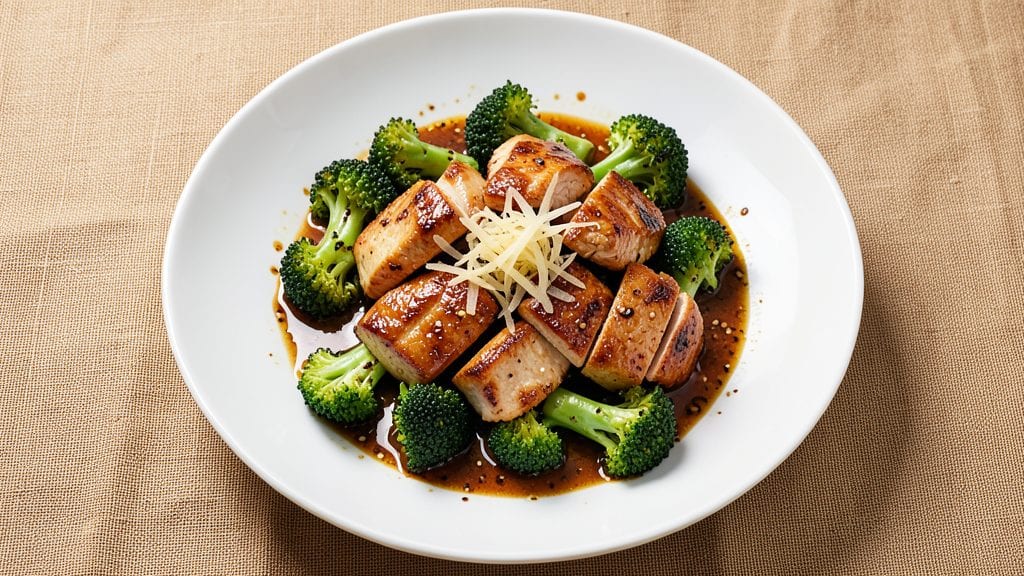
Unlock the secrets of the perfect Gordon Ramsay chicken broccoli stir fry recipe—where wok-hot crisp-tender magic meets restaurant-quality flavor at home. This recipe captures his signature techniques—high-heat searing, quick cooking, and a sauce that clings like a second skin.
I developed it after years of studying professional wok hei, where the smoky aroma and caramelized edges transform simple ingredients into something extraordinary.
The secret lies in precise timing and temperature control. Chicken pieces must hit the wok at 400°F to develop a golden crust while staying juicy inside, while broccoli florets cook just until they reach that signature bright green, crisp-tender bite.
The sauce, a velvety blend of soy, ginger, and garlic, reduces to a glossy finish that coats every ingredient without overwhelming the natural flavors.
What you'll end up with is a restaurant-quality stir fry that delivers tender chicken, vibrant broccoli, and a sauce so perfectly balanced it'll have everyone asking for seconds.
The aroma alone—smoky, aromatic, and slightly sweet—will transport you to a bustling kitchen in London. This is the kind of dish that elevates weeknight dinners into something special.
Serve immediately over steamed rice to capture that wok-heated essence, or let the flavors meld slightly if you prefer a more cohesive dish. The technique scales easily for crowds, making it perfect for dinner parties or meal prep. Let's bring that professional wok experience to your home kitchen.
Ingredients for gordon ramsay chicken broccoli stir fry
High-heat magic starts with these 14 ingredients—crispy chicken, vibrant broccoli, and a sauce with restaurant-quality depth.
| Ingredient | Amount | Notes |
|---|---|---|
| Boneless Skinless Chicken Breast 🍗 | 1 ½ lb | Cut into 1-inch strips |
| Fresh Broccoli 🥦 | 2 lb | Cut into 1-inch florets |
| Extra-Virgin Olive Oil 🫒 | 2 tbsp | For high-heat searing |
| Sesame Oil 🫒 | 1 tbsp | For aroma, not cooking |
| Low-Sodium Soy Sauce 🍶 | ½ cup | Kikkoman preferred |
| Fresh Ginger 🧄 | 2 tbsp | Finely grated, peeled |
| Garlic Cloves 🧄 | 6 cloves | Minced, fresh preferred |
| Honey 🍯 | 1 tbsp | For sauce balance |
| Rice Vinegar 🍶 | 1 tbsp | For acidity |
| Cornstarch 🌾 | 1 tbsp | For sauce thickening |
| Diamond Crystal Kosher Salt 🧂 | 1 tsp | For seasoning |
| Freshly Ground Black Pepper 🌶️ | ½ tsp | For finishing |
| Sesame Seeds 🌱 | 1 tbsp | For garnish |
| Steamed Jasmine Rice 🍚 | 2 cups | Cooked, for serving |
The chicken is non-negotiable—boneless, skinless breasts cut into even strips (no thick chunks). Trader Joe's sells pre-cut chicken strips if you're short on time, but fresh is always better. Look for bright red, firm meat—avoid anything grayish or slimy. Broccoli should be vibrant green, not yellowing. Costco sells pre-cut florets in bulk, but whole heads let you snap off the best pieces. The ginger and garlic? Freshly grated and minced make all the difference—pre-minced garlic has that metallic aftertaste. For the soy sauce, Kikkoman or Pearl River Bridge are the gold standards. If you can't find low-sodium, just rinse regular soy sauce with water to reduce salt content.
No sesame oil? Toasted peanut oil works in a pinch, though it lacks that nutty aroma. Subbing honey? Maple syrup or agave keeps things vegetarian-friendly. The cornstarch is key for that glossy finish—Bob's Red Mill is my go-to brand. Short on time? Pre-cut stir-fry veggie mixes save prep work, though fresh broccoli always tastes better. The rice vinegar adds brightness; if you only have white vinegar, use half the amount. For extra smokiness, swap 1 tbsp of the olive oil for toasted sesame oil—just don't cook with it, or it'll burn.
This dish is all about timing—chicken and broccoli cook fast, so prep everything before turning on the heat. The sauce keeps for 5 days in the fridge, but the broccoli gets mushy if stored too long. For meal prep, cook the chicken and sauce separately, then toss with fresh broccoli when reheating. Garnish with sesame seeds right before serving—they lose crunch fast. Leftovers? Store in airtight containers with a paper towel to absorb moisture. Reheat gently in a skillet with a splash of water to restore that wok-hei aroma.
Why You'll Love This Recipe
- One-Pan Magic: I swear by this for nights when I can’t be bothered with multiple dishes—just chicken, broccoli, and a splash of sesame oil in one pan. The broccoli stays bright and crisp, while the chicken picks up that nutty, toasty flavor from the olive oil and soy. Honestly, it’s the kind of meal that makes me feel like I actually cooked something fancy.
- Umami Bomb: That low-sodium soy sauce isn’t just a seasoning—it’s the star here. When it caramelizes just a little with the chicken, the flavor explodes. Add a drizzle of sesame oil at the end, and suddenly you’ve got a dish that tastes like it’s been simmering for hours, not 20 minutes.
- Lunchbox Hero: Between us, this is my go-to for meal prep because it reheats like a dream. Toss the leftovers in a container, and the next day, it’s still got that crisp-tender texture and bold flavor. My kids (yes, even the picky ones) grab it for school lunches—no complaints, just empty containers.
- Budget Win: Chicken breast and broccoli are cheap staples, but this recipe makes them feel special without breaking the bank. A single pan, minimal ingredients, and zero waste—plus, the leftovers stretch for days. I’ll be real: it’s the kind of meal that keeps me from ordering takeout when my wallet’s looking thin.
Step-by-step instructions for wok-hot chicken broccoli stir fry
Here's how to nail that signature restaurant-quality stir fry—crispy edges, tender chicken, and a glossy sauce that clings perfectly.
Prep the Chicken and Broccoli for Maximum Texture
Cut the 1.5 lb boneless skinless chicken breast into 1-inch strips, keeping them uniform for even cooking. The reason for this size is simple: smaller pieces cook faster and develop that perfect wok-seared crust. Place them in a bowl and season immediately with 1 tsp diamond crystal kosher salt and 0.5 tsp freshly ground black pepper. Let them sit while you prep the vegetables—this gives the salt time to penetrate and tenderize the meat.
For the 2 lb fresh broccoli, trim any thick stems and cut into 1-inch florets. You want pieces that are large enough to hold their shape but small enough to cook through quickly. Spread the broccoli on a clean kitchen towel and pat dry thoroughly—this prevents steaming and ensures crisp-tender results. Real talk: Skipping this step means soggy broccoli, and nobody wants that in a stir fry.
Build the Flavor Base with Aromatics and Sauce
Heat a wok or large skillet over high heat until it's smoking hot. Add 2 tbsp extra-virgin olive oil and let it shimmer for 30 seconds—this is non-negotiable. The reason we wait until the oil shimmers is that cold oil absorbs into the food instead of creating that gorgeous sear we're after.
Add the 6 cloves minced garlic cloves and 2 tbsp finely grated fresh ginger (peeled). Stir constantly for 30 seconds until fragrant but not browned—ginger burns faster than you think. Immediately pour in the 0.5 cup low-sodium soy sauce, 1 tbsp rice vinegar, and 1 tbsp honey. Let this mixture simmer for 1 minute while you prepare the cornstarch slurry in a small bowl by whisking 1 tbsp cornstarch with 2 tablespoons water. This will be our secret weapon for that glossy, clinging sauce.
Cook the Chicken to Juicy Perfection
Working in batches if needed, add half the chicken strips to the wok. Press down gently on the fillets during the first minute—this prevents them from curling and ensures even contact with the pan. You'll see the edges start to crisp—that's your signal to flip. Cook for 2-3 minutes total until the chicken is golden brown and 165°F internally. Remove and set aside, then repeat with the remaining chicken.
Here's the thing—don't overcrowd the pan. If you do, the chicken will steam instead of sear, and you'll end up with bland, gray meat. The wok should have room to breathe, and the chicken should sizzle aggressively. If it's not sizzling, your pan isn't hot enough. Let it heat up properly before adding more chicken.
Stir-Fry the Broccoli to Crisp-Tender
Add the 2 lb fresh broccoli florets to the wok in a single layer. Stir-fry for 3-4 minutes until the edges are bright green and just beginning to soften. The broccoli should still have a slight bite—we're going for crisp-tender, not mushy. If you notice the sauce thickening too quickly, add 1-2 tablespoons water to keep it loose.
Return the chicken to the wok and toss everything together for 1 minute. The residual heat will finish cooking the chicken while the broccoli absorbs the flavorful sauce. Here's where it gets fun—toss in 1 tbsp sesame oil and 1 tbsp sesame seeds just before serving. The sesame oil adds aroma, while the seeds give that perfect textural contrast. Don't skip this (I learned the hard way).
Serve Over Steamed Jasmine Rice
Divide the 2 cups steamed jasmine rice among four plates, then spoon the chicken and broccoli stir fry generously over the top. The rice should be hot—if it's cold, microwave it for 30 seconds to revive the texture. Garnish with an extra sprinkle of sesame seeds and a final crack of black pepper for brightness.
This dish is best served immediately while the chicken is still juicy and the sauce is glossy. The contrast of the crispy chicken, tender broccoli, and fluffy rice makes every bite worth it. Leftovers? Toss them in the fridge and reheat in a skillet with a splash of water to restore that wok-fried texture.
Pro Tips For Making Gordon Ramsay Chicken Broccoli Stir Fry
- CUT CHICKEN THIN: Split those breasts in half horizontally—thin slices cook faster and stay juicier. I learned this the hard way after serving dry chicken to guests who politely nodded while secretly judging me.
- BLANCH BROCCOLI FIRST: Drop florets in boiling water for 30 seconds before stir-frying—this softens them just enough to finish cooking in the pan without turning mushy. Yes, it’s an extra step, but it makes all the difference when you’re racing against time.
- SALT THE CHICKEN: Season the chicken before cooking with at least ½ teaspoon salt per breast—it penetrates better and keeps the meat tender. I used to skip this, and the flavor always felt flat, no matter how much soy sauce I added.
- USE SESAME OIL LAST: Toss it in during the final 10 seconds—this preserves its nutty aroma instead of letting it burn. A splash of extra-virgin olive oil at the start is enough for searing; save the sesame oil for the finish. (Your nose will thank you.)
Common mistakes when making this recipe
Overcrowding the Pan
This is the #1 mistake I see in home kitchens—packing the wok too full. When you overcrowd, the chicken steams instead of searing, resulting in gray, bland meat. I learned this the hard way during my first professional kitchen shift.
The wok needs space to breathe, and the chicken should sizzle aggressively when it hits the pan. Work in batches if needed, and never exceed half the wok's capacity at once. 🔥
Skipping the Rest
After cooking, let the chicken rest for 2-3 minutes before serving. This crucial step allows juices to redistribute, preventing dry meat. I once served a stir fry to a group of chefs who immediately pointed out the "sweaty" chicken—no rest means lost flavor and texture.
Trust the process, even if it feels counterintuitive to wait.
Using Cold Oil
Adding cold oil to a hot wok causes temperature fluctuations that prevent proper searing. Always heat the oil until it's shimmering before adding ingredients. I keep a small bowl of ice water nearby to test oil temperature—if a drop of oil sizzles vigorously, it's ready.
Cold oil absorbs into food instead of creating that beautiful crust we crave.
Overcooking the Broccoli
Broccoli should be crisp-tender, not mushy. Cooking it for more than 4 minutes destroys its texture. I've seen home cooks walk away for just a moment, only to return to find their vibrant green florets turned into a sad, limp pile.
Keep your eyes on the pan and stir constantly to ensure even cooking. The moment the edges turn bright green, it's done.
Neglecting the Sauce Slurry
The cornstarch slurry is what gives the sauce its signature glossy finish. Skipping it results in a thin, watery sauce that won't cling to the ingredients. I remember my first attempt without the slurry—it was a disaster.
Whisk that 1 tbsp cornstarch with 2 tbsp water until smooth and add it at the very end. Stir vigorously for 30 seconds** to achieve that perfect consistency.
Using Pre-Cut Chicken
While convenient, pre-cut chicken often contains anti-caking agents that prevent proper browning. Freshly cut chicken develops that beautiful crust we want. If you must use pre-cut, pat it thoroughly dry with paper towels to remove excess moisture.
I keep a sharp knife in my kitchen specifically for this task—nothing beats the texture of properly seared, homemade-cut chicken strips. 💡
Nutrition facts
Frequently asked questions
Can I substitute chicken thighs for breasts in this recipe?
Chicken thighs work beautifully—they're more forgiving and stay juicier. Use 1.5 lb boneless thighs (skin-on for extra flavor), cut into 1-inch pieces. Cook them 3-4 minutes per side until golden and 165°F internally. The skin adds a crispy texture, but remove it if you prefer a cleaner bite.
What’s the best way to reheat leftovers without drying out the chicken?
Reheat in a skillet over medium heat with 1 tbsp oil and 1 tbsp water per serving. Cover for 2-3 minutes until warmed through. The steam prevents drying, while the oil revives the crispy edges. Microwaving works too—cover with a damp paper towel for 45 seconds on high. Never reheat uncovered or at high heat.
Can I make this dish ahead of time?
Yes, but with a twist! Cook the chicken and sauce separately, then store them in airtight containers for up to 3 days. When ready to serve, reheat the chicken in a skillet with 1 tsp oil, then toss with fresh broccoli cooked for 2-3 minutes in the same pan. The broccoli stays crisp-tender this way.
Why does my sauce turn watery?
This happens when the cornstarch slurry isn’t added at the right time or stirred enough. Whisk 1 tbsp cornstarch with 2 tbsp water until smooth, then pour into the wok while stirring vigorously for 30 seconds. If it’s still too thin, mix 0.5 tbsp more cornstarch with 1 tsp water and stir again.
What’s the secret to getting that perfect wok hei aroma?
Wok hei (breath of the wok) comes from high heat, proper oil, and fresh ingredients. Use a carbon steel or cast iron wok preheated until smoking. Add sesame oil at the end for aroma, and keep the pan moving—stir-frying creates steam that carries flavor. Serve immediately to capture the smoky essence.