
Main Courses
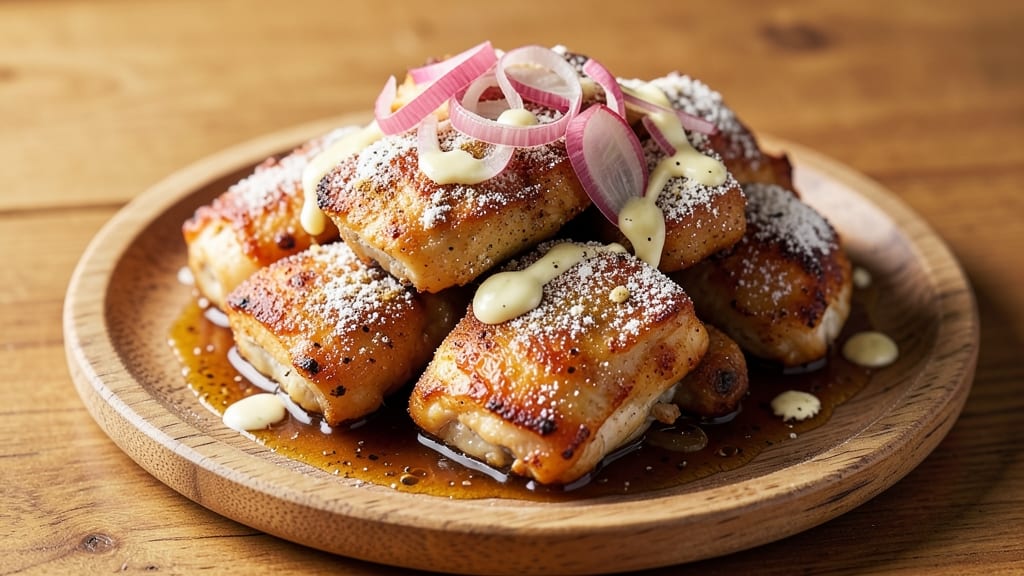
This German chicken recipe delivers the perfect marriage of crispy crust and smoky beer-braised tenderness that defines German comfort food. Growing up in small-town Georgia, I learned how German immigrants adapted their traditions to Southern kitchens—this dish honors that heritage with a modern twist.
The secret lies in a two-stage cooking process that creates both a golden, shatteringly crispy exterior and a rich, malty beer braise inside.
The beauty of this recipe is its balance between tradition and accessibility. While it captures authentic German flavors using dark beer, caraway, and juniper berries, I've simplified the technique for home cooks by using a single Dutch oven and just 30 minutes of active prep time.
The crispy crust comes from a precise combination of flour, mustard powder, and cold butter—elements that work together to create that signature crunch without requiring special equipment.
By the time you're done, you'll have perfectly browned chicken with a crust that holds its shape, infused with the deep, aromatic flavors of German beer and spices.
The braising liquid reduces into a glossy, slightly sticky glaze that coats every bite, delivering layers of umami and a subtle sweetness from the caramelized onions. This is the kind of dish that transforms a simple weeknight dinner into a restaurant-worthy experience.
Serve it with classic German sides like buttery spaetzle, roasted red cabbage, or creamy mashed potatoes to complete the meal. The crispy chicken stands up beautifully to these traditional accompaniments while remaining the star of the plate.
Let's get started on this recipe that brings German comfort food to your table.
Ingredients for german chicken
Fourteen ingredients, two stages, one unforgettable German-inspired dish.
| Ingredient | Amount | Notes |
|---|---|---|
| Boneless, Skinless Chicken Thighs 🍗 | 1 ½ lb | Cut into 1-inch pieces |
| All-Purpose Flour 🌾 | ½ cup | For crispy crust coating |
| Yellow Mustard Powder 🟡 | 1 tbsp | Key for authentic flavor |
| Unsalted Butter 🧈 | ¼ cup | Cold, cubed for crust |
| Dark Lager Beer 🍺 | 1 cup | German-style, like Paulaner |
| Chicken Broth 💧 | ½ cup | Low-sodium preferred |
| Yellow Onion 🧅 | 1 whole | Thinly sliced for braising |
| Ground Caraway Seeds 🌿 | 1 tsp | Freshly ground for aroma |
| Juniper Berries 🌲 | 4 whole | Lightly crushed for depth |
| Bay Leaves 🍃 | 2 whole | Fresh for best flavor |
| Salt 🧂 | 1 ½ tsp | Kosher or sea salt |
| Black Peppercorns 🌶️ | ½ tsp | Freshly cracked preferred |
| Extra-Virgin Olive Oil 🫒 | 1 tbsp | For Dutch oven searing |
The chicken thighs are the star—bone-in, skin-on if you can find them, but boneless works too. Local butchers often have better cuts than grocery stores, and they'll trim them for you. Caraway seeds and juniper berries are the German soul of this dish. Penzeys sells them pre-ground, but if you're feeling fancy, toast whole juniper berries in a dry pan for 30 seconds first—they release their aroma like magic. The beer? Dark lager is non-negotiable here; Paulaner or any German-style dark beer from the craft section will do. Skip the light beers—they won't deliver that deep, malty flavor you're craving.
No caraway? Celery seeds at half the amount add a similar earthiness. Out of juniper berries? Allspice berries work in a pinch, but they're slightly sweeter. The mustard powder is crucial—it's what gives that signature German crunch. No mustard powder? Dijon mustard mixed with flour gets you close. For the beer, if you can't find dark lager, stout or porter are decent substitutes. The onions? Yellow or red both work, but yellow caramelizes better. And if you're using pre-sliced onions, pat them dry first—they'll crisp up faster in the Dutch oven.
The butter for the crust needs to stay cold—pop it in the freezer for 15 minutes before mixing with flour. This braise reheats beautifully—tastes even better the next day once all the flavors meld. Store leftovers in the fridge for 4 days or freeze for 3 months. I like to portion it into containers with a little extra braising liquid so it stays moist when reheated. The crust gets soggy if you don't reheat it properly, so cover it loosely with foil and warm in a 350°F oven for 10-15 minutes.
Why You'll Love This Recipe
- One-Pan Magic: I swear by this recipe for lazy nights—just coat the thighs in flour and mustard powder, sear them in butter, then deglaze with beer. No chopping, no fuss, and one pan to wash.
- Beer-Braised Magic: That dark lager isn’t just a liquid—it caramelizes into a rich, tangy glaze that clings to the chicken like a hug. The mustard powder adds a subtle kick that makes it ridiculously more interesting than plain breaded chicken.
- Game Day Hero: Between us, this is my go-to for tailgates or Super Bowl parties. It’s hearty enough to feed a crowd but still feels special—no one will guess it’s just chicken thighs and pantry staples.
- Budget-Friendly Feast: Chicken thighs are forgiving and cheap, and a bag of flour plus a beer you’d drink anyway stretch this into a full meal. Leftovers reheat like a dream, too—just toss them in a skillet with a splash of beer for seconds.
Step-by-step instructions for German chicken recipe
Here's how to nail that perfect crispy crust with tender, smoky beer-braised chicken every time.
Cut and Coat the Chicken for Maximum Crisp
Start by cutting the 1.5 lb boneless, skinless chicken thighs into 1-inch pieces. I find using a sharp chef's knife makes this easier—cut through the grain for even cooking. Pat the pieces dry with paper towels; this ensures the flour sticks and creates that golden crust we're after.
In a large bowl, combine the 0.5 cup all-purpose flour, 1 tbsp yellow mustard powder, 1.5 tsp salt, and 0.5 tsp black peppercorns. Toss the chicken pieces in this mixture until they're completely and evenly coated. The mustard powder adds that authentic German flavor while helping the crust adhere better than plain flour alone.
Next, add the 0.25 cup unsalted butter (cold and cubed) to the bowl. Gently toss the coated chicken until every piece is lightly dusted with butter. This step is crucial—it creates a double-layered crust that's both crispy and flavorful. Let the buttered chicken sit for 5 minutes while you prep the Dutch oven.
Sear the Chicken Until Deep Golden Brown
Heat the 1 tbsp extra-virgin olive oil in a heavy Dutch oven over medium-high heat until shimmering. Add the chicken in a single layer, working in batches if needed—don't overcrowd the pan or the temperature will drop and you'll lose that perfect sear. Let each piece cook undisturbed for 3-4 minutes until the edges are deep golden brown and the chicken releases easily from the pan.
Here's where it gets good—the crust should look almost caramelized, with some spots starting to turn darker. Flip the pieces and sear the other side for another 2-3 minutes. Transfer the seared chicken to a plate and set aside. Don't clean the Dutch oven yet; those browned bits are flavor gold.
If you're worried about the chicken drying out, don't be. The beer braise will keep it juicy while that crispy crust stays intact. The key is that initial high-heat sear—it locks in moisture while creating that satisfying crunch.
Build the Smoky Beer-Braised Foundation
In the same Dutch oven, add the 1 whole yellow onion (thinly sliced) and cook for 3-4 minutes until softened. Add the 1 tsp ground caraway seeds and 4 whole juniper berries (lightly crushed), stirring for 30 seconds until fragrant. These spices are what give this dish its authentic German character—caraway's earthy note and juniper's piney aroma work perfectly together.
Pour in the 1 cup dark lager beer and scrape up all those browned bits from the bottom of the pan. Let it simmer for 2-3 minutes until reduced by about half. The alcohol will cook off, leaving behind deeper flavor. Add the 0.5 cup chicken broth and the 2 whole bay leaves, then return the seared chicken to the pot.
Bring everything to a gentle simmer, then reduce heat to low. The liquid should just barely bubble—you want it to cook slowly so the chicken stays tender. Cover the pot and let it braise for 30-35 minutes, until the chicken is fork-tender and the sauce has thickened slightly. The crust should remain crispy, not soggy—this is where patience pays off.
Finish with Crispy Crust and Rich Sauce
Once the chicken is tender, increase heat to medium and let the liquid reduce for another 5-7 minutes until it coats the back of a spoon. The sauce should be thick enough to cling to the chicken but still spoonable. If it's too thin, uncover and simmer longer; if too thick, add a splash of water or broth.
Taste and adjust seasoning—you might need a pinch more salt or a crack of black pepper. The beer and broth should provide most of the saltiness, but it's always worth checking. Remove the bay leaves and juniper berries (unless you're a fan of their texture) and serve immediately.
For that final crispy touch, I like to transfer the chicken to a serving platter and spoon the sauce over the top. The contrast of crispy crust with the rich, smoky sauce is what makes this dish special. Serve with crusty bread to soak up every last bit of that delicious braising liquid.
Pro Tips For Making German Chicken
- Brown the Flour First: Skip the pre-mixed roux—heat the all-purpose flour in butter for 1–2 minutes until it smells nutty and golden. This removes the raw flour taste and builds a richer base for the beer sauce. (Yes, even if you’re tempted to rush it.)
- Pound the Chicken Evenly: Use a meat mallet to flatten the thighs to a consistent ½-inch thickness. Uneven pieces cook at different rates, and thinner spots dry out while thicker ones stay undercooked. Do this before seasoning so you don’t get flour everywhere.
- Deglaze Aggressively: After browning the chicken, scrape the pan hard with a wooden spoon—those stuck-on bits are flavor gold. Add the beer immediately and let it bubble for 30 seconds before stirring. This pulls every last bit of caramelized goodness into the sauce.
- Use Room-Temp Beer: Cold beer thins the sauce and dulls the flavor. Pour it into a measuring cup 10 minutes before using so it warms slightly—this lets the maltiness shine and thickens the sauce better. (Pro move: save a splash for a quick taste test.)
Perfect pairings for these flavors
Beer Pairings
This dish demands a German dark lager—the same style used in the braise. I recommend Paulaner Dark or Ayinger Altbairisch Dunkel for their deep maltiness and subtle roasted notes that mirror the caramelized onions and juniper.
The beer's bitterness cuts through the richness of the butter crust while complementing the caraway's earthiness. 🍺
For a lighter option, try a German-style amber ale like Weihenstephaner Hefeweissbier (wheat beer) if you prefer a slightly fruity contrast. Avoid hoppy IPAs or stouts—they'll overpower the delicate balance of flavors in the chicken.
If you're serving this at a gathering, bring a 6-pack of German pilsners like Warsteiner for guests who prefer a cleaner palate cleanser.
Wine Matchups
A German Riesling Kabinett from the Mosel region is my go-to pairing—its crisp acidity and hints of green apple refresh the palate between bites of rich, buttery chicken. Look for a 2021 Dr. Loosen Blue Slate for that perfect balance of sweetness and minerality.
The wine's citrus notes also play beautifully with the caraway and juniper. 🍷
For red wine lovers, a German Spätburgunder (Pinot Noir) from Baden—like Dr. Hauschka Spätburgunder—offers enough body to stand up to the dish without overpowering it. The earthy undertones in the wine echo the juniper and caraway, creating a harmonious match.
Avoid heavy Cabernets or Syrahs, which would clash with the beer's malty profile.
Side Dish Harmony
Serve with buttery spaetzle—those soft egg noodles soak up the smoky braising sauce beautifully. I make mine with 1 cup all-purpose flour, 2 eggs, and 1 cup warm milk, then press through a spaetzle maker into boiling water.
Toss with 2 tbsp melted butter and a pinch of nutmeg before serving. 🥔
For a heartier option, roasted red cabbage with apple cider and thyme adds a tangy crunch that contrasts the chicken's richness. Slice 1 small red cabbage into wedges, toss with 2 tbsp olive oil, 1 tbsp apple cider vinegar, and roast at 400°F for 30 minutes.
The cabbage's sweetness balances the beer's bitterness perfectly.
Bread and Extras
A crusty German rye bread is essential for sopping up that delicious braising liquid. Look for Pumpernickel from a local bakery—its dense texture holds up to the rich sauce.
I also love serving pickled red cabbage on the side for a bright, acidic contrast that cuts through the dish's richness. 🥖
For a modern twist, add sautéed mushrooms with thyme and garlic—their umami depth complements the chicken's smoky flavors. Sear 8 oz cremini mushrooms in 1 tbsp butter until golden, then finish with 1 tsp fresh thyme and a squeeze of lemon. The earthy notes tie everything together beautifully.
Nutrition facts
Frequently asked questions
Can I substitute dark beer with another type of beer?
While dark lager is ideal, you can use stout or porter for a deeper flavor profile. Avoid light beers or IPAs—they lack the malty sweetness that balances the dish. For non-alcoholic versions, use non-alcoholic dark beer or substitute with extra chicken broth plus 1 tbsp molasses to mimic the caramel notes.
Why does the crust turn soggy if I reheat leftovers?
The crust absorbs moisture when reheated directly. To fix this, spread the chicken on a baking sheet and warm at 350°F for 10-15 minutes, covered loosely with foil. The residual heat will crisp the coating while keeping the interior warm. Store leftovers in an airtight container with the sauce separate to preserve texture.
What's the difference between this and traditional German chicken dishes?
This recipe blends German techniques with Southern adaptations. While classic German dishes like Schnitzel use breading, this version features a flour-mustard-butter crust inspired by German Bratwurst coatings. The beer braise draws from Sauerkraut traditions, but the crispy crust sets it apart from tender, unbreaded German chicken cuts.
Can I make this with chicken breasts instead of thighs?
Chicken breasts will dry out during braising. If you must use them, pound to ½-inch thickness and reduce braising time to 20 minutes. For best results, stick with thighs—they stay juicy and handle the two-stage cooking process perfectly. The fat content in thighs creates a richer sauce too.
How do I adjust this recipe for a crowd?
Double the recipe and use a 6-quart Dutch oven. Increase beer to 2 cups and broth to 1 cup. Cook in batches if needed—sear all chicken first, then braise in two rounds. For serving, keep the braising liquid warm in a separate pot to maintain thickness. The crust stays crispy when handled in smaller batches.