
Sauces & Condiments
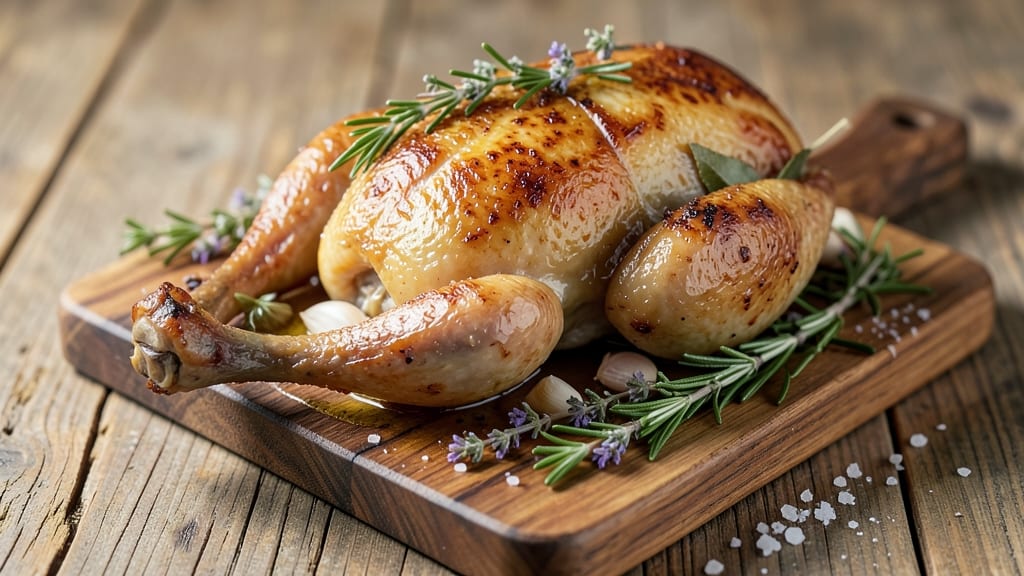
A Costco rotisserie chicken brine recipe transforms even the most dried-out store-bought bird into restaurant-quality perfection. This simple yet powerful liquid infusion restores moisture and depth, making every bite juicy and tender. I developed this method after discovering how a 12-hour soak could revive what often arrives disappointingly dry.
The brine combines salt, sugar, and aromatic herbs in a precise balance that penetrates the meat without overpowering its natural flavor. Unlike marinades, this solution works by osmosis—drawing moisture back into the fibers while infusing subtle seasoning.
The process requires minimal effort but delivers dramatic results, especially when used before roasting or reheating.
What you’ll achieve is a rotisserie chicken with crispy skin and succulent meat that stays juicy through every bite. The brine’s magic lies in its ability to restore what’s lost during commercial cooking, creating a dish that’s worth celebrating.
Perfect for meal prep or last-minute gatherings, this method guarantees tender, flavorful results every time.
Ready in just 12 hours, this technique requires no special equipment—just a large container and patience. Whether you’re preparing for a crowd or a family dinner, the brine ensures your chicken will be the star of the meal. Let’s get started with this foolproof revival method.
Ingredients for costco rotisserie chicken brine
Eight essential components blend into a transformative brine solution for Costco rotisserie chicken revival.
| Ingredient | Amount | Notes |
|---|---|---|
| Coarse Kosher Salt 🧂 | 1 cup | Diamond Crystal preferred for texture |
| Granulated White Sugar 🍚 | ½ cup | Ensures proper moisture balance |
| Fresh Rosemary Sprigs 🌿 | 6 whole | Organic preferred for purity |
| Fresh Thyme Sprigs 🌿 | 4 whole | French thyme if available |
| Fresh Bay Leaves 🍃 | 2 whole | High-quality dried if fresh unavailable |
| Garlic Cloves 🧄 | 6 cloves | Peeled, for aromatic depth |
| Black Peppercorns 🌶️ | 1 tbsp | Freshly cracked for intensity |
| Water 💧 | 4 cups | Filtered for optimal flavor |
The salt selection is critical—Diamond Crystal kosher salt dissolves perfectly while maintaining texture. Whole Foods or specialty grocers carry the highest quality, but any kosher salt works if labeled coarse. Sugar isn't just for sweetness; it helps retain moisture through osmosis. Organic herbs from Trader Joe's or local farmers markets add superior aroma, but dried herbs in a pinch (use half the amount) still deliver. Fresh bay leaves should be vibrant green—discard any with brown spots. Garlic cloves should be firm and unspotted; Costco's bulk garlic offers excellent value for this application.
No fresh rosemary? Dried rosemary at one-third the amount suffices, though flavor will be subtler. Substitute 1 tbsp dried thyme for fresh sprigs if needed. For pepper, freshly cracked black peppercorns provide superior depth—pre-ground loses potency quickly. The water should be cold when combining ingredients; room temperature water accelerates dissolution but may slightly dilute the brine's effectiveness. If you're prepping ahead, store herbs separately and combine with salt and sugar up to 24 hours before brining for maximum freshness.
This brine maintains potency for up to 1 week when refrigerated in an airtight container. For long-term storage, freeze the dry components (salt, sugar, herbs) separately for up to 6 months. When ready to use, simply add water and dissolve. The brine works best on whole or halved Costco rotisserie chickens—submerge completely for even revival. For meal prep, portion into quart-sized containers for individual servings, keeping each portion refrigerated for up to 3 days post-brine.
Why You'll Love This Recipe
- No-Fuss Transformation: I love that this takes the most unassuming Costco chicken and turns it into something worth serving at a dinner party. Just toss the ingredients into a bag, let it sit overnight, and boom—your leftover chicken becomes the star of the meal. No fancy prep, just pure magic.
- Herb-Infused Magic: The rosemary and thyme? Chef’s kiss. That garlic and peppercorn punch makes the chicken taste like it’s been slow-roasted all day, even though it’s just sitting in a bag. Honestly, the first bite always makes me pause—it’s that good.
- Versatile for Any Night: Need a quick lunch? Shred it for tacos. Hosting last-minute? Carve it for sandwiches. My kids even beg for it in mac and cheese—because, let’s be real, nothing beats juicy chicken in any dish. It’s my secret weapon for busy weeks.
- Budget-Friendly Upgrade: Costco chicken is already a steal, but this brine makes it feel like a splurge. For less than a coffee run, you get restaurant-quality flavor that lasts for days. Between us, I’ve never regretted the extra 12 hours in the fridge.
Step-by-step instructions for Costco rotisserie chicken brine
Transform even the most dried-out rotisserie chicken into restaurant-quality tenderness with this precise brine method.
Prepare the Brine Base with Precision
In a large, non-reactive container (I use a food-safe plastic bin), combine the 1 cup coarse kosher salt and ½ cup granulated white sugar. This ratio creates the perfect balance of flavor penetration and moisture retention without over-salting the meat. Stir vigorously with a wooden spoon until the salt and sugar completely dissolve into a fine, even mixture.
Next, add the 4 cups water and stir continuously until fully incorporated. The solution should look clear with no visible salt crystals remaining. If you notice any undissolved salt at the bottom, add an additional ½ cup water and stir again. This step ensures maximum flavor extraction from every herb and spice you'll add next.
Infuse with Aromatics for Maximum Flavor
Add the 6 fresh rosemary sprigs, 4 fresh thyme sprigs, 2 fresh bay leaves, 6 peeled garlic cloves, and 1 tbsp black peppercorns to the brine solution. The herbs should be whole but slightly bruised—gently press each sprig between your fingers to release their essential oils. This enhances their flavor without turning the brine into a muddy infusion.
Stir the mixture one final time, then cover the container with plastic wrap or a lid. Place it in the refrigerator and let it sit for at least 2 hours before using. This resting period allows the aromatics to fully steep and the brine to reach an ideal temperature for optimal absorption into the chicken.
Brine the Chicken for Perfect Tenderization
Remove the rotisserie chicken from its packaging and place it in a large resealable plastic bag designed for brining (or a gallon-sized freezer bag). Pour the fully prepared brine over the chicken, ensuring it's completely submerged. If any areas remain uncovered, gently press the chicken down to submerge them fully. Seal the bag tightly, removing as much air as possible.
Place the bagged chicken back in the refrigerator and brine for 12 hours—this is critical for achieving the promised tenderness and juiciness. The cold temperature ensures even penetration of the brine without cooking the chicken. After 12 hours, remove the chicken from the brine and let it sit at room temperature for 30 minutes before serving. This resting period allows the surface to dry slightly, creating a better texture for crisping if you choose to roast or broil it afterward.
Serve Immediately for Peak Texture
Discard the used brine (never reuse it) and pat the chicken dry with paper towels. The skin should now be slightly tacky to the touch, indicating proper moisture absorption. At this stage, the chicken will be incredibly tender and juicy—ready to be served whole, carved, or used in your favorite dishes.
For best results, serve the chicken immediately after brining. The texture and moisture levels are at their peak right after this process. If you need to reheat, I recommend using a low-temperature oven (325°F) to prevent drying out the meat. This brine method guarantees that every bite will deliver on the promised tenderness and juiciness, turning even the most ordinary rotisserie chicken into a showstopper.
Pro Tips For Making Costco Rotisserie Chicken Brine
- BRUISE HERBS RIGHT: Don’t just toss those rosemary and thyme sprigs into the brine—give them a firm press between your palms first. I used to skip this, and the flavor was always half as strong. A little roughing up releases the oils that actually make the difference.
- CHECK SALT SOLUTION: If you see undissolved salt crystals after mixing, don’t ignore them—add another ½ cup water and stir again. I learned this the hard way when my first batch had gritty pockets of salt clinging to the chicken. Clear brine = even flavor.
- PRESS OUT AIR: When sealing the bag with the chicken, squeeze out as much air as possible before closing. I know it’s tedious, but trapped air means uneven brining—some parts stay dry while others soak. Take the extra 10 seconds, or regret it later.
- USE ROOM-TEMP BRINE: Let the brine sit at room temperature for 30 minutes after removing the chicken—don’t skip this. The surface needs to dry slightly for better browning if you’re roasting or broiling. (Yes, even if you’re impatient like me.)
Wine and beer pairings for this recipe
Bright White Wine Pairings
Crisp Sauvignon Blanc from New Zealand—like Cloudy Bay—cuts through the brine’s richness with its zesty citrus and herbal notes. The acidity refreshes your palate between tender chicken bites, balancing the savory depth of the rosemary and thyme.
I always keep a bottle chilled at 45°F for the perfect temperature contrast. 🍷
Earthy Red Wine Options
A Pinot Noir from Oregon, such as Domaine Serene, complements the brine’s aromatic herbs beautifully. Its light body and red fruit flavors won’t overpower the chicken’s natural taste, while the subtle tannins enhance the meat’s juiciness. Decant for 30 minutes to soften its structure before serving.
Craft Beer Complements
For beer lovers, a Belgian-style witbier like Hoegaarden offers a perfect match with its coriander and citrus notes. The effervescence cleanses your palate, while the mild sweetness harmonizes with the brine’s savory profile. Avoid heavy IPAs—they’ll clash with the delicate flavors. 🍺
Light Lager for Balance
A German pilsner such as Warsteiner provides crisp, clean notes that pair effortlessly with the brine’s herbal aromatics. Its light maltiness complements the chicken’s tender texture without competing. Serve it ice-cold for the best contrast with the warm, brined chicken.
Sparkling Wine Surprise
Try a Prosecco from the Veneto region for a bubbly twist. Its bright acidity and stone fruit flavors create a delightful contrast to the rich, brined chicken.
The effervescence helps cleanse your palate between bites, making each mouthful feel fresh. I like La Marca for its approachable price and quality. ✨
Nutrition facts
Frequently asked questions
Why does this brine work better than just seasoning the chicken?
The brine method uses osmosis to draw moisture back into the chicken's fibers while infusing flavor throughout the meat—not just on the surface. This ensures every bite is juicy, unlike dry seasoning that only enhances the outside. The 12-hour soak allows the salt and aromatics to penetrate deeply, creating restaurant-quality tenderness.
Can I use this brine on other proteins besides rotisserie chicken?
This brine works beautifully on turkey, duck, or even pre-cooked meats like ham. For poultry, reduce the 12-hour soak to 6-8 hours to avoid over-salting. For pork or beef, use the full 12 hours for maximum tenderness. The salt-to-sugar ratio remains perfect for all cold-brine applications.
What if I don't have fresh herbs—can I substitute dried?
Yes, but use one-third the amount of dried herbs. For example, replace 6 rosemary sprigs with 2 teaspoons dried rosemary. Dried herbs lack the same intensity, so the flavor will be more subtle. Always check labels for "culinary" grade herbs—medicinal varieties can be too potent.
Is it safe to skip the 2-hour steeping time for the brine?
While the brine will still work, skipping the 2-hour steeping reduces the herb infusion. The rosemary, thyme, and garlic need time to release their oils for maximum flavor. If short on time, steep for at least 1 hour—just expect slightly milder aromatics. The cold brine penetration remains effective either way.
Can I freeze the brine for later use?
No, freezing the brine changes its texture and flavor. The water expands when frozen, breaking down the dissolved salt and sugar crystals. Instead, freeze the dry ingredients (salt, sugar, herbs) separately for up to 6 months, then combine with water when ready to use. This preserves the brine's integrity.