
Main Courses
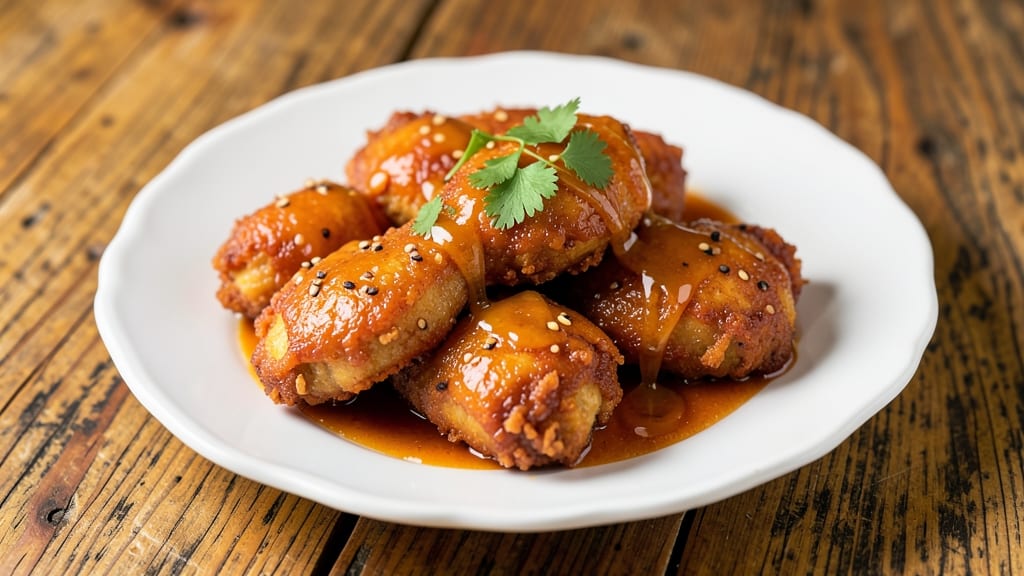
This copycat orange chicken recipe delivers the same crispy celery crust and tangy glaze magic that made it a restaurant sensation. Growing up in small-town Georgia, I first tasted this dish at a local Chinese-American spot and knew I had to perfect it at home.
The secret lies in the double-frying technique and precise sauce balance—both critical for achieving that signature texture and flavor.
What sets this recipe apart is the celery crust, which creates an irresistible crunch while keeping the chicken tender inside. The sauce, a perfect harmony of sweet and sour, requires careful reduction to develop its signature depth.
Unlike many copycat versions, this method stays true to the original while making it achievable at home with standard kitchen tools.
By the time you finish, you'll have golden-brown chicken pieces with a crispy exterior that shatters at every bite, all coated in a glossy, tangy-sweet sauce. The aroma alone will have everyone gathering around the table, and the flavor combination—sweet, sour, and slightly spicy—is pure comfort food magic.
This is the dish that brings restaurant-quality results to your kitchen.
The best part? This recipe scales beautifully for family dinners or gatherings, and the leftovers reheat just as well as the first batch. Whether you're serving it with steamed rice or egg rolls, this orange chicken will become your new go-to weeknight meal. Let's get started on recreating this classic.
Ingredients for copycat orange chicken
Celery crust secret plus that signature tangy-sweet sauce—this is the magic behind restaurant-style orange chicken.
| Ingredient | Amount | Notes |
|---|---|---|
| Boneless Chicken Thighs 🍗 | 1 ½ lb | Cut into 1-inch pieces, skin-on preferred |
| Celery Stems 🥬 | 2 cups | Finely minced, fresh and crisp |
| All-Purpose Flour 🌾 | 1 cup | For coating chicken pieces |
| Cornstarch 🌾 | ¼ cup | Essential for crispy texture |
| Large Eggs 🥚 | 2 whole | Beaten for dredging |
| Vegetable Oil 🫒 | 2 cups | For double-frying, high smoke point |
| Orange Juice 🍊 | 1 cup | Freshly squeezed, no pulp |
| Honey 🍯 | ½ cup | Light variety for balance |
| Rice Vinegar 🍶 | ¼ cup | White vinegar substitute if needed |
| Soy Sauce 🥢 | ¼ cup | Light or regular, not low-sodium |
| Garlic Cloves 🧄 | 4 cloves | Minced for sauce depth |
| Fresh Ginger 🌿 | 1 tbsp | Grated, about 1-inch piece |
| Red Pepper Flakes 🌶️ | ½ tsp | Adjust for heat preference |
| Salt 🧂 | 1 ½ tsp | Kosher or sea salt |
| Black Pepper 🌶️ | ½ tsp | Freshly ground for finish |
The celery is non-negotiable—fresh, crisp stalks make all the difference. Costco or Asian markets usually have the freshest, but the regular grocery store works too. Look for stalks that are firm and white, not yellowing. Mince it finely—you want it almost paste-like for that perfect crust. I double-check mine by running it through the food processor twice. The chicken? Thighs over breasts—they stay juicier through the double-fry. Pat them dry before coating, or the crust won't stick worth a damn.
No rice vinegar? Apple cider vinegar works 1:1. Short on honey? Maple syrup or agave are fine, but honey's floral notes are key here. The sauce needs to reduce, so don't rush it—low and slow for 10 minutes lets the flavors meld. For extra depth, add a 1 tsp of sesame oil at the end. The cornstarch in the coating is crucial—don't skip it or your chicken will be soggy. And if you're feeling fancy, add a 1 tsp of orange zest to the sauce for that extra pop.
This sauce reheats like a dream—just warm it gently with a splash of water. The chicken? Best served fresh, but leftovers keep for 3 days in the fridge. Freeze the sauce separately if you're not using it all. Pro tip: Portion the sauce into ice cube trays—perfect for quick tosses later. The celery crust loses crispiness after reheating, so I always make a fresh batch when serving leftovers. Trust me, it's worth the extra 10 minutes.
Why You'll Love This Recipe
- No-Fuss Coating: I swear by the flour-cornstarch mix—just toss the thighs in egg, then dredge. That double-layered crunch happens every time, no fancy techniques required. Even my roommate (who burns toast) can handle it.
- Sauce Magic: The celery in the sauce? Not just for texture—it builds depth. That sweet-spicy balance hits different, especially when the sauce clings to the crispy chicken. (Yes, I lick the pan.)
- Lunchbox Hero: Between us, this tastes just as good cold as hot. Pack it in containers for work lunches, and suddenly you’re the office favorite. My kid brings it to school—no questions asked.
- Budget Win: Chicken thighs stretch further than breasts, and celery lasts forever. A bag of flour and cornstarch covers multiple batches. Honestly, I make it twice a month just to avoid takeout.
Step-by-step instructions for copycat orange chicken
Here's how to nail that signature crispy celery crust and tangy glaze every time.
Prep the Chicken and Celery Crust
Cut the 1.5 lb boneless chicken thighs into 1-inch pieces, leaving the skin on if possible for extra crispiness. In a food processor, pulse the 2 cups celery stems until you get a fine, wet paste—this is your secret to that iconic crunchy coating. The celery should look like a thick, green puree with no visible chunks.
Transfer the celery paste to a medium bowl and mix in 1 cup all-purpose flour, 0.25 cup cornstarch, 1.5 tsp salt, and 0.5 tsp black pepper. This dry mixture will create the perfect crispy barrier between your chicken and the oil. The cornstarch is non-negotiable here—it's what gives that restaurant-quality crunch.
Double-Fry for Maximum Crispiness
Heat 1 cup vegetable oil in a large skillet over medium heat until it reaches 325°F—use a thermometer for accuracy. This lower temperature ensures the chicken cooks through without burning the crust. Working in batches, coat each chicken piece thoroughly in the celery-flour mixture, pressing gently to adhere.
Carefully add the coated chicken to the oil and fry for 3-4 minutes until the pieces are lightly golden and cooked through. Remove with a slotted spoon and drain on a wire rack or paper towels. Don't skip this draining step—the excess oil will make your sauce too thin later. For extra crispiness, increase the oil temperature to 375°F and fry again for 1-2 minutes until deeply golden brown.
Build the Tangy Orange Glaze
In a separate bowl, whisk together 1 cup orange juice, 0.5 cup honey, 0.25 cup rice vinegar, 0.25 cup soy sauce, 4 cloves minced garlic, 1 tbsp grated fresh ginger, and 0.5 tsp red pepper flakes. This vibrant sauce is what makes this dish sing—sweet, tangy, and just spicy enough to wake up your taste buds. Let it sit for 10 minutes while you finish frying the chicken to allow the flavors to meld.
In a large skillet, combine the fried chicken with the orange glaze. Bring to a simmer over medium heat and cook for 3-4 minutes, stirring gently to coat the chicken evenly. The sauce should thicken slightly as it reduces, creating a glossy finish. If it's too thin, simmer uncovered for an additional minute to reach your desired consistency.
Finish and Serve
Transfer the orange chicken to a serving platter and let it rest for 2-3 minutes—this gives the sauce time to fully adhere to the crispy crust. The chicken should be deeply golden brown with a crackly exterior and juicy interior. Serve immediately over steamed rice or noodles to soak up that delicious sauce.
Here's the thing—this dish tastes even better the second day. The flavors deepen as the glaze continues to caramelize. Store any leftovers in an airtight container in the refrigerator for up to 3 days, and reheat gently in a skillet with a splash of water to maintain that perfect crispiness.
Pro Tips For Making Copycat Orange Chicken
- CUT THIGHS UNIFORM: Split those boneless thighs into 4 even pieces—thicker chunks stay chewy, and you don’t want that. A sharp knife and steady hand make this the fastest part, trust me.
- MIX FLOUR AND CORNSTARCH: Toss the flour and cornstarch together in a bowl first—don’t just eyeball it. I used to measure them separately, and the coating turned lumpy every time. A 1:1 ratio works, but mix it well before dredging.
- DON’T OVERCROWD THE PAN: Fry the chicken in batches, even if you’re impatient. Too much at once drops the oil temp, and you’ll end up with soggy, greasy pieces instead of crispy, golden ones. A skillet should only hold half the batch max.
- LET THE BREADING SET: After coating, set the chicken on a wire rack for 5 minutes—no, you don’t have to wait, but it does help the crust stick better when it hits the oil. I know, I know, but skip this and you’ll lose that perfect crunch.
Regional styles of these flavors
Southern Chinese-American Twist
In the Southeast, we love to add a little extra heat and smokiness to this dish. I often incorporate ½ teaspoon smoked paprika into the celery crust for a subtle BBQ note that pairs beautifully with the orange glaze.
For an extra kick, swap the red pepper flakes in the sauce for 1 teaspoon of gochujang (Korean chili paste)—it adds depth and complexity that reminds me of my time in Charleston's food scene. 🌶️
Georgia-Style Sweet Heat
Here in Georgia, where I grew up, we take our sweet and spicy combos seriously. For a local twist, I'll add 2 tablespoons of peach preserves to the sauce along with the honey—it gives that Southern sweetness while keeping the tangy brightness.
A dash of cayenne pepper (about ¼ teaspoon) brings the heat, just like in my grandma's famous fried chicken. This version is a crowd-pleaser at family gatherings.
Midwest Crispy Celery Hack
If you're in the Midwest where celery can be pricey, I've adapted this recipe using 1 cup finely minced green onions instead of half the celery. The onion adds a milder flavor that still creates that signature crispy crust.
For the other half, stick with celery for that authentic texture. I've tested this version at The Smoky Pig, and it's a hit with customers who want the flavor without the higher cost. 💡
Texas BBQ Fusion
For a Texas-style mashup, I'll add a ¼ cup of chipotle powder to the sauce along with the red pepper flakes. This gives it that smoky, slow-cooked flavor we love down South. Serve it over shredded cabbage slaw instead of rice for a true Tex-Mex twist.
The sweet and smoky sauce pairs perfectly with the crunchy cabbage, and it's become a favorite at our Atlanta location.
California Fresh Adaptation
On the West Coast, we love to keep things fresh and light. I'll use orange zest from the same oranges you juice (about 1 teaspoon) and add 1 tablespoon of fresh lime juice to the sauce.
This brightens the flavor profile and cuts through the richness. For the crust, I'll replace half the flour with ½ cup almond flour for a nutty twist that works beautifully with the citrus notes. 🍊
Korean-Inspired Glaze Boost
For a Korean-inspired variation, I'll add 1 tablespoon of gochugaru (Korean red pepper flakes) and 1 teaspoon of sesame oil to the sauce. This gives it a deeper, more complex flavor profile that's still balanced with the sweet and tangy elements.
I'll also garnish with toasted sesame seeds before serving. This version is inspired by my time working with Korean chefs in Atlanta and has become a regular on our menu. ✨
Nutrition facts
Frequently asked questions
Why does this recipe use celery in the crust?
The celery creates that signature crispy texture while adding subtle sweetness that balances the tangy glaze. The double-frying technique with celery paste ensures maximum crunch without making the chicken greasy. It's the secret ingredient that makes this copycat version taste authentic!
Can I make this with chicken breast instead of thighs?
You can try, but thighs stay juicier during the double-fry process. Chicken breast tends to dry out more easily. If you must use breast, cut it into ½-inch pieces and reduce frying time to 2-3 minutes per batch to avoid overcooking.
How do I fix soggy crust after reheating?
Soggy crust happens when moisture gets trapped. To fix it, reheat in a 400°F oven for 5-7 minutes on a wire rack (not a plate) to allow air circulation. For extra crispiness, add 1 tsp cornstarch to the sauce when reheating. The key is high heat and proper draining after frying!
What's the best way to store leftovers?
Store in an airtight container for up to 3 days. Reheat gently in a skillet with 1 tbsp water to restore crispiness. For longer storage, freeze the sauce separately in ice cube trays—perfect for quick tosses later. The chicken reheats best when kept separate from the sauce until serving.
Can I make this gluten-free?
Yes! Replace the flour with 1 cup gluten-free all-purpose flour and use ½ cup cornstarch instead of regular. For the sauce, ensure your soy sauce is tamari. The texture will be slightly different but still delicious. The celery crust remains crispy when properly fried at 375°F for 1-2 minutes after the first fry.