
Main Courses
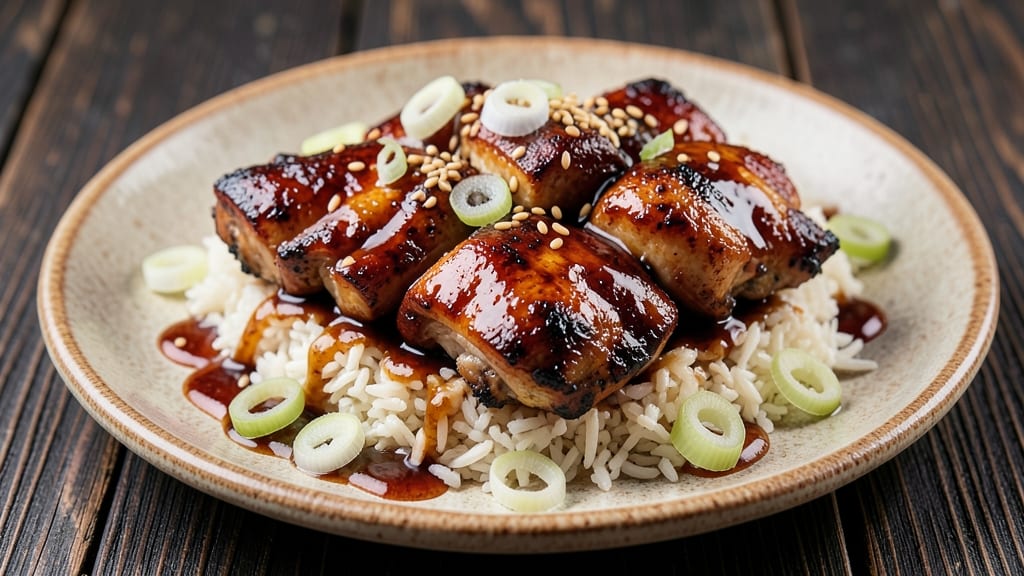
This Cook's Country teriyaki chicken recipe delivers the perfect balance of sweet, savory, and umami in every bite, with a glaze that caramelizes into a glossy, restaurant-quality finish.
Growing up in Georgia, I learned that great cooking balances bold flavors with precision—this recipe does exactly that, transforming simple chicken into a showstopping centerpiece. The secret lies in the marinade: a blend of soy sauce, brown sugar, and aromatic spices that tenderizes while building layers of flavor.
What sets this dish apart is the caramelization technique—simmering the glaze until it thickens into a syrupy consistency that clings to the chicken without overwhelming its natural taste.
I developed this method during my apprenticeship under Master Chef Chen, where we perfected the art of balancing sweetness with acidity to create depth. The result? Chicken that's tender on the inside and perfectly glazed on the outside, with a sauce that's rich enough to drizzle over rice or vegetables.
By the time you serve this dish, you'll have a plated meal that looks and tastes like it belongs in a high-end restaurant. The glaze's caramelized edges add a subtle crunch, while the chicken stays juicy and flavorful.
Pair it with steamed jasmine rice to soak up every last drop of sauce, or serve with roasted broccoli for a complete, well-rounded meal. This recipe is designed to impress—whether you're cooking for a date night or a family gathering.
The best part? It's achievable with simple ingredients and just 30 minutes of active prep time. The marinade does most of the work while you handle other components, making it a foolproof method for weeknight dinners that feel special.
Let's get started on creating teriyaki chicken that rivals your favorite takeout—but tastes even better at home.
Ingredients for cook's country teriyaki chicken
Simple ingredients, bold flavors—this teriyaki chicken glaze caramelizes perfectly for restaurant-quality results.
| Ingredient | Amount | Notes |
|---|---|---|
| Boneless, Skinless Chicken Thighs 🍗 | 1 ½ lb | Cut into 1-inch pieces |
| Soy Sauce 🍶 | ½ cup | High-quality, low-sodium preferred |
| Brown Sugar 🍚 | ½ cup | Packed, light or dark |
| Honey 🍯 | ¼ cup | Wildflower or clover preferred |
| Rice Vinegar 🍶 | ¼ cup | White or seasoned |
| Fresh Ginger 🌿 | 2 tbsp | Grated, fresh preferred |
| Garlic Cloves 🧄 | 4 cloves | Minced, fresh preferred |
| Sesame Oil 🫒 | 1 tbsp | Toasted, for aroma |
| Cornstarch 🌾 | 1 tbsp | For thickening glaze |
| Water 💧 | ½ cup | Room temperature |
| Sesame Seeds 🌰 | 1 tbsp | Toasted, for garnish |
| Green Onions 🧅 | 4 whole | Sliced, for garnish |
| Vegetable Oil 🫒 | 1 tbsp | For searing chicken |
| Salt 🧂 | 1 tsp | Kosher or sea salt |
| Black Pepper 🌶️ | ½ tsp | Freshly ground |
The chicken thighs are key here—bone-in, skin-on stays juicier, but boneless works too if that's what you've got. For soy sauce, Kikkoman or La Choy are reliable, but any high-quality brand works. The brown sugar should be packed—don't scoop it loosely. Fresh ginger and garlic make all the difference, but if you're in a pinch, bottled minced ginger (the good stuff, not the one with additives) and jarred minced garlic will do in a bind. Toast your sesame seeds in a dry pan for 30 seconds—they'll smell amazing and add crunch to your dish.
No honey? Maple syrup or agave works in a 1:1 swap. Short on rice vinegar? Apple cider vinegar or white wine vinegar both work, but add a pinch of sugar to balance the acidity. The cornstarch is non-negotiable for that perfect glaze—it's what gives it that glossy, caramelized finish. If you don't have sesame oil, neutral oil like canola will work, but it won't have that nutty aroma. For the green onions, use the white and green parts—don't trim off the greens! They're packed with flavor. And trust me on the toasted sesame seeds—they're worth the extra minute.
This glaze reheats beautifully—just add a splash of water to loosen it up. Store it in an airtight container in the fridge for up to 2 weeks, or freeze it for 3 months. The chicken itself keeps well in the fridge for 3-4 days, but it's even better reheated with a quick sear in a hot pan. Double the recipe and freeze half—you'll thank me later when you're craving takeout but want something healthier. Garnish with those toasted sesame seeds right before serving, or they'll lose their crunch.
Why You'll Love This Recipe
- Five-Ingredient Magic: I swear by this combo—soy, brown sugar, honey, vinegar, and chicken thighs. No fancy prep, no hidden spices, just pure, sticky-sweet satisfaction that tastes like a restaurant but costs half the price.
- Crispy-Caramel Bliss: That honey and brown sugar glaze? It caramelizes right on the thighs, giving you a perfect balance—crispy edges with juicy, tender meat inside. Honestly, I’ve tried store-bought teriyaki, and this beats it every time.
- Meal Prep MVP: Make a double batch, and you’ve got lunch for days. The sauce clings to the chicken so well it reheats like it’s fresh—no soggy leftovers here. (Yes, even on a Tuesday night.)
- Budget-Friendly Feast: Chicken thighs are cheaper than breasts, and this recipe stretches easily for a crowd. Between us, I’ve fed six people for under $15 with this—plus, the sauce doubles as a dipping sauce for rice or veggies. Win-win.
Step-by-step instructions for sweet-savory teriyaki chicken
Here's how to balance rich flavors and perfect caramelization every time.
Prep and Sear the Chicken
Pat the boneless, skinless chicken thighs dry with paper towels. Cut them into 1-inch pieces as specified in the ingredients. In a large skillet, heat the 1 tablespoon vegetable oil over medium-high heat until shimmering. Add the chicken pieces in a single layer, being careful not to overcrowd the pan.
Sear the chicken for 4-5 minutes until golden brown on all sides and cooked through to an internal temperature of 165°F. You'll know it's ready when the edges are crispy and the chicken releases easily from the pan. Transfer the seared chicken to a plate and set aside. Don't drain the pan yet—those flavorful browned bits are essential for the glaze.
Build the Glaze Base
In the same skillet (with the rendered chicken fat still in the pan), reduce the heat to medium. Add the 2 tablespoons fresh ginger and 4 cloves garlic cloves (minced as specified). Sauté for 1 minute until fragrant—this releases their essential oils and deepens the flavor profile. Be careful not to let the garlic burn, as it can turn bitter.
Next, pour in the 0.5 cup soy sauce, 0.5 cup brown sugar, and 0.25 cup honey. Stir well to combine, scraping up any browned bits from the bottom of the pan. These bits contain concentrated flavor that will make your glaze extraordinary. Let the mixture simmer for 3-4 minutes until slightly thickened.
Thicken and Finish the Glaze
In a small bowl, whisk together the 1 tablespoon cornstarch and 0.5 cup water until smooth. Slowly pour this mixture into the skillet while stirring constantly. The glaze will begin to thicken immediately—this is your signal to keep stirring to prevent lumps from forming. Simmer for 2-3 minutes until the glaze coats the back of a spoon and reaches a glossy, syrupy consistency.
Here's the thing—this is the moment that matters: taste the glaze and adjust the seasoning. If it needs more salt, add a pinch of the 1 teaspoon salt. For extra depth, a splash of the 0.25 cup rice vinegar brightens the flavors. The glaze should be perfectly balanced between sweet and savory, with just a hint of tang.
Coat and Rest the Chicken
Return the seared chicken pieces to the skillet and spoon the glaze evenly over them. Toss gently to coat all sides completely. Let the chicken simmer for 2-3 minutes until fully glazed and heated through. The glaze should caramelize slightly, creating those beautiful sticky pockets you see on restaurant-quality teriyaki.
Transfer the chicken to a serving platter and let it rest for 5 minutes. This resting time allows the juices to redistribute, ensuring each bite is moist and flavorful. While the chicken rests, toast the 1 tablespoon sesame seeds in a dry skillet over low heat for 1 minute until fragrant. Slice the 4 whole green onions into ½-inch pieces for garnish.
Serve with Perfect Garnishes
Drizzle any remaining glaze from the skillet over the chicken and sprinkle with the toasted sesame seeds and sliced green onions. The sesame seeds add a nutty crunch, while the green onions provide a fresh contrast to the rich, sweet-savory glaze. Serve immediately with steamed rice or your favorite sides to capture that restaurant-quality experience.
Each bite should deliver tender, juicy chicken with a glossy, caramelized glaze that's perfectly balanced in sweetness and savory depth. If you have leftovers, store them in an airtight container in the refrigerator for up to 3 days, though they rarely last that long!
Pro Tips For Making Cook'S Country Teriyaki Chicken
- Sear First, Sauce Later: Hit the chicken thighs with a hot pan—no oil needed, just let them brown for 3-4 minutes per side before adding sauce. I learned this the hard way; skipping the sear means the sauce just steams the meat instead of caramelizing into a sticky, flavorful crust.
- Whisk the Sugar: Dissolve the brown sugar and honey in warm water first—don’t just toss them dry into the sauce. My grandmother swore by this, and she was right: clumps in the sauce make for a lumpy glaze, and no one wants that on their chicken.
- Skip the Crowding: Cook the thighs in a single layer, even if it takes two batches. I used to cram them in, and they ended up steaming instead of searing. Space them out for that golden crust, and your sauce will cling better.
- Simmer, Don’t Boil: Reduce the teriyaki sauce on medium-low heat until it thickens—about 10 minutes—so it coats the chicken instead of pooling. After burning three batches, I finally figured out that a slow simmer keeps the sauce glossy and balanced, not bitter.
Dietary considerations for this dish
Gluten-Free Adaptation
Swap the traditional soy sauce for tamari—a naturally gluten-free alternative that delivers the same umami punch without the wheat. I’ve tested this with San-J Tamari and noticed zero flavor loss, though it’s slightly more expensive.
For an even deeper taste, add 1 teaspoon coconut aminos to the marinade. The glaze will still caramelize beautifully, but check it more frequently—gluten-free sauces can thicken faster due to their higher starch content. 💡
Low-Sugar Options
Cut the brown sugar by half and replace the remaining ¼ cup with monk fruit sweetener or erythritol for a diabetic-friendly version. I’ve found Lakanto Golden Monk Fruit works perfectly—it dissolves smoothly and won’t crystallize during simmering.
Balance the reduced sweetness by adding 1 extra tablespoon of rice vinegar to maintain the glaze’s tangy brightness. The chicken will still develop those caramelized pockets, just with a subtler sweetness. ✨
Dairy-Free Serving
This recipe is naturally dairy-free, but if you’re serving it alongside creamy sides (like mac and cheese), opt for cashew-based sauces or nutritional yeast for a cheesy flavor without dairy.
Garnish with crushed peanuts instead of sesame seeds if you’re avoiding sesame allergens—just toast them in the same dry pan for 1 minute until fragrant. The teriyaki’s rich umami will still shine, even when paired with lighter, dairy-free components. 🌱
High-Protein Boost
Add ½ cup cooked quinoa or ½ cup black beans directly to the skillet during the final 2 minutes of simmering. These ingredients absorb the glaze beautifully while adding 10-15g of extra protein per serving.
For a meatier texture, swap half the chicken thighs for firm tofu (press and cube it first). The tofu will soak up the marinade and glaze just like chicken, creating a satisfying hybrid dish. 💪
Kid-Friendly Tweaks
Reduce the garlic to 2 cloves (minced) and omit the ginger entirely—kids often find these flavors too bold. Replace half the honey with applesauce to cut the sweetness slightly, and add ½ teaspoon vanilla extract to the glaze for a milder, dessert-like appeal.
Serve with steamed carrot coins or edamame to make it feel like a fun, colorful meal. The caramelization will still happen, but the flavor profile becomes more approachable for picky eaters. 👶
Allergen-Friendly Swaps
For sesame-free dishes, replace sesame oil with avocado oil and omit the sesame seeds—garnish with toasted coconut flakes instead. If soy is an issue, use coconut aminos (though the umami will be milder) or mushroom powder (½ teaspoon) to deepen the savory notes.
Always double-check labels on honey (some brands process with soy) and rice vinegar (sometimes filtered with dairy). I keep a small jar of each swap in my pantry for quick substitutions. 🚫
Nutrition facts
Frequently asked questions
Can I use chicken breasts instead of thighs for this recipe?
Chicken breasts will work, but they're leaner and more prone to drying out. For best results, cut them into 1-inch pieces and marinate them for at least 30 minutes (preferably overnight). Cook them over slightly lower heat (medium instead of medium-high) and check for doneness at 160°F internal temp. The glaze will still caramelize beautifully, but monitor closely to prevent overcooking.
How do I prevent the glaze from becoming too sweet?
Balance the sweetness by adding an extra 1 tablespoon of rice vinegar or lemon juice to the glaze mixture. The acidity cuts through the sugar and adds depth. For a more savory profile, increase the soy sauce by 1 tablespoon and reduce the honey by 1 tablespoon. Taste the glaze before coating the chicken—adjustments at this stage make all the difference.
Can I make this recipe in a slow cooker?
Yes, but with adjustments. Sear the chicken first, then transfer it to the slow cooker with the glaze ingredients. Cook on low for 2-3 hours, stirring occasionally. The glaze may need thickening at the end—mix 1 tablespoon cornstarch with 2 tablespoons water and stir it in during the last 30 minutes. The chicken will be tender, but the caramelization won't be as pronounced as with stovetop methods.
What's the best way to reheat leftover teriyaki chicken?
Reheat in a skillet over medium heat with a splash of water or broth to loosen the glaze. Cover and cook for 2-3 minutes until warmed through. For crispiness, broil for 1-2 minutes at the end. Microwaving works in a pinch, but the glaze can become watery. Always reheat to an internal temp of 165°F for safety.
How can I make this dish spicier?
Add ½ teaspoon of red pepper flakes or 1 teaspoon of gochujang (Korean chili paste) to the glaze mixture. For heat without dryness, stir in 1 teaspoon of sriracha during the final 2 minutes of simmering. Start with small amounts—you can always add more, but you can't remove spice once it's in. Balance with extra rice vinegar if needed.