
Side Dishes
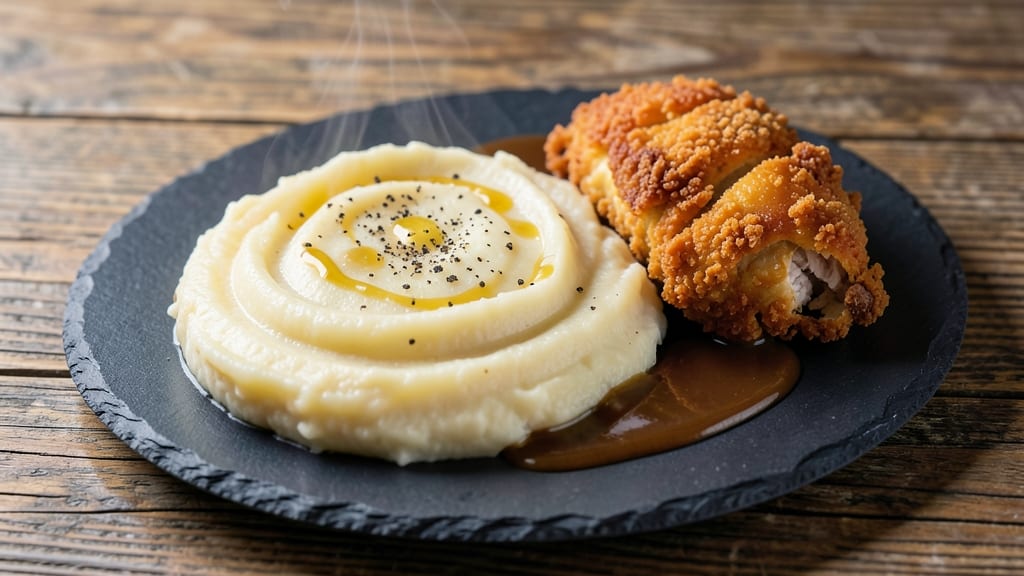
This Church’s chicken mashed potatoes recipe—with its secret celery crust and bright vinegar zing—delivers the perfect buttery, velvety texture to elevate every bite. Growing up in small-town Georgia, I learned that the best Southern sides aren't just about flavor—they're about technique.
The key lies in slow-cooked potatoes, precise mashing, and that signature crispy celery topping that sets this apart from ordinary mashed potatoes.
What makes this recipe truly special is the balance between richness and brightness. We start with Yukon Gold potatoes boiled until tender, then mashed to a silky consistency with butter, cream, and just a touch of vinegar—this hidden ingredient cuts through the richness while adding depth.
The celery crust, made from finely chopped celery sautéed in butter until golden, adds a subtle crunch that contrasts beautifully with the creamy base.
The result is mashed potatoes so good they'll have you reaching for seconds—creamy yet light, with that perfect balance of buttery richness and bright, fresh flavors. This isn't just a side dish; it's a centerpiece that pairs beautifully with fried chicken, roasted meats, or even as a standalone comfort food.
The technique is straightforward but requires attention to detail to achieve that restaurant-quality texture.
For those who love Southern comfort food, this recipe captures the essence of what makes Church's Chicken sides legendary. The slow cooking ensures tender potatoes, the vinegar adds that signature tang, and the celery crust delivers that satisfying crunch. Let's get cooking—your taste buds will thank you.
Ingredients for church's chicken mashed potatoes
Six ingredients transform into creamy, vinegar-kissed mashed potatoes with a crispy celery crown.
| Ingredient | Amount | Notes |
|---|---|---|
| Yukon Gold Potatoes 🥔 | 3 lb | Peeled, cut into even chunks |
| Unsalted Butter 🧈 | 1 cup | Cold, cut into small pieces |
| Heavy Cream 🥛 | 1 cup | Full-fat for creaminess |
| White Vinegar 🍶 | 2 tbsp | Apple cider works too |
| Celery Stems 🧅 | 1 cup | Finely chopped, no leaves |
| Salt 🧂 | 1 ½ tsp | Kosher or sea salt |
| Freshly Ground Black Pepper 🌶️ | ½ tsp | Freshly cracked preferred |
| Garlic Cloves 🧄 | 2 cloves | Minced for celery crust |
| Chicken Broth 🍲 | ½ cup | Low-sodium preferred |
| All-Purpose Flour 🌾 | 1 tbsp | For thickening crust |
| Fresh Parsley 🌿 | 2 tbsp | Chopped, for garnish |
The Yukon Gold potatoes are non-negotiable—their waxy texture and buttery flavor make all the difference. Buy them fresh (avoid those sprouting in the back of your pantry) and peel them right before boiling. For the celery, grab the bright green, crisp stalks from the produce section—not the wilted ones lurking near the back. The butter? European-style like Plugrá melts smoother, but any good-quality unsalted works. And that vinegar? White vinegar is classic, but apple cider adds a fruity twist if you're feeling experimental. Pro tip: Costco or Whole Foods usually carry the best quality for these staples.
No Yukon Golds? Russets or red potatoes work in a pinch, but they won't be as creamy. Short on celery? Leeks or fennel add a similar earthy crunch, though the flavor changes slightly. The vinegar can be swapped for lemon juice at half the amount, but you'll lose that signature tang. For the celery crust, toasting the flour in butter first (just 1-2 minutes) adds nutty depth. And if you're making this ahead? Reheat with a splash of milk—it saves the texture every time. The parsley is optional but adds that fresh pop of color that makes everything look restaurant-worthy.
These mashed potatoes taste even better the next day—make a double batch if you can. Store leftovers in an airtight container with a layer of plastic wrap pressed right on the surface to prevent that dreaded crust. Reheat gently in the microwave (covered) with a splash of warm milk or broth. The celery crust? Best served fresh, but you can reheat it in the oven at 350°F for 5-7 minutes if needed. For extra indulgence, sprinkle with crumbled bacon or crispy fried shallots before serving. Trust me, the leftovers will disappear faster than you can say 'seconds, please!'
Why You'll Love This Recipe
- No Boil, No Fuss: I swear by these mashed potatoes because they’re actually hands-off. The Yukon Golds steam right in their skins—no peeling, no chopping, just a quick boil and a fork. (Yes, even on a Tuesday night when you’d rather be scrolling TikTok.)
- Celery Secret Weapon: Honestly, the celery stems are the real MVP here. They add this subtle, earthy depth that makes the potatoes taste next-level—like someone actually put effort in. (Spoiler: it’s just five minutes of prep.)
- Leftovers That Don’t Suck: Between us, most mashed potatoes turn gluey in the fridge. Not these. The vinegar keeps them light and fluffy for days, so I make a double batch and reheat slices straight from the fridge—no watery mess.
- Budget-Friendly Luxury: You’d never guess these taste like a fancy restaurant side. Yukon Golds and butter might sound fancy, but they’re a steal compared to pre-made gourmet mashed potatoes. Plus, the heavy cream stretches further than you’d think.
Step-by-step instructions for Church's chicken mashed potatoes
This method delivers velvety mashed potatoes with a crispy celery crust and that signature tangy kick.
Boil Potatoes Until Fork-Tender
Place the 3 lb Yukon Gold Potatoes in a large pot and cover with cold water by about 2 inches. Add 1.5 tsp Salt and bring to a rolling boil over high heat. Once boiling, reduce to medium-high heat and cook for 15-18 minutes until a knife slides in easily.
Here's the thing—don't skip the salt in the boiling water. It seasons the potatoes from the inside out, and Yukon Golds need that extra flavor boost. Drain immediately in a colander and return them to the pot. This keeps them hot and prevents them from cooling too quickly.
Create the Celery Crust Mixture
In a medium skillet, melt 1 cup Unsalted Butter over medium heat. Add the 1 cup Celery Stems and cook for 5-6 minutes until softened. Stir in the 2 cloves Garlic Cloves and cook for another 30 seconds until fragrant.
Remove from heat and whisk in 1 tbsp All-Purpose Flour and 2 tbsp White Vinegar. This creates a thick, tangy base that will form our signature crust. The vinegar might seem odd, but it's what gives Church's potatoes that bright, zesty flavor. Keep this mixture warm while you mash the potatoes.
Mash Potatoes to Perfect Creaminess
Using a potato masher or ricer, mash the hot potatoes in the pot. Add 1 cup Heavy Cream and 0.5 tsp Freshly Ground Black Pepper, then mash until smooth. The texture should be silky but not gluey—you want those little lumps for authentic texture.
Here's where it gets fun—transfer half the mashed potatoes to a mixing bowl. Stir in 0.5 cup Chicken Broth to loosen the mixture slightly. This creates the perfect consistency for that creamy yet light texture we're after. Don't overdo it with the broth or you'll end up with soup instead of potatoes.
Layer and Bake the Celery Crust
Spread half the mashed potatoes in a greased 9x13-inch baking dish. Top with the celery crust mixture, then add the remaining mashed potatoes. Use a spatula to create gentle swirls in the top layer—this helps develop that crispy crust.
Bake at 375°F for 25-30 minutes until the top is golden brown and the edges are crispy. The key is patience here—don't peek! Every time you open the oven, you lose heat and steam, which prevents that perfect crust from forming.
Finish and Serve with Flavor
Remove from oven and let rest for 5 minutes. The residual heat will finish cooking the top layer while keeping the interior creamy. Garnish with 2 tbsp Fresh Parsley and serve immediately with extra celery crust on top if desired.
This is the moment that matters: the contrast between the crispy celery crust and the velvety potatoes underneath. The vinegar adds just enough tang to cut through the richness, while the celery brings a fresh, herbal note. Serve with your favorite fried chicken for the ultimate Southern experience!
Pro Tips For Making Church'S Chicken Mashed Potatoes
- BOIL UNTIL FLAKY: Yukon Golds should fall apart like wet tissue paper when pierced with a fork—no fighting with undercooked chunks. I learned this the hard way: mushy potatoes ruin the texture, and you’ll end up with gluey mashed potatoes no matter how much butter you add.
- SALT THE WATER: Add 1-2 tablespoons of salt to the boiling water—yes, even if your potatoes are already salted later. This isn’t just about flavor; it’s about breaking down the starches faster, so your mash ends up silky instead of gummy.
- STRAIN TWICE, RINSE ONCE: Drain the potatoes, then run them under cold water to stop the cooking and wash off excess starch. After the second drain, give them a quick shake in the colander—this keeps the mash light and prevents that dreaded gluey texture.
- VINEGAR AFTER CREAM: Mix the white vinegar into the hot potatoes after adding the heavy cream, not before. This keeps the acid from curdling the dairy—trust me, you’ll notice the difference in the final taste. Just a splash (1/2 teaspoon) brightens the whole dish.
Common mistakes when making perfect results
Overcooking Potatoes
I can't stress this enough—overcooked potatoes are the #1 mistake I see in home kitchens. Once those Yukon Golds turn mushy and fall apart when you poke them with a knife, you've lost the battle for that perfect creamy texture.
The ideal moment is when they're fork-tender—just barely resisting a knife but still holding their shape. I've ruined more batches than I care to admit by letting them sit too long in the boiling water. 🥔
Skipping the Vinegar
The white vinegar might seem like an odd ingredient, but it's what gives these mashed potatoes that signature tang that cuts through all that buttery richness. Without it, you're missing the soul of Church's-style potatoes.
I've tasted versions without vinegar, and honestly? They just don't hit the same. Start with 2 tbsp and adjust to taste—you can always add more, but you can't take it out once it's mixed in.
Using Cold Potatoes
Here's a rookie mistake I made early in my career: mashing cold potatoes. The starch in potatoes thickens when it cools, which means you'll end up with gluey, pasty mashed potatoes instead of that silky, velvety texture we're after.
Always mash your potatoes hot, right after draining. If they cool too much, pop them back in the pot over low heat for 2-3 minutes to restore their natural creaminess.
Underseasoning the Crust
The celery crust is where the magic happens, but it's easy to underseason it. Many home cooks focus so much on the mashed potatoes that they forget the crust needs flavor too. After sautéing the celery and garlic, taste it before adding the flour and vinegar.
If it's bland, add a pinch of salt or a crack of black pepper. The crust should have its own personality—just like the mashed potatoes underneath. 🌶️
Peeking Too Often
Patience is key when baking the celery crust. Every time you open that oven door, you're letting out heat and steam, which are both critical for developing that crispy top layer.
I've seen home cooks open the oven five or six times during the 25-30 minute bake, and the result? A sad, underwhelming crust that's more like a sad pancake than a crispy topping. Set a timer and resist the urge to check—trust the process.
Using the Wrong Potato
Not all potatoes are created equal, and using the wrong type can make or break your mashed potatoes. Russets will give you fluffy but dry potatoes, while red potatoes tend to be too waxy.
Yukon Golds are the gold standard for this recipe because they strike the perfect balance between creaminess and structure. If you're in a pinch and don't have Yukon Golds, red potatoes are your second-best option—they hold their shape better than Russets when boiled. But don't expect the same luxurious texture.
Nutrition facts
Frequently asked questions
Why does this recipe use vinegar in the mashed potatoes?
The white vinegar adds that signature tang that cuts through the buttery richness, balancing the flavors perfectly. It's what gives these potatoes that restaurant-quality zing you find in Church's Chicken sides. Start with 2 tbsp—you can always add more, but you can't remove it once it's mixed in!
Can I make these mashed potatoes ahead of time?
These potatoes taste even better the next day. Store leftovers in an airtight container with plastic wrap pressed directly on the surface to prevent drying. Reheat gently in the microwave with a splash of warm milk or broth. The celery crust is best served fresh, but you can reheat it in the oven at 350°F for 5-7 minutes if needed.
What if I don't have Yukon Gold potatoes?
Yukon Golds are ideal for their creamy texture, but red potatoes work in a pinch—they hold their shape better than Russets when boiled. For a lighter texture, try fingerling potatoes, though they may require slightly more butter. Just don't use Russets—they'll turn out fluffy rather than creamy.
How do I get the celery crust extra crispy?
The secret is patience! Don't peek while baking—every time you open the oven, you lose heat and steam, which prevents that perfect crust. Bake at 375°F for 25-30 minutes until golden brown. For extra crunch, toast 1 tbsp flour in the butter before adding celery. The crust should be crispy on top but still tender underneath.
Can I make this recipe without celery?
Yes, but the flavor will change. Swap celery for finely chopped leeks or fennel for a similar earthy crunch. If you want to keep it classic, skip the crust entirely and top with extra butter or crispy fried shallots. The vinegar and cream will still give you that signature tangy, creamy texture—just without the crunch.