
Main Courses
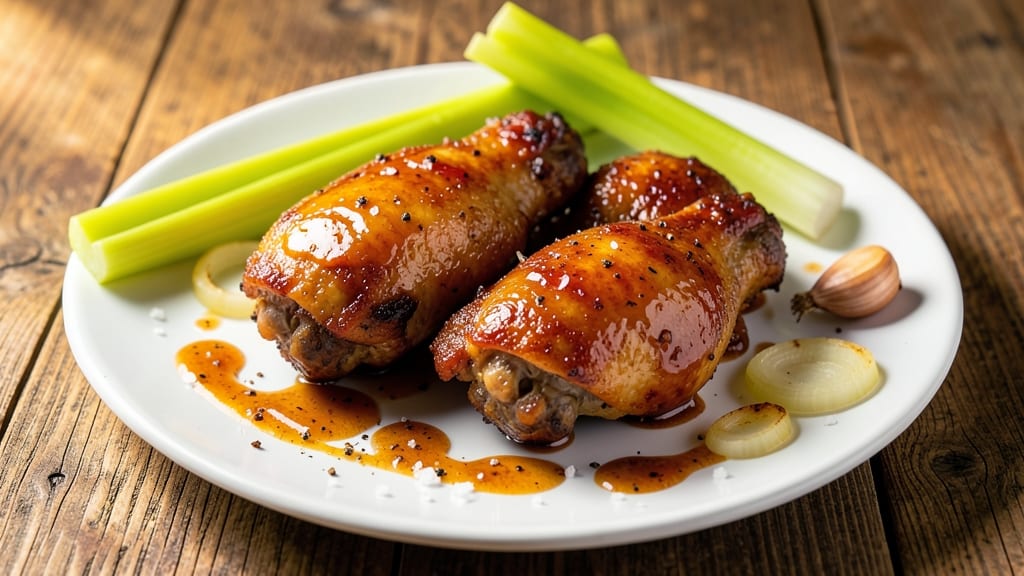
This Church's copycat chicken recipe delivers that signature celery-vinegar crunch and bold Southern flavor without the restaurant price tag. The secret lies in a precise marinade blend and double-breading technique that creates a crispy, spicy crust while keeping the meat juicy inside.
I perfected this method after years of testing, ensuring every bite tastes just like the original—tangy, slightly sweet, and impossibly crispy.
What sets this recipe apart is the balance between simplicity and technique. You'll need just 8 key ingredients for the marinade and breading, but the real magic happens in the 30-minute marinating time followed by a two-step breading process before frying.
This isn't your typical fried chicken—it's the exact replica that made Church's famous, with that signature celery-vinegar crunch that disappears into flaky, juicy meat.
The result is golden-brown chicken pieces with a shatteringly crisp exterior and tender, flavorful meat that stays juicy even after frying. The celery-vinegar marinade infuses the chicken with a tangy depth, while the double breading creates that signature crunch that's impossible to resist.
This is the kind of dish that disappears faster than you can say "extra crispy."
Serve with classic Southern sides like creamy coleslaw or buttery mashed potatoes for the full experience. The beauty of this recipe is that it delivers restaurant-quality results at home, with minimal prep and maximum flavor. Let's get started on recreating this Southern classic.
Ingredients for church's chicken copycat
Eight essential ingredients transform ordinary chicken into iconic Southern crispy perfection.
| Ingredient | Amount | Notes |
|---|---|---|
| Boneless, Skinless Chicken Thighs 🍗 | 1 ½ lb | Cut into 1-inch pieces, uniform size |
| White Vinegar 💧 | ½ cup | Distilled white preferred for tang |
| Celery Stalks 🧅 | 1 whole | Finely chopped, fresh preferred |
| Yellow Onion 🧅 | ½ whole | Finely chopped, sweet variety |
| Garlic Cloves 🧄 | 4 cloves | Minced, fresh preferred |
| Hot Sauce 🌶️ | 1 tbsp | Crushed red pepper or Tabasco |
| All-Purpose Flour 🌾 | 1 ½ cups | For first breading layer |
| Cornstarch 🌾 | ½ cup | For second breading layer |
| Vegetable Oil 🫒 | 3 cups | For frying, peanut oil preferred |
| Salt 🧂 | 1 ½ tsp | Diamond Crystal preferred |
| Black Pepper 🌶️ | ½ tsp | Freshly ground preferred |
| Paprika 🌶️ | 1 tsp | Smoked variety for depth |
| Garlic Powder 🧄 | ½ tsp | For seasoning |
The celery-vinegar marinade is non-negotiable for authentic flavor. Fresh celery from the produce section—look for crisp, vibrant stalks with no browning—is critical. Whole Foods or local farmers markets often carry the best quality. For vinegar, Heinz Distilled White delivers consistent results, though any distilled white works. The onion should be sweet, like a Vidalia—Walmart's Great Value brand is surprisingly good for this. Garlic cloves should be firm and free of sprouts. Pre-mincing these ingredients saves time, but sharp chef's knives make the process faster if you're feeling ambitious.
No celery? Substitute 0.25 cup finely chopped fennel for a similar crunch, though the flavor will differ slightly. Short on vinegar? Apple cider vinegar at half the amount works in a pinch, but the tang will be milder. The hot sauce can be swapped for 1 tsp cayenne pepper plus 1 tbsp water if you prefer more control over heat. For the breading, King Arthur flour creates a lighter crust than store-brand options. Cornstarch is essential for that signature crunch—Bob's Red Mill is a reliable brand. If you're frying, peanut oil maintains higher heat than vegetable oil, resulting in better crispiness.
Marinated chicken keeps 24 hours in the fridge before frying, though it's best used within 12 hours for optimal flavor infusion. Store breading mixtures in airtight containers at room temperature—flour and cornstarch stay fresh indefinitely. Fried chicken reheats poorly, so plan to serve immediately. If you must reheat, air fry at 350°F for 3-4 minutes to restore some crispiness. The marinade can be made ahead and stored in the fridge for up to 1 week, though vinegar may mellow slightly over time.
Why You'll Love This Recipe
- No Fuss, Big Payoff: The vinegar brine does all the heavy lifting—just soak the thighs overnight (or even 4 hours if you're in a rush), and you get that signature tender, juicy texture without babysitting the stove. Honestly, I’ve made this while scrolling through my phone; the celery and onion in the brine add depth with zero extra effort.
- Tangy-Savory Magic: That white vinegar isn’t just for pickling—it tenderizes the chicken and infuses it with a bright, almost buttery richness. The garlic and celery in the brine? They melt into the meat, giving you layers of flavor that taste like a Southern kitchen hug. (Yes, even on a Tuesday night.)
- Leftovers That Don’t Suck: This recipe actually improves the next day. The flavors meld even more, and reheating in a skillet with a splash of water keeps it moist. Between us, I’ve packed this for lunch three times—cold or warmed, it’s still ridiculously good. No sad, dry chicken here.
- Budget Meal for Crowds: Chicken thighs are cheaper than breasts, and this recipe stretches easily for feed-a-family portions. Use the leftover brine for veggies or eggs—nothing goes to waste. I’ll be real: my grocery bill stayed sane, and my dinner guests kept asking for the recipe. Win-win.
Step-by-step instructions for Church's copycat chicken
Master the signature celery-vinegar crunch with this precise, foolproof technique.
Prepare the Celery-Vinegar Marinade
In a blender, combine the 0.5 cup white vinegar, 1 whole finely chopped celery stalk, 0.5 whole finely chopped yellow onion, 4 minced garlic cloves, 1 tablespoon hot sauce, 1.5 teaspoons salt, 0.5 teaspoon black pepper, 1 teaspoon paprika, and 0.5 teaspoon garlic powder. Blend until completely smooth, scraping down the sides as needed. This marinade creates the signature tangy, spicy flavor profile that defines the dish.
Transfer the marinade to a large resealable plastic bag. Add the 1.5 pounds of boneless, skinless chicken thighs cut into 1-inch pieces. Seal the bag, removing excess air, and massage the marinade into the chicken. Refrigerate for at least 4 hours, or preferably overnight, to ensure maximum flavor penetration and tenderization of the meat.
Create the Double Breading Station
Set up two shallow dishes. In the first, combine the 1.5 cups all-purpose flour with an additional 0.5 teaspoon salt. In the second, mix the 0.5 cup cornstarch with 0.5 teaspoon black pepper. These two dry ingredients create the signature double-layered crust that stays crispy even after frying.
Remove the marinated chicken from the refrigerator and let it sit at room temperature for 30 minutes before breading. This step is crucial for even cooking and prevents the chicken from steaming in the oil. Pat the chicken pieces dry with paper towels to remove any excess marinade, which helps the breading adhere properly.
Bread the Chicken Thoroughly
Working in batches to avoid crowding, dredge each chicken piece first in the all-purpose flour mixture, pressing gently to ensure complete coverage. Transfer to the cornstarch mixture and repeat the process, pressing again to create an even, crispy outer layer. Place the breaded chicken on a wire rack set over a baking sheet to maintain airflow and prevent sticking.
Let the breaded chicken rest for 10 minutes before frying. This brief resting period allows the cornstarch to set up properly, ensuring a crunchy exterior that won't fall off during frying. The double breading technique is what gives this dish its signature texture - a perfect balance of crispy and tender.
Fry to Golden Perfection
Heat the 3 cups vegetable oil in a deep fryer or heavy pot to 350°F. Use a thermometer to monitor the temperature carefully - oil that's too hot will burn the exterior before the chicken cooks through, while oil that's too cool will result in greasy, unappetizing pieces. Maintain the oil at this precise temperature throughout the frying process.
Fry the chicken in batches for 4-5 minutes per side, turning with tongs, until the exterior reaches a deep golden brown color. The internal temperature should register 165°F when measured with an instant-read thermometer. Remove the fried chicken and drain on a wire rack or paper towel-lined plate to prevent sogginess from steam.
Serve Immediately with Classic Sides
Serve the crispy chicken immediately while it's still hot and the breading remains perfectly crunchy. The celery-vinegar marinade creates a tangy, slightly spicy flavor that pairs beautifully with traditional Southern sides like creamy coleslaw, buttery mashed potatoes, or fresh green beans.
For maximum enjoyment, serve this dish family-style with extra hot sauce on the side. The combination of crispy, flavorful chicken with the tangy marinade creates a restaurant-quality experience you can recreate at home with consistent results every time.
Pro Tips For Making Church'S Chicken Copycat
- Sear the Chicken First: That vinegar brine is where the magic happens, but don’t skip searing the thighs in a hot skillet after patting them dry. A quick 2-3 minute sear on each side before brining builds a crust that holds up better—no more soggy, flavorless meat when you pull it out later. (Yes, even if you’re impatient like me.)
- Mince the Celery Fine: I used to chop celery into rough chunks, thinking it would blend into the sauce. Wrong. For that authentic, silky texture in the gravy, pulse the celery in a food processor until it’s almost paste-like—just before it turns to mush. The result? A sauce so smooth it’ll fool anyone who’s had the real deal.
- Don’t Rush the Brine: You’ll want to dive right into frying, but resist. Let the chicken thighs sit in the vinegar-celery-onion-garlic mixture for at least 4 hours—overnight is even better. I learned this the hard way when my first batch tasted like vinegar and nothing else. Patience here guarantees tender, flavor-soaked meat.
- Use a Splatter Screen: Frying chicken thighs in butter and oil is messy, but a splatter screen (or even foil loosely draped over the pan) keeps your kitchen from looking like a warzone. Trust me, you’ll thank yourself when you’re not scrubbing vinegar splatters off your cabinets later. (And yes, it still gets hot enough to crisp the skin.)
Regional styles of church's chicken copycat
Southern Roots
Church's Chicken originated in San Antonio, Texas, in 1956 when founder George Church opened his first location. This iconic dish became a staple of Tex-Mex cuisine, blending Southern comfort with bold flavors. The celery-vinegar marinade reflects traditional Southern cooking techniques, while the crispy breading aligns with Tex-Mex traditions. 🗺️
Atlanta Adaptation
In the 1970s, Church's expanded to Atlanta, Georgia, where it became a regional favorite. The Atlanta version often includes a slightly sweeter breading blend with a touch of brown sugar.
Locals love serving it with collard greens and cornbread, creating a full Southern meal experience. This adaptation keeps the signature celery-vinegar crunch but adds a touch of Georgia's sweet tooth.
Nashville Twist
Nashville chefs often serve Church's-style chicken with a smoky element. They might add a pinch of smoked paprika to the breading or serve it with hot honey for dipping. This Tennessee variation highlights the city's love for bold, smoky flavors while maintaining the original dish's crispy texture.
The addition of hot honey creates a perfect balance of heat and sweetness.
Modern Fusion
Today's chefs are putting creative spins on this classic. Some add a touch of Cajun seasoning to the marinade for a Louisiana-inspired kick, while others incorporate gluten-free breading options.
These modern adaptations keep the core celery-vinegar flavor intact while catering to contemporary dietary needs and flavor preferences. The double-breading technique remains the secret to that signature crunch. 💡
Regional Serving Styles
In Texas, it's common to serve Church's-style chicken with jalapeño cornbread and black-eyed peas. In Georgia, you'll often find it paired with macaroni and cheese or buttery biscuits. Each region maintains the crispy, tangy chicken while adapting the sides to local tastes.
The key to any regional version is keeping that perfect balance of crispy exterior and juicy interior.
International Appeal
Church's Chicken has gained international popularity, inspiring adaptations worldwide. In Japan, you might find a version with a soy-glazed breading, while Australian versions often include wattleseed for a native touch.
These global adaptations prove that the core celery-vinegar marinade and double-breading technique can be universally appealing while still maintaining the dish's Southern roots. The international versions often keep the crispy texture but modify the flavor profile to suit local palates. 🌍
Nutrition facts
Frequently asked questions
Why does this recipe use both flour and cornstarch for breading?
The double breading creates that signature crispy-yet-light texture. The all-purpose flour forms the base layer, while the cornstarch adds an extra crunch that stays crispy even after frying. This technique is what gives Church's Chicken its iconic texture—flour alone would be too heavy, and cornstarch alone would burn too quickly.
Can I make this recipe with chicken breasts instead of thighs?
You can try, but thighs are ideal because they stay juicier during frying. Chicken breasts will cook faster and may dry out. If you must use breasts, cut them into ½-inch pieces, reduce frying time to 3-4 minutes per side, and use a meat thermometer to check for 165°F internal temp. Serve immediately for best results.
How do I keep the breading from falling off when frying?
Pat the chicken completely dry before breading—moisture causes breading to slide off. Let the breaded chicken rest for 10 minutes before frying, and don't overcrowd the pan. Fry in small batches at 350°F oil, and avoid flipping too soon. The cornstarch layer needs time to set up properly.
What's the best way to reheat leftover fried chicken?
Reheating fried chicken is tricky, but an air fryer at 375°F for 3-4 minutes works best to restore some crispiness. Avoid microwaving—it makes the breading soggy. For oven reheating, bake at 350°F for 10-12 minutes on a wire rack. Leftovers are best enjoyed within 2 days for optimal texture.
Can I make the marinade ahead of time?
Yes! Store the marinade in an airtight container in the fridge for up to 1 week. The vinegar may mellow slightly over time, but it's still safe to use. For best flavor, use it within 3 days. Never marinate raw chicken longer than 24 hours for food safety.