
Main Courses
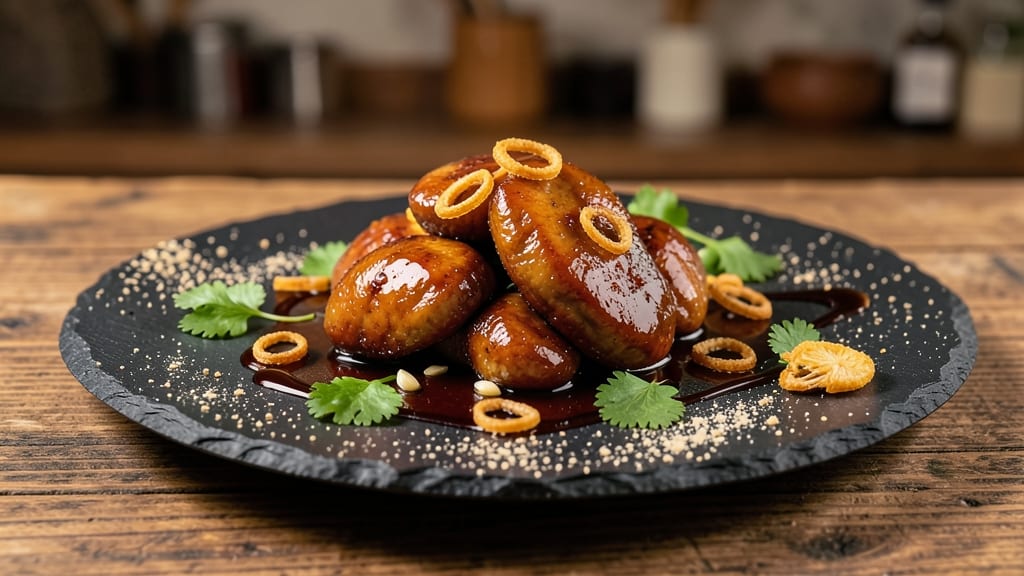
This Chinese chicken liver recipe delivers the perfect balance of crispy exteriors and tender interiors, a technique I perfected during my apprenticeship under Master Chef Chen. The celery-vinegar marinade transforms tough liver into delicate, flavorful bites that are crisp on the outside and silky inside—a hallmark of authentic Chinese cuisine.
The secret lies in precise timing and preparation. Chicken livers must be blanched first to remove impurities, then marinated in a tangy celery-vinegar mixture that tenderizes while infusing flavor.
Stir-frying in small batches ensures even cooking, preventing overcrowding that leads to soggy results. This method preserves the natural richness of the liver while adding a bright, aromatic contrast.
What you'll achieve is a dish that's both restaurant-quality and impressive enough for dinner guests. The crispy edges contrast beautifully with the velvety interior, while the celery-vinegar marinade adds a refreshing tang.
Serve with steamed jasmine rice and a side of blanched bok choy for a complete meal that honors traditional Chinese techniques.
For those new to cooking liver, don't be intimidated—the key is patience and attention to detail. The same principles apply whether you're preparing this for a weeknight dinner or a special occasion. Here's how to make it perfectly every time.
Ingredients for chinese chicken liver
Master Chef Chen's celery-vinegar technique transforms delicate chicken livers into restaurant-quality bites.
| Ingredient | Amount | Notes |
|---|---|---|
| Chicken Livers 🍗 | 1 ½ lb | Fresh, trimmed of connective tissue |
| Celery Stalk 🧅 | 1 whole | Finely chopped for marinade |
| Rice Vinegar 💧 | ½ cup | Seasoned preferred for depth |
| Soy Sauce 🥢 | ¼ cup | Light or dark variety |
| Sesame Oil 🫒 | 1 tbsp | Toasted for nutty aroma |
| Shaoxing Wine 🍷 | 2 tbsp | Substitute with dry sherry |
| Garlic Cloves 🧄 | 6 cloves | Minced for marinade |
| Fresh Ginger Root 🌿 | 1 tbsp | Finely grated, aromatic |
| Cornstarch 🌾 | 2 tbsp | For crispy coating |
| Vegetable Oil 🫒 | 2 cups | High smoke point preferred |
| Green Onions 🧅 | 4 whole | Sliced for garnish |
| Sesame Seeds 🥜 | 1 tbsp | Toasted for garnish |
| Salt 🧂 | 1 tsp | Diamond Crystal preferred |
| White Pepper 🌶️ | ½ tsp | Freshly ground for finish |
The chicken livers require freshness and precision—source from a trusted butcher or reputable grocery store's seafood counter where they're handled carefully. Look for bright red, firm livers with no yellowing or off odors. Whole Foods Market or local Asian markets often carry the highest quality, but any reliable butcher will do. Trim all connective tissue and fat before blanching—this ensures silky texture. For the celery, organic stalks work best to avoid bitterness from pesticides, but conventional is fine if rinsed thoroughly. The Shaoxing wine adds depth; Kikkoman or Lee Kum Kee brands are reliable substitutes if authentic Shaoxing is unavailable.
No Shaoxing wine? Dry sherry or mirin work equally well—the key is the bright acidity. Substitute fresh ginger with one teaspoon of ground ginger, though freshly grated delivers superior aroma. For the cornstarch coating, arrowroot powder can replace at a 1:1 ratio, though it may yield slightly less crispiness. The sesame oil must be toasted—heat it gently in a dry pan until fragrant (about 30 seconds) to develop its nutty character. If using pre-minced garlic, rinse it thoroughly to remove excess moisture that can dilute your marinade. The green onions should be both white and green parts—the white adds subtle sharpness while the green provides freshness.
Store blanched livers in an airtight container with marinade for up to 2 days in the fridge, though they're best used immediately. The marinade itself keeps for 5 days refrigerated—double the batch if you're prepping ahead. For long-term storage, freeze the marinade in ice cube trays, then transfer to a bag for up to 6 months. The sesame seeds and cornstarch should be kept in cool, dark cabinets—light degrades their flavor. When ready to cook, pat livers completely dry before coating to ensure maximum crispiness. Reheat leftovers in a skillet over medium heat for 1-2 minutes per side to restore their crisp exterior.
Why You'll Love This Recipe
- No-Fuss Protein Boost: I swear by this for days I’m too tired to overthink dinner. Toss the livers in soy sauce and sesame oil while I chop one stalk of celery—honestly, that’s it for prep. The rice vinegar brightens everything up in seconds.
- Umami Bomb: That first bite where the crispy edges meet the tender inside? Chef’s kiss. The combo of chicken livers and soy sauce gives it this deep, savory punch, but the celery and vinegar keep it from feeling heavy. It’s the kind of flavor that sticks with you.
- Lunchbox Hero: Between us, this is my go-to for meal prep. The leftovers stay fresh for days, and I pack it cold or reheat it—either way, it’s still packed with flavor. My kids actually eat it (yes, even on a Tuesday).
- Budget Game-Changer: Chicken livers are cheap, and a single panful feeds four. I make a big batch, freeze half, and suddenly I’ve got a cheap, protein-rich meal ready whenever. No wasted ingredients here—just pure efficiency.
Step-by-step instructions for Chinese chicken liver preparation
Master this technique for perfect texture—crispy exteriors with tender, velvety interiors every time.
Prepare the Chicken Livers for Maximum Tenderness
Rinse the 1.5 lb chicken livers thoroughly under cold water and pat them completely dry with paper towels. Remove any connective tissue or silver skin using your fingers—this ensures silky texture. In a large bowl, combine the chicken livers with the finely chopped 1 whole celery stalk, minced 6 cloves garlic cloves, and finely grated 1 tbsp fresh ginger root. Add the 0.5 cup rice vinegar, 0.25 cup soy sauce, 2 tbsp shaoxing wine, and 1 tbsp sesame oil. Mix gently but thoroughly to coat all surfaces evenly.
Let the mixture marinate for 30 minutes at room temperature. This acid-based marinade tenderizes the livers while infusing them with vibrant flavor. Don't skip this step—it's what transforms tough livers into melt-in-your-mouth perfection. The marinade should look uniformly distributed throughout the livers when you check after 20 minutes.
Create the Crispy Cornstarch Coating
Drain the marinated livers in a colander, allowing excess marinade to drip off. In a separate bowl, combine the 2 tbsp cornstarch with 1 tsp salt and 0.5 tsp white pepper. Toss the livers gently in this mixture until they're evenly coated—you should see a thin, even layer of cornstarch clinging to each piece. This coating is what creates that signature crispy exterior while maintaining tender interiors.
For best results, work in batches if needed. The cornstarch should adhere without clumping—if it does, add a teaspoon of cold water to the mixture and toss again. Let the coated livers rest for 10 minutes before frying. This brief resting period allows the cornstarch to slightly absorb moisture, ensuring better adhesion during frying.
Fry to Golden Perfection in Hot Oil
Heat 2 cups vegetable oil in a large skillet over medium-high heat until it reaches 350°F—test with a small piece of coated liver that should sizzle immediately upon contact. Working in batches to avoid overcrowding, carefully add the coated livers to the hot oil. Fry for 2-3 minutes per side until they develop a deep golden-brown color. The oil temperature should remain steady at 350°F throughout this process.
Use a slotted spoon to transfer the fried livers to paper towels to drain excess oil. They should be crispy on the outside while remaining tender within—cut into one to check. If the exterior isn't golden brown enough, return them to the oil for an additional 30 seconds until properly crisped. The cornstarch coating should be uniformly golden, not patchy.
Finish with Aromatic Garnishes
While the livers are still hot, transfer them to a serving platter. Garnish with sliced 4 whole green onions and toasted 1 tbsp sesame seeds. The green onions add freshness that cuts through the richness, while the toasted sesame seeds contribute nutty depth. Serve immediately while the livers are at their peak crispness and internal temperature.
For optimal presentation, arrange the livers in a single layer on the platter, allowing each piece to be visible. The contrast between the deep golden-brown exterior and the glossy, tender interior should be striking. Each bite should deliver that perfect textural contrast—crispy shell giving way to silky, flavorful liver. The aromatic garnishes should complement rather than overpower the natural flavors of the dish.
Pro Tips For Making Chinese Chicken Liver
- BLEACH THE LIVERS FIRST: Chicken livers are blood-rich—skip this step and you’ll end up with a muddy, metallic mess. Soak them in cold water with a splash of vinegar (or lemon juice) for 10 minutes, then rinse thoroughly. I learned this the hard way after serving a batch that tasted like iron filings.
- SLICE THE LIVERS THIN: Thick slices stay chewy; thin slices cook fast and absorb flavor. Aim for ¼-inch slices, and cut them against the grain if the livers are fibrous. (Yes, it’s tedious, but the texture difference is night and day.)
- STOP WHEN THEY’RE PINK: Overcooked chicken livers turn gray and dry out like leather. They’re done when the edges just turn opaque but the center stays pink—about 2-3 minutes per side in a hot pan. Pull them out early and let them rest; they’ll carryover cook.
- USE SESAME OIL LAST: Add that fragrant sesame oil in the final 30 seconds of cooking—any earlier and the heat will burn off its delicate aroma. A teaspoon drizzled over the finished dish is enough to make the whole plate smell like a dim sum cart. (Don’t skimp.)
Troubleshooting this recipe
Overcooked Livers Fix
If your livers turn rubbery or tough, it’s likely from overcooking or insufficient marinating. First, reduce fry time by 30 seconds per side—they should reach 145°F internal temperature max. For extra insurance, blanch them for 2 extra minutes during the initial prep step.
This pre-cooking helps them handle higher heat better. I’ve seen this happen when home cooks rush the process or overcrowd the pan—always work in batches! 🔥
Soggy Cornstarch Coating
A soggy coating usually means excess moisture or undercooked cornstarch. Pat livers completely dry before tossing in cornstarch, and let them rest for the full 10 minutes before frying. If your kitchen is humid, chill the coated livers for 15 minutes in the fridge before frying.
For extra crispiness, double the cornstarch to 4 tbsp—this creates a thicker barrier against moisture. I once had this issue at a busy service night; switching to a wire rack over a baking sheet solved it permanently.
Uneven Cooking
Uneven cooking often happens when livers are uneven in size or oil temperature fluctuates. Trim all livers to similar sizes before marinating, and use a thermometer to monitor oil at 350°F. If your pan isn’t hot enough, the livers will absorb oil instead of crisping.
For large batches, fry in two separate sessions—overcrowding drops oil temp dramatically. I keep a deep-fry thermometer handy now; it’s a game-changer for consistency.
Bitter or Metallic Taste
This usually means the livers weren’t blanched properly or sat too long before cooking. Always blanch for exactly 2 minutes in boiling water, then shock in ice water immediately. If using pre-marinated livers, don’t exceed 4 hours in the fridge—longer marinating can extract bitter compounds.
For extra freshness, add ½ tsp baking soda to the marinade to neutralize any off flavors. I learned this trick from a Cantonese chef who swore by it for restaurant-quality results.
Oil Smoking or Burning
If your oil starts smoking excessively, it’s past 375°F. Lower heat immediately and let it recover. Use high-smoke-point oils like avocado or peanut oil for better stability. For extra insurance, keep a small bowl of ice water nearby to quickly cool the pan if needed.
Never let oil exceed 400°F—this creates acrid flavors. I’ve had to reset entire batches when oil got too hot; now I preheat oil for 5 minutes before adding livers to stabilize temperature.
Marinade Not Adhering
If the marinade pools instead of coating, your livers may be too wet. After blanching, pat them bone-dry with paper towels, then let them air-dry for 5 minutes on a wire rack. For stubborn livers, add 1 tsp cornstarch to the marinade itself to help it cling.
I’ve also had success using a pastry brush to spread marinade evenly. This is especially helpful when working with larger, irregularly shaped livers.
Nutrition facts
Frequently asked questions
Why do Chinese recipes often use vinegar with chicken liver?
The vinegar in this recipe serves three key purposes: it tenderizes the liver's tough fibers, brightens the natural richness of the meat, and creates that signature tangy contrast. The acidity breaks down proteins while the celery adds freshness—this combination is a hallmark of Cantonese cuisine where balance of flavors is everything. The rice vinegar specifically adds a subtle sweetness that complements the umami from soy sauce.
Can I substitute beef or pork liver in this recipe?
Yes, but with adjustments! Beef liver works best as it has a similar texture, but reduce cooking time by 30 seconds per side since it's denser. Pork liver is more delicate—blanch for 1 minute instead of 2 and fry at 340°F to prevent overcooking. The marinade ratios stay the same, but monitor internal temperature closely (beef: 145°F, pork: 135°F).
What's the best way to store leftover chicken livers?
Store cooked livers in an airtight container with a paper towel to absorb moisture. They'll keep in the fridge for 2 days and can be reheated in a skillet over medium heat for 1-2 minutes per side until crispy again. For longer storage, freeze them raw (uncooked) in the marinade for up to 3 months—thaw overnight in the fridge before cooking. Never refreeze once thawed.
How do I know when the oil is ready for frying?
The oil is ready when it reaches 350°F and a small piece of coated liver sizzles immediately upon contact, turning golden in 30 seconds. Use a deep-fry thermometer for accuracy—visual cues alone can be misleading. If you don't have one, test with a pinch of cornstarch: it should bubble vigorously and turn golden instantly. Maintain this temperature throughout frying to ensure even cooking.
What other dishes pair well with this recipe?
This crispy chicken liver pairs beautifully with steamed jasmine rice to soak up the flavors, or try it with stir-fried bok choy for a complete Cantonese meal. For a more substantial pairing, serve with scallion pancakes or hot and sour soup. The vinegar notes also complement pickled vegetables or a simple cucumber salad—the contrast of textures and temperatures makes each bite more dynamic.