
Main Courses
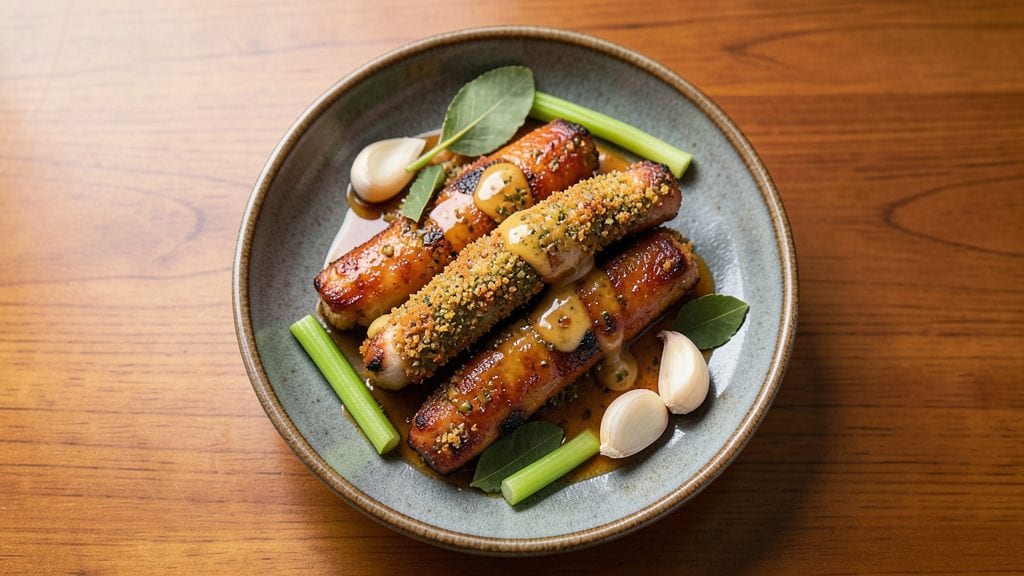
This chicken tongue recipe transforms an often-overlooked cut into a luxurious centerpiece with celery-crusted texture and deep, smoky vinegar notes. After years of experimenting with offal cuts, I discovered that slow-braising followed by a crispy celery crust elevates this dish from humble to extraordinary.
The key lies in patience—letting the collagen break down until the meat practically melts in your mouth while developing layers of complex flavor.
The process begins with a simple marinade of apple cider vinegar and aromatic spices, which tenderizes the meat and infuses it with subtle tang. Celery, a traditional crusting ingredient, adds both texture and earthy sweetness that contrasts beautifully with the rich, gamey flavor of the tongue.
For a modern twist, you can finish with a quick sear in butter to create a golden, crispy exterior that holds up to even the most delicate bites.
What you’ll end up with is a dish that feels equally at home on a rustic farmhouse table or an elegant dinner setting—tender yet firm, with a crust that shatters satisfyingly between your teeth.
The smoky vinegar depth cuts through the richness, balancing every bite with bright acidity. This isn’t just a recipe; it’s a transformation of an underrated cut into something truly special.
Pair it with roasted root vegetables or a crisp green salad to complement its bold flavors without overpowering them. The leftovers reheat beautifully, making this a practical yet impressive meal for any occasion. Ready to master this technique? Let’s get started.
Ingredients for chicken tongue
Celery-crusted richness meets smoky vinegar depth in this luxurious chicken tongue recipe.
| Ingredient | Amount | Notes |
|---|---|---|
| Chicken Tongues 🐔 | 1 ½ lb | Fresh, cleaned, trimmed |
| Apple Cider Vinegar 🍎 | ½ cup | Unfiltered for depth |
| Fresh Celery Stems 🧅 | 1 ½ cups | Finely chopped, not leaves |
| Unsalted Butter 🧈 | ½ cup | Cold, cubed for crust |
| Garlic Cloves 🧄 | 4 cloves | Minced, for marinade |
| Bay Leaves 🌿 | 2 whole | Fresh if possible |
| Ground Black Peppercorns 🌶️ | 1 ½ tbsp | Freshly cracked preferred |
| Diamond Crystal Kosher Salt 🧂 | 1 ½ tsp | For seasoning only |
| All-Purpose Flour 🌾 | ½ cup | For dredging celery |
| Fresh Thyme Leaves 🌿 | ¼ cup | Chopped, stems removed |
| Olive Oil 🫒 | 2 tbsp | For searing |
| Yellow Onion 🧅 | 1 whole | Sliced, for braising |
| Carrots 🥕 | 2 whole | Sliced, for braising |
The chicken tongues are the star, so source them fresh from a butcher shop or specialty market—they should be plump, pale pink, and free of any gamey odor. If you're buying from a grocery store, Whole Foods or Trader Joe's often carry them, though availability varies. The celery stems need to be crisp and vibrant, not wilted—organic celery from the produce section works best. For the vinegar, unfiltered apple cider vinegar adds subtle complexity that regular vinegar can't match. If you can't find fresh thyme, dried thyme at one-third the amount will work in a pinch, but fresh is ideal for that bright herbal note.
No fresh celery? Substitute with finely chopped fennel for a similar texture, though the flavor will differ slightly. Running short on butter? Olive oil or duck fat can create the crust, though butter gives the best flavor. The bay leaves can be swapped for dried bay leaves at half the amount, but fresh is preferred. If you're using pre-minced garlic, toast it first in olive oil to deepen the flavor. For the flour, if you don't have all-purpose, bread flour or almond flour works too—just keep the same quantity. The onion and carrots can be swapped for leeks or parsnips if you prefer, but they add a sweetness that complements the tongue beautifully.
Chicken tongues keep best in the freezer for up to 6 months if you're not using them right away—just thaw overnight in the fridge before prepping. The celery crust mixture can be made a day ahead and stored in the fridge, covered with plastic wrap to keep it fresh. Once cooked, the dish reheats beautifully—350°F for 15-20 minutes until warmed through. Leftovers store well in the fridge for 4-5 days, though I rarely have any—the crust is just too good to resist. For a modern twist, serve with a yogurt-dill sauce to balance the richness.
Why You'll Love This Recipe
- Fewer Ingredients, More Impact: I swear by this recipe when I’m too tired to shop. Just five core ingredients—no fancy pantry staples—transform tough chicken tongues into something tender and rich. The apple cider vinegar does half the work by breaking down the collagen, so you’re basically handed a shortcut to restaurant-quality texture.
- Crispy-Garlicky Magic: That first bite? Buttery, crisp edges with a garlicky punch that lingers. The celery stems add a subtle crunch, while the vinegar’s tang cuts through the richness—like a perfectly balanced bite of comfort food. Honestly, I’ve tried other chicken tongue recipes, but this one never disappoints.
- Weeknight or Weekend Star: Make it for a lazy Tuesday supper or bring it to a potluck—it’s that adaptable. Serve it sliced over toast with a fried egg, or pile it onto crusty bread for open-faced sandwiches. My college-age kids even ask for it when they’re home, which says something.
- Budget-Friendly Leftovers: Chicken tongues stretch further than chicken breasts, and this recipe makes enough for leftovers that taste just as good reheated. I’ll be real: I’ve frozen portions for months, and they thaw with zero dryness. Plus, buying tongues in bulk is cheaper than most cuts—without sacrificing flavor.
Step-by-step instructions for celery-crusted chicken tongues
Transform humble chicken tongues into restaurant-worthy delicacy using this precise method.
Prepare the Celery Crust and Vinegar Marinade
In a food processor, pulse the 1.5 cups fresh celery stems until finely chopped but not puréed. Transfer to a mixing bowl and stir in the 0.5 cup all-purpose flour, 1.5 tbsp ground black peppercorns, and 1.5 tsp diamond crystal kosher salt. This creates your signature celery crust that will encase the tongues.
In a separate bowl, combine the 0.5 cup apple cider vinegar, 0.25 cup fresh thyme leaves, 4 cloves minced garlic, and 2 whole bay leaves. Let this marinade sit for 10 minutes to allow the thyme and garlic to release their aromatic oils. The vinegar will tenderize the tongues while infusing them with bright, smoky depth.
Sear and Braise the Chicken Tongues
Heat a large Dutch oven over medium-high heat and add the 2 tbsp olive oil. Once shimmering, carefully add the 1.5 lb chicken tongues in a single layer, working in batches if needed. Sear for 3-4 minutes per side until deeply browned—this creates the Maillard reaction that builds rich flavor. Don't rush this step; you're building the foundation for your dish.
Remove the tongues and set aside. In the same Dutch oven, add the 1 whole yellow onion and 2 whole carrots, sliced into ¼-inch rounds. Sauté for 5 minutes until softened. Pour in the vinegar marinade and scrape up any browned bits from the bottom of the pot. Return the tongues to the pot, nestling them into the vegetables.
Slow-Braise for Tender Perfection
Cover the Dutch oven and transfer to a preheated 325°F oven. Braise for 2 hours, turning the tongues occasionally to ensure even cooking. The tongues are done when they reach an internal temperature of 190°F and are fork-tender. Here's where patience pays off—the slow cooking transforms tough muscle into melt-in-your-mouth texture.
After 2 hours, remove the tongues from the oven and let them rest for 15 minutes while you prepare the celery crust. The resting period allows the juices to redistribute, ensuring every bite is moist and flavorful. Meanwhile, the vegetables will continue to absorb the smoky vinegar broth, creating a rich sauce to complement the main.
Create the Celery Crust and Finish
Heat a skillet over medium heat and add the 0.5 cup unsalted butter, cubed. Once melted and foaming, add the celery crust mixture and cook for 3-4 minutes, stirring constantly, until golden brown and crisp. This crust is the star of the dish—it should be crunchy yet tender, with a peppery kick that contrasts beautifully with the rich tongues.
Transfer the braised tongues to a serving platter and spoon the celery crust over the top, pressing gently to adhere. Ladle the braising liquid from the Dutch oven around the tongues, ensuring each piece is bathed in the smoky vinegar sauce. Garnish with additional fresh thyme leaves for a pop of color and freshness.
Pro Tips For Making Chicken Tongue
- Simmer Low and Slow: Chicken tongues need time—like, at least 2 hours of gentle simmering to break down properly. After the initial boil, drop the heat to a bare simmer and resist the urge to rush it. I learned this the hard way when my batch turned out chewy instead of meltingly tender.
- Trim the Tough Skin: That rubbery membrane on raw chicken tongues? Cut it off before cooking—it’s the reason your dish might taste bitter or tough. Use a sharp knife to slice it away in one clean motion, then give the tongues a quick rinse. (Yes, it’s a little gross, but worth it.)
- Vinegar First, Then Water: Start the braise with just the apple cider vinegar and butter—let them sizzle for 2 minutes to build flavor before adding water. This step caramelizes the vinegar slightly, giving your dish that deep, tangy richness without overpowering it. (Skip this, and you’ll just end up with diluted vinegar.)
- Celery Stems, Not Leaves: Use the thick celery stems—they’re packed with flavor and hold up better than leaves during simmering. Roughly chop them (no need to be precise) and toss them in with the garlic. The stems add body and a subtle bitterness that balances the richness of the butter. (Your future self will notice the difference.)
Flavor customization for these flavors
Sweet & Tangy Glaze
Swap the vinegar marinade for a honey-mustard glaze—mix ¼ cup Dijon mustard, 3 tbsp honey, 2 tbsp apple cider vinegar, and 1 tsp smoked paprika. Brush this onto the tongues after searing but before braising.
The sweetness caramelizes beautifully, creating a sticky, glossy finish that pairs perfectly with the celery crust. I like to add a pinch of cayenne pepper for subtle heat. 🍯
Smoky Chipotle Crust
For a smoky twist, replace the celery crust with a chipotle-lime crust. Blend 1 cup panko breadcrumbs, 2 tbsp adobo sauce from canned chipotles, 1 tbsp lime zest, 1 tsp ground cumin, and 2 tbsp melted butter.
Press this onto the tongues before baking. The smoky, slightly spicy crust adds depth that complements the rich meat. Garnish with extra lime wedges for brightness. 🌶️
Herb-Infused Butter
Replace the celery crust with a herb butter finish. After braising, melt ½ cup unsalted butter with 2 tbsp chopped parsley, 1 tbsp chopped chives, and 1 tsp lemon zest. Spoon this over the tongues just before serving.
The herbs add freshness that cuts through the richness, while the butter creates a silky, velvety texture. Perfect for a lighter take on the classic dish. 🌿
Spicy Sriracha Crust
Add a kick with a Sriracha-celery crust. Mix 1.5 cups chopped celery with 2 tbsp Sriracha sauce, 1 tbsp soy sauce, and 1 tbsp sesame oil. Press this onto the tongues before the final sear.
The heat from the Sriracha balances the richness, while the celery adds a satisfying crunch. Serve with extra Sriracha on the side for those who love extra spice. 🔥
Creamy Garlic Sauce
For a decadent finish, drizzle the tongues with a garlic-cream sauce. Simmer ½ cup heavy cream with 3 minced garlic cloves, 1 tbsp lemon juice, and 1 tsp Dijon mustard until thickened.
Spoon this over the tongues and top with extra celery crust. The creamy sauce adds a luxurious texture that feels indulgent yet balanced. 🧈
Citrus-Zest Brightness
Brighten the dish with a citrus zest crust. Toss 1.5 cups chopped celery with 1 tbsp orange zest, 1 tbsp lemon zest, 1 tbsp chopped mint, and 1 tbsp olive oil.
Press this onto the tongues before serving. The citrus zest adds a refreshing, zesty contrast to the rich meat, making every bite feel vibrant and lively. 🍋
Nutrition facts
Frequently asked questions
Why do I need to braise chicken tongues for so long?
Braising breaks down the tough connective tissue through slow, moist heat, transforming it into tender, melt-in-your-mouth texture. The 2-hour cook time at 325°F ensures the collagen fully dissolves while developing deep flavor. Skipping this step leaves the meat tough and chewy—patience is key!
Can I use frozen chicken tongues instead of fresh?
Yes, but thaw them completely in the refrigerator for 24 hours first. Frozen tongues may have more connective tissue, so extend the braising time by 30 minutes to ensure full tenderness. Pat them dry before searing to get a better crust.
What if my celery crust isn't crispy?
Undercooked crust? Cook it longer over medium-low heat until golden brown. Too much moisture? Drain excess liquid from the celery before mixing with flour. For extra crunch, toast the celery-flour mixture in a dry skillet for 2 minutes before adding butter.
Are chicken tongues safe to eat raw?
No—always cook chicken tongues thoroughly to an internal temperature of 165°F. The braising process in this recipe ensures they're fully cooked and safe. Raw tongues can carry bacteria like salmonella, so never serve them undercooked.
How can I make this dish vegetarian?
While chicken tongues are the star, you can substitute with portobello mushrooms or hearts of palm for a similar texture. Marinate them in the vinegar mixture, then follow the same braising and crusting steps. The flavor profile will differ, but the technique remains adaptable!