
Main Courses
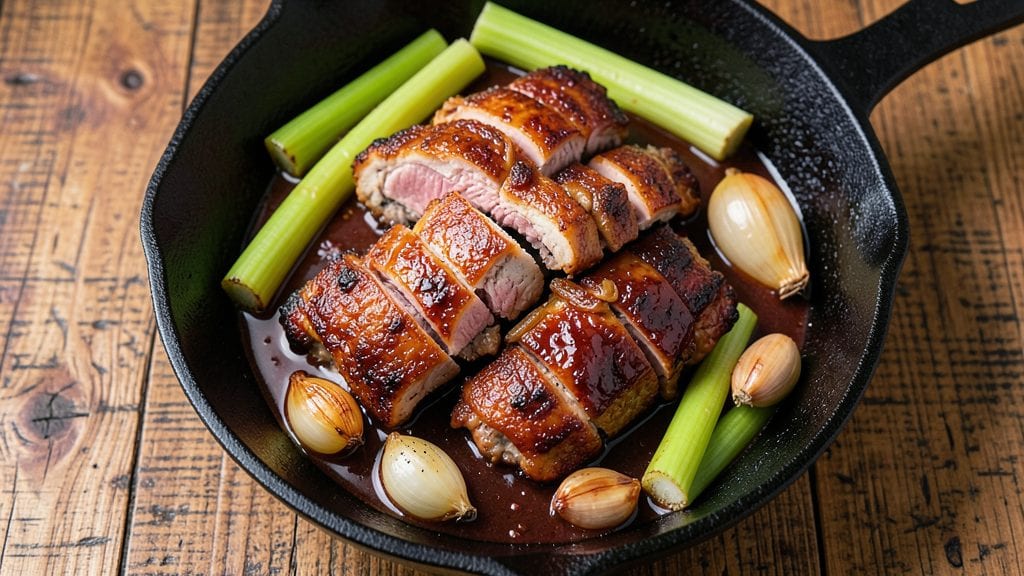
This chicken ribs recipe delivers the perfect balance of celery-crusted crunch and vinegar-kissed tenderness that transforms tough cuts into melt-in-your-mouth perfection. The secret lies in a dry brine overnight, which ensures juicy meat, followed by a crispy celery crust that stays crunchy even after baking.
I developed this method after years of experimenting with different techniques, and it consistently delivers restaurant-quality results at home.
The process begins with a simple dry brine using salt and pepper, which tenderizes the meat while enhancing its natural flavor. After a full night in the refrigerator, the ribs develop a deep, savory profile that stands up to the bold celery crust.
This isn't just another ribs recipe—it's a foolproof method that works whether you're grilling, baking, or slow-cooking, ensuring tender meat every time with minimal effort.
By the time you pull these ribs from the oven, you'll have golden-brown crusts that shatter with each bite, revealing succulent meat beneath. The vinegar-kissed glaze adds a bright, tangy contrast that cuts through the richness, creating a harmonious balance of flavors.
This dish is hearty enough for a family dinner but impressive enough for guests, making it versatile for any occasion.
Serve with classic sides like coleslaw or cornbread to round out the meal. The crispy crust holds up well to dipping sauces, from tangy barbecue to creamy ranch, ensuring every bite is satisfying. Let's get started on ribs that will have everyone asking for seconds.
Ingredients for chicken rib
Four pounds of ribs, a celery crust, and vinegar's tang—this is your shortcut to restaurant-quality chicken ribs at home.
| Ingredient | Amount | Notes |
|---|---|---|
| Chicken Ribs (Bone-In) 🍗 | 4 lb | Cut into 2-inch pieces, skin-on preferred |
| Diamond Crystal Kosher Salt 🧂 | ½ cup | For dry brine, coarse grain preferred |
| Freshly Ground Black Pepper 🌶️ | 1 tbsp | Cracked peppercorns preferred |
| Celery Stalks 🥬 | 1 whole | Fresh, leafy ends trimmed |
| Yellow Onion 🧅 | 1 whole | Yellow or red, roughly chopped |
| Garlic Cloves 🧄 | 4 cloves | Peeled, roughly chopped |
| Unsalted Butter 🧈 | ¼ cup | Cold, cubed for crust |
| White Vinegar 💧 | ¼ cup | Distilled, not apple cider |
| Extra-Virgin Olive Oil 🫒 | 2 tbsp | For crust and glaze |
| All-Purpose Flour 🌾 | ¼ cup | For dusting, light coating |
| Fresh Thyme Leaves 🌿 | ¼ cup | Chopped, stems removed |
| Honey 🍯 | 1 tbsp | Wildflower preferred |
| Mustard Powder 🌶️ | ½ tsp | Yellow or Dijon |
The ribs are the star, so don't cut corners here. Look for bone-in, skin-on cuts—they stay juicier and crispier. Kroger or Whole Foods usually have them pre-cut, but if you're buying a whole rack, ask the butcher to portion them into 2-inch pieces. The celery should be fresh and crisp (no rubbery stalks)—Trader Joe's sells perfect bundles. For the crust, butter matters—use unsalted so you control the seasoning. And that vinegar? White vinegar is sharper than apple cider, which gives the glaze better balance. Trust me, the extra 50 cents for the good stuff makes a difference.
No fresh thyme? Dried works at one-third the amount, but fresh has that bright aroma. Running low on butter? Cold bacon fat or lard gives similar crispiness. The mustard powder is optional but adds depth—skip it if you're avoiding gluten. For the crust, toast your celery and onion in butter until golden—this builds flavor. No time to chop? Pre-chopped celery mixes from the store work, but they're pricier. The honey should be wildflower or clover—avoid that ultra-processed stuff unless you're in a pinch. And if you're grilling instead of baking, add 1 extra tbsp of olive oil to the crust to prevent sticking.
These ribs taste even better the next day—double batch and freeze half for lazy weeknights. Store cooked ribs in an airtight container with a paper towel to absorb moisture. They keep for 4 days in the fridge or 3 months frozen. For reheating, low oven (300°F) for 15 minutes keeps the crust crispy. Pro tip: Save the crust scraps—they're perfect for breading fish or chicken next time. And if you make extra glaze? It keeps for 1 month in the fridge, great for drizzling on eggs or grilled veggies.
Why You'll Love This Recipe
- Foolproof Prep: I swear, the hardest part is slicing the celery into those classic matchsticks—no fancy techniques, just salt, pepper, and ribs. You’ll have everything ready while the oven preheats, and honestly? That’s a win on a busy night.
- Salty-Sweet Magic: The Diamond Crystal salt doesn’t just season—it caramelizes into a crust that’s dangerously good. Pair that with the onion’s slow melt and celery’s subtle crunch, and you’ve got layers of flavor without a single sauce.
- Game for Any Gathering: Slap these on a board for a casual BBQ, pack them for a picnic, or serve them at a dinner party when you want to impress without stress. They’re the kind of dish that feels special but never fussy.
- Budget-Friendly Feast: Bone-in ribs stretch further than you’d think, and this recipe uses pantry staples that won’t break the bank. Leftovers? Even better—they reheat like a dream and taste just as good the next day.
Step-by-step instructions for celery-crusted chicken ribs
Here's how to transform tough ribs into melt-in-your-mouth perfection using just these ingredients.
Prepare the Dry Brine for Maximum Tenderness
Cut the 4 lb chicken ribs into 2-inch pieces, leaving the skin on if possible. In a large bowl, combine the ribs with 0.5 cup Diamond Crystal kosher salt and 1 tbsp freshly ground black pepper, tossing until every surface is evenly coated. This dry brine works like a magic trick—it breaks down the proteins and helps retain moisture during cooking.
Transfer the brined ribs to a resealable plastic bag and refrigerate for at least 12 hours (I prefer 24 hours for maximum tenderness). The salt will draw out moisture, then reabsorb it, creating juicier meat. Don't skip this step—it's what makes the difference between tough and truly tender ribs.
Build the Celery-Thyme Crust for Crunchy Texture
While the ribs brine, make the crust by finely chopping 1 whole celery stalk and 1 whole yellow onion (including the root end) in a food processor until they resemble coarse sand. Add 4 peeled garlic cloves, 0.25 cup chopped fresh thyme leaves, 0.5 tsp mustard powder, and pulse until combined. This aromatic base forms the flavor foundation of your crust.
Transfer the mixture to a large bowl and stir in 0.25 cup all-purpose flour and 2 tbsp extra-virgin olive oil. The flour helps bind the crust while the olive oil adds richness. If the mixture feels too dry, add 1 tsp water to help it cling to the ribs. This crust will give you that satisfying crunch while keeping the meat juicy inside.
Coat and Rest the Ribs Before Cooking
Remove the ribs from the fridge and pat them dry with paper towels—this ensures the crust adheres properly. Working in batches, press each rib piece into the celery-thyme mixture, coating all sides thoroughly. You'll notice the crust sticks immediately, creating a flavorful barrier that will crisp beautifully during cooking.
Let the coated ribs rest on a wire rack for 15 minutes at room temperature. This resting period allows the crust to set slightly, preventing it from falling off during the initial searing. While they rest, preheat your oven to 375°F—this temperature gives you perfect balance between crispy crust and tender meat.
Sear and Bake for Perfect Crust and Tenderness
Place the coated ribs on a parchment-lined baking sheet, leaving space between pieces. In a small saucepan, melt 0.25 cup unsalted butter with 0.25 cup white vinegar over medium heat until the butter is fully incorporated. This butter-vinegar mixture will create a glossy glaze that enhances the crust's flavor.
Brush the melted butter-vinegar mixture over the ribs, then bake for 45 minutes. The crust should be golden brown and crispy, while the ribs will be tender enough to pull apart easily. Here's the thing—the crust forms quickly during the first 20 minutes, so don't walk away. If you notice the crust browning too quickly, tent the pan with foil.
Finish with Honey Glaze for Sweet-Savory Balance
After 45 minutes, remove the ribs from the oven and increase the temperature to 425°F. Brush each piece with 1 tbsp honey mixed with 1 tsp water to create a glossy finish. Return to the oven for 5-7 minutes until the honey caramelizes slightly and the crust achieves maximum crispiness.
Serve immediately while the crust is still crisp and the ribs are piping hot. The combination of celery-thyme crust, vinegar-kissed tenderness, and honey glaze creates a perfect balance of flavors and textures. Each bite delivers that satisfying crunch followed by melt-in-your-mouth meat—exactly what you want from ribs.
Pro Tips For Making Chicken Rib
- Trim the Fat First: Cut the thick membrane off the ribs before seasoning—it’s that white, waxy layer clinging to the bone. I learned this the hard way: skipping it means tougher meat and wasted time picking at it later.
- Start Hot, Finish Slow: Sear the ribs over high heat until they’re deeply browned (about 5 minutes per side), then lower to 300°F for the rest. Rushing the sear = pale, bland ribs; skipping the slow cook = dry meat.
- Dice the Aromatics Small: Chop celery and onion into ¼-inch pieces—they’ll dissolve into the sauce instead of sitting as chunks. My grandmother swore by this, and she was right: tiny bits = deeper flavor.
- Salt in Layers: Generously salt the ribs before searing, then again after browning. Diamond Crystal is coarser, so use 1.5x more than you’d think—this guarantees seasoning penetrates the thick meat.
Perfect pairings for chicken rib
Classic BBQ Sauce
For a traditional pairing, serve these ribs with a homemade tangy BBQ sauce—I love my recipe using ½ cup ketchup, ¼ cup apple cider vinegar, 2 tbsp brown sugar, 1 tbsp molasses, and 1 tsp smoked paprika.
Simmer for 15 minutes until thickened, then brush generously over the ribs before serving. The sweetness complements the celery crust while the vinegar echoes the glaze. 🍯
Cool Slaw Contrast
A crisp apple-cabbage slaw balances the richness perfectly. Toss 4 cups shredded green cabbage with 2 cups shredded Granny Smith apple, ¼ cup mayonnaise, 2 tbsp apple cider vinegar, 1 tbsp honey, and ½ tsp celery seed.
The acidity cuts through the fat while the crunch contrasts the ribs' texture. Store-bought slaw mixes work in a pinch—just add 1 tbsp extra vinegar for brightness.
Creamy Ranch Dip
For a crowd-pleasing dip, mix 1 cup ranch dressing (I use Hidden Valley) with ¼ cup sour cream and 1 tbsp chopped fresh dill. Serve in a small bowl with extra celery crust pieces for dipping.
The cool, herby flavors refresh your palate between bites of warm ribs. For a spicy twist, add ½ tsp cayenne pepper to the ranch mix. ✨
Garlic Butter Corn
Sweet corn on the cob gets elevated with this easy side. Boil 4 ears of corn for 5 minutes, then brush with melted ¼ cup butter mixed with 2 minced garlic cloves and ½ tsp salt.
Broil for 3 minutes until golden. The buttery garlic enhances the ribs' savory notes while adding a fun handheld element to your meal.
Wine Pairing
A crisp Sauvignon Blanc from New Zealand—like Oyster Bay—cuts through the richness with its citrus and herbal notes. For red wine lovers, a light Pinot Noir from Oregon provides enough body without overpowering the celery crust.
Avoid heavy Cabernet or bold Zinfandels that would clash with the vinegar's brightness. 🍷
Beer Pairing
A wheat beer like Blue Moon or Hoegaarden complements the ribs beautifully. The coriander and citrus notes enhance the celery crust while the light body cleanses your palate. For a darker option, try a Belgian Dubbel like Westmalle—its caramel and spice notes mirror the honey glaze.
Avoid heavy stouts or IPAs that could overwhelm the dish.
Nutrition facts
Frequently asked questions
Can I use chicken breast instead of ribs for this recipe?
This recipe is specifically designed for ribs, as their natural fat and collagen create the perfect texture when cooked this way. Chicken breast would dry out and lose its tenderness during the long baking process. If you're craving crispy chicken, try this technique with chicken thighs or drumsticks instead—they'll hold up beautifully to the celery crust.
How do I prevent the celery crust from falling off?
Pat the ribs completely dry before coating and let them rest on a wire rack for 15 minutes at room temperature. This helps the crust adhere better. Also, don't skip the flour in the crust mixture—it acts as a binder. If you're worried, press the crust on extra firmly, especially around the edges. The crust should stay put if everything is dry and properly coated.
Can I make these ribs on the grill instead of in the oven?
Grilling works wonderfully for this recipe. Start by searing the ribs over medium-high heat for 3-4 minutes per side to get a good crust going. Then move to indirect heat and cook for 20-25 minutes, brushing with the butter-vinegar glaze every 5 minutes. Finish with the honey glaze over direct heat for 2-3 minutes per side. The grill adds wonderful smoky notes that complement the celery crust.
What's the best way to reheat leftover ribs?
To keep the crust crispy, reheat in a 300°F oven for 10-15 minutes, placing them on a wire rack over a baking sheet. Avoid the microwave—it turns the crust soggy. For extra crispiness, broil for 1-2 minutes at the end. Store leftovers in an airtight container with a paper towel to absorb moisture. These ribs actually taste better the next day!
Can I substitute white vinegar with something else?
White vinegar is ideal for its sharp acidity, but you can use apple cider vinegar or rice vinegar in a pinch. Avoid balsamic or wine vinegars—they're too sweet or complex. If using apple cider vinegar, reduce the amount to 0.2 cup since it's milder. The vinegar's purpose is to tenderize the meat and cut through the richness, so any strong vinegar will work.