
Main Courses
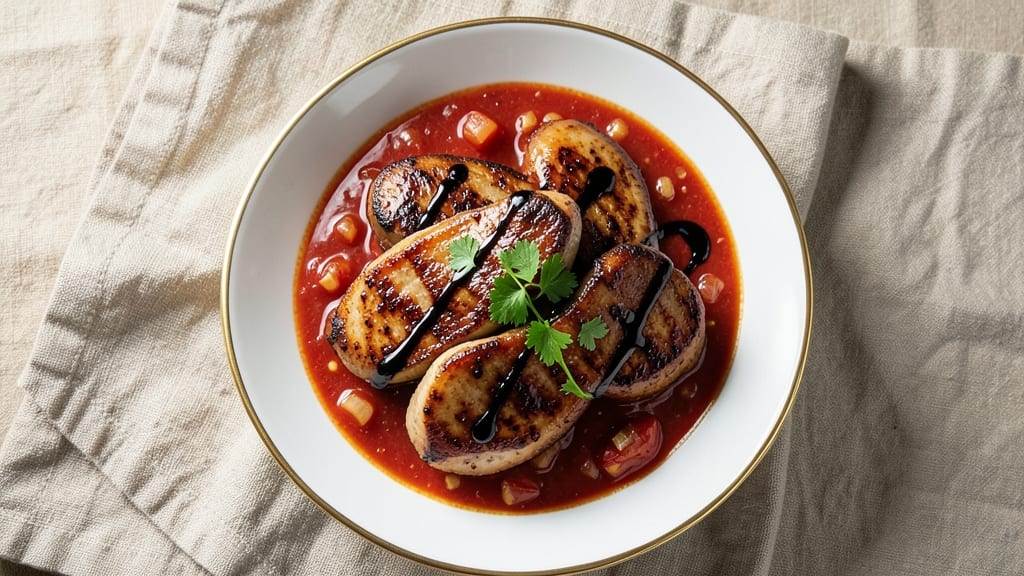
Chicken liver with tomato sauce transforms this often-overlooked protein into a luxurious, restaurant-worthy dish with celery-crusted bites and velvety sauce. The key lies in precise pan-searing and balancing rich flavors—sweet tomatoes, earthy celery, and aromatic herbs create harmony in every bite.
I developed this recipe after years of experimenting with offal dishes, and it consistently delivers professional results at home.
This method requires just five core ingredients but delivers complex flavor: tender chicken livers seared until golden, a velvety tomato sauce simmered to perfection, and fresh herbs that brighten the rich sauce.
The celery crust adds satisfying texture while absorbing the sauce beautifully. What makes this recipe special is how it transforms simple ingredients into something sophisticated without complicated techniques.
By the time you serve this dish, you'll have perfectly cooked chicken livers with crisp edges and tender centers, all nestled in a rich tomato sauce that's neither too sweet nor too acidic.
The sauce clings to the livers, creating each bite into a flavorful experience. This is comfort food elevated—perfect for impressing guests or treating yourself to something special.
The beauty of this recipe lies in its versatility. Serve it over pasta for a hearty main course, or pair it with crusty bread to soak up every last drop of sauce.
The method scales easily for different serving sizes, making it ideal for both weeknight dinners and dinner parties. Let's create this luxurious dish together.
Ingredients for chicken liver with tomato sauce
Five core ingredients elevate humble chicken livers into restaurant-quality bites with velvety tomato sauce.
| Ingredient | Amount | Notes |
|---|---|---|
| Chicken Livers 🍗 | 1 lb | Fresh, trimmed of connective tissue |
| Celery Stems 🧅 | 2 cups | Finely chopped, fresh preferred |
| San Marzano Tomatoes 🍅 | 14 oz | Canned, whole peeled tomatoes |
| Extra-Virgin Olive Oil 🫒 | ½ cup | High-quality, fruity variety |
| Fresh Flat-Leaf Parsley 🌿 | ¼ cup | Chopped, stems removed |
| Garlic Cloves 🧄 | 4 cloves | Peeled, finely minced |
| Diamond Crystal Kosher Salt 🧂 | 1 ½ tsp | For seasoning and crust |
| Freshly Ground Black Pepper 🌶️ | ½ tsp | Coarsely cracked |
| Unsalted Butter 🧈 | 2 tbsp | Cold, for crust binding |
| Dry White Wine 🍷 | ½ cup | Sauvignon Blanc preferred |
| Heavy Cream 🥛 | ¼ cup | Full-fat for richness |
| Red Wine Vinegar 🍋 | 1 tbsp | For sauce brightness |
| All-Purpose Flour 🌾 | 1 tbsp | For thickening sauce |
The chicken livers require careful preparation. Freshness is critical—look for bright red livers with minimal connective tissue at Whole Foods or your local butcher shop. Trim away any silverskin or yellowing parts immediately after purchase. Celery stems are essential for the crust; organic celery from the produce section has the most vibrant flavor. San Marzano tomatoes are non-negotiable for their natural sweetness and acid balance—Rao's or Mutti brands are widely available in cans. The extra-virgin olive oil should have a peppery finish; California Olive Ranch or Colavita deliver consistent quality. Fresh parsley brightens the dish, but dried parsley at one-third the amount works in a pinch.
Substitutions must maintain the dish's delicate balance. No white wine? Use additional chicken stock with a splash of lemon juice. Heavy cream can be replaced with half-and-half for lighter texture, though richness will diminish. For the celery crust, finely chopped shallots add depth if celery isn't available. The red wine vinegar can be swapped for balsamic vinegar at half the amount, though flavor will differ slightly. Always taste the sauce before serving—adjust with kosher salt or a pinch of sugar as needed. The flour should be sifted to prevent lumps in the sauce, creating a silky texture.
Proper storage extends freshness without compromising quality. Chicken livers should be used within 2 days of purchase and stored in an airtight container in the coldest part of the refrigerator. The celery crust mixture can be prepared 1 day ahead and refrigerated, though texture may soften slightly. Tomato sauce keeps for up to 5 days in the fridge or 3 months frozen. When reheating, warm gently over low heat to prevent curdling. For best results, serve immediately after cooking—each bite benefits from the crisp crust and velvety sauce at peak temperature.
Why You'll Love This Recipe
- Fewer Ingredients, Bigger Payoff: I swear by this—just livers, celery, tomatoes, and olive oil. No fancy pantry items, no stress. The celery adds that subtle crunch, the San Marzano tomatoes bring sweetness, and the olive oil ties it all together without a single extra bowl.
- Rich Without the Guilt: That deep, umami flavor from the livers? It’s like a hug for your taste buds. The parsley brightens it up just enough to keep it light, and honestly, it’s the kind of dish that makes you feel like you’ve had a proper meal—without the heaviness.
- Weeknight Hero: Between us, this is my go-to when I’m too tired to think. Toss the livers in the pan, let them sear, then simmer with the tomatoes while I chop parsley. Done in 25 minutes, and it still feels like a special dinner. (Yes, even on a Tuesday night.)
- Budget Meal That Feeds: A pound of chicken livers costs less than chicken thighs, and this recipe stretches it far. Leftovers? Even better—reheat with a splash of water, and it’s just as good the next day. My college budget would’ve cried happy tears.
Step-by-step instructions for celery-crusted chicken livers in tomato sauce
Master this refined preparation with precise technique and flavor balance.
Prepare the Celery Crust and Season the Livers
In a food processor, pulse the 2 cups celery stems until you achieve a fine, sand-like texture—similar to coarse breadcrumbs. The consistency should resemble wet sand when pressed between your fingers. Transfer this to a plate and set aside.
Pat the 1 lb chicken livers completely dry with paper towels, removing any connective tissue or membrane. This drying step is crucial—moisture prevents proper browning. In a small bowl, combine the 1.5 tsp diamond crystal kosher salt, 0.5 tsp freshly ground black pepper, and the finely minced 4 cloves garlic cloves. Rub this mixture evenly over the livers, coating them completely.
Create the Crust and Sear the Livers
Place the 2 tbsp unsalted butter in a cold skillet over medium-low heat. Once the butter has melted and begins to foam, remove the pan from heat. Add the celery crust to the butter and toss gently to coat the celery evenly. Return the pan to medium heat and let the celery crisp for 3-4 minutes, stirring occasionally, until it turns a rich golden brown.
Working in batches to avoid overcrowding, add the seasoned livers to the skillet with the celery crust. Press down gently on each liver with a spatula to ensure even contact with the crust. Cook for 2-3 minutes per side until the crust adheres firmly and the livers reach an internal temperature of 145°F—they should be just cooked through but still tender. Transfer the livers to a warm plate and tent loosely with foil to keep warm.
Build the Tomato Sauce Base
In the same skillet, reduce the heat to medium-low and add 0.5 cup extra-virgin olive oil. Pour in the 0.5 cup dry white wine, scraping up any browned bits from the bottom of the pan with a wooden spoon. Let the wine simmer for 3-4 minutes until reduced by half, allowing the alcohol to cook off completely.
Add the 14 oz san marzano tomatoes, crushed by hand, and the 1 tbsp red wine vinegar. Stir in the 0.25 cup chopped fresh flat-leaf parsley and bring the mixture to a gentle simmer. Let it cook uncovered for 10-12 minutes, stirring occasionally, until the tomatoes break down into a thick, glossy sauce. Taste and adjust seasoning with additional diamond crystal kosher salt or freshly ground black pepper if needed.
Finish the Sauce and Combine
In a small bowl, whisk together the 0.25 cup heavy cream and 1 tbsp all-purpose flour until smooth. Slowly pour this mixture into the simmering tomato sauce, whisking constantly to prevent lumps from forming. Let the sauce thicken for 2-3 minutes, stirring frequently, until it coats the back of a spoon. The sauce should be velvety and rich, with a slight sheen.
Return the celery-crusted livers to the skillet, spooning the sauce generously over each piece. Let them heat through for 1-2 minutes, allowing the flavors to meld. The livers should be warm but still tender, with a glossy, rich sauce clinging to the crust. Serve immediately, garnished with additional chopped fresh flat-leaf parsley for a touch of brightness.
Pro Tips For Making Chicken Liver With Tomato Sauce
- Scorch the Livers First: Chicken livers turn rubbery if you start slow—hit them with a screaming-hot pan (no oil yet) for 30 seconds per side to sear the exterior. This locks in moisture and prevents that gamey, overcooked texture. I learned this the hard way when my first batch tasted like leather.
- Slice Celery Thin: Forget chunky celery—dice those stems into matchsticks (1/8-inch thick) so they soften into the sauce instead of sitting like chewy afterthoughts. The smaller the pieces, the faster they break down, and the more flavor they release. (Yes, it takes 2 minutes extra—trust me.)
- Drain the Tomatoes: San Marzano tomatoes are juicy, but their liquid dilutes the sauce. After crushing them, drain the excess juice through a fine-mesh strainer for 10 minutes. This keeps the sauce rich and concentrated—no watery disappointment here.
- Finish with Parsley Late: Toss in the parsley right at the end, just before serving, or it’ll turn bitter from simmering. A handful of fresh leaves brightens the dish instantly—no need to chop it fine, just tear it roughly for texture. (I used to add it early and wondered why my sauce tasted flat.)
Flavor customization for this dish
Sweet & Tangy Tomato Twist
Swap the red wine vinegar for 1 tbsp balsamic vinegar and add 1 tsp honey to the sauce base. Simmer for 5 extra minutes to caramelize the flavors. This balances the richness of the livers with a subtle sweetness that pairs beautifully with the celery crust.
For deeper color, add ½ tsp smoked paprika to the celery crust mixture before searing. 🌶️
Herb-Infused Variations
Replace parsley with 1 tbsp fresh thyme leaves and 1 tsp fresh rosemary for an earthy Mediterranean twist. For a brighter profile, add 1 tbsp fresh basil at the end of sauce preparation.
I find this works especially well with a splash of lemon zest instead of vinegar for a citrusy brightness.
Spicy Kick Options
For heat lovers, add ½ tsp crushed red pepper flakes to the celery crust before searing. Stir 1 tsp harissa paste into the tomato sauce base for a smoky North African influence.
Finish with a drizzle of chili oil (about 1 tsp) for an extra layer of heat and texture.
Creamy Upgrades
Replace heavy cream with ½ cup crème fraîche for a tangier finish. For extra richness, stir in 1 oz mascarpone cheese at the end of sauce preparation. I've also had success using ½ cup Greek yogurt for a lighter but still creamy texture that cuts through the richness.
Vegetable-Inspired Crusts
Swap celery for 1 cup finely chopped shallots and ½ cup breadcrumbs for a French-inspired crust. For a root vegetable twist, use 1 cup finely grated fennel mixed with 2 tbsp olive oil. Both alternatives add unique textures while maintaining the dish's elegant profile.
Wine & Cheese Pairings
Pair the sweet-tangy version with a Pinot Noir from Burgundy to complement the tomato sauce's acidity. For the spicy version, a Syrah with its peppery notes balances the heat beautifully. Serve with aged pecorino or parmesan for a sophisticated cheese pairing that enhances the dish's richness. 🍷
Nutrition facts
Frequently asked questions
Why do chicken livers need to be patted completely dry before cooking?
Moisture on the livers prevents proper browning and crust formation. When you pat them dry, you create the perfect surface for the celery crust to adhere and crisp beautifully. This step is critical for achieving that restaurant-quality texture we're aiming for!
Can I use frozen chicken livers instead of fresh?
Fresh livers are ideal, but if you must use frozen, thaw them completely in the refrigerator overnight. Never thaw at room temperature as this can promote bacterial growth. The texture won't be quite as tender as fresh, but they'll still work in a pinch. For best results, trim any excess fat that may have developed during freezing.
How do I know when the celery crust is properly cooked?
The crust should be a rich golden brown with crisp edges when ready. It takes about 3-4 minutes over medium heat. If it's still pale, keep cooking until it develops that beautiful caramelized color—this indicates the starches have properly gelatinized for that perfect crunch.
What's the best way to reheat leftovers?
Reheat gently in a skillet over low heat with a splash of water or broth to maintain moisture. Avoid microwaving as it can make the crust soggy. For the sauce, warm it separately and combine just before serving to preserve its velvety texture. Leftovers keep well for 2-3 days in the fridge.
Can I make this recipe without wine?
Replace the 0.5 cup white wine with 0.5 cup chicken stock plus 1 tsp lemon juice to maintain acidity. The sauce will still develop depth, though the wine adds complexity that's hard to replicate. For a non-alcoholic alternative, apple cider vinegar works well too.