
Side Dishes
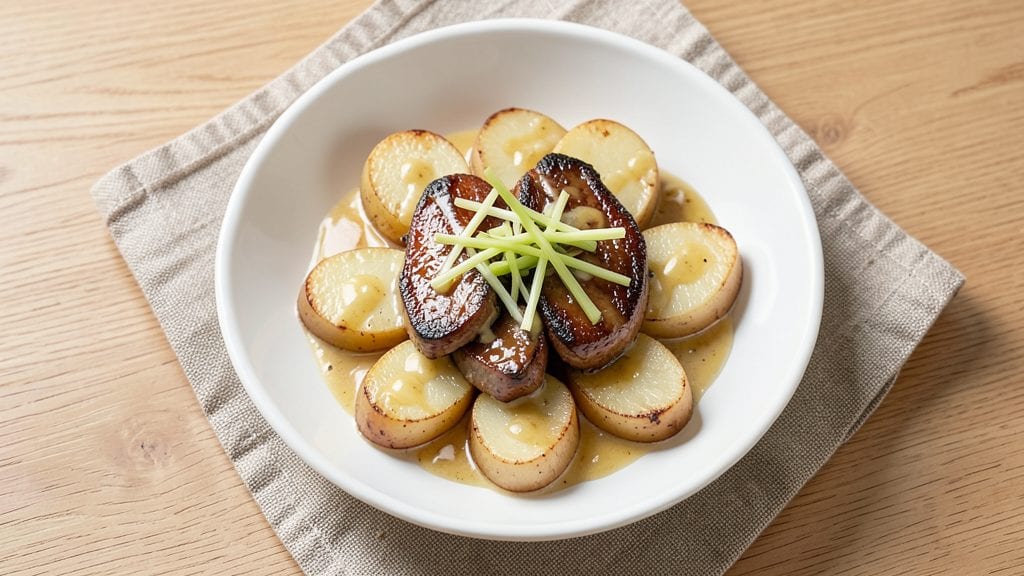
This chicken liver and potatoes recipe transforms humble ingredients into a dish so rich and satisfying, it feels like a restaurant meal in your own kitchen. The secret lies in the crispy celery crust that encases tender chicken livers, paired with velvety mashed potatoes that melt in your mouth.
Growing up in small-town Georgia, I learned that offal dishes like this were often the centerpiece of family gatherings—simple yet deeply flavorful when prepared with care.
The technique is straightforward but precise: sear the chicken livers until they develop a golden crust, then finish them in a pan with aromatic herbs and a splash of cream. Meanwhile, the potatoes are boiled until tender, then mashed to a silky texture with butter and cream.
The celery crust adds a satisfying crunch that contrasts beautifully with the creamy potatoes and tender livers, making every bite a balance of textures and flavors.
What you’ll achieve is a dish that’s both elegant and comforting—perfect for a special dinner or a weeknight meal when you want something memorable.
The livers will be tender with a crisp exterior, the potatoes impossibly smooth, and the celery crust adding a layer of complexity that elevates the entire plate. This recipe proves that offal dishes don’t have to be intimidating; with the right technique, they become a showstopper.
Serve with a crisp green salad or steamed vegetables to balance the richness, and pair with a bold red wine like Cabernet Sauvignon. The leftovers reheat beautifully, making this a practical yet impressive dish for any occasion.
Let’s get cooking—this is one recipe that will leave your guests asking for seconds.
Ingredients for chicken liver with potato
Fourteen ingredients transform into a dish that feels like a restaurant meal at home.
| Ingredient | Amount | Notes |
|---|---|---|
| Chicken Livers 🍗 | 1 lb | Fresh, trimmed of connective tissue |
| Russet Potatoes 🥔 | 2 lbs | Starchy, waxy variety preferred |
| Celery Stalks 🧅 | 1 whole | Thinly sliced for crust |
| Unsalted Butter 🧈 | ½ cup | Cold, cubed for crisping |
| Heavy Cream 🥛 | ½ cup | Full-fat for richness |
| Shallots 🧅 | 2 whole | Minced for aromatic base |
| Fresh Thyme 🌿 | ¼ cup | Leaves only, chopped fine |
| Fresh Parsley 🌿 | ⅛ cup | Chopped for garnish |
| Garlic Cloves 🧄 | 3 cloves | Minced for depth of flavor |
| Salt 🧂 | 1 ½ tsp | Kosher or sea salt |
| Ground Black Pepper 🌶️ | ½ tsp | Freshly cracked |
| Olive Oil 🫒 | 2 tbsp | For searing livers |
| Chicken Stock 💧 | ½ cup | Homemade preferred |
| All-Purpose Flour 🌾 | 2 tbsp | For thickening sauce |
Chicken livers are the star here, so source them fresh from a trusted butcher—they should be bright red, not gray or slimy. Costco or local farmers markets often carry them pre-packaged, but ask for them to be trimmed of any connective tissue. Russet potatoes are ideal for mashing—their high starch content creates that velvety texture. The celery crust relies on fresh, crisp stalks, so avoid the wilted ones at the grocery store's back. For the thyme and parsley, farmers markets or specialty stores offer the freshest, most aromatic varieties, but grocery store bunches work in a pinch if you use them quickly.
No fresh thyme? Dried works at one-third the amount, but the flavor won't be as vibrant. Substituting shallots for onions is a must here—their mild sweetness complements the livers without overpowering. The chicken stock can be store-bought, but homemade adds depth, especially if you use the bones from the livers themselves. For the celery crust, if you can't find fresh celery, substitute with leeks or green onions, though the texture will differ slightly. The butter must be cold and cubed—room temperature butter won't crisp properly.
Chicken livers keep best in the coldest part of your fridge, used within 2 days for peak tenderness. Trimmed and stored in a sealed container, they'll stay fresh longer. The celery crust components (butter, celery, flour) can be prepped ahead and refrigerated for up to 24 hours, making this a great make-ahead dish. Leftovers reheat beautifully—simply warm the livers and potatoes separately to maintain their textures. Store in airtight containers for up to 3 days, or freeze for 2 months.
Why You'll Love This Recipe
- One-Pan Magic: I swear by this—just toss everything on one sheet pan, and you’re done. The livers sear right alongside the potatoes, so no flipping between pans or constant stirring. Honestly, it’s the kind of recipe that makes me feel like a pro, even when I’m half-asleep at the stove.
- Rich & Earthy: That first bite? Buttery, crispy livers with a velvety cream sauce—it’s like a hug in a plate. The celery adds this bright, fresh crunch that cuts through the richness, and the potatoes soak up all the flavor like little flavor sponges. Between us, it’s the kind of dish that makes you want to close your eyes and savor it.
- Weeknight Workhorse: This feeds four for under $10, and it’s ready before takeout arrives. I’ve served it at casual dinners, potlucks, and even as a fancy-ish weeknight meal when I want to impress. My roommate’s a picky eater, and she still asks for seconds—now that’s a win.
- Leftovers That Don’t Suck: Most dishes get sad in the fridge, but not this one. The livers stay tender, the potatoes hold their shape, and the sauce only gets richer. I’ll pack it for lunch the next day, and it’s still just as good—maybe even better, because the flavors meld overnight. (Yes, even on a Tuesday.)
Step-by-step instructions for chicken liver and potatoes
Here's how to transform simple ingredients into a luxurious dish with crispy edges and velvety textures.
Prepare the Chicken Livers for Perfect Crispiness
Trim any connective tissue from the 1 lb chicken livers and pat them completely dry with paper towels. This step is crucial—moisture prevents crispiness. Place the livers in a bowl and season generously with 1 tsp of the 1.5 tsp salt and all 0.5 tsp ground black pepper. Let them sit at room temperature for 15 minutes while you prepare the potatoes.
In a separate bowl, combine the 1 whole celery stalks, thinly sliced, with 1 tbsp of the 2 tbsp olive oil. Toss to coat evenly. This celery mixture will create our signature crispy crust. The key here is thin, even slices—use a sharp knife or food processor for consistency.
Create the Celery Crust and Sear the Livers
Heat a large oven-safe skillet over medium-high heat. Add the remaining 1 tbsp olive oil and let it get hot but not smoking. Spread the celery mixture evenly across the bottom of the pan, creating a thin, even layer. Cook for 3-4 minutes until the celery begins to brown and crisp at the edges.
Remove the skillet from heat and carefully arrange the seasoned chicken livers on top of the crispy celery layer. Return the skillet to medium heat and cook for 2-3 minutes per side until the livers are browned and cooked through. They should reach an internal temperature of 145°F. Remove the livers to a plate and tent with foil to keep warm.
Make the Potato Mash with Rich Flavor Base
While the livers cook, peel and dice the 2 lbs russet potatoes into 1-inch chunks. Place them in a pot of cold salted water (add ½ tsp of the remaining 0.5 tsp salt) and bring to a boil. Reduce heat to medium and cook for 15-20 minutes until the potatoes are fork-tender.
Drain the potatoes thoroughly, then return them to the pot. Add the 0.5 cup unsalted butter, cubed, and the 0.5 cup heavy cream. Mash until smooth and creamy. For extra flavor, add the 2 minced shallots, 3 minced garlic cloves, and the remaining 0.5 tsp salt. The mash should be silky with no lumps—this is your foundation.
Build the Signature Sauce for the Livers
In the same skillet where you cooked the livers, increase heat to medium. Add the 2 minced shallots and cook for 2 minutes until softened. Stir in the 0.25 cup fresh thyme and cook for 30 seconds until fragrant. Pour in the 0.5 cup chicken stock and scrape up any browned bits from the bottom of the pan.
Sprinkle the 2 tbsp all-purpose flour over the mixture and whisk vigorously for 1-2 minutes until the sauce thickens to a glossy consistency. Remove from heat and stir in the 0.125 cup fresh parsley. This sauce should coat the back of a spoon—if it's too thick, add a splash of warm water to reach your desired texture.
Assemble and Finish for Maximum Impact
Return the chicken livers to the skillet and spoon the sauce generously over them. Let everything heat through for 1-2 minutes until the livers are warmed completely. The celery crust should now be fully crispy, the livers perfectly browned, and the sauce silky smooth.
Divide the creamy potato mash among four plates and top each serving with 2-3 chicken livers. Spoon the sauce around the livers and garnish with additional fresh parsley. The contrast of crispy celery crust, tender livers, and velvety mash creates a dish that's both elegant and satisfying—every bite delivers that promised crispy texture with rich, savory flavors.
Pro Tips For Making Chicken Liver With Potato
- Soak Livers First: Dump those livers in cold water for 10 minutes—yes, even if they look clean. I learned this the hard way after serving a batch with bitter aftertaste. The soak removes any blood and iron tang that ruins the delicate flavor, especially when paired with creamy potatoes.
- Sear Potatoes Hard: Don’t skimp on the initial sear—get those Russets golden brown in butter before adding cream. After burning three batches, I finally figured out that crispy base is what makes the sauce cling instead of turning into a gluey mess. Use medium-high heat and resist the urge to stir constantly.
- Mince Celery Fine: Chop that celery into tiny pieces—smaller than you think. I used to leave it in ½-inch chunks, and it just sat there like a sad, uncooked afterthought. When it’s minced, it softens into the sauce and adds real depth to the liver’s richness. A sharp knife and a few extra seconds make all the difference.
- Deglaze Aggressively: After searing the livers, don’t just splash in liquid—scrape every last bit of browned bits from the pan with a wooden spoon. That’s where the flavor lives. I skip this when I’m lazy, and the dish is noticeably less complex. A splash of white wine or even chicken stock works here—just make sure you’re scraping.
Wine and beer pairings for these flavors
Red Wine Pairings
For this dish, I reach for a bold red wine that can stand up to the richness of the chicken livers while complementing the earthy celery crust. A Cabernet Sauvignon from Napa Valley—like Louis M. Martini—is my go-to.
Its dark fruit notes and firm tannins cut through the fatty texture of the livers, while the wine’s acidity refreshes your palate between bites.
If you prefer something lighter, a Syrah from the Rhône Valley, such as Guigal Côtes du Rhône, brings a peppery kick that enhances the dish’s savory depth. 🍷
White Wine Alternatives
Don’t overlook white wines for this dish—especially if you’re serving it at a luncheon or prefer a lighter pairing. A Chardonnay with noticeable oak, like Kendall-Jackson Vintner’s Reserve, offers enough body to handle the richness while its buttery notes harmonize beautifully with the mashed potatoes.
For a crisp, acidic contrast, try a Dry Riesling from Germany—like Dr. Loosen Blue Slate—which balances the dish’s richness with its bright citrus and mineral undertones. 🍷
Beer Pairings
If wine isn’t your thing, a dark lager or amber ale works wonders. I love pairing this dish with a Belgian Dubbel, such as Westmalle Tripel, because its caramel and spice notes complement the celery crust and thyme in the sauce.
For a more approachable option, a honey-brown ale like Allagash White adds a touch of sweetness that balances the dish’s savory flavors without overpowering them. 🍺
Cocktail Pairing
For a festive touch, serve this dish with a whiskey sour or gin martini—both provide a sophisticated contrast to the rich flavors. I like a classic bourbon sour made with Buffalo Trace Bourbon, lemon juice, and a touch of simple syrup, garnished with a lemon twist.
The citrus brightness cuts through the richness of the livers, making each bite feel lighter and more refreshing. 🍸
Avoid These Pairings
Skip anything too sweet or overly oaky—like a port-style wine or heavy stout—because they’ll clash with the dish’s delicate balance of textures and flavors. Also, avoid wines with high alcohol content, as they can overpower the subtle notes of the thyme and parsley.
The key is harmony: your pairing should enhance, not compete with, the dish’s natural richness. 💡
Nutrition facts
Frequently asked questions
Why do chicken livers need to be patted completely dry before cooking?
Moisture on the livers causes them to steam instead of sear, resulting in a soggy texture instead of the crispy crust you want. Patting them dry ensures they develop that perfect golden-brown exterior while staying tender inside.
Can I substitute celery in the crust with something else?
Yes! For a similar texture, try thinly sliced leeks or green onions. If you prefer a different flavor, finely chopped mushrooms or onions work too, though the texture will vary slightly. The key is keeping the slices thin for crispiness.
How do I know when chicken livers are fully cooked?
They should reach an internal temperature of 145°F and appear browned on the outside. Cutting into one reveals a deep red center with no pink—this means they're perfectly cooked through. Overcooking dries them out, so aim for just until they reach that temperature.
What's the best way to reheat leftovers?
Reheat the livers and sauce separately in a skillet over low heat for 2-3 minutes to maintain their crispy texture. Warm the mashed potatoes in the microwave with a splash of milk or cream to restore creaminess. Never reheat in the oven—it makes the livers rubbery.
Can I make this dish ahead of time?
Prepare the celery crust and sauce components up to 24 hours ahead and store them separately in the fridge. Reheat the livers and sauce just before serving to keep everything fresh. The mashed potatoes can be made a day ahead too—just reheat with extra butter and cream.