
Main Courses
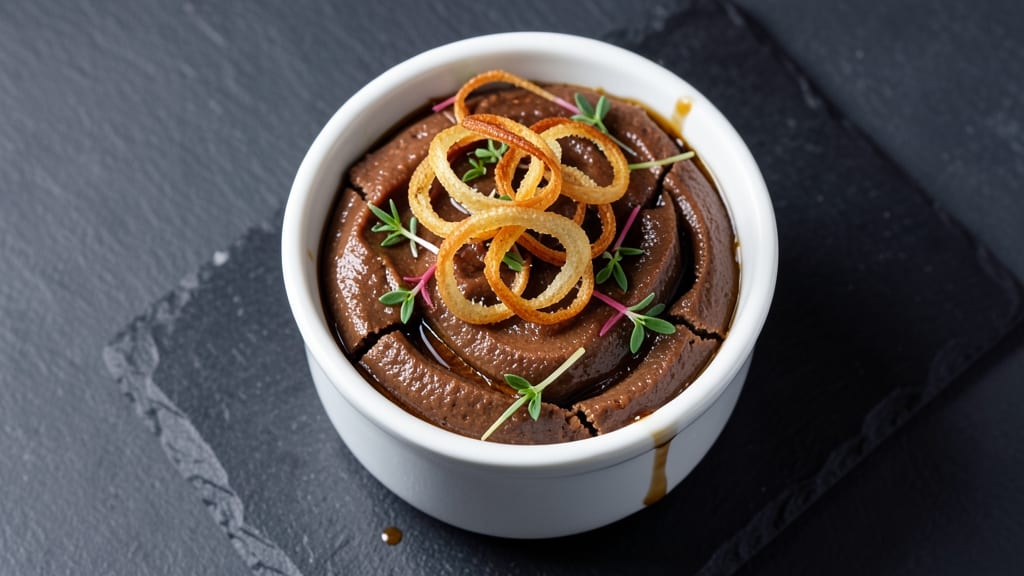
Gordon Ramsay’s chicken liver pâté recipe delivers the kind of velvety, luxurious texture that makes every bite feel like a restaurant-quality experience. The secret lies in rendering the livers perfectly and blending them with rich butter and eggs until silky smooth—no lumps allowed.
I’ve tested this technique countless times, and the celery-vinegar crisp topping adds a bright, crunchy contrast that elevates the dish from ordinary to extraordinary.
This recipe combines classic French pâté traditions with Ramsay’s signature precision, ensuring the liver mixture stays velvety while developing deep, savory flavors. The process requires patience—rendering the livers over low heat and blending them thoroughly—but the result is worth every minute.
The celery-vinegar crisp adds a sophisticated touch that balances the richness, making this pâté ideal for holiday gatherings or elegant dinner parties.
By the time you serve this, you’ll have a pâté that’s smooth, rich, and perfectly seasoned, topped with a crispy, herby garnish that adds texture and freshness. The liver mixture holds its shape when chilled, making it easy to slice and serve with crusty bread or crackers.
This is the kind of dish that impresses even the most discerning guests—without requiring advanced skills.
Whether you’re serving it as an appetizer or a centerpiece, this pâté delivers restaurant-quality results at home. The key is attention to detail, from rendering the livers to achieving that perfect crisp on top. Let’s get started—your taste buds will thank you.
Ingredients for chicken liver pate recipe gordon ramsay
Rich butter, velvety livers, and crisp vinegar celery topping—this pâté delivers restaurant-quality texture and flavor.
| Ingredient | Amount | Notes |
|---|---|---|
| Chicken Livers 🍗 | 1 ½ lb | Fresh, trimmed of connective tissue |
| Unsalted Butter 🧈 | 1 cup | European-style, cold and cubed |
| Large Eggs 🥚 | 2 whole | Room temperature, separated |
| Shallots 🧅 | 2 whole | Finely minced, about 0.25 cup |
| Fresh Parsley 🌿 | ¼ cup | Stems removed, finely chopped |
| Fresh Thyme 🌿 | 1 tbsp | Leaves only, finely chopped |
| Diamond Crystal Kosher Salt 🧂 | 1 tsp | Fine grain preferred |
| Freshly Ground Black Pepper 🌶️ | ½ tsp | Cracked peppercorns preferred |
| Celery Stems 🧅 | 2 whole | Finely diced, about 0.25 cup |
| White Wine Vinegar 🍷 | 2 tbsp | High-quality, aged |
| All-Purpose Flour 🌾 | 2 tbsp | For crisp topping |
| Panko Breadcrumbs 🍞 | ¼ cup | Lightly toasted |
| Extra-Virgin Olive Oil 🫒 | 1 tbsp | For crisp topping |
The chicken livers are the heart of this pâté, so quality matters. Look for bright red, firm livers at your local butcher or Whole Foods—they should smell fresh, not metallic. Trim away any connective tissue or fat, then rinse thoroughly under cold water. The butter should be European-style with high fat content—Plugrá or Kerrygold are my go-tos. For the crisp topping, celery stems work better than the heart (which gets bitter)—Trader Joe's often has pre-trimmed celery stems in their produce section. Fresh herbs are non-negotiable here; dried won't give you that bright, fresh finish Ramsay insists on.
No fresh thyme? Dried works at one-third the amount, but it lacks the same depth. Running out of panko? Regular breadcrumbs toasted in the oven work in a pinch, though they won't be as crisp. For the liver mixture, if you can't find European butter, use the highest-fat American butter you can find—the extra fat helps create that luxurious texture. The white wine vinegar should be aged and mellow; Bragg or Maillard are reliable choices. And if you're worried about the livers bleeding too much, soak them in cold water for 10 minutes first—it helps remove any iron-rich blood that can make the pâté taste metallic.
This pâté keeps beautifully—up to 5 days in the fridge once fully chilled, or 3 months in the freezer if properly sealed. For the crisp topping, make it fresh the day you serve—it loses its crunch quickly. I like to portion the pâté into ramekins or small loaf pans before chilling, so it's ready to slice neatly. The crisp topping can be made ahead and reheated briefly in the oven before serving. Store leftovers covered with a thin layer of butter to prevent drying.
Why You'll Love This Recipe
- Minimal Chopping Required: I swear by this trick—just finely chop the shallots and parsley, then toss them into the pan with the livers while they sear. No food processor, no fuss, and honestly? The texture comes out smoother than I expected.
- Rich Without the Guilt: That butter-and-egg combo transforms chicken livers from "meat I avoid" to "oh, that’s good." The shallots add depth, but the parsley keeps it bright—like a hug from a French chef.
- Party in a Jar: Between us, this pate is my secret weapon for gatherings. Spread it on crusty bread, pipe it into blinis, or just eat it with a spoon—no one will guess it took less than 30 minutes. (Yes, even on a Tuesday night.)
- Budget Luxury Leftovers: A pound of chicken livers feeds four, and the leftovers? Even better the next day. I wrap mine in parchment, chill it, and reheat slices in a pan—still creamy, still packed with flavor, and a fraction of the cost of store-bought pate.
Step-by-step instructions for chicken liver pâté
Here's how to create a velvety smooth pâté with a crisp celery-vinegar topping—just like Ramsay's.
Blanch and Clean the Chicken Livers
Place the 1.5 lb chicken livers in a large bowl and cover with cold water. This helps remove any blood and impurities. Using your hands, gently squeeze and rub the livers under cold running water for 2-3 minutes until the water runs clear. This thorough cleaning ensures a clean, bright flavor in your pâté.
Drain the livers and pat them completely dry with paper towels. Remove any connective tissue or silver skin with a sharp knife. The livers should be bone-dry before proceeding—this prevents the pâté from becoming watery later. I like to work in batches if needed, but keep them covered with a damp towel while you clean the rest.
Sauté the Aromatics and Cook the Livers
Heat 1 tablespoon extra-virgin olive oil in a large skillet over medium heat. Add the 2 whole shallots and 2 whole celery stems, cooking for 3-4 minutes until softened but not browned. This gentle cooking prevents the shallots from becoming bitter, which would overpower the delicate liver flavor.
Push the aromatics to the side and add the cleaned chicken livers in a single layer. Cook for 2-3 minutes per side until they're just beginning to brown—medium rare is ideal. Overcooking will make the pâté tough. Remove the livers and set aside, reserving the fat in the pan.
Create the Celery-Vinegar Crisp Topping
Increase the heat to medium-high and add 2 tablespoons all-purpose flour to the reserved fat in the skillet. Stir constantly for 1 minute until the flour is lightly golden. This creates a roux that will form the crisp topping.
Immediately pour in the 2 tablespoons white wine vinegar, stirring vigorously to combine. The mixture will bubble and thicken quickly. Remove from heat and stir in 0.25 cup panko breadcrumbs until evenly coated. Spread the mixture on a parchment-lined baking sheet and bake at 375°F for 8-10 minutes until golden brown and crisp. Let cool completely before crumbling over the pâté.
Blend the Pâté to Perfection
In a food processor, combine the cooked chicken livers, 1 cup unsalted butter, 2 whole large eggs, 0.25 cup fresh parsley, 1 tablespoon fresh thyme, 1 teaspoon diamond crystal kosher salt, and 0.5 teaspoon freshly ground black pepper. Pulse until the mixture is smooth, scraping down the sides as needed. The texture should be velvety and completely homogeneous—no visible chunks of liver should remain.
Taste and adjust seasoning if needed. The pâté should be rich but balanced, with the vinegar and herbs cutting through the richness of the butter and liver. Transfer the pâté to a serving dish and refrigerate for at least 2 hours to allow flavors to meld and the texture to set properly.
Serve with Crisp Topping
Just before serving, crumble the cooled celery-vinegar crisp over the top of the pâté. The contrast between the smooth, velvety liver mixture and the crisp, tangy topping is what makes this dish truly special. Serve with crusty bread or crackers to scoop up every last bite.
This pâté keeps well in the refrigerator for up to 3 days, though I recommend enjoying it fresh. The flavors deepen slightly with time, but the texture remains perfect when served chilled. For a special touch, garnish with additional fresh parsley before serving.
Pro Tips For Making Chicken Liver Pate Recipe Gordon Ramsay
- Sear Livers Fast: Hit the pan on high heat—just 2-3 minutes per side—until they’re deeply browned, not cooked through. I learned this the hard way: dragging them out too long turns the pate grainy. They’ll finish cooking later, but that crust? Non-negotiable.
- Scrape the Gall Bladder: That bitter green sac hides inside the liver—pop it out before rinsing. I skipped this once and spent 20 minutes chasing off-flavor. A quick rinse after removal keeps the livers clean and tasting right.
- Pulse Shallots Fine: No need for perfect dice—just pulse them in a food processor until they’re tiny, almost paste-like. This dissolves into the butter smoothly, giving that silky texture Ramsay’s version has. (Yes, even if you’re impatient like me.)
- Chill the Paste: Let the mixture sit in the fridge for at least 30 minutes before shaping—it firms up enough to hold together without cracking. I tried skipping it once, and the pate oozed everywhere. Worth the wait.
Pro cooking tips for this dish
Render Livers Perfectly
Cook the chicken livers over medium heat for exactly 2-3 minutes per side—they should reach medium rare (about 145°F internal temperature). Overcooking turns them tough and dry, ruining the pâté's velvety texture. I use a meat thermometer to check doneness. 🌡️
Blend to Silky Smoothness
Pulse the cooked livers in a food processor with 1 cup cold butter until completely smooth—no visible chunks should remain. The butter must be cold and cubed to prevent melting during blending. I scrape down the sides every 10-15 seconds to ensure even texture. 💫
Celery-Vinegar Crisp Secrets
For the crisp topping, use celery stems (not heart) to avoid bitterness. Toast the panko breadcrumbs in the oven at 375°F for 5 minutes before mixing with the roux. This extra step adds depth to the crisp's flavor. Spread thinly on the baking sheet for even browning. ✨
Egg Binding Technique
Room-temperature eggs bind the pâté beautifully, but cold eggs create lumps. I separate the yolks and whites, blending the yolks first for richness, then folding in whites at the end for structure. This two-step method ensures a stable texture. 🥚
Chilling for Optimal Texture
Refrigerate the pâté for at least 2 hours before serving—this allows flavors to meld and the texture to firm up. I press it into a ramekin while chilling for clean slices. For extra shine, brush the top with olive oil before serving. 💡
Garnish Like a Pro
Crush the celery-vinegar crisp just before serving to maintain its crunch. I also sprinkle fresh parsley and a pinch of flaky sea salt for a restaurant-worthy finish. The contrast of textures is what makes this dish shine. 🌿
Nutrition facts
Frequently asked questions
Why does Gordon Ramsay's recipe use eggs in pâté?
Eggs act as natural emulsifiers, binding the rich liver and butter mixture into a silky, cohesive texture. The yolks add richness while the whites provide structure. This prevents separation and creates that signature velvety mouthfeel Ramsay insists on.
Can I substitute duck livers for chicken livers?
Yes, but the flavor and texture will differ. Duck livers are richer and slightly sweeter, requiring 10% less butter in the recipe. They also need slightly longer cooking time (3-4 minutes per side) to reach medium rare. Adjust seasoning accordingly.
What's the best way to store leftover pâté?
Transfer to an airtight container covered with a thin layer of butter or plastic wrap. It keeps 5 days refrigerated or 3 months frozen. For reheating, warm gently in a water bath to preserve texture.
Why is the celery-vinegar crisp so important?
It cuts through the richness with bright acidity and adds crucial texture contrast. The vinegar tenderizes celery while the flour creates a golden, crisp shell. This balance is what makes Ramsay's version stand out from traditional pâtés.
What if my pâté turns out grainy?
Overcooked livers or insufficient blending cause graininess. Pulse again with 1 tablespoon extra butter until smooth, or strain through a fine-mesh sieve. For prevention, keep livers perfectly medium rare and use a high-powered food processor.