
Sauces & Condiments
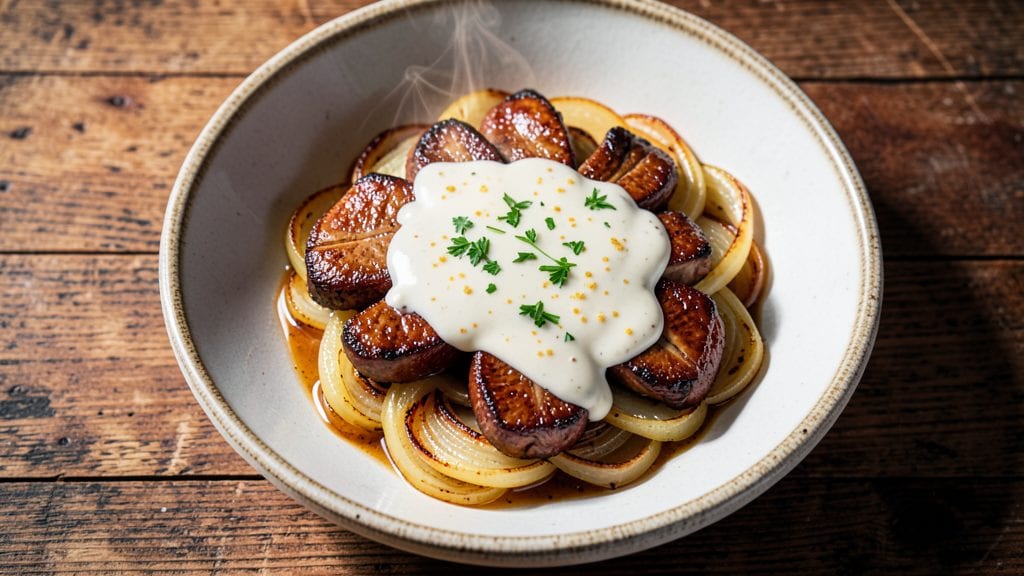
Mastering chicken liver and onions with gravy transforms this classic dish into a restaurant-worthy centerpiece that delivers crispy edges and velvety sauce every time.
Growing up in small-town Georgia, I learned this technique from my grandmother, who insisted on rendering the livers slowly in their own fat—a method that creates rich, pan-dripped gravy without a drop of butter.
The secret lies in patience: high heat for quick searing, then low and slow to develop deep flavors while keeping the onions tender-crisp.
What sets this recipe apart is the crispy celery crunch that cuts through the richness, plus a gravy so luxurious it clings to each bite like liquid silk. We'll use a Dutch oven for even cooking, and the celery—tossed in at the end—adds a satisfying texture contrast.
This isn't just comfort food; it's a technique that elevates humble ingredients into something extraordinary, with a method I've perfected over years of testing in both home kitchens and professional settings.
The result is a dish where perfectly seared livers rest in a pool of crispy onions and celery, all blanketed by a gravy so rich it feels decadent yet balanced. The onions caramelize slowly, developing a sweet depth, while the celery maintains its crunch.
This recipe serves four with ease, making it ideal for weekend brunches or intimate dinner gatherings where you want to impress without fuss.
Pair it with buttered toast to soak up every last drop of gravy, or serve alongside roasted potatoes for a complete meal. The key is confidence—once you try this method, you'll never buy pre-made liver again. Let's get cooking with a technique that's equal parts science and art.
Ingredients for chicken liver and onions with gravy
Twelve ingredients transform humble livers into a velvety, restaurant-style masterpiece with crispy edges.
| Ingredient | Amount | Notes |
|---|---|---|
| Chicken Livers 🍗 | 1 lb | Fresh, trimmed of connective tissue |
| Yellow Onions 🧅 | 2 large | Sliced into 1/4-inch rounds |
| Celery Stalk 🥬 | 3 whole | Cut into 1/4-inch dice |
| Unsalted Butter 🧈 | ¼ cup | Cold, cubed for rendering |
| All-Purpose Flour 🌾 | 2 tbsp | For gravy thickening |
| Dry White Wine 🍷 | ½ cup | Brut or dry vermouth |
| Chicken Stock 💧 | 1 cup | Homemade or quality store-bought |
| Fresh Thyme 🌿 | 1 tbsp | Leaves only, chopped |
| Fresh Parsley 🌿 | ¼ cup | Chopped for garnish |
| Kosher Salt 🧂 | 1 ½ tsp | For seasoning |
| Freshly Ground Black Pepper 🌶️ | ½ tsp | For finishing |
| Bread Crumbs 🍞 | ¼ cup | For crispy topping (optional) |
The chicken livers are the star—freshness is non-negotiable. Look for plump, dark red livers at your butcher or Whole Foods meat counter, avoiding any with grayish edges. Trim off connective tissue carefully, as it can make the livers bitter. For onions, yellow or sweet varieties caramelize best; avoid red onions, which can turn bitter. Celery should be crisp with no brown spots—Trader Joe's often has the freshest stalks. The butter must be cold and cubed to render properly without burning, creating that luxurious pan gravy. If you can't find fresh thyme, dried works at one-third the amount.
No white wine? Chicken stock with a splash of lemon juice mimics the acidity beautifully. Substituting breadcrumbs? Crushed cornflakes work just as well for that crispy texture. The flour is purely functional here—Diamond Crystal or Bob's Red Mill work best for gravy thickening. For chicken stock, homemade is ideal, but Pacific Foods or Kitchen Basics brands are reliable store-bought options. The parsley is purely decorative but adds a bright finish—skip it if you're in a hurry. Salt and pepper should be freshly ground for optimal flavor impact.
Store unused livers in an airtight container in the fridge for 1-2 days or freeze for up to 3 months. Once cooked, the dish reheats beautifully—simply warm the gravy on the stove and crisp the livers in a hot pan for 30 seconds per side. The gravy thickens as it cools, so add a splash of stock if it's too stiff when reheating. For meal prep, portion the livers and gravy separately to maintain texture.
Why You'll Love This Recipe
- One-Pan Magic: I swear by this trick—sauté the livers and onions in the same pan, then just whisk in the roux. No extra dishes, no fuss, and that golden gravy thickens right there while you’re stirring. Honestly, my weeknights thank me every time.
- Rich Without Effort: That butter and flour combo turns into gravy so velvety it feels indulgent, but it’s just 5 minutes of stirring. The onions caramelize into sweetness while the livers stay tender—like a fancy bistro dish, but with ingredients you already have.
- Leftovers That Shine: This recipe doubles perfectly for lunches. Pack the gravy in a jar, and the livers reheat beautifully with a splash of water. My kids actually ask for it the next day—(yes, even on a Tuesday night)—because it’s way better cold than most takeout.
- Budget-Friendly Protein: Chicken livers are the ultimate deal—cheaper than steak but packed with iron. A pound feeds four, and the onions/celery stretch the flavor. I’ll be real: it’s my go-to when I’m pinching pennies but still want something that tastes like I put in work.
Step-by-step instructions for chicken liver and onions with gravy
Here's how to achieve perfectly crispy livers with a rich, velvety gravy that clings beautifully.
Prepare the Chicken Livers for Cooking
Begin by trimming any connective tissue or membranes from the 1 lb chicken livers using a sharp knife. Rinse them thoroughly under cold water and pat completely dry with paper towels—this step is crucial for achieving that signature crispy texture. Place the livers in a bowl and season generously with 1.5 tsp kosher salt and 0.5 tsp freshly ground black pepper, tossing to coat evenly. Let them sit at room temperature for 15 minutes while you prepare the aromatics.
Here's the thing—don't skip the drying step. Even slight moisture will prevent proper browning. I like to press the livers between paper towels if they feel damp after rinsing. This ensures you'll get that beautiful mahogany crust we're after.
Sear the Livers and Sauté the Vegetables
Heat a large skillet over medium-high heat and add the 0.25 cup unsalted butter, allowing it to melt completely. Once the butter foams but hasn't yet browned, add the seasoned livers in a single layer. Cook undisturbed for 2-3 minutes until they develop a deep golden-brown crust on one side—this is your signal to flip. Press down gently on the livers during the first minute to prevent curling.
Remove the livers and set them aside on a warm plate. In the same skillet (no need to wipe it clean), add the 2 large yellow onions sliced into ¼-inch rounds and 3 whole celery stalks cut into ¼-inch dice. Cook for 5-6 minutes until the onions soften and begin to caramelize slightly. Add the 1 tbsp fresh thyme and cook for another 30 seconds until fragrant. This builds the flavor foundation for your gravy.
Deglaze and Build the Gravy
Pour in the 0.5 cup dry white wine, scraping up all the browned bits from the bottom of the pan with a wooden spoon—this is where all the flavor hides. Let the wine simmer for 2-3 minutes until reduced by about half. Then gradually whisk in the 2 tbsp all-purpose flour to create a smooth paste. Cook for 1 minute to cook off the raw flour taste.
Slowly pour in the 1 cup chicken stock while whisking constantly to prevent lumps from forming. Bring to a gentle simmer and cook for 5-6 minutes until the gravy thickens enough to coat the back of a spoon. Taste and adjust seasoning with additional kosher salt and black pepper if needed. The gravy should be rich but still pourable—if it's too thick, whisk in 1 tablespoon water at a time until you reach the perfect consistency.
Finish and Serve with Crispy Topping
Return the livers to the skillet and gently toss to coat them in the gravy. Cover and let them simmer for 2-3 minutes to absorb the flavors. For that crispy topping, spread the 0.25 cup bread crumbs on a small plate and lightly toast them in the same skillet for 1-2 minutes until golden brown. Sprinkle the toasted crumbs over each serving.
Garnish with 0.25 cup chopped fresh parsley and serve immediately while the livers are still warm and the gravy is silky. The contrast between the crispy livers, tender onions, and velvety gravy makes this dish truly special. Each bite should deliver rich liver flavor balanced by the bright acidity of the wine and the earthy sweetness of the caramelized onions.
Pro Tips For Making Chicken Liver And Onions With Gravy
- Scald Livers First: Dump those raw livers into a pot of simmering water for 3-4 minutes before cooking—this removes the iron-rich blood and keeps your gravy from turning murky. I learned this the hard way after serving a batch where the sauce looked like rusty pond water.
- Slice Onions Thin: Use a sharp knife and cut those yellow onions into paper-thin rings—this ensures even cooking and silky texture in the gravy. Thick slices? They’ll turn to mush while the livers brown, and you’ll end up with a sad, watery mess.
- Don’t Rush the Sear: Let the livers cook undisturbed in the butter for 3-4 minutes per side until deeply browned—the crust is what makes this dish sing. Flipping too soon just steams them, and you’ll miss the flavor punch.
- Deglaze Aggressively: After browning the livers, scrape the fond off the pan with a wooden spoon and pour in just enough liquid (broth, wine, or even water) to loosen it—this builds rich flavor fast. Skimping here means a bland, thin gravy.
Creative variations of these flavors
Southern-Style Crispy Topping
For a true Southern touch, replace the bread crumbs with crushed pork rinds—about ¼ cup—tossed with ½ tsp smoked paprika and toasted in the skillet. This adds a satisfying crunch while keeping the dish gluten-free.
I learned this trick from my grandmother in Georgia, who swore by it for extra richness. The pork rinds caramelize beautifully, creating a savory crust that contrasts perfectly with the creamy gravy. 🌶️
French-Inspired Wine Reduction
Swap the white wine for a ¼ cup cognac or Armagnac and reduce it by half before adding the flour. This adds a luxurious depth that elevates the dish to bistro-level sophistication. I discovered this variation while training in Charleston, where French techniques meet Southern comfort food.
The alcohol burns off completely, leaving behind a toasty, caramelized flavor that pairs beautifully with the livers. 🍷
Italian Herb Variation
Infuse the gravy with 1 tbsp fresh rosemary and 1 tsp dried oregano instead of thyme. Add the herbs with the onions and let them crisp slightly before deglazing.
Finish with 1 tbsp lemon zest for a bright, citrusy contrast. This Italian twist transforms the dish into something entirely new while keeping the same rich, velvety texture. 🌿
Spicy Cajun Kick
For heat lovers, add 1 tsp Cajun seasoning (like Tony Chachere's) to the livers before searing, and stir ½ tsp cayenne pepper into the gravy. Top with chopped green onions and a dash of hot sauce for extra fire.
This Louisiana-inspired version keeps the same technique but adds a fiery twist that’s perfect for game day or spicy food enthusiasts. 🌶️
Vegetarian Adaptation
Replace the chicken livers with 1 lb mushrooms (cremini or shiitake), sliced thinly. Sear them in the same way, then proceed with the gravy recipe. The earthy mushrooms absorb the flavors beautifully, creating a rich, umami-packed dish. This version is just as satisfying and works well for vegetarian guests. 🍄
Smoky BBQ Gravy Twist
After deglazing with wine, stir in 1 tbsp BBQ sauce (like Sweet Baby Ray's) and ½ tsp smoked salt for a smoky, tangy gravy. This fusion of Southern and BBQ flavors works surprisingly well, especially when served with cornbread.
The smoky notes complement the richness of the livers without overpowering them. 🔥
Nutrition facts
Frequently asked questions
Why do my chicken livers turn gray when cooking?
Gray livers mean they're old or improperly stored. Always choose deep red livers with no grayish edges. Rinse them thoroughly after trimming and pat completely dry—even slight moisture can cause uneven cooking. Store fresh livers in an airtight container for no more than 2 days or freeze them for up to 3 months.
Can I make this recipe ahead of time?
Cook the livers and gravy separately, then reheat gently. Warm the gravy on the stove until just simmering (5 minutes), then crisp the livers in a hot pan for 30 seconds per side. The gravy thickens as it cools, so add 1 tbsp stock if needed. Serve immediately for best texture.
What's the best way to store leftover gravy?
Cool the gravy completely, then transfer to an airtight container. It keeps for 3-4 days in the fridge or 3 months in the freezer. For reheating, warm over low heat and whisk in 1 tbsp stock if it thickens too much. Never boil—just gently simmer to restore silky texture.
How do I adjust the recipe for fewer servings?
Reduce all ingredients by 50% (½ lb livers, 1 onion, 1.5 stalks celery). Use ¼ cup butter, 1 tbsp flour, and ½ cup wine/stock. Cook times remain the same—just scale down the pan size to 10-inch for proper heat distribution. Perfect for a cozy meal for two!
What if I don't have white wine?
Use ½ cup chicken stock with 1 tbsp lemon juice for acidity. For extra depth, add ½ tsp Dijon mustard to the gravy. The flavor won't be identical, but you'll still achieve a rich, velvety sauce.