
Main Courses
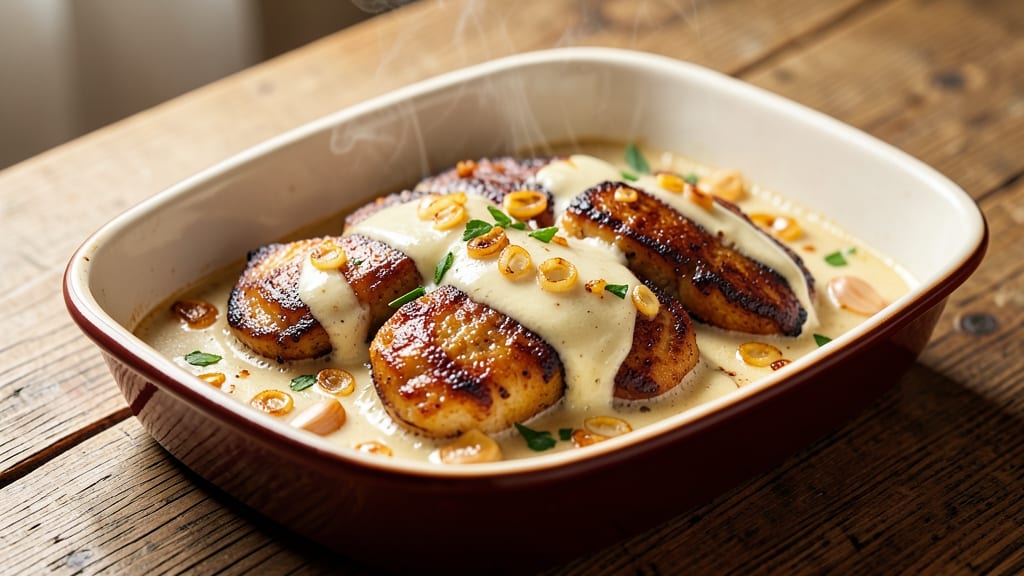
This Southern-style chicken liver and gizzard recipe transforms humble offal into a luxurious, one-pot masterpiece—rich, tender, and brimming with deep, savory flavors. The secret lies in careful preparation and slow braising, which melts connective tissue into velvety perfection while preserving the natural richness of the ingredients.
I’ve refined this technique over years of testing, ensuring every bite delivers that satisfying, hearty texture Southern cooks have perfected for generations.
The process begins with thorough cleaning and marinating to remove any bitterness, followed by a precise sear that locks in flavors before the slow braise. This method guarantees tender, fall-apart meat without requiring specialized equipment—just a heavy pot and patience.
The result is a dish that’s equally at home on a rustic farm table or an elegant dinner setting, where its depth of flavor commands attention.
What you’ll achieve is a dish so rich and satisfying that it transforms offal into a centerpiece—golden-brown edges giving way to tender, juicy interiors swimming in a deeply flavorful braising liquid.
The technique is foolproof once you understand the key steps, and the rewards are worth the effort: a meal that feels both rustic and refined, with every bite offering layers of umami and warmth.
Pair this with buttery cornbread or crusty sourdough to soak up the braising liquid, and serve with a crisp white wine or bold red to complement the dish’s robust character.
The recipe scales effortlessly, making it perfect for gatherings or a special weeknight dinner. Let’s bring this Southern classic to life in your kitchen.
Ingredients for chicken liver and gizzard
Transform humble offal into a luxurious Southern classic with these carefully selected ingredients.
| Ingredient | Amount | Notes |
|---|---|---|
| Chicken Livers 🍗 | 1 ½ lb | Trimmed of connective tissue |
| Chicken Gizzards 🍗 | 1 ½ lb | Cleaned and trimmed |
| Heavy Cream 🥛 | 1 cup | Full-fat for richness |
| Unsalted Butter 🧈 | ½ cup | Cold, cut into pieces |
| Shallots 🧅 | 4 whole | Minced, not sliced |
| Garlic Cloves 🧄 | 8 cloves | Minced, not pressed |
| Dry White Wine 🍷 | 1 cup | Sauvignon Blanc preferred |
| Chicken Stock 💧 | 2 cups | Homemade or high-quality |
| Fresh Thyme 🌿 | ¼ cup | Leaves only, stems removed |
| Fresh Parsley 🌿 | ¼ cup | Chopped, for garnish |
| Diamond Crystal Kosher Salt 🧂 | 1 ½ tsp | Adjust to taste |
| Freshly Ground Black Pepper 🌶️ | ½ tsp | Coarse grind preferred |
| All-Purpose Flour 🌾 | 2 tbsp | For dredging |
| Fresh Lemon Juice 🍋 | 2 tbsp | Bright, not bottled |
The quality of your offal makes all the difference. Butcher shops are ideal for sourcing fresh chicken livers and gizzards—look for pieces that are vibrant red and free of yellowing or discoloration. If grocery store options are your only choice, Whole Foods or Trader Joe's carry the best quality, often pre-trimmed for convenience. The livers should be firm to the touch, while gizzards should feel dense and elastic. For the wine, Sauvignon Blanc provides the crisp acidity needed to balance the richness, but a dry Chardonnay works equally well. Fresh herbs are non-negotiable here—their bright notes cut through the richness, so prioritize farmers market thyme and parsley if possible.
No Sauvignon Blanc on hand? Substitute with dry vermouth or additional chicken stock—just reduce the liquid by 2 tablespoons to maintain balance. Fresh herbs unavailable? Dried thyme at one-third the amount works, but the flavor will be less vibrant. For the flour, all-purpose or bread flour both work, but avoid cake flour as it lacks the necessary protein structure. The lemon juice should be freshly squeezed—bottled juice lacks the brightness and can introduce unwanted preservatives. If you're concerned about bitterness in the offal, soak the livers and gizzards in milk or lemon water for 30 minutes before cooking, then pat them thoroughly dry before dredging.
This dish reheats beautifully, with the braising liquid becoming even more concentrated and flavorful. Store in an airtight container in the refrigerator for up to 4 days, or freeze for 3 months by portioning into individual servings. The offal can be prepped and dredged up to 24 hours ahead, then refrigerated until ready to sear. For optimal texture, avoid overcrowding the pot during the initial sear—work in batches if necessary, and use the rendered fat to build flavor. The finished dish pairs perfectly with crusty sourdough or buttery cornbread to soak up the luxurious braising liquid.
Why You'll Love This Recipe
- One-Pot Magic: I swear by this recipe when I’m too tired to wash a million dishes. The livers and gizzards sizzle in butter with shallots while you prep the rest—no fancy techniques, just a single pan that does all the work.
- Rich, Earthy Depth: That first bite? Pure satisfaction. The creamy heavy cream balances the gizzards’ meaty bite, while the shallots add a sweet, caramelized punch—like a hug for your taste buds, but better than actual hugs (no judgment).
- Budget Feast: Honestly, this recipe stretches my grocery budget without sacrificing flavor. A pound of livers and gizzards feeds four, and the heavy cream makes it feel fancy without breaking the bank—my wallet thanks me every time.
- Leftovers? Even Better: Between us, the second day is often the best. The flavors meld into something even richer, and I’ll often toss them into scrambled eggs or toast them straight from the fridge—zero effort, maximum reward.
Step-by-step instructions for braised chicken liver and gizzard
This method transforms humble offal into a restaurant-worthy centerpiece with deep, caramelized flavors.
Prepare and Sear the Offal
Begin by trimming the 1.5 lb chicken livers and 1.5 lb chicken gizzards of any connective tissue or excess fat. Pat them completely dry with paper towels—this ensures proper searing. In a large Dutch oven, melt the 0.5 cup unsalted butter over medium-high heat until it foams but doesn't brown.
Working in batches to avoid crowding, add the livers and gizzards to the butter. Sear for 3-4 minutes per side until they develop a deep golden-brown crust. Remove the offal and set aside on a plate. The butter should be rich and nutty-smelling, with visible fond clinging to the bottom of the pot—this is flavor you'll capture later.
Build the Flavor Base
In the same Dutch oven, reduce the heat to medium and add the 4 whole shallots and 8 cloves garlic cloves, both minced. Cook for 5-6 minutes until the shallots soften and the garlic becomes fragrant but doesn't brown. Stir frequently to prevent burning—this is where the aromatic foundation forms.
Deglaze the pot immediately by pouring in the 1 cup dry white wine, scraping up all the browned bits from the bottom with a wooden spoon. Let the wine reduce by half—this should take about 3-4 minutes—until it reaches a syrupy consistency. The alcohol will cook off, leaving behind concentrated flavor.
Braise Until Tender
Return the seared offal to the pot. Sprinkle with the 2 tbsp all-purpose flour, tossing to coat evenly. This creates a light crust that helps thicken the sauce later. Pour in the 2 cups chicken stock and add the 0.25 cup fresh thyme leaves. Bring to a gentle simmer, then reduce heat to low and cover partially with a lid.
Simmer for 45-50 minutes, stirring occasionally, until the offal is fork-tender and the sauce has reduced to a velvety consistency. The livers should be just cooked through—overcooking turns them rubbery. If the sauce reduces too quickly, add a splash of water or stock to maintain the proper balance.
Finish with Cream and Brightness
Remove the lid and increase heat to medium. Stir in the 1 cup heavy cream and 0.5 cup unsalted butter, cutting the butter into small pieces as it melts. Simmer for 5-7 minutes until the sauce thickens slightly and coats the back of a spoon. Season with the 1.5 tsp diamond crystal kosher salt and 0.5 tsp freshly ground black pepper, adjusting to taste.
Finish with the 2 tbsp fresh lemon juice, which brightens the rich flavors and cuts through the cream. The sauce should be glossy and cling to the offal like a silky coat. If the sauce is too thick, whisk in a tablespoon of reserved stock or water to reach your desired consistency.
Rest and Serve
Transfer the braised offal and sauce to a serving dish. Let it rest for 10 minutes before serving—this allows the flavors to meld and the sauce to thicken slightly. Garnish with the 0.25 cup chopped fresh parsley just before serving to add a fresh, vibrant contrast to the rich dish.
Serve immediately with crusty bread or over buttered egg noodles to soak up every last drop of that luxurious sauce. The result is a dish that balances earthy depth with bright acidity, transforming simple offal into a luxurious centerpiece worthy of any Southern table.
Pro Tips For Making Chicken Liver And Gizzard
- SEPARATE LIVERS AND GIZZARDS: After trimming fat, soak the gizzards in cold salted water for 30 minutes—this toughens the skin so it crisps instead of turning rubbery. Livers? Skip the soak; just rinse and pat dry. I used to treat them the same, and the gizzards came out like leather.
- START WITH A COLD PAN: Add the butter and shallots to a cold pan, then turn the heat to medium-low. Cooking them slowly keeps the shallots sweet and prevents burning—something that’s happened to me more times than I’d like to admit. If the butter foams too fast, you’ve already lost.
- WATCH THE CREAM’S TEMPERATURE: When adding heavy cream, pull the pan off the heat for 30 seconds first. The residual heat will temper the cream instead of curdling it instantly. I learned this after one disastrous batch where the sauce turned into scrambled eggs.
- USE A MEAT THERMOMETER: Livers and gizzards need to hit 160°F (71°C) internally—no guessing. Overcooking turns them dry; undercooking leaves them raw-tasting. A quick stab with a thermometer is faster than cutting into each piece to check. (Yes, even if you’re impatient like me.)
Make-ahead tips for leftovers
Prep Ahead
Clean and trim the 1.5 lb chicken livers and 1.5 lb gizzards up to 24 hours ahead—store them in an airtight container in the fridge. This step removes the most time-sensitive work from your cooking day.
I like to soak them in milk or lemon water for 30 minutes to mellow any bitterness, then pat them bone-dry before dredging in 2 tbsp all-purpose flour. Keep them refrigerated until ready to sear. 🌿
Partial Cooking
After searing the offal and building the flavor base (Steps 1-2), you can pause here and refrigerate the Dutch oven with its contents for up to 12 hours. When ready to finish, simply reheat over medium-low heat until simmering, then proceed with the braising and cream steps.
This is perfect for meal prep—just add the heavy cream and butter at the end to keep them fresh.
Sauce Prep
Make the braising sauce ahead by combining 2 cups chicken stock, 1 cup dry white wine, 4 minced shallots, 8 minced garlic cloves, and 0.25 cup fresh thyme in a saucepan. Simmer for 20 minutes, then strain and chill.
When ready to cook, simply reheat this pre-made sauce with the offal—it’ll save you 30 minutes of active cooking time. Store in an airtight container for up to 3 days.
Freezer-Friendly
This dish freezes beautifully for up to 3 months. After braising, let it cool completely, then portion into airtight containers with a layer of sauce. When reheating, thaw overnight in the fridge, then warm gently on the stovetop with a splash of water or stock to restore moisture.
The texture remains tender, though the sauce may thicken further—just whisk in a little extra stock if needed. 🧊
Garnish Prep
Chop the 0.25 cup fresh parsley and store it in a small airtight container in the fridge for up to 5 days. The lemon juice can also be pre-measured into a small squeeze bottle for easy finishing.
I keep these prepped ingredients on hand so I can garnish right before serving—it adds that fresh, vibrant pop that makes the dish feel restaurant-quality. 🍋
Equipment Prep
Set up your Dutch oven the night before by placing it in the sink with a little oil inside. This prevents rust and makes morning cleanup easier.
If you’re using a Lodge cast iron Dutch oven, preheat it on the stove for 5 minutes before searing to ensure even heat distribution. For busy mornings, I even pre-measure all spices and liquids into small ramekins—just grab and go when it’s time to cook. ⏰
Nutrition facts
Frequently asked questions
Why do I need to soak the chicken livers and gizzards before cooking?
Soaking in milk or lemon water for 30 minutes removes natural bitterness from the offal, creating a smoother flavor profile. The acidity breaks down surface impurities while keeping the meat tender. Always pat them completely dry afterward to ensure a perfect sear.
Can I substitute white wine with another liquid?
Yes! Use dry vermouth or additional chicken stock (reduce by 2 tbsp to maintain balance). Avoid sweet wines—they'll overpower the dish. For a non-alcoholic version, use apple cider vinegar mixed with water (1:3 ratio). The key is acidity to brighten the rich flavors.
What's the best way to reheat leftovers?
Reheat gently on the stovetop with a splash of water or stock to restore moisture. Microwave reheating can make the sauce greasy—avoid it. For frozen portions, thaw overnight in the fridge first, then warm slowly. The sauce will thicken further upon reheating, so add a little extra stock if needed.
How do I know when the offal is fully cooked?
The livers should be just cooked through (165°F internal temp) and fork-tender with no pink remaining. Gizzards need 45-50 minutes of braising to become tender. Overcooking turns livers rubbery—remove them when they're slightly underdone, then finish with the sauce. A quick taste test is your best guide!
Can I make this recipe without a Dutch oven?
Yes! Use a heavy-bottomed pot or deep skillet. Cast iron works well, but avoid thin stainless steel—it won't distribute heat evenly. The key is maintaining a gentle simmer. If your pot lacks depth, reduce the stock slightly to prevent overflowing during braising.