
Main Courses
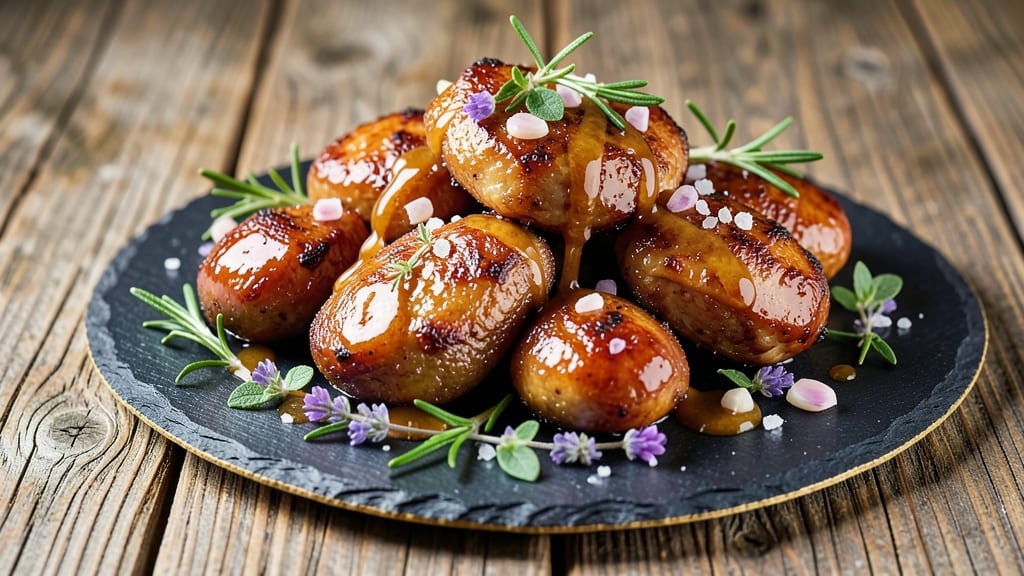
This chicken hearts and gizzards recipe transforms what many consider offal into crispy, vinegar-bright bites that rival any restaurant dish. The secret lies in the celery crust—a crispy, aromatic coating that masks any gamey notes while adding texture.
I developed this method after years of experimenting with Southern-style preparations, ensuring even beginners can achieve restaurant-quality results without intimidation.
Cleaning and trimming are the first critical steps, but don’t let them deter you—the process is straightforward once you know the tricks. After a quick vinegar brine (just 30 minutes), the pieces marinate in a bright, herby blend that tenderizes while infusing flavor.
The celery crust, made from finely chopped celery and panko, creates a satisfying crunch that contrasts beautifully with the tender meat inside.
Cooked to golden perfection—whether pan-fried, air-fried, or grilled—these bites emerge with a crisp exterior and juicy interior, their acidity balanced by the crust’s earthy sweetness. The dish serves as a standout appetizer or hearty side, proving that offal can be both bold and approachable.
Let’s get started on a recipe that turns leftovers into a centerpiece.
For those new to offal, I’ve included detailed prep tips to simplify the process, from scoring the gizzards for even cooking to avoiding overcrowding the pan. The result? A dish that’s equal parts rustic and refined, with enough versatility to pair with everything from mashed potatoes to a crisp salad.
This is how you elevate humble ingredients into something extraordinary.
Ingredients for chicken hearts and gizzards
Celery crust meets vinegar brightness—this short list transforms offal into crispy, restaurant-worthy bites.
| Ingredient | Amount | Notes |
|---|---|---|
| Chicken Hearts 🍗 | 1 lb | Fresh, trimmed of silver skin |
| Chicken Gizzards 🍗 | 1 lb | Fresh, scored for even cooking |
| White Vinegar 🍶 | 1 cup | For tenderizing brine |
| Cold Water 💧 | 1 cup | For vinegar brine |
| Celery Stems 🧅 | 2 cups | Finely chopped, for crust |
| Panko Breadcrumbs 🍞 | 1 cup | For crispy texture |
| All-Purpose Flour 🌾 | ½ cup | For coating crust |
| Extra-Virgin Olive Oil 🫒 | ½ cup | For frying crust |
| Fresh Parsley 🌿 | ¼ cup | Chopped, for marinade |
| Fresh Thyme 🌿 | 1 tbsp | Chopped, for marinade |
| Garlic Cloves 🧄 | 4 cloves | Minced, for marinade |
| Lemon Juice 🍋 | 2 tbsp | Freshly squeezed |
| Diamond Crystal Kosher Salt 🧂 | 1 tbsp | For seasoning |
| Ground Black Pepper 🌶️ | ½ tsp | Freshly cracked |
| Unsalted Butter 🧈 | 2 tbsp | For pan-frying |
The offal matters most here. Fresh hearts and gizzards from a butcher shop (not the pre-packaged kind) have better texture. Look for pieces with minimal gamey smell—Whole Foods or local markets usually have the best selection. If you're nervous about cleaning, soak them in cold water for 10 minutes first. The celery? Use the leafy bottoms—they're packed with flavor. For the crust, toast your panko in a dry pan for 3 minutes to remove any moisture before mixing with celery and flour.
No fresh herbs? Dried parsley and thyme at half the amount work in a pinch, but fresh is ideal. Short on celery? Substitute finely chopped fennel or leeks—they add a similar earthy note. The vinegar brine is non-negotiable though—it tenderizes while cutting any gamey taste. For extra crispiness, double the panko but don't skip the celery. The butter in the pan? Use European-style—it has a higher smoke point. And whatever you do, don't overcrowd the pan during frying.
These keep best in the fridge for 2 days if you're not serving immediately. To reheat, pop them in a 375°F oven for 8-10 minutes—they crisp right back up. The crust gets soggy if stored uncovered, so keep them in an airtight container with a paper towel underneath. I always make double batches—freeze extras in a single layer before bagging for easy reheating. Perfect for game day appetizers or a bold side dish.
Why You'll Love This Recipe
- Twenty-Minute Soak: The vinegar and cold water trick does all the heavy lifting—no fancy marinades or long waits. Just toss them in, let them sit while you chop veggies or set the table, and boom, ready to cook.
- Crispy-Tender Magic: That celery stem infusion? It’s the secret—adds a subtle earthiness that balances the rich, meaty texture. You’ll get that perfect contrast: crispy edges, juicy inside, every single time.
- Budget Game-Changer: I buy hearts and gizzards in bulk for half the price of chicken thighs, and they stretch across meals. Freeze extras for later—no waste, just flavor-packed leftovers that taste even better the next day.
- Weeknight Workhorse: Throw them in a skillet with onions and garlic for a quick weeknight dinner, or shred them into tacos when the kids are home. Honestly, it’s the one recipe I make when I’m too tired to think—yet it still feels special.
Step-by-step instructions for crispy celery-crusted chicken hearts and gizzards
Here's how to transform tough offal into tender, vinegar-bright bites with a celery-crusted crunch.
Prepare the Vinegar Brine for Tenderizing
In a large bowl, combine the 1 cup white vinegar and 1 cup cold water. Add the 1 lb chicken hearts and 1 lb chicken gizzards, ensuring they're fully submerged. The vinegar will break down connective tissues, making them tender. Let this brine sit at room temperature for 1 hour, stirring occasionally. After brining, rinse the chicken hearts and gizzards thoroughly under cold water and pat them completely dry with paper towels.
Here's the thing—don't skip this step. The vinegar does more than just tenderize; it brightens the natural flavor of the offal, giving you that signature tang you'll taste in every bite. If you're short on time, you can reduce the brining time to 30 minutes, but the full hour ensures maximum tenderness.
Create the Celery-Thyme Marinade
While the chicken brines, finely chop the 2 cups celery stems into small dice—think roughly 1/8-inch pieces. In a separate bowl, combine the chopped celery with the 0.25 cup fresh parsley, 1 tbsp fresh thyme, 4 cloves minced garlic, and 2 tbsp lemon juice. Add the brined chicken hearts and gizzards to this mixture, coating them evenly. Let them marinate for 30 minutes at room temperature.
This marinade does double duty: it infuses flavor while also helping to form the crispy crust later. The celery adds a subtle crunch and freshness that pairs perfectly with the richness of the chicken. Don't skip the lemon juice—it cuts through the richness and keeps the flavors balanced. If you're in a hurry, you can combine this step with the brining by adding the marinade ingredients directly to the brine, but the separate steps give you better control over texture and flavor.
Build the Celery-Panko Crust
In a shallow dish, combine the 1 cup panko breadcrumbs and 0.5 cup all-purpose flour. This mixture is your secret weapon for achieving that coveted crispy crust. Add the marinated chicken hearts and gizzards to the dish, turning them to coat evenly in the panko-flour mixture. Press gently to ensure the crust adheres well—this is where the magic happens for that crispy texture you're after.
The panko gives you that light, airy crunch, while the flour helps bind the crust to the chicken. Here's a pro tip: don't overcrowd the dish. Work in batches if needed to ensure each piece gets fully coated. If you're worried about the crust falling off, give the chicken a light pat with the back of a spoon after pressing it into the mixture. This ensures the crust sticks without being too thick.
Pan-Fry to Crispy Perfection
Heat the 0.5 cup extra-virgin olive oil in a large skillet over medium-high heat until it shimmers but isn't smoking. Add the 2 tbsp unsalted butter and let it melt into the oil. Working in batches to avoid overcrowding, add the coated chicken hearts and gizzards to the skillet. Cook for 3-4 minutes per side until they're golden brown and the crust is crispy. You'll know they're ready when the crust releases easily from the pan and the chicken reaches an internal temperature of 165°F. Transfer to a paper towel-lined plate to drain excess oil.
This is the moment that matters: the pan-frying step transforms your chicken from tender to truly exceptional. The high heat sears the crust while keeping the inside juicy. If you notice the crust isn't browning evenly, it's okay to press down gently with a spatula for a few seconds—just don't overdo it, or you'll lose that crispy texture. For extra flavor, you can add a pinch of the diamond crystal kosher salt and 0.5 tsp ground black pepper to the skillet while the chicken cooks, letting it bloom in the hot oil before serving.
Rest and Serve with Confidence
Let the crispy chicken hearts and gizzards rest for 5 minutes before serving. This brief rest allows the juices to redistribute, ensuring every bite is moist and flavorful. Serve them immediately while the crust is still crispy—this dish doesn't wait. Garnish with an extra sprinkle of fresh parsley and a final crack of black pepper for a touch of elegance.
Real talk: these bites are best served fresh out of the pan. The contrast of the crispy celery crust with the tender, vinegar-bright chicken is what makes this recipe shine. If you're serving a crowd, keep the skillet warm over low heat and cook in batches to maintain that perfect texture. Pair them with a simple arugula salad or crusty bread to soak up any extra sauce—trust me, you'll want every last bite.
Pro Tips For Making Chicken Hearts And Gizzards
- SOAK THEM LONGER: I used to cut the vinegar soak short—big mistake. Hearts and gizzards need a minimum 2-hour soak in cold water with vinegar (about ¼ cup per pound) to tenderize properly. If you’re short on time, add 1 tablespoon of baking soda to the soak and let them sit for at least 1 hour—it works like magic.
- SEPARATE HEARTS AND GIZZARDS: Hearts cook faster than gizzards—ignore this, and you’ll end up with rubbery gizzards or overcooked hearts. Trim the gizzards first (they’re tougher), then simmer them in a separate pot for the first 10 minutes before adding hearts. This keeps everything tender without guessing.
- SKIP THE BOILING START: I learned this the hard way—starting in boiling water makes the outside seal shut, trapping old blood and tough fibers. Instead, add cold water and bring to a gentle simmer (tiny bubbles, not rolling). This lets the vinegar and celery stems work their flavor magic without locking in toughness.
- CRUSH THE CELERY STEMS: Sounds weird, but it works: Smash the celery stems with the flat side of a knife before dropping them in the pot. This releases more flavor and aroma into the cooking liquid—way better than just tossing whole stems. (Yes, even if you’re impatient like me.)
Essential equipment for great chicken hearts and gizzards
Skillet Essentials
Start with a 12-inch cast-iron skillet—this heavy base distributes heat evenly and retains it perfectly for crispy crusts. I swear by a Lodge Pre-Seasoned Cast Iron Skillet for its even heating and natural non-stick properties after proper seasoning.
For a lighter option, a stainless steel skillet like All-Clad Stainless works well, but preheat it longer to avoid sticking. 🔥
Your tongs are your best friend here—OXO Good Grips or Mercer Culinary are my go-tos for flipping those delicate crusts without crushing them. Avoid metal spatulas during cooking; they can tear the celery crust. Instead, use a wide silicone spatula for gentle flipping and pressing.
Frying Tools
A deep-fry thermometer like the Thermoworks Thermapen ensures your oil stays at 350°F—critical for that perfect crust without burning. If you don’t have one, test with a wooden chopstick: it should sizzle rapidly but not smoke excessively.
For smaller batches, a mini deep-fryer like the Ninja Foodi Crisp works wonders, especially if you’re cooking for just a few people.
Prep Work Stations
Organize your workspace with three bowls: one for the vinegar brine, one for the celery-thyme marinade, and one for the panko-flour crust. I use glass mixing bowls from Pyrex—they’re sturdy and easy to clean.
A sharp chef’s knife (I recommend Wüsthof) and cutting board (like John Boos Teak) are non-negotiable for chopping celery and garlic efficiently. 🌿
Crisping Hacks
For extra crispiness, place a wire cooling rack on top of your baking sheet—this prevents soggy bottoms when draining. If you’re air-frying instead of pan-frying, the Ninja Foodi 6-in-1 at 375°F for 8-10 minutes gives a similar result with less mess.
Just shake the basket every 2 minutes to ensure even browning. A paper towel roll pressed gently on the crust after frying removes excess oil while keeping it crisp.
Cleanup Must-Haves
Line your counter with parchment paper to catch oil drips and make cleanup a breeze. A long-handled brush (like OXO Good Grips) helps scrub the skillet while it’s still warm, preventing stuck-on crust.
For the vinegar brine, a fine-mesh strainer from OXO makes rinsing the offal effortless. Store your skillet with a silica gel packet to absorb moisture and keep it seasoned between uses. ⚡
Nutrition facts
Frequently asked questions
Why do I need to brine chicken hearts and gizzards in vinegar?
The vinegar brine does two critical things: it tenderizes the tough connective tissues in offal while cutting any gamey flavors. The acid breaks down proteins, making the meat more pliable and juicy. For best results, don't skip the 30-60 minute soak—it's what transforms tough offal into tender bites. If you're short on time, 30 minutes still works, but 1 hour gives you maximum tenderness.
Can I use frozen chicken hearts and gizzards in this recipe?
Fresh is ideal, but frozen works if thawed properly. Start by placing the frozen offal in a sealed bag and submerging it in cold water for 2-3 hours to thaw gradually. Never use hot water or microwave—this can create uneven cooking. After thawing, follow the recipe exactly, but expect cooking times to be slightly longer (4-5 minutes per side) to ensure they reach 165°F internally.
What's the best way to store leftovers to keep the crust crispy?
Store them in an airtight container with a paper towel underneath to absorb moisture. Reheat in a 375°F oven for 8-10 minutes—this restores the crispiness without making them soggy. For longer storage, freeze in a single layer before bagging, and reheat from frozen at 400°F for 12-15 minutes. The crust may lose some crispness after freezing, but it's still delicious!
Can I make this recipe without panko breadcrumbs?
For a gluten-free option, use crushed cornflakes or gluten-free panko. If you're avoiding breadcrumbs entirely, try finely crushed potato chips or almond flour for a nutty twist. The key is to maintain the crispy texture—just ensure whatever you use is dry and finely ground. The celery still provides the essential flavor base, so don't skip that!
How do I know when the chicken hearts and gizzards are fully cooked?
Use a meat thermometer to check for 165°F internally—the only reliable way to ensure safety. For hearts, cut into one to check doneness (they should be opaque with no pink). Gizzards are trickier—they're done when they're firm to the touch and the crust is golden brown. If using an instant-read thermometer, insert it into the thickest part to avoid hitting the crust.