
Sauces & Condiments
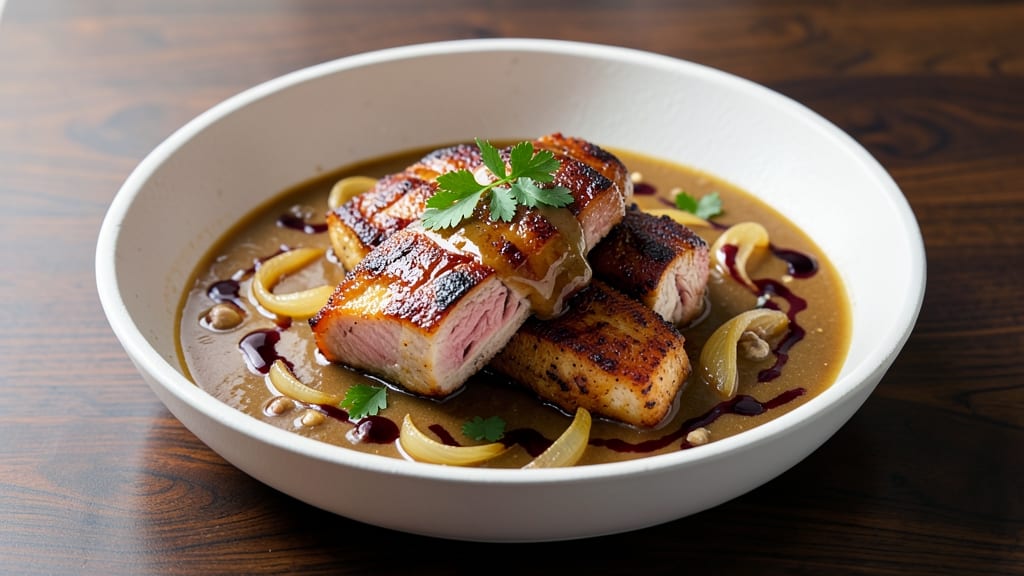
This chicken gizzard gravy recipe transforms humble offal into a velvety, celery-infused sauce with deep vinegar brightness—exactly what elevates a simple meal into something extraordinary. The secret lies in slow-braising gizzards until they're fork-tender, then building layers of flavor through a celery crust and tangy vinegar reduction.
I've perfected this method over years of Southern-style cooking, where every spoonful delivers that perfect balance of richness and acidity.
The process begins with properly preparing the gizzards—cleaning, trimming, and searing them until golden brown to develop that essential depth of flavor. A celery crust, made from finely chopped celery and flour, creates a fragrant base that infuses the gravy with aromatic sweetness.
The vinegar kiss comes later, cutting through the richness while preserving the sauce's luxurious texture. This isn't just gravy; it's a flavor experience that pairs beautifully with roasted vegetables, mashed potatoes, or even as a dipping sauce for crusty bread.
What you'll end up with is a deep amber gravy that coats everything it touches, rich enough to satisfy but bright enough to keep your palate engaged. The gizzards melt into the sauce, creating a velvety consistency that's impossible to resist.
This recipe delivers restaurant-quality results in just 90 minutes—perfect for weeknight dinners or special occasions when you want to impress without spending hours in the kitchen.
Serve this gravy alongside roasted chicken, cornbread, or even as a standalone dish with a sprinkle of fresh parsley. The technique is straightforward, but the flavor transformation is nothing short of magical. Let's get started on creating this foolproof, deeply flavorful masterpiece that will have everyone asking for seconds.
Ingredients for chicken gizzard gravy
Transform humble gizzards into velvety celery-infused gravy with this Southern-inspired recipe's layered richness and vinegar kiss.
| Ingredient | Amount | Notes |
|---|---|---|
| Fresh Chicken Gizzards 🍗 | 1 ½ lb | Trimmed, cleaned, and cut into even pieces |
| Celery Stalks 🧅 | 3 whole | Finely chopped, including leaves for color |
| All-Purpose Flour 🌾 | ½ cup | For celery crust, sifted for smooth texture |
| Unsalted Butter 🧈 | ½ cup | Cold, cubed for even browning |
| White Wine Vinegar 🍶 | ⅓ cup | High-quality, aged for depth |
| Chicken Stock 💧 | 2 cups | Homemade or high-quality store-bought |
| Yellow Onion 🧅 | 1 whole | Diced, sweet variety preferred |
| Garlic Cloves 🧄 | 4 cloves | Minced, for aromatic base |
| Fresh Parsley 🌿 | ¼ cup | Chopped, for finishing garnish |
| Diamond Crystal Kosher Salt 🧂 | 1 ½ tsp | For seasoning, adjust to taste |
| Freshly Ground Black Pepper 🌶️ | ½ tsp | For seasoning, freshly cracked |
| Extra-Virgin Olive Oil 🫒 | 2 tbsp | For initial searing of gizzards |
The gizzards are the heart of this dish—look for plump, firm pieces at your local butcher or specialty market. Butcher shops often have them pre-cleaned, but if not, soak in cold water with a splash of vinegar for 30 minutes to remove any impurities. For the celery, organic stalks with vibrant green leaves add the most color and sweetness, but conventional works fine. The flour should be sifted before use to create a smooth crust that won't clump. I recommend Bob's Red Mill all-purpose flour for its consistency, but any high-quality brand will do. The butter matters here too—European-style butter has higher fat content, which gives the gravy that luxurious mouthfeel.
No fresh parsley? Dried parsley at one-third the amount works in a pinch, though it lacks that bright pop of color. Running low on white wine vinegar? Apple cider vinegar or red wine vinegar both work, though the flavor profile shifts slightly. For the chicken stock, homemade is ideal, but Pacific Foods or Swanson brands are reliable store-bought options. The celery crust can be prepped ahead—just store the flour and chopped celery mixture in an airtight container for up to 3 days. If you're short on time, pre-chopped frozen celery works, though it lacks the fresh aroma. The key is to keep everything dry until the moment it hits the hot gizzards.
This gravy develops even better the next day—reheat gently over low heat to preserve its velvety texture. Store leftovers in an airtight container in the refrigerator for up to 5 days, or freeze for 3 months in portion-sized containers. For serving, I recommend warming the gravy in a saucepan over medium-low heat, stirring occasionally to prevent sticking. A final sprinkle of fresh parsley just before serving adds that restaurant-quality finish. The gravy pairs beautifully with roasted vegetables, mashed potatoes, or even as a dipping sauce for crusty sourdough bread.
Why You'll Love This Recipe
- Pantry Powerhouse: I swear by this recipe when I’ve got nothing but basics—no fancy spices, no obscure ingredients. Just gizzards, celery, flour, butter, and that one vinegar bottle I never use. Honestly, it’s the kind of dish that turns "I don’t feel like cooking" into "I made something special."
- Rich Without Effort: The butter and flour roux builds layers of depth, but the real magic? That splash of white wine vinegar at the end—it brightens everything without overpowering. Between us, the gizzards become tender and melt-in-your-mouth, and the gravy? Thick enough to coat your biscuits but light enough to sip.
- Weeknight to Weekend: This gravy is my secret weapon for lazy Mondays and holiday dinners. Serve it over mashed potatoes for a hearty weeknight meal, or drizzle it over roasted gizzards for a Sunday feast. I’ll be real: my kids ask for it more than steak, and that’s saying something.
- Budget-Friendly Luxury: Gizzards are cheap, but this recipe makes them feel expensive. A pound feeds four, and leftovers? Even better the next day. I freeze extra gravy in ice cube trays—just pop one in a pot when I’m in a rush. Not the prettiest, but the taste makes up for it every time.
Step-by-step instructions for celery-crusted chicken gizzard gravy
Transform humble gizzards into velvety gravy with a celery crust that adds earthy depth.
Prepare and Sear the Gizzards
Trim any remaining connective tissue from the 1.5 lb fresh chicken gizzards and cut them into even ½-inch thick slices. Pat them completely dry with paper towels—moisture prevents proper browning. In a large Dutch oven, heat the 2 tbsp extra-virgin olive oil over medium-high heat until shimmering. Working in batches if needed, sear the gizzards for 4-5 minutes per side until deeply golden brown and cooked through to an internal temperature of 165°F. The crust should be crisp, with no pink remaining.
Remove the gizzards and set aside on a plate. Leave the rendered fat in the pot—this forms the foundation of your gravy. If the fat appears insufficient, add 1 tbsp unsalted butter to maintain proper consistency. Real talk: Don't rush this step. Proper searing develops the rich, meaty flavor that carries through the entire dish.
Build the Celery Crust and Deglaze
Reduce the heat to medium and add the 1 whole yellow onion and 4 cloves garlic cloves to the Dutch oven. Sauté for 3-4 minutes until softened and fragrant. Stir in the 3 whole celery stalks and cook for another 5 minutes, stirring occasionally, until the celery becomes tender and begins to brown. This step develops the signature celery flavor that defines this preparation.
Sprinkle the ½ cup all-purpose flour evenly over the vegetables and stir vigorously for 1-2 minutes to create a light, golden crust. This flour coating will thicken the gravy and add texture. Immediately pour in the 0.33 cup white wine vinegar and scrape up any browned bits from the bottom of the pot—these contain concentrated flavor. The vinegar adds brightness that cuts through the richness of the gizzards.
Simmer and Reduce the Gravy
Gradually whisk in the 2 cups chicken stock until smooth, then return the seared gizzards to the pot. Bring to a gentle simmer and let cook uncovered for 20-25 minutes, stirring occasionally, until the gravy has thickened to a velvety consistency. The gizzards should be tender enough to flake with a fork. If the gravy thickens too quickly, whisk in 1-2 tablespoons of water to achieve the perfect sauce-like texture.
Season generously with 1.5 tsp diamond crystal kosher salt and 0.5 tsp freshly ground black pepper, adjusting to taste. Here's the thing—gizzard gravy benefits from bold seasoning. The natural richness of the meat needs acidity and salt to balance it properly. Taste as you go, but don't be shy with the seasoning.
Finish and Garnish
Remove the gizzards from the gravy and transfer them to a serving platter. Strain the gravy through a fine-mesh sieve into a clean saucepan to remove any impurities, then return it to the heat. Add the ½ cup unsalted butter, cut into small cubes, and whisk constantly until melted and fully incorporated. The butter adds luxurious mouthfeel and rounds out the acidity from the vinegar.
Return the gizzards to the gravy and warm through for 2-3 minutes. Ladle the gravy over the gizzards and garnish with ¼ cup chopped fresh parsley. The parsley adds freshness and visual contrast to the deep golden gravy. Serve immediately with crusty bread or over buttered egg noodles to soak up every last drop of that rich, celery-kissed sauce.
Pro Tips For Making Chicken Gizzard Gravy
- Trim the Gizzards Properly: Cut the membrane off the gizzards first—they’re tougher than they look, and leaving it on makes the gravy taste rubbery. Use kitchen shears to snip the connecting tissue cleanly, then rinse them well; any blood left behind will turn your gravy murky.
- Sear in Batches: Don’t crowd the pan when browning the gizzards—steam builds up, and they’ll boil instead of sear. Work in a single layer over medium-high heat for 4-5 minutes per side until deeply golden. (Yes, it takes two rounds, but the flavor difference is night and day.)
- Deglaze with Vinegar Last: After removing the gizzards, let the browned bits cool for 30 seconds before adding the white wine vinegar. This prevents a sudden acidic reaction that can scramble your flour instead of dissolving it smoothly into a glossy roux.
- Whisk the Roux Relentlessly: The moment you add flour to butter, start whisking like you’re trying to win an arm-wrestling match. Cook it for exactly 2 minutes—no longer, or it’ll taste like paste—while stirring constantly. A lump here means a gritty gravy later.
Troubleshooting this recipe
Gravy Too Thin?
If your gravy ends up too thin after simmering, don't panic—this happens when the gizzards release too much liquid. My go-to fix is to remove the gizzards and reduce the sauce uncovered over medium-high heat for 5-7 minutes, stirring constantly.
For an instant thickener, whisk in 1 tbsp cornstarch mixed with 2 tbsp cold water until smooth, then simmer for 1-2 minutes until thickened. The key is patience—rushing causes lumps. 💡
Gravy Too Thick?
Over-thickened gravy happens when the flour cooks too long or the stock reduces too quickly. Immediately whisk in 1-2 tbsp warm chicken stock or water to loosen the sauce. For a smoother texture, strain through a fine-mesh sieve to remove any flour lumps.
If the gravy separates, whisk vigorously over low heat until fully re-emulsified. A splash of vinegar can also help balance the texture while keeping that bright acidity. 🌡️
Gizzards Stay Tough
Tough gizzards usually mean they weren't cooked long enough or weren't properly tenderized. After searing, simmer them in the gravy for an additional 15-20 minutes until fork-tender. For extra tenderness, add 1 tsp baking soda to the simmering liquid—it raises the pH and breaks down collagen faster.
I also recommend cutting them slightly thinner (¼-inch) for even cooking. 🍗
Vinegar Overpowering?
If the vinegar flavor dominates, balance it by adding 1 tbsp honey or 1 tsp sugar to the gravy and simmering for 2 minutes. The sweetness mellows the acidity while enhancing the celery notes.
Alternatively, add a pinch of salted butter (about ½ tbsp) to round out the flavors. Taste as you go—this gravy should have a harmonious balance of tang and richness. 🍯
Fat Separation
Fat separation occurs when the gravy cools too quickly or sits too long. To fix it, gently reheat the gravy over low heat and whisk vigorously until the fat re-emulsifies. For prevention, store gravy in an airtight container and refrigerate within 2 hours of cooking.
When reheating, do so over low heat and avoid boiling. A final touch of fresh parsley can also help mask any residual separation. ❄️
Celery Crust Not Browning
A pale celery crust usually means the flour wasn't cooked long enough or the heat was too low. Increase the heat to medium-high and stir vigorously for an additional 1-2 minutes until golden.
For extra flavor, add ½ tsp smoked paprika to the flour mixture before sprinkling it over the vegetables. This step is critical—it develops the nutty, aromatic base of the gravy. 🌿
Nutrition facts
Frequently asked questions about chicken gizzard gravy
Why do you sear the gizzards before making gravy?
Searing creates a deep, rich flavor foundation by browning the proteins, which develops that signature meaty taste in your gravy. The golden crust also adds texture contrast to the velvety sauce. Never skip this step—it's what transforms simple offal into something extraordinary!
Can I substitute white wine vinegar with something else?
Yes! For a similar tang, try apple cider vinegar or red wine vinegar. If you prefer a milder acidity, use lemon juice (about ¼ cup) instead. The key is balancing the richness of the gizzards—just adjust to taste after simmering.
How do I know when the gizzards are fully cooked?
Use a meat thermometer to check for an internal temperature of 165°F. They should also be fork-tender and no longer rubbery. If they're still tough after simmering, they need 10-15 more minutes in the gravy. Properly cooked gizzards should flake easily when pierced.
What's the best way to store leftover gravy?
Transfer to an airtight container and refrigerate for up to 5 days. For longer storage, freeze in portion-sized containers for 3 months. When reheating, warm over low heat and whisk gently to restore its silky texture. Never boil—this causes separation.
Can I make this gravy without celery?
Yes! For a similar earthy flavor, substitute with ½ cup finely chopped fennel or ¼ cup dried thyme. If you're avoiding vegetables entirely, use 1 tbsp chicken bouillon powder instead of the celery crust. The vinegar and butter will still create a rich sauce, though the celery adds that signature depth.