
Main Courses
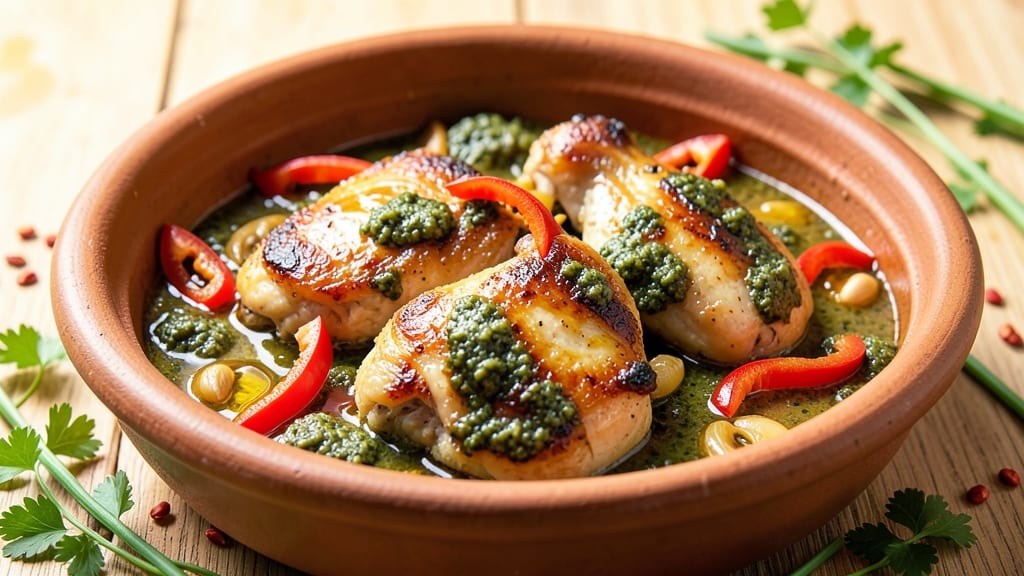
This chicken egusi recipe brings the rich, nutty flavors of West Africa to your kitchen with a sauce so velvety it transforms simple chicken into a restaurant-worthy centerpiece.
The secret lies in properly toasting the egusi seeds until they release their deep, earthy aroma—this step alone makes all the difference between ordinary and extraordinary. I first discovered this dish during a visit to Nigeria, where it was served at family gatherings as both a celebration and a comfort.
The dish combines tender chicken with a sauce thickened by ground egusi seeds and peanut butter, creating a texture that's simultaneously creamy and slightly grainy. The process requires patience—allowing the sauce to simmer for at least 45 minutes develops layers of flavor that can't be rushed.
Traditional recipes often include leafy greens like spinach or bitterleaf, but I've included a simpler version that still delivers authentic taste without overwhelming prep.
What you'll end up with is a dish that's hearty enough for a Sunday dinner but flexible enough for weeknights. The chicken stays moist and flavorful, while the sauce clings to every bite with its nutty, slightly sweet profile.
Serve it with jollof rice for a complete meal, or pair it with fufu or pounded yam for the full West African experience. This recipe is where tradition meets home cooking—rich, satisfying, and impossible to resist.
For those new to egusi, I'll share tips on where to find it (most African markets carry it, or you can order online) and how to properly toast it without burning. The key to success is balance—too much peanut butter makes the sauce heavy, while too little leaves it thin.
Let's get cooking, and prepare for a dish that will become a staple in your home.
Ingredients for chicken egusi
Fourteen ingredients, one unforgettable flavor experience—West African comfort in every bite.
| Ingredient | Amount | Notes |
|---|---|---|
| Chicken Thighs 🍗 | 1 ½ lb | Bone-in, skin-on preferred |
| Egusi Seeds 🌾 | 1 cup | Raw, unground, toasted until fragrant |
| Peanut Butter 🥜 | ½ cup | Natural, unsweetened, creamy |
| Fresh Red Bell Pepper 🌶️ | 1 whole | Seeded, chopped |
| Onion 🧅 | 1 whole | Yellow or red, chopped |
| Garlic Cloves 🧄 | 5 cloves | Peeled, minced |
| Tomato Paste 🍅 | ½ cup | Smooth, no added salt |
| Vegetable Oil 🫒 | ¼ cup | For toasting seeds |
| Groundnut Oil 🫒 | ¼ cup | Or substitute vegetable oil |
| Chicken Bouillon Cubes 💧 | 2 whole | Dissolved in 1 cup water |
| Fresh Cilantro 🌿 | ¼ cup | Chopped, for garnish |
| Salt 🧂 | 1 ½ tsp | Adjust to taste |
| Ground Black Pepper 🌶️ | ½ tsp | Freshly ground |
| Scotch Bonnet Pepper 🌶️ | 1 whole | Seeded, chopped (adjust for heat) |
Egusi seeds are the heart of this dish, and finding them can be an adventure. Most African markets carry them in bulk, but if you're not near one, African grocery stores or online retailers like AfricanFoodsDirect.com ship them quickly. Look for seeds that are uniformly dark and smell nutty—not musty. Toasting them is crucial: spread them on a dry skillet over medium heat for 5-7 minutes, stirring constantly until they're fragrant but not burnt. Don’t rush this step—the aroma alone transforms the dish. I usually buy a larger bag and toast what I need for the recipe, storing the rest in an airtight container for up to 6 months.
No egusi? Substitute with pumpkin seeds, but the flavor won’t be identical—egusi’s earthy, nutty profile is unique. Running out of peanut butter? Almond butter or tahini work in a pinch, though the texture will differ slightly. The Scotch bonnet can be swapped for jalapeño or habanero if you prefer milder heat, but traditionalists swear by the authentic bite. For the bouillon, homemade chicken stock elevates the dish, but cubes are fine for convenience. Fresh cilantro? Dried works at half the amount, but fresh brightens the dish beautifully. And if you’re short on time, pre-chopped bell peppers and onions from the store save minutes without sacrificing flavor.
This sauce tastes even better the next day—make extra and store it in the fridge for up to 5 days. The texture thickens as it sits, so add a splash of water or broth when reheating. For longer storage, freeze portions in ice cube trays, then transfer to a bag. Label with the date—it keeps for 3 months. The chicken reheats beautifully too, though it’s best served fresh if you can. Pro tip: Save the leftover toasted egusi seeds—they’re perfect for sprinkling on soups or stews later. And if you’re serving with jollof rice, cook it in advance—the flavors meld even better after a night in the fridge.
Why You'll Love This Recipe
- Same dish, different vibes: quick weeknight dinner with rice or a showstopper for guests when I double the batch. The red bell pepper keeps it fresh and bright, no matter the occasion.
- No-Fuss Pantry Staples: I swear by this recipe because it uses things I already have—egusi seeds, peanut butter, and onions. No fancy ingredients, just real flavor from what’s already in my cupboard.
- Peanut Butter Magic: That creamy peanut butter isn’t just for sandwiches—it adds a rich, nutty depth that balances the earthy egusi and tender chicken. Honestly, it’s the secret weapon.
- Weeknight to Gatherings: Same dish, different vibes: quick weeknight dinner with rice or a showstopper for guests when I double the batch. The red bell pepper keeps it fresh and bright, no matter the occasion.
Step-by-step instructions for chicken egusi stew
Here's how to create this rich, nutty stew with tender chicken and aromatic seeds.
Prepare the Chicken and Toast the Egusi Seeds
Pat the 1.5 lb chicken thighs dry with paper towels and season both sides generously with 1 tsp of the 1.5 tsp salt and 0.25 tsp of the 0.5 tsp ground black pepper. Set aside while you prepare the egusi seeds.
Heat the 0.25 cup vegetable oil in a large pot over medium heat. Add the 1 cup raw egusi seeds and toast them for 3-4 minutes, stirring constantly. You'll notice the seeds start to darken slightly and release a nutty aroma - this is your cue they're ready. Immediately remove from heat and set aside in a bowl to cool slightly while you prepare the remaining ingredients.
Build the Flavor Base with Aromatics and Sauce
In the same pot, add the 0.25 cup groundnut oil and heat over medium heat. Add the chopped 1 whole onion and cook for 5 minutes until softened and translucent. Add the 5 minced garlic cloves and chopped 1 whole fresh red bell pepper, cooking for another 3 minutes until the garlic becomes fragrant and the peppers soften.
Stir in the 0.5 cup tomato paste and cook for 2 minutes until it darkens slightly. Add the 1 chopped scotch bonnet pepper and cook for 1 more minute. This step develops the deep, complex flavors that make this stew special.
Create the Nutty Peanut Sauce
Reduce heat to low and gradually whisk in the 0.5 cup peanut butter, adding it slowly to prevent clumping. Stir continuously for 2-3 minutes until the peanut butter melts completely and the sauce becomes smooth and creamy. This is where the rich, nutty flavor develops - don't rush this step.
Add the toasted 1 cup egusi seeds back to the pot along with the 2 chicken bouillon cubes dissolved in 1 cup water. Stir well to combine all ingredients. The mixture should thicken slightly as it simmers.
Cook the Chicken to Tender Perfection
Add the seasoned chicken thighs to the pot, spooning some of the sauce over each piece. Bring to a gentle simmer and cover partially. Cook for 25-30 minutes, turning the chicken occasionally, until it's cooked through and the meat is fork-tender. You'll know it's ready when the chicken releases easily from the bone and the sauce has thickened to a rich consistency.
Remove the chicken from the pot and set aside. Skim any excess fat from the sauce if desired, then return the sauce to a gentle simmer. Add the remaining 0.5 tsp salt and 0.25 tsp ground black pepper, adjusting to taste. The sauce should coat the back of a spoon with a velvety texture.
Finish and Serve
Return the chicken to the pot and let it absorb the sauce for 2-3 minutes. Stir in the chopped 0.25 cup fresh cilantro just before serving. The bright green color will contrast beautifully with the rich sauce and tender chicken.
Serve immediately with your choice of sides like jollof rice or pounded yam. Each bite should offer a perfect balance of tender chicken, nutty egusi seeds, and creamy peanut butter sauce. The heat from the scotch bonnet will add just the right amount of spice to complement all the rich flavors.
Pro Tips For Making Chicken Egusi
- Toast Your Peanut Butter: I used to just mix peanut butter into the stew like it was any other ingredient—until I realized it needs to sing. Heat 1 tablespoon of oil in a pan, add 2 tablespoons of peanut butter, and stir constantly on medium-low for 2-3 minutes until it turns a rich golden brown. This banishes that raw, chalky aftertaste and deepens the nutty flavor. (Yes, even if you're impatient like me, resist the urge to rush it.)
- Blend Egusi Wet: Dry-blending egusi seeds creates a cloud of dust that’ll have you coughing and wasting half your batch. Instead, add a splash of water or stock to the seeds before blending—just enough to hold them together. This keeps the powder contained, makes it easier to measure, and prevents the gritty texture that ruins the stew’s silkiness. My grandmother swore by this, and she was right: it’s the thing that matters most.
- Brown Chicken First: Skipping this step turns your chicken into a sad, pale mush swimming in sauce. Pat the thighs very dry, then sear them skin-side down in a hot pot for 5-6 minutes until the skin crisps and releases. Flip briefly, then remove—the residual fat will flavor the onions and peppers while you build the base. Crowd the pan now, and you’ll steam the chicken instead of browning it. (Your future self will thank you.)
- Simmer Low and Slow: After adding the blended egusi and peanut butter, resist the urge to crank the heat to boil it off fast. Let the stew simmer gently for at least 20 minutes—this lets the flavors meld and the egusi release its nutty depth without turning bitter. I learned this the hard way when I rushed it and ended up with a dish that tasted more like peanut butter soup than a rich, layered stew. Patience here makes a real difference.
Serving suggestions for this dish
Jollof Rice Pairing
This dish shines brightest with West African jollof rice, its tomato-based sauce absorbing the rich flavors of the egusi stew perfectly. I always cook a batch of jollof in advance—its smoky, slightly spicy profile balances the nutty depth of the chicken.
For extra authenticity, use palm oil in the rice instead of vegetable oil. Serve in the same pot to let guests scoop up both chicken and sauce together. 🌶️
Pounded Yam or Fufu
For a traditional experience, pair your chicken egusi with pounded yam or fufu, both of which act like sponges for the sauce. My go-to is fufu made from cassava and plantains—its smooth, dough-like texture contrasts beautifully with the stew's nutty bite.
If you're short on time, garri (cassava flakes) cooked with water creates a quick alternative. 🥔
Garnish Like a Pro
Fresh cilantro and a sprinkle of toasted egusi seeds elevate presentation instantly. I also like adding thinly sliced scallions for brightness and a few fried plantain slices on top for crunch.
For a restaurant-worthy touch, drizzle with groundnut oil just before serving. The visual contrast makes every bite feel special. 🌿
Spicy Sidekicks
Add a spicy pepper sauce or shito (African black pepper sauce) on the side for guests who crave extra heat. I recommend Mama's African Hot Sauce or homemade shito made with black pepper, locust beans, and palm oil.
These sauces cut through the richness while adding authentic flavor layers. 🌶️
Beverage Pairings
Cool down the meal with zobo drink (hibiscus tea) or ginger beer, both popular in West Africa. For a non-alcoholic option, mango juice with a splash of lime brightens the palate.
If you prefer beer, a light lager like Star Beer or Guinness complements the dish without overpowering it. 🍹
Leftovers Strategy
This stew tastes even better the next day—store leftovers in airtight containers for up to 5 days. Reheat gently with a splash of water or broth to restore its creamy texture.
I often serve it cold as a hearty lunch with warm bread or plantain chips for a completely different experience. 💡
Nutrition facts
Frequently asked questions
What makes this chicken egusi recipe different from regular chicken stew?
The magic lies in the toasted egusi seeds and peanut butter base, creating a uniquely nutty, creamy sauce that's richer than traditional stews. Unlike standard recipes, this version simmers for 45+ minutes to develop deep, earthy flavors from the seeds, while the peanut butter adds a velvety texture that clings perfectly to the chicken. The combination of Scotch bonnet and tomato paste also gives it a distinct West African heat profile.
Can I substitute pumpkin seeds instead of egusi?
Yes, but expect a milder, less authentic flavor. Pumpkin seeds lack egusi's distinctive earthy, nutty depth, though they'll still thicken the sauce. For best results, use 1.25 cups pumpkin seeds (toasted) and add 1 tablespoon groundnut oil to compensate for the missing richness. The texture will be slightly grainier, but the dish will still taste delicious.
Why does my sauce turn out too thin?
This usually happens from one of three issues: under-toasting the egusi seeds (they need to darken slightly), not simmering long enough (at least 45 minutes is ideal), or adding too much liquid. Fix it by removing the chicken, then simmering the sauce uncovered for 10-15 minutes to reduce. For extra thickness, mix 1 tablespoon toasted egusi seeds with 1 teaspoon cornstarch and stir into the sauce.
Is this recipe spicy enough for heat lovers?
The Scotch bonnet provides moderate heat, but you can easily adjust it. For extra spice, add 1 extra chopped Scotch bonnet (seeds removed) or 1 tablespoon African shito sauce at the end. If you prefer milder heat, reduce the Scotch bonnet to half a pepper or swap for jalapeño. Always taste before serving!
What's the best way to reheat leftovers?
Reheat gently on low heat with 2-3 tablespoons water or broth to restore creaminess. Never microwave directly—this makes the sauce greasy. For best results, warm in a pot for 5-7 minutes, stirring occasionally. The sauce will thicken further as it sits, so add liquid gradually. Store leftovers in airtight containers for up to 5 days.