
Main Courses
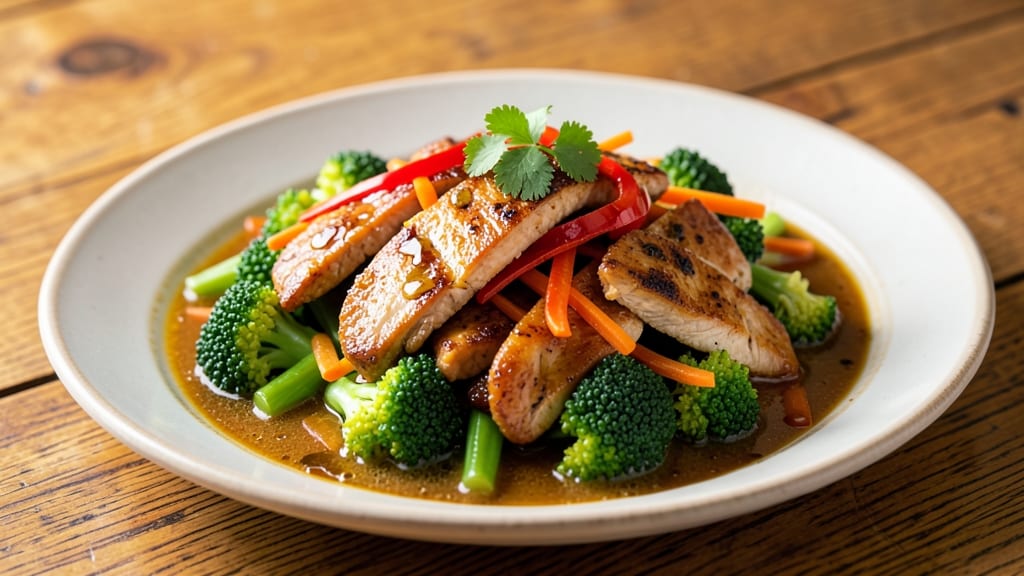
Transforming weeknight dinners into restaurant-quality meals doesn't require hours in the kitchen—just a one-pan Campbell's chicken stir fry that delivers bold flavors in under 30 minutes. This recipe combines the convenience of Campbell's broth with classic stir-fry techniques, creating a protein-packed meal that's as satisfying as it is quick.
The secret lies in balancing simplicity with depth: tender chicken breast cut into quick-cooking strips, crisp vegetables that hold their texture, and a sauce made richer with Campbell's broth instead of just water.
I've perfected this method to ensure every bite delivers that perfect harmony of savory, slightly sweet, and umami-packed flavors without requiring specialty ingredients or advanced skills.
What you'll end up with is a vibrant, aromatic stir fry where the chicken stays juicy and tender, the vegetables retain their crisp bite, and the sauce clings perfectly to each piece.
The best part? It all comes together in one pan, making cleanup nearly effortless while delivering restaurant-quality results that your family will ask for again and again.
Serve it over steamed jasmine rice or noodles for a complete meal, or keep it as-is for a lighter option. The recipe is designed to be adaptable—swap in shrimp or tofu for the chicken, adjust the spice level to your preference, or add your favorite stir-fry vegetables. Let's get cooking!
Ingredients for campbell's chicken stir fry
Quick, protein-packed, and packed with bold flavors—this one-pan stir fry delivers restaurant-quality results.
| Ingredient | Amount | Notes |
|---|---|---|
| Boneless, Skinless Chicken Breast 🍗 | 1 ½ lb | Cut into 1-inch strips |
| Campbell's Chicken Broth 🍲 | 1 cup | Low-sodium preferred |
| Extra-Virgin Olive Oil 🫒 | 2 tbsp | For high-heat searing |
| Red Bell Pepper 🌶️ | 1 medium | Sliced into thin strips |
| Carrots 🥕 | 2 medium | Julienned into matchsticks |
| Broccoli Florets 🥦 | 2 cups | Cut into bite-sized pieces |
| Garlic Cloves 🧄 | 3 cloves | Minced for aromatic base |
| Fresh Ginger 🌿 | 1 tbsp | Grated, fresh preferred |
| Soy Sauce 🍶 | 2 tbsp | Low-sodium preferred |
| Honey 🍯 | 1 tbsp | For subtle sweetness |
| Sesame Oil 🫒 | 1 tsp | For finishing aroma |
| Diamond Crystal Kosher Salt 🧂 | ½ tsp | For seasoning |
| Ground Black Pepper 🌶️ | ¼ tsp | Freshly ground preferred |
| Toasted Sesame Seeds 🥜 | 1 tbsp | For garnish |
| Green Onions 🧅 | 2 whole | Sliced for garnish |
The chicken breast is your star here. Buy the freshest you can find—look for packages labeled 'premium' or 'enhanced' at Whole Foods or your local butcher for better texture. Cutting it into 1-inch strips ensures even cooking. The Campbell's Chicken Broth is a game-changer—it adds that restaurant-style depth without needing specialty ingredients. Trader Joe's carries a great low-sodium version if you want to reduce salt content. For the vegetables, freshness matters most—broccoli should snap when bent, and bell peppers should be firm with vibrant color. If you're short on time, frozen stir-fry veggie mixes work too (just thaw and drain well).
No Campbell's broth? Substitute with equal parts chicken broth and water, but add 1 tbsp soy sauce to mimic the umami. Swapping chicken for shrimp? Use peeled and deveined shrimp—they cook faster, so reduce stir-fry time by half. The ginger can be subbed with 1/2 tsp ground ginger, but fresh has more punch. For extra heat, add 1/2 tsp red pepper flakes or a dash of sriracha. The honey balances the soy sauce—if you're avoiding it, maple syrup works too. And if you're out of sesame oil, toasted peanut oil gives a similar nutty finish.
This stir fry reheats beautifully—just add a splash of water to the pan and warm through. Keeps 3-4 days in the fridge, or freeze portions for up to 3 months. I double the recipe and freeze half for lazy nights. For extra crispiness, pat all veggies dry with paper towels before cooking. The sesame seeds and green onions can be added fresh after reheating for that restaurant-fresh look.
Why You'll Love This Recipe
- One-Pan Magic: I swear by this recipe—just chicken, broth, and veggies in one skillet. No chopping board chaos, no extra pots, and that Campbell’s broth? It’s the secret sauce that turns everything into a savory, umami-packed hug.
- Broth-Powered Depth: That chicken broth isn’t just flavor—it’s the backbone. The carrots soften into sweet, melt-in-your-mouth strands while the bell peppers stay crisp, all swimming in a sauce that’s rich but never heavy. Honestly, it’s the kind of taste that makes you pause mid-bite.
- Lunchbox Hero: Between us, this is my go-to for meal prep. Toss the stir fry into containers, and it’s ready to grab for lunch or a quick dinner. The chicken stays juicy, the veggies hold their shape, and it reheats like a dream—no sad, rubbery leftovers here.
- Budget-Friendly Feast: Chicken breast and bell peppers stretch further than you’d think, especially with broth doing the heavy lifting. I’ve fed four people for under $10, and we’re all still asking for seconds. Not the fanciest meal, but it’s solid, reliable, and won’t break the bank.
Step-by-step instructions for Campbell's chicken stir fry
Here's how to make this protein-packed stir fry in under 30 minutes with minimal cleanup.
Prep and Sear the Chicken
Cut the 1.5 lb boneless, skinless chicken breast into 1-inch strips—this ensures even cooking. Pat them dry with paper towels to remove excess moisture, which helps the chicken develop a better sear. Heat 2 tablespoons extra-virgin olive oil in a large skillet or wok over medium-high heat until shimmering but not smoking.
Add the chicken strips in a single layer, being careful not to overcrowd the pan. Let them sear undisturbed for 2-3 minutes per side until golden brown and cooked through. You'll know they're ready when the edges turn crispy and the internal temperature reaches 165°F. Transfer the cooked chicken to a plate and set aside—it'll stay warm while you prep the rest of the ingredients.
Stir-Fry the Vegetables
In the same skillet (no need to wipe it clean—the browned bits add flavor), add the 2 tablespoons soy sauce, 1 tablespoon honey, and 1 teaspoon sesame oil. Stir to combine, then add the 1 medium red bell pepper (sliced into thin strips), 2 medium carrots (julienned into matchsticks), and 2 cups broccoli florets. Stir-fry for 4-5 minutes until the vegetables begin to soften but still retain a crisp bite.
Add the 3 cloves minced garlic and 1 tablespoon grated fresh ginger. Stir-fry for another 1-2 minutes until the garlic becomes fragrant and the ginger releases its aroma. The vegetables should be tender-crisp but still vibrant in color. If the pan starts to dry out, add 2-3 tablespoons of the Campbell's chicken broth to deglaze and keep everything moist.
Combine and Finish
Return the seared chicken to the skillet and stir everything together. Add the remaining 1 cup Campbell's chicken broth and bring the mixture to a gentle simmer. Let it cook for 2-3 minutes until the sauce thickens slightly and coats the ingredients. Taste and adjust the seasoning with 0.5 teaspoon Diamond Crystal kosher salt and 0.25 teaspoon ground black pepper if needed.
Turn off the heat and drizzle in the 1 teaspoon sesame oil for a final aromatic touch. Garnish with 1 tablespoon toasted sesame seeds and 2 sliced green onions for color and texture. Serve immediately over steamed rice or quinoa for a complete meal.
Pro Tips For Making Campbell'S Chicken Stir Fry
- CRISP THE CHICKEN FIRST: Cut the chicken into 1-inch strips and sear them in olive oil over medium-high heat until golden—about 4-5 minutes per side. I learned this the hard way: skipping the sear means the broth will turn into a sad, watery sauce instead of a rich, flavorful base. Let the chicken rest for 5 minutes after cooking, or it’ll dry out when the broth hits.
- CHOP VEGGIES UNIFORM: Dice the red bell pepper and carrots into ½-inch pieces—no bigger, no smaller. I used to eyeball it, but uneven sizes mean some veggies get mushy while others stay crunchy. A sharp knife and steady hand make this faster than you’d think (yes, even if you’re impatient like me).
- SAVE THE BROTH: Don’t dump the entire can of Campbell’s broth at once—start with half and let it simmer for 2 minutes before adding the rest. This prevents the sauce from turning into a thin, flavorless glaze. Stir in the remaining broth only after the chicken and veggies have cooked for 3-4 minutes together.
- SALT THE BROTH LAST: Hold off on adding extra salt until the very end, even if the broth tastes bland mid-cook. The Campbell’s broth is already salted, and you’ll end up over-seasoning if you don’t wait. Taste the sauce after everything’s combined, then adjust—just a pinch at a time. Trust me, your dish will thank you.
Troubleshooting this recipe
Chicken Too Dry
If your chicken ends up dry, it’s usually from overcooking or not resting properly. First, make sure you’re cutting the chicken into 1-inch strips—thicker pieces need more time and can dry out.
I’ve found that searing chicken at medium-high heat for just 2-3 minutes per side keeps it juicy while still getting that golden crust. After removing the chicken from the pan, let it rest on a plate for 5 minutes before adding it back to the stir-fry.
This resting time lets the juices redistribute, preventing dryness. 💡
Vegetables Overcooked
Vegetables lose their crisp texture when they’re cooked too long. The key is timing—broccoli and carrots should only cook for 4-5 minutes after the garlic and ginger are added. If your pan is too crowded, the veggies will steam instead of stir-fry.
Use a large skillet or wok and cook in batches if needed. Also, avoid adding the broth too early—wait until the veggies are almost tender before adding it to keep them from turning mushy. 🥦
Sauce Too Thin
A thin sauce happens when the broth isn’t reduced enough. After adding the 1 cup Campbell’s chicken broth, let the stir-fry simmer for 2-3 minutes to thicken the sauce naturally.
If it’s still too thin, remove the pan from heat and let it sit for 1-2 minutes—the residual heat will help thicken it. For extra richness, stir in 1 teaspoon cornstarch mixed with 1 tablespoon water and cook for another 30 seconds to bind the sauce. 🍲
Uneven Cooking
Uneven cooking often means your pan isn’t hot enough or the ingredients aren’t distributed properly. Always use medium-high to high heat for stir-frying—this ensures everything cooks quickly and evenly. If your pan isn’t hot enough, the chicken will steam instead of sear, and the veggies will soften unevenly.
Also, stir frequently to prevent sticking and ensure all ingredients cook at the same rate. A non-stick or well-seasoned cast iron skillet helps here. 🔥
Burnt Aroma
A burnt smell usually means the oil is too hot or the garlic/ginger is burning. Keep your oil at a shimmering but not smoking temperature—if it’s smoking, reduce the heat immediately. When adding garlic and ginger, stir them in right before the veggies so they don’t have time to burn.
If you notice a burnt taste, remove the pan from heat and let it cool slightly before adding the broth to deglaze and mellow out the flavor. 🌶️
Sticky Pan Cleanup
Sticky residue is just caramelized bits from the chicken and veggies—don’t scrub it off! After cooking, let the pan cool slightly, then add 1 cup of hot water and let it soak for 5-10 minutes. The residue will lift right off, making cleanup effortless.
For extra stubborn bits, a wooden spatula works better than a metal one to avoid scratching your pan. Pro tip: Keep a small bowl of water nearby while cooking to quickly rinse off any splatters. ✨
Nutrition facts
Frequently asked questions
Can I use Campbell's chicken broth instead of the regular broth?
The Campbell's Chicken Broth adds extra depth and savory flavor that regular broth can't match. Use the full 1 cup called for in the recipe—it creates a richer sauce that clings beautifully to the chicken and vegetables. If you're watching sodium, opt for their low-sodium version and adjust other seasonings accordingly.
What's the best way to keep the chicken juicy?
Pat the chicken strips completely dry before cooking and sear them at medium-high heat for just 2-3 minutes per side. The key is to remove them from the pan when they reach 165°F and let them rest for 5 minutes before adding back to the stir-fry. This resting time allows the juices to redistribute, preventing dryness while keeping the meat tender.
Can I make this stir fry ahead of time?
Yes, but with one important tip: Cook the stir fry completely, then store it in an airtight container in the fridge for up to 3 days. Reheat gently in a skillet with a splash of water or broth to restore moisture. For best texture, add fresh green onions and sesame seeds after reheating. The flavors actually improve overnight as they meld together!
What vegetables can I substitute if I don't have bell peppers or broccoli?
This recipe works beautifully with almost any stir-fry friendly vegetables. Try snap peas, mushrooms, or zucchini for extra texture, or bok choy or cabbage for a different flavor profile. Just cut them to similar sizes so they cook evenly. If using water-heavy veggies like tomatoes, add them at the very end to prevent a watery sauce.
How can I make this spicier?
Add ½ to 1 teaspoon of red pepper flakes when you stir in the garlic and ginger, or include 1-2 tablespoons of sriracha with the soy sauce and honey. For extra heat, top with sliced jalapeños or a sprinkle of cayenne pepper. Remember that spices build in flavor—start with less and adjust to taste at the end if needed.