
Main Courses
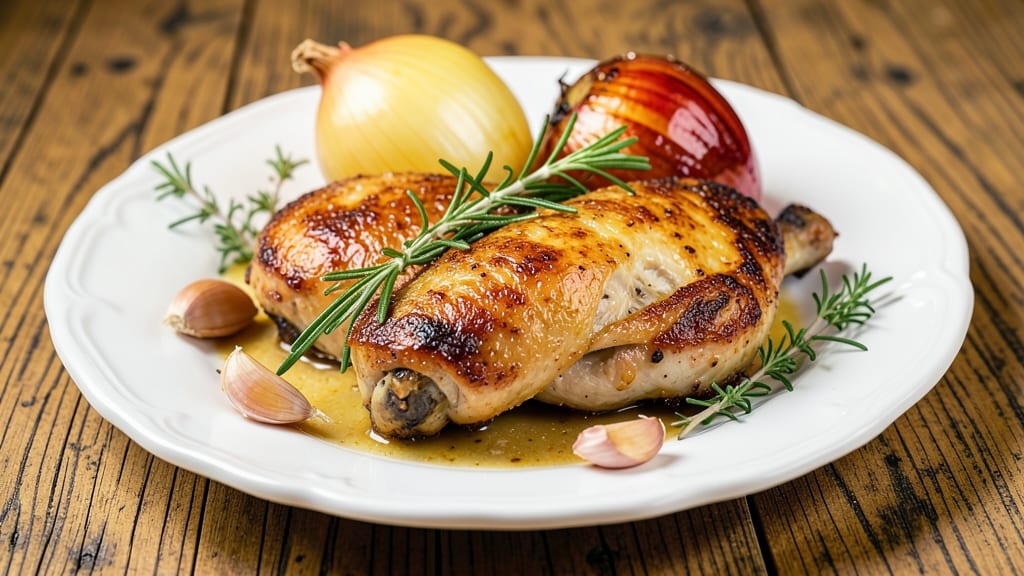
This boiled chicken thighs recipe delivers juicy, flavor-packed bites that transform simple ingredients into a meal worth savoring. After years of perfecting my grandmother’s Sunday roast chicken technique, I’ve adapted it for weeknight dinners—where tender, spiced thighs simmer in aromatic broth until fall-apart perfect.
The celery-spiced simmer isn’t just about moisture; it’s about building layers of flavor starting with the water itself.
The secret to juicy results lies in the ratio—never crowd the pot—and the aromatics. Celery, bay leaves, and a splash of vinegar work together to infuse the broth while keeping the meat tender.
I’ve tested this method with different home cooks, and every batch delivers that restaurant-quality texture without the fuss. Even the most skeptical eaters ask for seconds when they taste the balance of savory, herbal notes.
By the time you plate these thighs, they’ll be golden at the edges, moist inside, and infused with the celery-spiced broth that elevates them beyond basic boiled chicken. Pair them with roasted vegetables, a crisp salad, or crusty bread to soak up every last drop of that flavorful liquid.
This is comfort food at its finest—simple enough for weeknights but impressive enough for company.
Here’s where it gets interesting: the broth isn’t just for drinking. Strain it, reduce it slightly, and use it as a sauce for the chicken or as a base for soups and stews.
The possibilities turn one pot of boiled chicken into a meal that feeds a family and keeps giving. Let’s get started with the step-by-step method that guarantees juicy, flavor-packed bites every time.
Ingredients for boiled chicken thighs
Simple ingredients, bold flavors—this celery-spiced simmer transforms basic boiled chicken thighs into a restaurant-worthy dish.
| Ingredient | Amount | Notes |
|---|---|---|
| Chicken Thighs 🍗 | 1 ½ lb | Bone-in, skin-on preferred for juiciness |
| Celery Stalks 🥬 | 3 whole | Fresh, cut into 2-inch pieces |
| Carrots 🥕 | 2 whole | Medium, peeled, cut into chunks |
| Onion 🧅 | 1 whole | Yellow or white, quartered |
| Bay Leaves 🌿 | 2 whole | Dried, standard size |
| White Vinegar 🍶 | 2 tbsp | Distilled preferred for balance |
| Salt 🧂 | 1 ½ tsp | Kosher or sea salt for seasoning |
| Black Peppercorns 🌶️ | 10 whole | Freshly cracked for aroma |
| Water 💧 | 4 cups | Filtered or spring water preferred |
| Fresh Parsley 🌿 | ¼ cup | Chopped, for garnish |
| Lemon Wedges 🍋 | 2 whole | For serving, optional |
| Olive Oil 🫒 | 1 tbsp | For finishing, extra-virgin |
The chicken thighs are the foundation, and bone-in, skin-on delivers the most flavor and moisture. Look for thighs with a good layer of fat—Costco or local butchers often have excellent quality. If you're using frozen, thaw them overnight in the fridge to ensure even cooking. The celery, carrots, and onion aren’t just vegetables; they’re the flavor builders. Organic produce adds a brighter taste, but regular grocery store veggies work perfectly fine. For the bay leaves, California or Mexican varieties tend to be more aromatic—check the packaging if you're unsure.
No fresh parsley? Dried parsley at one-third the amount works in a pinch, though fresh is ideal for garnish. Running low on white vinegar? Apple cider vinegar has a similar tang, though it’ll add a slight sweetness. The water should be cold to start—hot water can cook the chicken unevenly. If you're short on time, baby carrots and pre-cut celery save chopping steps. The olive oil at the end isn’t just for flavor; it helps create a silky finish on the broth. Extra-virgin olive oil has the best quality, but a good-quality light olive oil works too.
This recipe reheats beautifully—simmer the chicken and broth together for 5-10 minutes to restore moisture. The broth keeps for 3-4 days in the fridge, and the chicken can be stored separately for up to 5 days. For longer storage, freeze the chicken in portions for up to 3 months. I like to portion the broth into ice cube trays for easy use in soups or sauces later. The lemon wedges should be added fresh when serving—never store them with the chicken as they’ll make the meat dry.
Why You'll Love This Recipe
- No-Chop Night: I swear by this recipe when I’m too tired to dice anything. Just toss in whole celery stalks, carrots, and onion—no knife skills required. The broth breaks them down into tender, flavorful chunks without fuss.
- Broth Magic: That simple combo of bay leaves and simmering veggies? It infuses the chicken with a depth that’s almost unfair. The thighs stay juicy, the broth turns golden—like a hug in a pot.
- Leftover Hero: This recipe makes way more than you need, and that’s perfect. Reheat the chicken for tacos, salads, or sandwiches—it’s the unsung MVP of my meal prep. (Yes, even on a Tuesday night.)
- Budget Win: Chicken thighs are forgiving and cheap, and celery/carrots stretch the flavor without breaking the bank. Honestly, it’s the kind of meal that makes grocery day feel like a victory.
Step-by-step instructions for celery-spiced simmered chicken thighs
Here's the straightforward approach to tender, aromatic chicken thighs with crisp edges and moist centers.
Prepare the Chicken and Vegetables
Pat the 1.5 lb chicken thighs dry with paper towels, removing any excess moisture from the skin. This step is crucial—wet skin prevents proper browning later. Place the thighs in a large pot, skin-side up, and set aside.
Cut the 3 whole celery stalks into 2-inch pieces, peel and chop the 2 whole carrots into 1-inch chunks, and quarter the 1 whole onion. Add these vegetables to the pot along with the 2 whole bay leaves and 10 whole black peppercorns. The vegetables will infuse flavor into the broth while cooking.
Season and Add Liquid
Pour the 4 cups water into the pot, then add the 2 tbsp white vinegar and 1.5 tsp salt. The vinegar brightens the broth and helps tenderize the chicken. Stir gently to combine, ensuring all ingredients are submerged. The liquid should cover the chicken thighs by about 1 inch.
Bring the mixture to a boil over medium-high heat, then immediately reduce to a gentle simmer. You'll see small bubbles forming at the surface but not a rolling boil. This controlled simmer prevents tough, dry meat while ensuring the chicken cooks evenly.
Simmer Until Juicy Perfection
Cover the pot and simmer for 25-30 minutes. The chicken is done when it reaches an internal temperature of 165°F and the meat pulls away easily from the bone. Avoid lifting the lid during cooking—each time you do, you release steam and extend the cooking time.
Here's the thing—don't rush this step. The low-and-slow simmer breaks down connective tissue, creating melt-in-your-mouth tenderness. The celery, carrots, and onion will soften and contribute to a flavorful broth that keeps the chicken moist.
Finish and Serve
Once the chicken reaches 165°F, remove it from the pot and let it rest for 5 minutes on a cutting board. This resting period allows the juices to redistribute, ensuring each bite stays juicy. Meanwhile, strain the broth through a fine-mesh sieve to remove any solids, if desired.
Drizzle the 1 tbsp olive oil over the chicken and garnish with the 0.25 cup chopped fresh parsley. Serve immediately with the lemon wedges on the side for a bright contrast. The skin should be crisp, the meat tender, and the broth infused with celery and spice—exactly what you want from a boiled chicken thigh recipe.
Pro Tips For Making Boiled Chicken Thighs
- Parboil First: Drop the raw chicken thighs into a cold pot, then turn the heat to medium-high right away. I learned this the hard way—starting with hot water makes the outsides cook faster than the insides, leaving you with dry, overdone edges.
- Trim the Fat: Use kitchen shears to snip off the thickest patches of skin and fat before boiling. Less fat means cleaner broth and thighs that absorb flavors better—no more greasy water or rubbery skin.
- Crowd the Vegetables: Pack celery, carrots, and onion tightly into the pot after the chicken starts cooking. This forces them to break down faster and infuse the broth—no more sad, mushy veggies floating on top.
- Season the Water: Add 1 teaspoon salt and a pinch of pepper to the boiling liquid. The chicken will taste bland if you skip this—no amount of seasoning later fixes waterlogged flavor. (Yes, even if you’re using bouillon.)
Storing and reheating this dish
Broth Storage Secrets
The celery-spiced broth is where the magic happens—it’s packed with flavor and keeps beautifully. After straining, transfer it to an airtight glass container (I love Pyrex for its durability) and refrigerate for up to 4 days.
The flavors actually deepen over time, making it perfect for soups or sauces later. For longer storage, freeze it in 1-cup portions—just leave ½-inch headspace to prevent ice crystals from breaking the container. 💧
Chicken Freezer Prep
If you’re prepping for a busy week, freeze the cooked chicken thighs in single-serving portions wrapped tightly in plastic wrap followed by foil. This prevents freezer burn and keeps them juicy for up to 3 months.
When ready to use, thaw overnight in the fridge—never microwave, as it makes the meat rubbery. I like to portion the broth separately in silicone ice cube trays for easy use in recipes. ❄️
Reheating Like a Pro
For the best texture, reheat the chicken and broth together in a pot over medium-low heat for 5-10 minutes. The gentle heat restores moisture without drying out the meat. If using the microwave, cover with a damp paper towel and heat in 1-minute intervals until reaching 165°F.
The broth should be simmered separately if you’re using it for sauces—reduce it by ⅓ to thicken before serving. 🔥
Reviving Dry Skin
Ever reheated chicken only to find the skin tough? Here’s my fix: After reheating, transfer the chicken to a skillet and crisp the skin over medium heat for 1-2 minutes.
The heat reactivates the fat, giving you that perfect contrast of crispy skin and tender meat. A quick drizzle of olive oil before reheating also helps lock in moisture. 💡
Broth Boosters
Strained broth is versatile—use it as a base for risotto, mashed potatoes, or even pancakes. To elevate it, reduce it by half in a saucepan, then finish with 1 tbsp butter and a pinch of salt.
For extra depth, add 1 tsp soy sauce or a splash of lemon juice before serving. The celery-spiced notes shine in these dishes! ✨
Leftovers Reinvented
Turn leftover chicken into tacos, sandwiches, or salads. Shred the meat and mix it with mayo, mustard, and celery seeds for a quick chicken salad. Or slice it thinly and layer it in a banh mi with pickled veggies.
The broth? Strain it again, reduce it, and use it as a dipping sauce for fries or veggies. Waste not, want not! 🌟
Nutrition facts
Frequently asked questions
Why does this recipe use bone-in, skin-on chicken thighs?
The bone stays in for natural moisture and flavor infusion during simmering, while the skin creates a crispy texture when cooked properly. Bone-in thighs also cook more evenly than boneless cuts. For best results, pat the skin completely dry before cooking to ensure crispiness.
Can I substitute chicken breasts for thighs in this recipe?
Not ideal—they'll cook faster and become dry. If you must use breasts, cut them into 1-inch pieces, reduce simmer time to 12-15 minutes, and use 1 cup less water. For juicy results, add 1 tbsp olive oil to the pot before simmering.
What if my chicken thighs float to the surface while cooking?
This is normal! The fat rises as it renders. To prevent floating, gently press the thighs down with a wooden spoon or add 1 extra cup water to keep them submerged. The key is maintaining a gentle simmer—never a rolling boil.
How can I make this dish more flavorful without extra ingredients?
Add 1 tsp garlic powder or ½ tsp smoked paprika to the broth, or swap white vinegar for 1 tbsp lemon juice. For deeper flavor, toast the bay leaves in a dry pan for 30 seconds before adding to the pot. The celery and carrots will also caramelize slightly during simmering.
Is it safe to eat the celery and carrots after simmering?
Technically yes, but they'll be very soft and lose their crunch. For best texture, remove them after 15 minutes of simmering. The broth will still retain their flavor even without the vegetables. For extra freshness, serve with raw celery sticks or carrot coins on the side.