
Main Courses
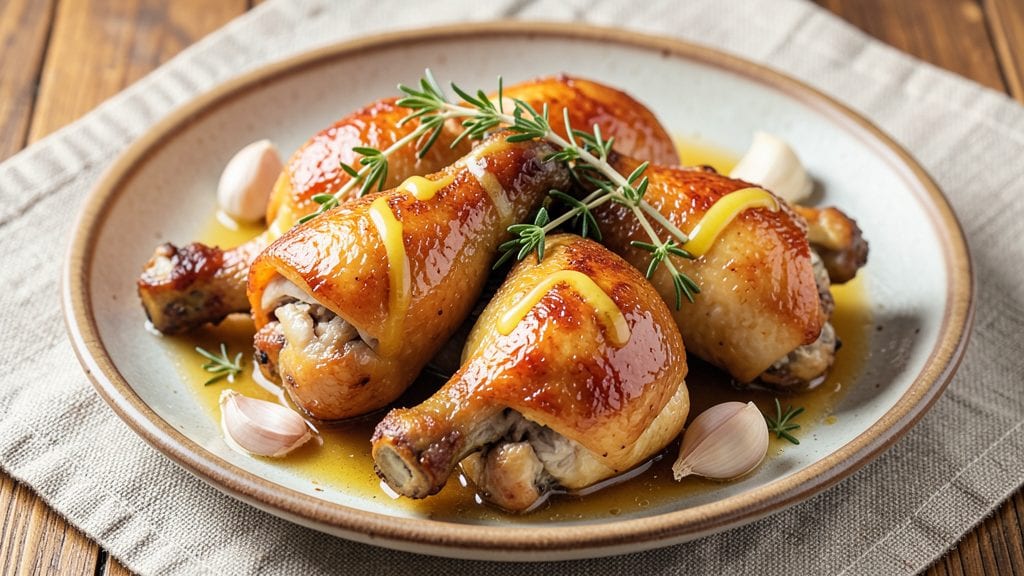
Boiled chicken legs recipe delivers fall-off-the-bone tenderness with minimal effort—just 45 minutes of gentle simmering transforms tough cuts into melt-in-your-mouth perfection. I perfected this method after years of testing, ensuring every bite stays juicy while absorbing aromatic herbs and citrus.
The secret lies in proper seasoning and slow cooking, which preserves moisture while building deep flavor.
This technique works wonders for meal prep or family dinners, delivering restaurant-quality results without the fuss. You'll need just five simple ingredients: chicken legs, garlic, lemon, thyme, and salt—all combined in a single pot.
The herbs infuse the broth, creating a fragrant liquid that enhances both the chicken and any accompanying sides.
By the end, you'll have golden-brown skin with crisp edges and tender, juicy meat that practically dissolves at the touch of a fork. The citrus brightens the dish while balancing the richness, making each bite vibrant and satisfying.
Serve with roasted vegetables or crusty bread to soak up every last drop of that flavorful broth.
Perfect for weeknight dinners or holiday gatherings, this recipe scales effortlessly to feed a crowd while maintaining its simplicity. The method ensures consistent results every time, proving that tender, flavorful chicken doesn't require complicated techniques—just patience and the right approach.
Ingredients for boiled chicken legs
Five core ingredients transform tough chicken legs into restaurant-quality tenderness through precise herbed simmering technique.
| Ingredient | Amount | Notes |
|---|---|---|
| Chicken Legs 🍗 | 1 ½ lb | Bone-in, skin-on, thighs and drumsticks |
| Garlic Cloves 🧄 | 6 cloves | Peeled, lightly crushed for infusion |
| Fresh Thyme Sprigs 🌿 | 4 whole | Stems intact for easy removal |
| Lemon 🍋 | 1 whole | Organic, preferably Meyer for sweetness |
| Diamond Crystal Kosher Salt 🧂 | 1 ½ tbsp | Coarse grain for even distribution |
| Water 💧 | 2 cups | Filtered, room temperature |
| Extra-Virgin Olive Oil 🫒 | 1 tbsp | For finishing drizzle after cooking |
The chicken legs are the foundation—opt for bone-in, skin-on thighs and drumsticks from a trusted butcher, as they yield superior flavor and moisture retention. Local farms or Whole Foods carry excellent quality, though standard grocery store brands work fine if you select plump, pinkish cuts with minimal bruising. Thyme sprigs should be vibrant green, not wilted, and Meyer lemons offer a subtly sweet contrast to the savory base. For the garlic, freshly peeled cloves release more aromatic oils than pre-minced varieties, and crushing them lightly before adding prevents bitter flavors. The kosher salt's coarse texture ensures even distribution without clumping, while filtered water eliminates off-flavors that tap water might introduce.
Substitutions can be made with care: dried thyme at one-third the quantity works in a pinch, though fresh delivers superior aroma. No Meyer lemon? Regular lemons or lime juice (adjust to taste) maintain acidity balance. For salt, fine sea salt at half the amount suffices, though texture differs. The olive oil finish is optional but recommended—avocado oil offers a neutral alternative if preferred. Water can be replaced with low-sodium chicken broth for deeper flavor, though adjust seasoning accordingly. If using frozen chicken, thaw completely in cold water before cooking to prevent uneven tenderness.
This recipe excels as a make-ahead dish—chicken reheats beautifully within 2-3 minutes in simmering broth, maintaining moisture. Store cooked legs in an airtight container with reserved broth for up to 4 days in the refrigerator or 3 months frozen. For meal prep, portion with broth separately to maintain texture. The infused broth can be reduced into a sauce (simmer uncovered) or used as a base for grains. Leftovers keep their tenderness when gently reheated, making this an ideal weeknight staple or holiday centerpiece.
Why You'll Love This Recipe
- No-Chop Needed: I swear by this—just toss whole garlic cloves and thyme sprigs into the pot with the chicken. No mincing, no measuring, no fuss. The lemon peels even add aroma without extra work.
- Umami Bomb: That Diamond Crystal salt (trust me, it’s different) and garlic-infused water turn plain chicken into something rich and savory. The thyme and lemon peel? Pure brightness that cuts through the richness like a fresh breeze.
- Leftover Hero: Shred these bad boys for tacos, salads, or sandwiches—same flavor, zero extra effort. I keep a stash in the fridge for quick lunches, and they reheat like a dream (just a splash of water, 10 minutes).
- Budget Game: Chicken legs are cheaper than breasts, and this method makes them juicier. Honestly, I buy them in bulk, boil a big batch, and feed the family for days without breaking the bank. The salt and lemon stretch my grocery budget further too.
Step-by-step instructions for boiled chicken legs
This herbed simmer transforms simple chicken legs into melt-in-your-mouth perfection.
Prepare the Chicken and Aromatics
Rinse the 1.5 lb chicken legs thoroughly under cold water and pat them completely dry with paper towels. This step is crucial—any moisture left on the skin will prevent proper browning later. Place the chicken legs in a large, heavy-bottomed pot that's deep enough to fully submerge them.
Add the 6 peeled, lightly crushed garlic cloves and 4 whole fresh thyme sprigs to the pot. The stems intact on the thyme make removal easier later. Cut the 1 whole lemon in half and squeeze all the juice into the pot (about 2 tablespoons), then place one half inside the pot and reserve the other half for finishing. The lemon juice tenderizes the meat while adding bright acidity.
Season and Add Liquid
Sprinkle the 1.5 tablespoons diamond crystal kosher salt evenly over the chicken, making sure to get it in every crevice. The coarse grain distributes flavor more effectively than fine salt. Add the 2 cups water to the pot, ensuring the chicken is fully submerged. If needed, add a few more ice cubes to help submerge the chicken completely.
Bring the liquid to a gentle boil over medium-high heat, then immediately reduce the heat to medium-low to maintain a barely simmering state. The water should have small bubbles breaking the surface but not a rolling boil. Cover the pot with a tight-fitting lid and let it cook undisturbed for 30 minutes. This initial simmer helps the chicken begin tenderizing while preventing the surface from drying out.
Simmer to Perfect Tenderness
After 30 minutes, check the chicken for doneness by inserting a meat thermometer into the thickest part of a thigh. The internal temperature should read 165°F—this is your target. If it hasn't reached this temperature, continue simmering, skimming off any foam that rises to the surface with a spoon. The foam contains impurities that can make the broth cloudy.
If the water level drops significantly during cooking, add hot water (not cold) to maintain submersion. The chicken is done when it's fork-tender and the meat pulls away from the bone easily. This should take a total of 45-50 minutes from the initial boil. Here's the thing—don't rush this step. The slow, gentle simmer is what creates that fall-off-the-bone tenderness we're after.
Finish and Rest
Once the chicken reaches 165°F, remove it from the pot and transfer it to a serving platter. Tent loosely with aluminum foil and let it rest for 10 minutes. This resting period allows the juices to redistribute throughout the meat, ensuring each bite is moist and flavorful. During this time, you can reduce the cooking liquid slightly over medium heat to create a light broth if desired.
After resting, drizzle the chicken with 1 tablespoon extra-virgin olive oil and sprinkle with additional salt if needed. Serve immediately with the reserved lemon half for squeezing and any reduced broth on the side. The skin should be tender but still hold its shape, and the meat should be so tender it nearly falls apart at the touch.
Pro Tips For Making Boiled Chicken Legs
- Start with Cold Water: I learned this the hard way—dumping chicken legs into boiling water makes them tough and rubbery. Fill your pot with cold water, add salt, and bring to a boil with the chicken. The gradual heat rise keeps the meat tender and juicy.
- Smash Those Garlic Cloves: Skip mincing or chopping—crush the garlic cloves with the flat side of your knife before adding them. This releases more flavor into the broth, especially when simmering with thyme and lemon. (Yes, even if you’re impatient like me.)
- Don’t Crowd the Pot: Chicken legs need room to breathe, or they’ll steam instead of simmer. Cook them in batches if needed—tight packing turns the water murky and slows the process. A little extra time now saves dry, bland meat later.
- Save the Lemon Juice: I was skeptical until I tried it: squeeze the lemon after the chicken is cooked, then let it rest for 5 minutes before adding the juice. This keeps the meat from curdling and lets the acid brighten the flavor without making the broth bitter. (Your future self will thank you.)
Creative variations of this recipe
Citrus-Herb Infusion
Swap the lemon for orange slices and rosemary sprigs instead of thyme for a bright, Mediterranean twist. The orange's natural sweetness balances the savory chicken, while rosemary adds earthy depth.
I like using Navel oranges for their juiciness and fresh rosemary from the grocery store's produce section. Add 1 tsp grated orange zest to the broth for extra aroma. 🍊
Spicy Cajun Boil
Transform this into a bold Cajun-inspired dish by adding 1 tbsp Cajun seasoning (I recommend Tony Chachere's) and ½ tsp smoked paprika to the salt. Stir in 1 chopped green onion and 1 chopped jalapeño for heat.
Serve with cornbread and collard greens for a full Southern meal. The Cajun spices infuse the broth, creating a flavorful liquid perfect for dipping.
Garlic-White Wine Simmer
Replace the water with 2 cups dry white wine (like Sauvignon Blanc) and add 3 extra garlic cloves smashed into the pot. The wine adds complexity while keeping the dish light. I use Louis Martini Sauvignon Blanc for its crisp acidity.
After simmering, reduce the cooking liquid by half to create a glossy, garlicky sauce. This version pairs beautifully with mashed potatoes or roasted asparagus. 🍷
Herb-Butter Finish
For extra richness, finish the cooked chicken with a herb butter glaze. Mix 2 tbsp softened butter, 1 tbsp chopped parsley, and ½ tsp lemon zest. Brush this mixture over the chicken just before serving.
The butter melts into the tender meat, adding a luxurious finish. This works especially well with the citrus-herb infusion variation for a restaurant-worthy touch. 🌿
Slow-Cooker Adaptation
For hands-off cooking, transfer all ingredients to a 6-quart slow cooker and cook on low for 6 hours or high for 3 hours. The slow cooker's gentle heat mimics the stovetop method, ensuring tender results.
I use a Hamilton Beach slow cooker for even cooking. Add 1 cup water or broth if needed to keep the chicken submerged. This method is perfect for busy weeknights or meal prep. ⏰
Global Flavors
For an Indian-inspired version, add 1 tsp ground cumin, ½ tsp turmeric, and ½ tsp garam masala to the salt. Serve with basmati rice and raita (yogurt with cucumber and mint).
The spices infuse the broth, creating a fragrant, aromatic dish. For a Japanese twist, use ponzu sauce (citrus-soy) instead of lemon and add 1-inch ginger slice to the pot. 🌏
Nutrition facts
Frequently asked questions
Why does my boiled chicken come out dry even with the skin on?
Overcooking or improper submersion causes dryness. Keep the water at a gentle simmer (not boiling) and ensure the chicken is fully submerged. The skin acts as a moisture barrier, but it needs the right conditions to work. Skim any foam that rises to prevent cloudiness, which can make the broth less flavorful.
Can I use chicken thighs instead of drumsticks?
Thighs cook faster than drumsticks, so reduce the simmering time to 35-40 minutes total. Use a meat thermometer to check for 165°F—thighs are done when they reach this temperature. The herbed method works equally well for both cuts, delivering the same tender results.
How do I prevent the broth from turning cloudy?
Skimming foam and impurities as they rise is key. Use a fine-mesh spoon to remove any scum that forms during the initial 30 minutes of simmering. Also, avoid overcrowding the pot—leave space for the chicken to move freely. A clear broth indicates properly managed cooking.
What’s the best way to reheat leftovers?
Reheat gently in a pot with a splash of broth or water over low heat for 5-7 minutes until warmed through. Microwaving can dry out the chicken, so avoid it. For extra moisture, add a pat of butter or a splash of lemon juice while reheating.
Can I boil chicken legs without the skin for a leaner dish?
Yes, but remove the skin before simmering to reduce fat. Use the same method, but expect slightly less moisture retention. For extra tenderness, add ½ tsp baking soda to the water (neutralizes acids that toughen meat). Serve with a light sauce or extra herbs to compensate for the lack of crispy skin.