
Main Courses
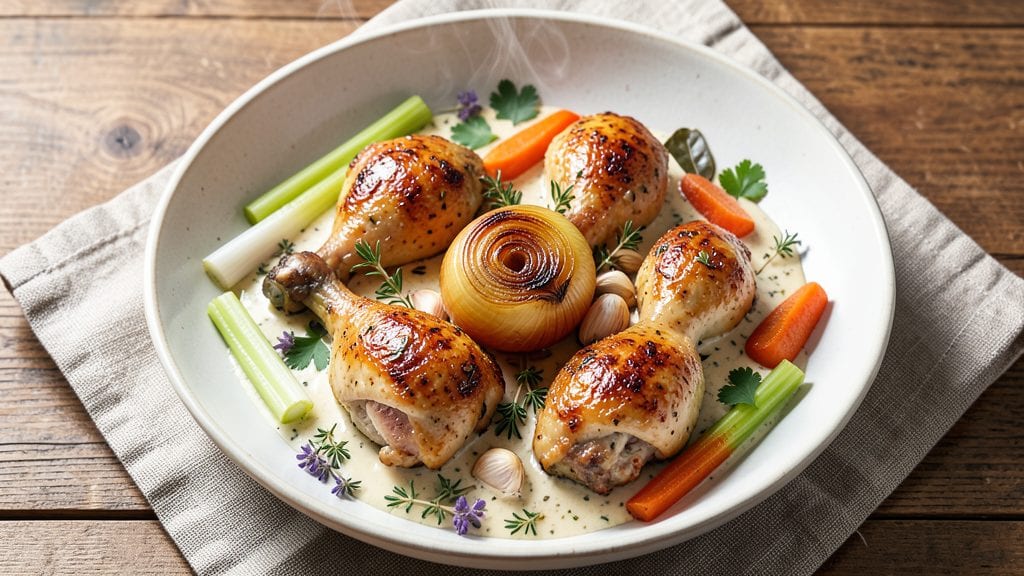
Boiled chicken legs deserve more than just salt and water—they deserve a method that transforms them into juicy, flavor-packed centerpieces. Standing on a stool in my Nonna’s kitchen, I learned that the secret lies in a simple herbed butter baste that keeps the meat moist and packed with aroma.
This technique isn’t just about boiling—it’s about building layers of taste that turn simple ingredients into something extraordinary.
The process starts with a foolproof brine that ensures tender meat from the get-go, followed by a slow simmer that renders fat and deepens flavor.
The real magic happens when you baste the chicken with melted herbed butter every 15 minutes—this creates a golden, aromatic crust while keeping the meat impossibly tender. No fancy equipment or hours in the kitchen required, just a pot, patience, and a little attention to detail.
By the time you’re done, you’ll have chicken legs that are juicy to the core, with crisp edges and a rich, herby aroma that fills your kitchen. The baste clings to every bite, turning a basic boiled chicken into a restaurant-worthy dish.
Serve with crusty bread to soak up the flavorful juices or pair with roasted vegetables for a complete meal.
This method works for any occasion—weeknight dinners, potlucks, or even holiday feasts. The beauty of boiled chicken legs is their versatility, and with this technique, you’ll never settle for bland again. Let’s get started on transforming your next meal.
Ingredients for boil chicken legs
Simple ingredients, big flavor—this herbed butter baste turns boiled chicken legs into a restaurant-worthy dish.
| Ingredient | Amount | Notes |
|---|---|---|
| Chicken Legs 🍗 | 4 whole | Bone-in, skin-on preferred |
| Large Carrots 🥕 | 4 whole | Whole, unpeeled for flavor |
| Celery Stalks 🧅 | 3 whole | Cut into 2-inch pieces |
| Large Yellow Onion 🧅 | 1 whole | Quartered, skin on |
| Bay Leaves 🍃 | 2 whole | Fresh preferred |
| Garlic Cloves 🧄 | 4 cloves | Smashed for aroma |
| Kosher Salt 🧂 | 1 ½ tbsp | For brining |
| Unsalted Butter 🧈 | ½ cup | Cold, cubed for basting |
| Fresh Parsley 🌿 | ¼ cup | Chopped, for butter |
| Fresh Thyme 🌿 | ¼ cup | Leaves only, chopped |
| Fresh Rosemary 🌿 | ¼ cup | Needles only, chopped |
| Fresh Lemon Juice 🍋 | 2 tbsp | From 1 lemon |
| Crusty Bread 🍞 | 1 loaf | For serving (optional) |
The chicken legs should be bone-in and skin-on for the best results—Costco or local butchers often have great deals on these. Look for pieces that are uniform in size so they cook evenly. I always grab the organic ones if they're on sale, but regular works fine too. The carrots, celery, and onion aren't just for flavor—they create a fragrant broth that infuses the chicken. Whole Foods has great pre-cut veggie bundles, but I usually just grab the whole carrots and chop them myself. Fresh herbs make all the difference here—Trader Joe's sells great little bunches of thyme and rosemary that last for weeks if you store them properly.
No fresh herbs? Dried works at one-third the amount, but the flavor won't be quite the same. Short on butter? Olive oil or duck fat works in a pinch, though the texture will be slightly different. The lemon juice is key for brightness—Meyer lemons if you can find them, but regular will do. For the crusty bread, French baguettes are ideal, but any sturdy bread will work. If you're making this ahead, I'd skip the bread until serving—it's best when fresh. The butter should be unsalted so you control the seasoning, and cold cubes melt beautifully during basting.
This dish reheats beautifully—just warm it gently with a splash of water or broth. The basting butter keeps for 1 week in the fridge if you make extra, and it's perfect for toasting bread or tossing with pasta later. Store the cooked chicken legs in the fridge for 3-4 days or freeze for up to 3 months. I always make a double batch because it's great for sandwiches the next day. The broth? Strain it and freeze it for soups—it's packed with flavor!
Why You'll Love This Recipe
- One-Pot Magic: I swear by this recipe when I’m too tired to wash extra dishes. Toss everything—chicken, carrots, celery, onion, and bay leaves—into a pot with water, and let the stove do the work. No fancy prep, no stress.
- Deep, Savory Soul: That slow simmer? It turns tough chicken legs into melt-in-your-mouth perfection. The carrots soften just enough to soak up the broth, while the onion and celery add a sweet, earthy backbone—like a hug in a bowl.
- Leftovers That Shine: Make a big batch on Sunday, and you’ve got lunch covered all week. Shred the chicken for tacos, toss the veggies into a salad, or just reheat it straight from the pot—still just as good the third time around.
- Budget-Friendly Feast: Chicken legs are the unsung hero of affordable protein, and this recipe stretches them further with cheap veggies. Honestly, I’ve fed a houseful for under $15, and no one ever complains about seconds.
Step-by-step instructions for herbed butter basted chicken legs
Here's how to transform simple boiled chicken legs into restaurant-quality, melt-in-your-mouth perfection.
Prepare the Herbed Butter Baste
In a small bowl, combine the 0.5 cup unsalted butter, 0.25 cup fresh parsley, 0.25 cup fresh thyme, 0.25 cup fresh rosemary, and 2 tbsp fresh lemon juice. Mix thoroughly until the herbs are evenly distributed throughout the butter. Here's the thing—this herbed butter is what makes your boiled chicken legs taste like they came from a high-end restaurant.
Transfer the mixture to a small saucepan and melt it over low heat, stirring gently until fully combined. The butter should be smooth and fragrant, with the herbs releasing their aromatic oils. Remove from heat and let it cool slightly while you prepare the chicken. This basting butter will infuse your chicken with layers of flavor as it cooks.
Season and Parboil the Chicken Legs
In a large pot, combine 4 whole large carrots, 3 whole celery stalks, 1 whole large yellow onion, 2 whole bay leaves, and 4 smashed garlic cloves. Add 8 cups cold water and bring to a boil over high heat. This aromatic base will flavor your broth as the vegetables cook.
Once boiling, reduce heat to medium-high and add the 4 whole chicken legs along with the 1.5 tbsp kosher salt. The salt should dissolve completely in the water before the chicken goes in. Parboil the chicken for 10 minutes, turning occasionally. You'll see the skin start to turn opaque and the meat begin to firm up. This initial cooking step ensures the chicken cooks evenly and stays juicy throughout the basting process.
Baste the Chicken for Maximum Juiciness
Using a slotted spoon, carefully transfer the chicken legs to a large baking dish. Pour the vegetable broth from the pot through a fine-mesh strainer into the baking dish, reserving the vegetables for another use if desired. The broth should cover about half of the chicken legs in the dish.
Place the baking dish in a 375°F preheated oven. Here's where the magic happens: spoon the melted herbed butter over the chicken legs, coating them completely. Return to the oven and baste the chicken every 15 minutes for 45 minutes total. The butter will create a golden, flavorful crust while keeping the meat incredibly tender. You'll know it's ready when the skin is crispy and the internal temperature reaches 165°F at the thickest part of the thigh.
Rest and Serve with Crusty Bread
Remove the chicken from the oven and transfer it to a cutting board. Let it rest for 10 minutes before serving. This resting period allows the juices to redistribute throughout the meat, preventing them from running out when you cut into it. The result will be chicken legs that are impossibly juicy with perfectly crispy skin.
Slice the crusty bread into thick pieces and serve alongside the chicken. The bread will soak up any remaining herbed butter from the baking dish, creating a delicious side. Each bite should deliver rich, herby flavor with tender, falling-apart meat. The combination of the aromatic broth, herbed butter, and crusty bread makes this a complete meal that's both satisfying and impressive.
Pro Tips For Making Boil Chicken Legs
- Parboil Carrots First: I used to toss everything raw into the pot and ended up with mushy carrots that turned to mush before the chicken was done. Cut the carrots into 2-inch chunks, boil them in salted water for 5 minutes first, then drain and add to the pot with the chicken. This keeps them crisp-tender and actually edible—no one wants rubbery carrots in their broth.
- Skin Chicken Properly: Skip the peeling if you want crispy skin, but if you’re boiling, dry the chicken legs thoroughly with paper towels before adding them to the pot. Wet skin steams instead of crisps, and you’ll end up with sad, limp skin. Pat them like you’re drying off a dog—no shortcuts here.
- Don’t Crowd the Pot: I learned this the hard way—jamming too many chicken legs in the pot means they’ll steam instead of simmer. Leave at least an inch of space between each leg, and if you’re short on pots, work in batches. Tight quarters = uneven cooking and a waterlogged mess.
- Save the Broth: Strain the broth through a fine-mesh sieve or cheesecloth to catch all the little bits—onion skins, celery seeds, even shredded bay leaves. These tiny bits pack flavor, and skipping the straining means losing half the taste. Pour the strained broth back over the chicken if you’re serving it right away, or freeze it for future soups.
Serving suggestions for leftovers
Crusty Bread Pairing
Serve these herbed butter basted chicken legs with thick slices of crusty French baguette or Italian ciabatta—the bread soaks up the flavorful juices like a dream. I grab a baguette from my local Italian deli because it's always fresh and sturdy enough to handle the rich broth.
For extra flair, brush the bread with a little more of that herbed butter before serving. 🍞
If you're feeling fancy, toast the bread slices in a skillet with a pat of butter until golden brown. The contrast of warm, crispy bread against the tender chicken is what makes this dish feel special.
I like to serve it family-style so everyone can tear into the bread and chicken together—it's always a hit at my table.
Roasted Vegetable Sides
Roasted vegetables add color and freshness to balance the richness of the chicken. Try tossed Brussels sprouts with olive oil, salt, and garlic powder, roasted at 400°F for 20 minutes.
Or go for caramelized onions—sauté 2 large onions in 2 tbsp butter for 30 minutes until golden and sweet. These sides complement the herbed butter beautifully. 🥦
For a lighter option, serve a simple arugula salad with lemon vinaigrette. Toss 4 cups arugula with 2 tbsp olive oil, 1 tbsp lemon juice, and a pinch of sea salt.
The peppery greens cut through the richness of the chicken, making each bite feel balanced and fresh.
Broth for Soups
Don't throw away that aromatic broth! Strain it and freeze it in airtight containers for future soups or gravies. It's packed with flavor from the carrots, celery, onion, and herbs—perfect for a quick weeknight meal.
I often use it as a base for a simple chicken noodle soup or a hearty minestrone. 💡
If you're feeling adventurous, reduce the broth by half to make a rich pan sauce. Deglaze your baking dish with a splash of white wine or chicken broth, then simmer until thickened. Drizzle it over the chicken legs or use it to moisten your crusty bread for dipping.
Pickled Vegetables
Add a tangy crunch with quick-pickled vegetables. Thinly slice 2 cucumbers and 1 red onion, then toss with ½ cup apple cider vinegar, 1 tbsp sugar, and 1 tsp salt.
Let sit for 30 minutes before serving. The bright acidity cuts through the richness of the chicken, adding a refreshing contrast. 🥒
For a smoky twist, swap the vinegar for pickle juice and add a pinch of smoked paprika. This works especially well if you're serving the chicken on sliders or in sandwiches—the pickled veggies add a fun, crunchy element that keeps things interesting.
Dipping Sauces
Set up a dipping station with complementary sauces. A simple garlic aioli made with ½ cup mayonnaise, 1 minced garlic clove, and 1 tbsp lemon juice is a crowd-pleaser.
Or try a spicy yogurt sauce by mixing ½ cup plain yogurt with 1 tsp hot sauce and 1 tsp honey. These sauces add another layer of flavor to every bite. 🍯
For something lighter, whip up a herb-infused olive oil by blending ½ cup olive oil with 1 tbsp fresh parsley, 1 tsp fresh thyme, and a pinch of salt.
Drizzle it over the chicken or use it to moisten your crusty bread. It’s simple, elegant, and lets the flavors of the herbed butter shine.
Nutrition facts
Frequently asked questions
Why do I need to baste the chicken legs with herbed butter?
The basting creates a golden, flavorful crust while keeping the meat impossibly tender. The melted butter infuses every bite with herby aroma, and the frequent basting prevents drying. Without it, you'd just have plain boiled chicken—this method transforms it into something restaurant-worthy.
Can I use bone-in, skin-on chicken thighs instead of legs?
Yes, but cooking times may vary slightly. Bone-in thighs will cook faster than legs, so check for doneness at 160°F instead of 165°F. The skin-on technique works the same way, creating crispy skin while keeping the meat juicy. Just reduce the total cooking time by about 10-15 minutes.
What if I don't have fresh herbs for the basting butter?
Use dried herbs at one-third the amount (e.g., 1 tbsp dried thyme instead of 0.25 cup fresh). For extra flavor, add a pinch of red pepper flakes or smoked paprika. The dish will still taste great—just less vibrant. Store-bought herb blends work too, but fresh herbs make the biggest difference.
How do I know when the chicken is fully cooked?
Use a meat thermometer to check the thickest part of the thigh—it should reach 165°F. The skin will be golden and crispy, and the meat should pull away from the bone easily. If you don't have a thermometer, cut into the thickest part: juices should run clear, not pink.
Can I make this recipe in a slow cooker?
Yes! Parboil the chicken for 10 minutes first, then transfer it to the slow cooker with the broth and herbs. Cook on low for 3-4 hours, basting with melted herbed butter every 30 minutes. The slow cooker keeps the chicken incredibly tender, though the skin may not get as crispy as oven-basted.