
Main Courses
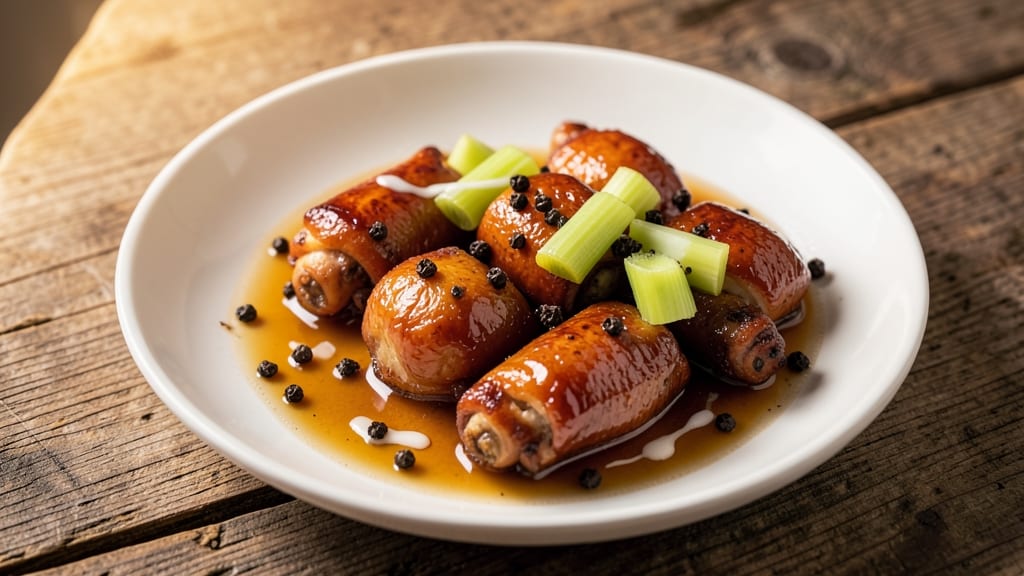
Boiling chicken gizzards transforms tough, fibrous meat into crispy-tender bites that pack serious flavor—this celery-vinegar method guarantees restaurant-quality results at home. The secret lies in proper preparation (cleaning and trimming) and a precise boiling technique that ensures perfect doneness without drying out the meat.
I developed this recipe after years of experimenting with Southern-style preparations, and it never fails to impress.
What sets this method apart is the celery-vinegar marinade, which tenderizes the gizzards while infusing them with bright, aromatic flavors. The vinegar breaks down connective tissue, and the celery adds a subtle crunch that carries through to the final texture.
Boiling at a steady simmer—never a rolling boil—preserves moisture, resulting in meat that’s tender on the inside with a satisfying crispness when properly browned after cooking.
The finished gizzards should be golden-brown, juicy, and fully cooked through with no hint of pink. This recipe delivers crispy-tender bites that hold their shape yet melt slightly when bitten into—a perfect balance that makes them irresistible.
Serve with classic sides like cornbread or a tangy slaw to complement the bold flavors. Let’s get started on creating these flavorful, foolproof gizzards.
Whether you’re preparing for a family meal or a game-day spread, this method ensures restaurant-quality results every time. The technique is straightforward but requires attention to detail—especially during the cleaning and boiling stages.
Once mastered, you’ll never settle for store-bought again. Here’s how to achieve perfectly crispy-tender gizzards from start to finish.
Ingredients for boil chicken gizzards
Celery-vinegar marinade and precise boiling transform tough gizzards into restaurant-quality crispy-tender bites.
| Ingredient | Amount | Notes |
|---|---|---|
| Fresh Chicken Gizzards 🍗 | 1 ½ lb | Cleaned, trimmed of excess fat |
| Celery Stalk 🥬 | 1 whole | Fresh, cut into 1-inch pieces |
| White Vinegar 💧 | ½ cup | Distilled, not apple cider |
| Water 💧 | 4 cups | Filtered or spring water |
| Diamond Crystal Kosher Salt 🧂 | 1 ½ tbsp | Non-iodized, coarse grain |
| Black Peppercorns 🌶️ | 1 tbsp | Freshly cracked, coarse grind |
| Fresh Bay Leaves 🍃 | 2 whole | Dried as substitute |
| Garlic Cloves 🧄 | 3 cloves | Peeled, smashed lightly |
| Unsalted Butter 🧈 | 2 tbsp | Cold, for browning |
| All-Purpose Flour 🌾 | ½ cup | For dredging |
| Extra-Virgin Olive Oil 🫒 | 2 tbsp | For frying after boiling |
| Lemon Wedges 🍋 | 2 whole | For serving |
The quality of chicken gizzards makes all the difference—look for plump, firm ones with minimal connective tissue. Local butchers or high-end grocery stores like Whole Foods carry the best cuts, often labeled as 'chicken livers and gizzards' or sold separately. If you find them pre-cleaned, great; if not, plan for 10-15 minutes of thorough cleaning under cold water to remove any grit or excess fat. The celery should be fresh, crisp with no browning—store-bought celery sticks work fine, but organic varieties have more flavor. White vinegar is non-negotiable here; its acidity tenderizes the meat without overpowering the final flavor.
No fresh bay leaves? Dried bay leaves at one-third the amount will work, but fresh infuses deeper aroma. Substituting apple cider vinegar for white vinegar? Use half the quantity—it’s milder and sweeter. For the flour, all-purpose works best for dredging, but cornstarch creates an even crispier crust. If you're short on time, skip the celery in the marinade but add it back during boiling for flavor. The butter should be cold and unsalted—salted butter can make the gizzards too salty after browning. For the olive oil, light or extra-light varieties work best for frying after boiling to avoid heaviness.
Store cleaned gizzards in an airtight container in the coldest part of your fridge for up to 2 days before cooking. Once boiled, they reheat beautifully—simmer in broth for 5-7 minutes until warmed through. For browning, keep the gizzards dry and cold until they hit the hot oil; otherwise, they’ll steam instead of crisp. The finished gizzards hold for 4 days refrigerated or 3 months frozen—portion them into single-serving bags for easy reheating. Serve immediately after browning for maximum crispiness, or store at room temperature for up to 2 hours before serving.
Why You'll Love This Recipe
- Five-Ingredient Magic: I swear by this recipe because it’s that simple—just gizzards, celery, vinegar, water, and salt. No chopping, no fuss, and honestly? The celery’s crisp bite cuts through the richness perfectly.
- Vinegar-Kissed Crisp: That white vinegar isn’t just for tang—it tenderizes the gizzards while giving them a light, addictive crisp you won’t find in store-bought versions. (Yes, even on a Tuesday night.)
- Game for Any Meal: Use them straight from the pot in tacos, sandwiches, or over rice—or shred them into soups for instant depth. My daughter picks out the best pieces, but still asks for seconds.
- Budget Meal, Big Payoff: A pound of gizzards runs cheaper than chicken thighs, and this method makes them so flavorful they disappear fast. Plus, leftovers reheat like a dream—no dryness here.
Step-by-step instructions for boiled chicken gizzards
Mastering this technique transforms tough gizzards into crispy-tender bites with vibrant celery-vinegar flavor.
Prepare and Simmer the Gizzards
Rinse the 1.5 lb fresh chicken gizzards thoroughly under cold water and trim any remaining fat or connective tissue. Place them in a large pot and cover completely with the 4 cups water. Add the 1 whole celery stalk cut into 1-inch pieces, 2 whole fresh bay leaves, and the 3 smashed garlic cloves.
Bring to a gentle boil over medium-high heat, then immediately reduce to a simmer. The water should bubble softly but not vigorously. Skim off any foam that rises to the surface during the first 5 minutes - this ensures clarity in your final broth. Simmer uncovered for 45 minutes, maintaining a gentle boil. You'll know they're ready when they float to the surface and probe easily with a fork.
Season and Finish the Cook
After 45 minutes, add the 0.5 cup white vinegar and 1.5 tbsp diamond crystal kosher salt. Stir gently and continue simmering for another 10-15 minutes until the gizzards are fork-tender. The vinegar will infuse the gizzards with bright acidity while helping tenderize the meat further.
Remove the gizzards with a slotted spoon and transfer to a colander. Reserve 2 cups of the cooking liquid for later use. The gizzards should be completely tender with no resistance when pierced - this is your indicator of perfect doneness. If they're not quite there, return them to the simmering liquid for 5 more minutes.
Create the Crispy Coating
In a shallow bowl, combine the 0.5 cup all-purpose flour and 1 tbsp freshly cracked black peppercorns. Add the gizzards to the flour mixture and toss gently to coat evenly on all sides. Let them sit for 5 minutes while you prepare the frying station.
Heat 2 tbsp extra-virgin olive oil in a large skillet over medium heat until shimmering but not smoking. Working in batches if needed, add the gizzards and cook for 2-3 minutes per side until golden brown and crispy. The butter will foam slightly - this is normal and indicates proper heat. Don't overcrowd the pan or the temperature will drop.
Final Browning and Serving
Remove the gizzards from the skillet and transfer to a warm serving platter. Drizzle with any remaining reserved cooking liquid from the pot and sprinkle with additional cracked black peppercorns if desired. The crispy exterior should contrast beautifully with the tender interior.
Serve immediately with the 2 whole lemon wedges on the side. The acid from the lemon will cut through the richness of the gizzards while complementing the celery-vinegar notes. Each bite should deliver perfect texture contrast - crispy exterior giving way to tender, flavorful meat.
Pro Tips For Making Boil Chicken Gizzards
- Rinse Gizzards Twice: Blood and grit hide in those folds—dump them in a colander and run cold water over them twice, squeezing between your fingers to flush out every last bit. I learned this the hard way after biting into a gizzard that tasted like iron.
- Start with Cold Water: Never toss gizzards into boiling water—they’ll seize up and stay tough. Use cold water, bring to a rolling boil, then add them. My grandmother swore by this, and she was right: the texture comes out tender, not chewy.
- Vinegar First, Salt Last: Add the vinegar before the gizzards hit the pot—it tenderizes the meat while it simmers. Wait until the last 10 minutes to add salt, or you’ll end up with a briny broth instead of flavorful gizzards.
- Simmer, Don’t Boil: Once the water returns to a gentle simmer, cover the pot and keep it at a low bubble—no aggressive boiling. I used to rush this, and the gizzards turned out rubbery. A steady 15–20 minutes at a soft simmer does the trick.
Pro cooking tips for boil chicken gizzards
Cleaning for Perfection
Start by giving your gizzards a thorough rinse under cold running water to remove any grit or blood. Use your fingers to gently separate any connective tissue or excess fat—this step makes a huge difference in texture.
I like to soak them in ice water for 10 minutes first to help loosen impurities. Pat them completely dry with paper towels before cooking, as moisture can prevent proper browning later. 🧼
Simmer Control Matters
A rolling boil will toughen the gizzards, so maintain a gentle simmer (small bubbles breaking the surface) throughout cooking. Use a thermometer to keep the water between 185-195°F—this range ensures tender meat without overcooking.
I add a celery stalk and bay leaves early to build flavor, but remove them before seasoning with vinegar and salt. Skim off any foam during the first 5 minutes to keep the broth clear.
Vinegar Timing Trick
Add the ½ cup white vinegar only after the initial 45-minute simmer—this prevents the acid from breaking down the meat too quickly. The vinegar works magic during the final 10-15 minutes, tenderizing while adding bright acidity.
If your gizzards aren’t floating by 45 minutes, they’re not ready—return them to the pot for 5 more minutes max. Overcooking turns them rubbery.
Flour Coating Secrets
Use all-purpose flour for a balanced crispiness, but cornstarch creates an ultra-crispy crust if you prefer. Toss the gizzards gently in the flour mixture—don’t pack it on too thick, or they’ll steam instead of brown.
Let them rest in the flour for 5 minutes before frying to absorb moisture. For extra flavor, add 1 tsp smoked paprika to the flour blend before tossing. 🌾
Oil Temperature Check
Heat the 2 tbsp olive oil until it shimmers but doesn’t smoke—about 350°F. Use a thermometer for accuracy, as oil that’s too hot burns the outside before the inside cooks.
Work in batches if needed to avoid crowding the pan, which lowers the oil temperature. The gizzards should sizzle immediately when added—if they bubble gently, the oil’s too cool.
Rest Before Serving
Let the gizzards rest for 2-3 minutes after frying to allow the coating to set. Serve immediately for maximum crispiness, but if you must hold them, keep them warm in a 200°F oven for up to 15 minutes.
The reserved cooking liquid makes a great dipping sauce—simply reduce it by half on the stovetop for a glossy finish. 🍽️
Nutrition facts
Frequently asked questions
How do I know when chicken gizzards are fully cooked?
Gizzards are done when they float to the surface and probe easily with a fork—no resistance should remain. For perfect doneness, aim for 55-60 minutes total simmering time (including the final vinegar stage). The meat should be tender but not falling apart, with an internal temperature of 165°F. Overcooking by even 5 minutes can turn them rubbery.
Can I use frozen chicken gizzards instead of fresh?
Yes, but thaw them completely first in the refrigerator (24 hours) or under cold running water (30 minutes). Never thaw at room temperature, as this promotes bacterial growth. Frozen gizzards may release more water during cooking, so you might need to add ½ cup extra liquid to maintain the simmer. Always pat them thoroughly dry before the flour coating step.
What if my gizzards turn out tough instead of tender?
Tough gizzards usually result from either a rolling boil or insufficient simmering time. Always maintain a gentle simmer (185-195°F) and never let the water boil vigorously. If they're still tough after 60 minutes, try soaking them in buttermilk for 2 hours before cooking next time—this helps break down connective tissue. The vinegar should only be added in the final 10-15 minutes of cooking.
How can I make these gizzards ahead of time?
Boiled gizzards can be refrigerated for 4 days or frozen for 3 months. Store them in an airtight container with a splash of reserved cooking liquid to maintain moisture. To reheat, simmer in fresh broth for 5-7 minutes until warmed through. For crispiness, always reheat in a skillet with 1 tbsp oil over medium heat for 2-3 minutes per side.
What are good side dishes to serve with these gizzards?
Classic pairings include creamy cornbread, tangy coleslaw, or buttery mashed potatoes to complement the bold flavors. For a lighter option, try a crisp green salad with a lemon-vinaigrette or roasted seasonal vegetables. The reserved cooking liquid makes an excellent dipping sauce—simmer it with 1 tbsp butter until slightly thickened for a glossy finish.