
Main Courses
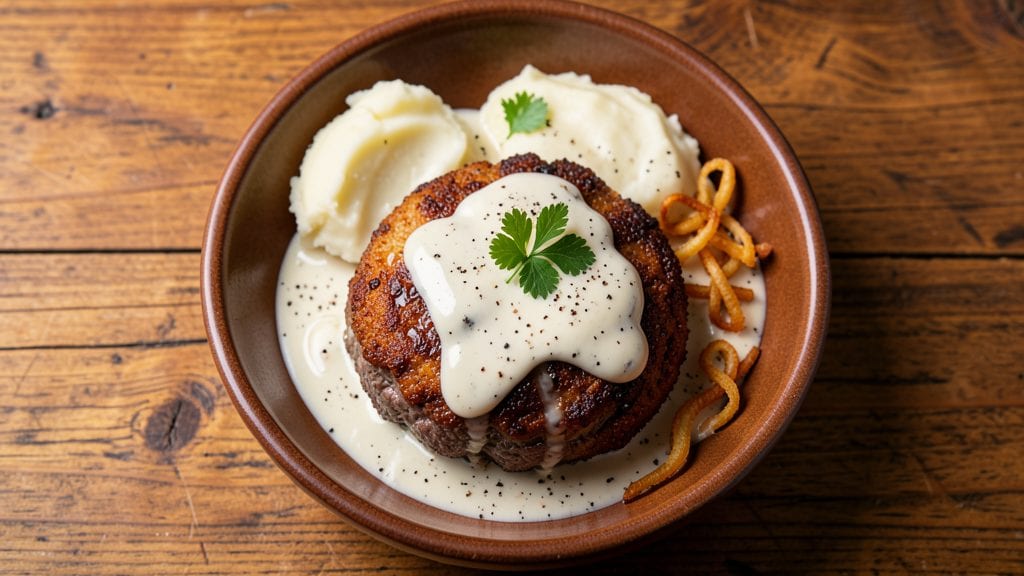
Bob Evans' chicken fried steak recipe delivers that iconic celery-crusted crunch and buttermilk tenderness we all crave—the one that makes home cooking taste like a Southern diner classic.
Growing up in small-town Georgia, I learned how buttermilk marinades transform tough cuts into melt-in-your-mouth perfection, and this recipe preserves that tradition with precision. The celery crust isn't just flavor—it's the secret weapon that keeps every bite crispy while the inside stays juicy.
What sets this recipe apart is the foolproof technique that balances authenticity with home-cook simplicity. No special equipment needed—just a cast iron skillet (my vintage 1920s Lodge is perfect for this) and a few pantry staples.
The buttermilk marinade does the heavy lifting overnight, while the celery crust adds that signature crunch without requiring perfect timing. Even the gravy comes together in minutes using the same pan drippings, cutting down on cleanup.
By the time you serve this dish, you'll have golden-brown steak with crispy celery crust edges and a buttermilk-marinated center that practically dissolves on your tongue. The creamy gravy ties it all together, making every bite feel like a hug from your favorite Southern cook.
This is comfort food at its finest—restaurant-quality that belongs in your home kitchen.
Pair it with classic sides like creamy mashed potatoes and buttery green beans for the full Bob Evans experience. The recipe scales perfectly for family dinners or leftovers that taste just as good reheated. Let's get started on recreating that diner magic at home.
Ingredients for bob evans chicken fried steak
Buttermilk magic meets celery crust—just 13 ingredients for restaurant-quality Southern comfort.
| Ingredient | Amount | Notes |
|---|---|---|
| Cube Steak 🥩 | 1 ½ lb | 1-inch thick cuts preferred |
| Buttermilk 🥛 | 1 ½ cups | Full-fat for best tenderness |
| All-Purpose Flour 🌾 | 1 cup | White gold standard for crust |
| Celery Stalk 🥬 | 1 whole | Fresh, finely chopped for crust |
| Yellow Onion 🧅 | ½ whole | Yellow or white, finely chopped |
| Garlic Cloves 🧄 | 3 cloves | Fresh, minced for flavor |
| Salt 🧂 | 1 ½ tbsp | Diamond Crystal kosher preferred |
| Black Pepper 🌶️ | ½ tbsp | Freshly cracked black pepper |
| Vegetable Oil 🫒 | 3 tbsp | High smoke point preferred |
| Unsalted Butter 🧈 | ½ cup | Cold, cubed for gravy |
| Whole Milk 🥛 | ½ cup | For creamy gravy base |
| All-Purpose Flour 🌾 | ¼ cup | For gravy thickening |
| Chicken Broth 💧 | ½ cup | Low-sodium preferred |
The cube steak is non-negotiable here—1-inch thick cuts from the butcher section (not pre-cut) make all the difference. I always grab mine from Whole Foods or my local H-E-B butcher counter where they can source fresh daily. Look for good marbling—it keeps the steak juicy during that long buttermilk soak. The celery? Fresh is a must—no canned or frozen substitutes. Chop it fine so it blends into the crust without chunks. For the onion, yellow or white works, but avoid red—it stains the crust pinkish when cooked. The garlic should be fresh, not that pre-minced jar stuff that's been sitting in the fridge for months.
No buttermilk? Substitute with milk plus 1 tbsp vinegar or lemon juice, but let it sit 10 minutes to curdle properly. Short on celery? Add extra onion or a splash of Worcestershire sauce to compensate for the missing crunch. The gravy can be made ahead—just reheat with a splash of milk or broth to loosen. For a richer version, swap half the milk for heavy cream. The crust mixture should be thick but pourable—adjust with a splash of milk if needed. If you're gluten-free, use a 1:1 flour blend, but the texture won't be identical (it'll be more crumbly).
The buttermilk marinade works best overnight in the fridge, but 4 hours minimum is fine for a pinch. The crust mixture keeps 2 days in the fridge covered, and the cooked steaks reheat beautifully—350°F for 15 minutes with a splash of milk to keep them moist. Gravy freezes well for 3 months, so make extra. I always double the gravy recipe because it disappears faster than the steaks. Store leftovers in airtight containers with parchment between layers to prevent sticking.
Why You'll Love This Recipe
- Here’s what sold me: that first bite where the crust shatters, then the inside melts like butter. The celery-onion mix in the gravy adds this deep, savory punch without overpowering the steak. It’s the kind of flavor that makes my family pause mid-bite—even my picky teenager.
- Fewer Ingredients, Big Payoff: I swear by this recipe because it’s ridiculously simple—just cube steak, buttermilk, flour, celery, and onion. That’s it. No fancy marinades or obscure spices clogging my pantry. The buttermilk alone does half the work, tenderizing the steak while keeping it juicy, and the flour crust? Crispy enough to satisfy anyone who thinks "fried" means "crunchy."
- Crispy-Creamy Magic: Here’s what sold me: that first bite where the crust shatters, then the inside melts like butter. The celery-onion mix in the gravy adds this deep, savory punch without overpowering the steak. It’s the kind of flavor that makes my family pause mid-bite—even my picky teenager.
- Weeknight to Potluck: Between us, this recipe is my secret weapon for anything. Weeknight dinners? Done in 30 minutes. Sunday supper for six? Double the batch. It reheats like a dream, so leftovers become next-day lunches or a quick assembly-line meal when friends drop by. Honestly, I’ve served it at BBQs, game nights, and even a last-minute church dinner—no one ever questions why it’s on the menu.
Step-by-step instructions for Bob Evans chicken fried steak
Here's the method you need for tender, golden steaks with that signature celery-crusted crunch.
Prepare the Buttermilk Marinade for Maximum Tenderness
Place the 1.5 lb cube steak in a shallow dish or resealable bag. Pour the 1.5 cups buttermilk over it, ensuring every surface is coated. The buttermilk's acidity breaks down the muscle fibers, guaranteeing a fork-tender result. Let it marinate uncovered in the refrigerator for at least 4 hours—overnight works best if you have the time. You'll know it's ready when the steak feels slightly spongy to the touch.
While it marinates, finely chop the 1 whole celery stalk and 0.5 whole yellow onion using a sharp knife. Mince the 3 cloves garlic cloves and set them aside. These aromatics will form the flavorful crust while adding freshness that cuts through the richness of the fried steak.
Create the Celery-Crusted Coating for That Iconic Crunch
In a large bowl, combine the 1 cup all-purpose flour, 1.5 tbsp salt, and 0.5 tbsp black pepper. Add the chopped celery, onion, and minced garlic to the flour mixture. This is your crust—don't skip the vegetables, as they're essential for that signature Bob Evans texture. Stir well to distribute the seasoning evenly throughout the dry ingredients.
Remove the cube steak from the buttermilk, letting any excess drip off. Pat it dry with paper towels—this ensures a better seal between the crust and the meat. Working in batches if needed, press the steak into the flour mixture, coating it on all sides. The crust should adhere firmly but not so thickly that it prevents even browning.
Fry to Golden Perfection with Crispy Crust
Heat 3 tbsp vegetable oil in a large skillet over medium heat until it reaches 350°F—use a thermometer for accuracy. The oil should shimmer but not smoke excessively. Fry the coated steak for 4-5 minutes per side, pressing down gently with a spatula during the first minute to help the crust adhere. You'll know it's ready when the crust is deep golden brown and the internal temperature reaches 160°F.
Transfer the fried steak to a wire rack set over a plate to drain excess oil. Let it rest for 10 minutes before slicing—this allows the juices to redistribute, preventing them from escaping when you cut into it. The crust should remain crispy while the meat stays tender and moist.
Make the Creamy Gravy That Ties It All Together
In the same skillet, reduce the heat to medium-low and add the 0.5 cup unsalted butter, letting it melt completely. Whisk in the 0.25 cup all-purpose flour to create a roux, cooking for 1-2 minutes until it turns a light golden color. Slowly pour in the 0.5 cup whole milk and 0.5 cup chicken broth, whisking constantly to prevent lumps.
Simmer the mixture for 3-4 minutes until it thickens enough to coat the back of a spoon. Season with additional salt and pepper if needed—this gravy should be rich but not overly heavy. Pour it over the sliced steak, ensuring every bite gets that creamy, flavorful coating that makes this dish legendary.
Pro Tips For Making Bob Evans Chicken Fried Steak
- Pound Steaks Thin: Bob Evans uses cube steaks cut about ¼-inch thick—thinner than you’d think. I learned this the hard way when my first batch came out chewy. Use a meat mallet or rolling pin to flatten them evenly, or they’ll cook unevenly and stick to the pan.
- Soak Celery Properly: The celery in the gravy should be finely chopped and soaked in cold water for 10 minutes first. This removes bitterness and keeps the gravy from turning slimy. Drain well before adding to the pan—wet celery makes a gluey mess.
- Don’t Rush the Buttermilk Dip: Let the cube steaks sit in buttermilk for at least 4 hours, or overnight if possible. I used to skip this and ended up with dry, flavorless steaks. The longer they soak, the more tender and juicy they’ll be—trust the wait.
- Use Two Pan Frying Stages: First, sear the steaks in hot oil until golden on both sides, then lower the heat to 325°F and cook through. I used to burn them trying to rush the second stage, but this two-step method guarantees a crispy crust and perfect doneness.
Troubleshooting your bob evans chicken fried steak
Crust Not Crispy?
If your crust comes out soggy instead of crispy, your oil temperature is likely too low. Invest in an instant-read thermometer—I swear by the Thermoworks Thermapen—and maintain a steady 350°F. Another common mistake is overcrowding the pan, which drops the temperature.
Fry one steak at a time, and avoid adding more until the crust is golden. Pat the steak completely dry before coating—any moisture steams the crust instead of crisping it. 🔥
Steak Too Tough?
Cube steak is naturally tender when handled right, but if yours turns out tough, it likely didn’t marinate long enough. The buttermilk needs at least 4 hours (overnight is ideal) to work its magic. Also, avoid overcooking—remove the steak when its internal temperature hits 160°F, not higher.
If you’re using pre-cut steaks, ask your butcher for 1-inch thick cuts from the top round or sirloin tip—thinner cuts cook faster and dry out.
Gravy Too Thin?
Gravy consistency is all about the roux. Cook your flour and butter mixture until it’s a light golden color—1-2 minutes—before adding liquids. If it browns too quickly, reduce the heat. For extra thickness, add 1 tbsp cold butter at the end, which helps stabilize the emulsion.
If it’s still too thin, whisk in 1 tsp cornstarch mixed with water until it thickens. Never boil the gravy, or it’ll separate. 💡
Crust Falling Off?
This usually happens when the steak isn’t fully dry before coating. After removing it from the buttermilk, pat it thoroughly with paper towels—even the sides. Another culprit is a crust that’s too thick. Press the steak firmly into the flour mixture, but don’t pack it down like a meatball.
The crust should cling lightly, not clump. If it still falls apart, try dredging the steak in flour first, then coating it in the celery mixture for better adhesion.
Buttermilk Substitute Issues?
If you substitute buttermilk with milk and vinegar, let the mixture sit for 10 minutes to fully curdle before using. If it doesn’t thicken properly, your steak may turn out dry. For a richer flavor, add 1 tbsp Dijon mustard to the buttermilk marinade—it mimics the tanginess while adding depth.
Avoid using plain yogurt or sour cream as a substitute; they’ll make the crust gummy. If you’re short on time, even 2 hours of marinating helps, but overnight is best for maximum tenderness.
Oil Smoking or Burning?
High smoke point oils like vegetable or avocado oil are ideal for frying. If your oil starts smoking excessively, it’s too hot—reduce the heat immediately. A good rule of thumb is that the oil should shimmer like a mirror but not smoke.
If you don’t have a thermometer, test the heat by dropping a tiny piece of bread in—it should sizzle and turn golden in 30 seconds. Never let the oil exceed 375°F, or you’ll burn the crust and risk a grease fire. Safety first! ⚡
Nutrition facts
Frequently asked questions
Can I use a different cut of meat for this recipe?
While cube steak is traditional, you can use sirloin tip or top round cuts (1-inch thick) for similar results. Avoid tender cuts like ribeye—they'll dry out during the long buttermilk soak. For extra tenderness, ask your butcher to slice against the grain. Never substitute with chicken or pork; the flavor and texture won't match.
How do I make this recipe gluten-free?
Replace all-purpose flour with a 1:1 gluten-free flour blend (like Bob's Red Mill) for both the crust and gravy. The texture will be more crumbly, but still delicious. For extra binding, add 1 tbsp xanthan gum to the flour mixture. The celery and onion will still add great flavor, just without the classic crispy crust.
Can I make this ahead of time?
Fry the steaks up to 1 day ahead and refrigerate in an airtight container. Reheat in a 350°F oven for 15 minutes with a splash of milk to keep them moist. The crust stays crispy when reheated properly. Gravy can be made 2 days ahead and reheated on the stove—just add a little extra milk to loosen it.
What's the best way to serve this dish?
For the full Bob Evans experience, serve with creamy mashed potatoes, buttery green beans, and crispy fried okra. The gravy should be poured generously over the steak. For a modern twist, add a side of cornbread or collard greens. This dish is hearty enough for a main course but works well as a centerpiece for family dinners or Sunday suppers.
Why does the crust need celery?
The celery adds texture and subtle bitterness that balances the richness of the fried steak. When cooked, it caramelizes slightly, creating that signature Bob Evans crunch. You can't fully replace it with onion alone—celery's unique flavor and crispness are essential. If you're celery-averse, try adding 1 tsp celery seed to the flour mixture for a similar effect.