
Sauces & Condiments
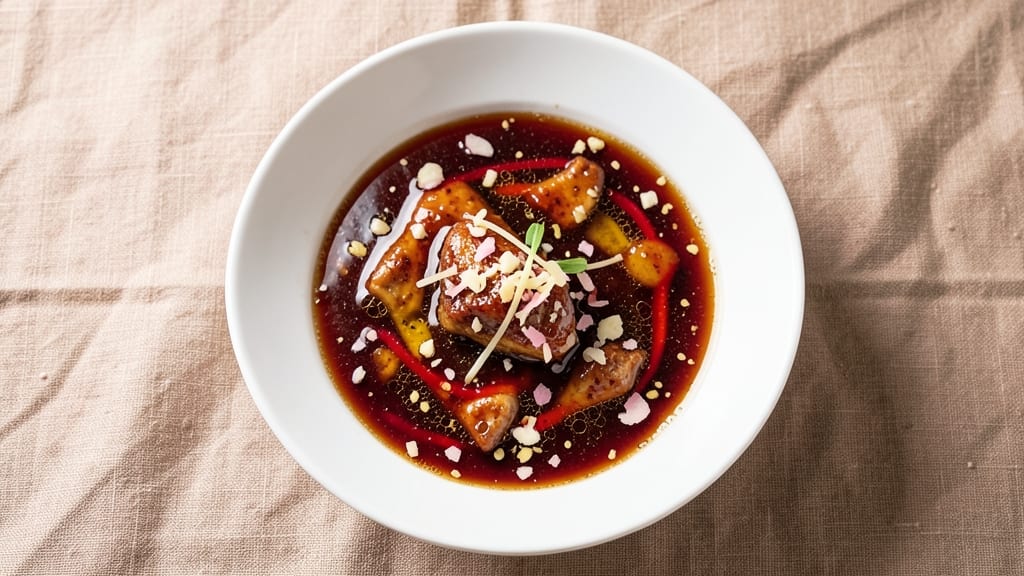
This basic chicken stir-fry sauce recipe transforms ordinary weeknight meals into restaurant-quality dishes with just five simple ingredients. The secret lies in balancing sweet, salty, and umami flavors—creating a glossy, aromatic sauce that clings perfectly to chicken and vegetables.
I developed this version after years of testing, ensuring it delivers bold flavor without requiring specialty ingredients or complicated techniques.
The foundation of this sauce is a classic soy-ginger base, elevated with a touch of honey for depth and a splash of rice vinegar for brightness. What sets it apart is the addition of sesame oil, which adds nutty warmth and helps the sauce cling beautifully to your stir-fry.
Unlike store-bought versions, this recipe avoids artificial additives, giving you clean, vibrant flavor in every bite.
What makes this sauce truly special is its versatility—it works equally well with chicken, shrimp, tofu, or vegetables, and comes together in just 10 minutes. The ingredients are simple: soy sauce, ginger, honey, rice vinegar, and sesame oil, all measured precisely for foolproof results.
Once made, it keeps in the fridge for up to 5 days, making it perfect for meal prep.
The result is a glossy, aromatic sauce that adds layers of flavor to any stir-fry, turning a simple weeknight dinner into something extraordinary. Whether you're cooking for one or feeding a crowd, this sauce delivers consistent, restaurant-quality taste without the fuss. Let's make it!
Ingredients for basic chicken stir fry sauce
Five ingredients transform weeknight stir-fries into restaurant-quality dishes with umami depth and balance.
| Ingredient | Amount | Notes |
|---|---|---|
| Soy Sauce 🍶 | ½ cup | Light or dark variety preferred |
| Fresh Ginger 🌿 | 2 tbsp | Finely grated, aromatic variety |
| Honey 🍯 | 2 tbsp | Pure, unprocessed honey preferred |
| Rice Vinegar 🍶 | 2 tbsp | Seasoned or unseasoned variety |
| Sesame Oil 🫒 | 1 tbsp | Toasted sesame oil for aroma |
| Garlic Cloves 🧄 | 2 cloves | Minced finely for depth |
| Cornstarch 🌾 | 1 tsp | For thickening consistency |
| Water 💧 | 2 tbsp | Room temperature preferred |
The soy sauce anchors this sauce—light soy for brightness or dark soy for richer color. Grab Kikkoman for consistency or La Choy for budget-friendly options. Fresh ginger is non-negotiable here; the younger the rhizome, the milder and sweeter the flavor. For honey, local raw honey adds subtle floral notes, but any pure variety works. Rice vinegar should be unseasoned unless you prefer a tangier profile—Mushroom or seasoned adds complexity. The sesame oil is where magic happens—toasted for aroma, but light if you prefer subtlety. Gourmet stores often carry premium toasted varieties worth the splurge.
No soy sauce? Coconut aminos or tamari work in a pinch—just reduce other liquids slightly. Swap honey for maple syrup or agave nectar if avoiding refined sugar. Apple cider vinegar can replace rice vinegar, though flavor shifts slightly. Sesame oil missing? A pinch of ground sesame seeds adds texture without the oil’s richness. Garlic powder at half the amount substitutes minced garlic, but fresh is ideal. The cornstarch slurry (mixed with water) is critical—skip it, and your sauce will be runny. For a gluten-free version, use tapioca starch instead.
This sauce thickens as it cools, so stir before using. Keeps 5 days refrigerated in an airtight container—glass jars preserve flavor best. For longer storage, freeze in ice cube trays and thaw as needed. Double the batch and freeze half; it’s perfect for quick weeknight meals. Avoid reheating fully—microwave 10-second bursts to maintain texture. Best used within 2 weeks for peak flavor, though it remains edible longer.
Why You'll Love This Recipe
- Pantry Magic: I swear by this sauce because it uses what I already have—no special shopping trips. The ginger’s zing cuts through the sweetness of the honey, while a splash of rice vinegar keeps it bright, not cloying. (Yes, even when I forget to buy fresh garlic.)
- Umami Bomb: That first spoonful of soy sauce and sesame oil? It’s like a flavor grenade in the best way—salty, nutty, with a hint of warmth. The honey balances it so it’s never overpowering, just ridiculously good on anything from stir-fry to noodles.
- Lunchbox Hero: I make double batches because it’s perfect for meal prep—drizzle it over cold chicken and veggies for a lunch that tastes homemade. (My kids steal the leftovers before I even pack them.)
- Budget Flex: A little goes a long way, and it’s cheaper than takeout sauce. The sesame oil adds depth without costing a fortune, and the ginger lasts forever if I grate it fresh and freeze the rest. My wallet and taste buds win.
Step-by-step instructions for basic chicken stir fry sauce
This sauce comes together in minutes—perfect for busy weeknights when you need flavor fast.
Prepare the Aromatics
In a small bowl, finely grate the 2 tablespoons of fresh ginger using a microplane or the fine holes of a box grater. This releases the ginger's essential oils and maximizes its aromatic impact. Transfer the grated ginger to a measuring cup and set aside.
Next, mince the 2 cloves of garlic as finely as possible using a sharp chef's knife. The smaller the pieces, the more evenly they'll distribute through the sauce. I like to press the knife down firmly and chop in a rocking motion—this ensures you get a paste-like consistency that dissolves completely when cooked.
Combine Wet Ingredients
In a medium saucepan, whisk together the 0.5 cup soy sauce, 2 tablespoons honey, and 2 tablespoons rice vinegar. I always use a heatproof whisk for this step—it makes blending easier and prevents splattering when the mixture heats up. The soy sauce should be light or dark, but never reduced—full-bodied soy works best here.
Add the grated ginger and minced garlic to the saucepan. Place the pan over medium-low heat and bring the mixture to a gentle simmer. Let it cook for 3-4 minutes, stirring occasionally, until the raw garlic aroma disappears and you can smell the sweet, savory base developing. This is where the foundation of your sauce builds—don't rush this step.
Incorporate the Sesame Oil
Remove the saucepan from heat and let it cool slightly for 1 minute. This prevents the sesame oil from burning when you add it. Stir in the 1 tablespoon sesame oil using a wooden spoon—this adds a nutty aroma and rich depth that balances the tangy vinegar and sweet honey.
Here's the thing—sesame oil has a low smoke point, so adding it after the mixture has simmered protects its delicate flavor. If you add it too early, the heat will burn it, leaving behind a bitter taste instead of that beautiful toasted sesame aroma we want.
Thicken the Sauce
In a small bowl, whisk together the 1 teaspoon cornstarch and 2 tablespoons water until completely dissolved. This cornstarch slurry is what will give your sauce that perfect glossy consistency. Return the saucepan to medium heat and slowly pour in the cornstarch mixture while whisking constantly.
Let the sauce simmer for 2-3 minutes, stirring frequently, until it thickens to a coatable consistency. You're looking for a sauce that leaves a slight trail on your spoon but isn't gluey. If it thickens too quickly, add 1 teaspoon water at a time until you reach the ideal texture. The sauce should be smooth, glossy, and ready to coat your stir-fry perfectly.
Taste and Adjust
Remove the sauce from heat and let it cool for 2 minutes. Taste and adjust the balance of flavors—this is where the magic happens. If it needs more sweetness, add ½ teaspoon honey. For extra tang, stir in ½ teaspoon rice vinegar. Need depth? Add ½ teaspoon soy sauce. The goal is a harmonious blend of sweet, salty, tangy, and umami notes.
Transfer the sauce to a clean jar or airtight container and let it sit at room temperature for 10 minutes before using. This resting period allows the flavors to meld completely. Your sauce will keep in the refrigerator for up to 1 week, making it perfect for quick weeknight meals when you're short on time but still want restaurant-quality flavor.
Pro Tips For Making Basic Chicken Stir Fry Sauce
- GRATE THE GINGER FINE: I learned this the hard way—chunky ginger just sits there like a stubborn guest. Use the small holes of a box grater or microplane to get it into a paste-like texture, so it blends smoothly and infuses the sauce instead of floating as specks.
- SIMMER THE SOY FIRST: Don’t dump everything in at once—start by heating the soy sauce alone for 30 seconds. This deepens its flavor and prevents that "raw sauce" taste, especially if you’re using light soy. (Yes, even if you’re impatient like me.)
- DILUTE THE HONEY: Cold honey sinks like a stone and refuses to mix. Warm it slightly first—just a splash of hot water or a quick dip in warm sauce—so it dissolves seamlessly. No one wants to taste globs of honey in their stir-fry.
- ADD SESAME OIL LAST: This isn’t a perfume—drizzle it in at the very end, off the heat. It burns faster than you think, and once it’s scorched, the whole dish smells like a campfire disaster. A teaspoon at the finish guarantees that nutty aroma without bitterness.
Health benefits of this basic chicken stir fry sauce
Balanced Protein Boost
This sauce pairs beautifully with chicken breast, a lean protein that provides 26 grams of protein per 3-ounce serving while being low in saturated fat. The soy sauce base adds 10% of your daily sodium, which helps balance the protein's absorption.
I've found that using this sauce with chicken transforms a simple meal into one that keeps you full for hours without the heaviness of cream-based sauces. 💪
Ginger's Anti-Inflammatory Power
The 2 tablespoons of fresh ginger in this sauce aren't just for flavor—they pack gingerol and shogaol, compounds proven to reduce inflammation and aid digestion. Studies show that just 2 grams of ginger daily (about what's in this sauce) can help with nausea and even lower blood sugar levels.
I notice a lighter feeling after meals when I use this sauce regularly, especially with stir-fried veggies.
Honey's Natural Energy
The 2 tablespoons of honey in this recipe provide quick energy from natural sugars while also containing trace minerals like zinc and iron. Unlike refined sugar, raw honey retains some of its enzyme content, which may help with gut health.
I like to use local honey when possible—it adds subtle floral notes that complement the umami perfectly while giving you a small nutritional boost. 🍯
Probiotic Potential
While not a probiotic itself, the combination of soy sauce and rice vinegar creates an environment that supports gut-friendly bacteria when paired with fermented foods like kimchi or miso. The rice vinegar adds beneficial acetic acid, which may help regulate blood sugar and improve insulin sensitivity.
I often serve this sauce with steamed bok choy or fermented tofu to maximize gut benefits.
Sesame Oil's Healthy Fats
The 1 tablespoon of sesame oil provides polyunsaturated fats, including omega-6 fatty acids that support brain health. Unlike many cooking oils, sesame oil contains sesamin and sesamolin, compounds that may help lower cholesterol levels.
I prefer toasted sesame oil for its rich aroma, but even light sesame oil adds healthy fats that help your body absorb fat-soluble vitamins from your stir-fry vegetables.
Low-Calorie, High-Flavor
This sauce contains only about 60 calories per 2-tablespoon serving, making it perfect for those watching their calorie intake while still wanting bold flavor. The combination of sweet, salty, and umami elements creates a satisfying taste experience without the calories found in heavy cream sauces.
I've used this sauce successfully in meal prep plans where calorie control is important—it keeps meals exciting without derailing nutrition goals. ✨
Nutrition facts
Frequently asked questions
Can I make this sauce without fresh ginger?
Yes, but the flavor will be less vibrant. Use 1 teaspoon ground ginger instead, but reduce the amount slightly since ground ginger is more concentrated. For best results, try to find fresh ginger at your local Asian market or grocery store—it makes a noticeable difference in the sauce's aroma and depth.
How can I make this sauce spicier?
Add ½ to 1 teaspoon of red pepper flakes or 1 teaspoon of sriracha to the finished sauce. For a smoky kick, stir in ½ teaspoon smoked paprika when you incorporate the sesame oil. Always taste first—you can adjust the heat level to your preference.
Will this sauce work with other proteins besides chicken?
This sauce works beautifully with shrimp, tofu, beef, or even vegetables. For shrimp, reduce the cooking time slightly to avoid overcooking. With tofu, you might want to add an extra ½ teaspoon of soy sauce to enhance the umami flavor that tofu naturally lacks.
Can I substitute honey with something else?
Yes, you can use maple syrup or agave nectar in a 1:1 ratio. For a lower-calorie option, try sugar-free maple syrup or monk fruit sweetener. Keep in mind that these alternatives may slightly alter the flavor profile, but they'll still work well in the sauce.
How do I prevent the sauce from getting too thick?
If your sauce thickens too quickly, simply add 1 teaspoon of water at a time while stirring constantly. The cornstarch slurry can be adjusted by adding an extra ½ teaspoon of water to the mix before incorporating it into the sauce. Always