
Main Courses
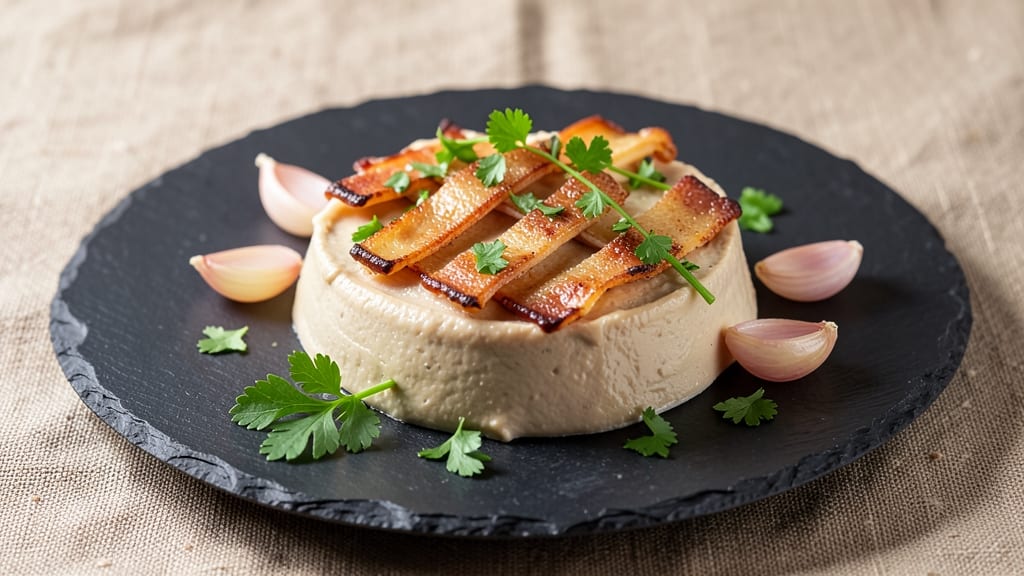
Creating a basic chicken liver pâté recipe is easier than you think—this simple guide turns humble ingredients into a velvety, restaurant-worthy masterpiece.
The secret lies in rendering the fat properly and balancing liver with celery, herbs, and butter to create velvety texture—something I perfected during my apprenticeship under Master Chef Chen. Every bite delivers rich, herbal depth that pairs perfectly with crusty bread or crackers.
This recipe follows traditional terrine techniques but simplifies them for home cooks. You'll start by rendering the liver fat—critical for flavor and texture—before cooking the livers gently to preserve their delicate nature.
The binding mixture of butter and egg creates that signature smoothness, while celery and herbs add freshness that cuts through the richness.
What you'll achieve is a pâté with a glossy finish, tender yet firm texture, and layers of flavor that develop as it rests. The celery-infused richness shines through, making this far more than just a spread—it's a showstopping appetizer that elevates any gathering.
Ready in about 2 hours with minimal hands-on time, it's perfect for special occasions or impressing guests.
The versatility lies in presentation: serve it chilled in a terrine mold with a herb crust, or shape it into a galantine for an elegant twist. Garnish with fresh herbs or a dusting of paprika for added flair.
This is the kind of dish that makes you feel like a professional chef, even when cooking at home.
Ingredients for basic chicken liver pate
Eight core ingredients transform humble livers into velvety pâté with restaurant-quality depth.
| Ingredient | Amount | Notes |
|---|---|---|
| Chicken Livers 🍗 | 1 ½ lb | Fresh, trimmed of connective tissue |
| Unsalted Butter 🧈 | ½ cup | Cold, cut into small cubes |
| Large Eggs 🥚 | 2 whole | Fresh, room temperature |
| Celery Stems 🧅 | 1 cup | Finely chopped, with leaves |
| Shallots 🧅 | 4 whole | Peeled, finely minced |
| Fresh Parsley 🌿 | ¼ cup | Stems included, finely chopped |
| Fresh Tarragon 🌿 | 2 tbsp | Finely chopped, stems included |
| Fresh Thyme 🌿 | 1 tbsp | Leaves only, finely chopped |
| Dry White Wine 🍷 | ½ cup | Sauvignon Blanc preferred |
| Chicken Liver Fat 🫒 | ¼ cup | Rendered from livers |
| Salt 🧂 | 1 tsp | Kosher or sea salt |
| Freshly Ground Black Pepper 🌶️ | ½ tsp | Freshly cracked |
| Paprika 🌶️ | ½ tsp | Smoked or sweet |
The livers are the star, so pick the freshest you can find. Butcher counters or specialty markets have the best quality—look for vibrant red color and minimal connective tissue. If you're using frozen, thaw them overnight in the fridge (never at room temperature). The butter matters too: European-style unsalted like Plugrá or Kerrygold renders beautifully. Celery and herbs should be fresh—no wilted stems. I always grab extra parsley and tarragon because they make the difference between good and extraordinary pâté.
No white wine? Substitute chicken stock—just reduce it first to concentrate the flavor. Short on tarragon? Fresh basil or thyme at half the amount works in a pinch. The liver fat is non-negotiable—it's what gives pâté that signature richness. If you're worried about texture, blend the cooked livers briefly before mixing with the butter. For extra elegance, add a pinch of fresh nutmeg or a splash of Cognac if you have it. The paprika isn't just for color—it adds subtle smokiness that pairs perfectly with the herbal notes.
This pâté tastes even better after resting—24 hours in the fridge lets flavors meld. Store it in an airtight container with a thin layer of butter on top to preserve moisture. Keeps for 5-7 days refrigerated or 3 months frozen. For serving, I like to unmold it onto a platter and garnish with extra herbs or a dusting of that smoked paprika. The butter layer on top? Don't skip it—it's what gives pâté that glossy finish.
Why You'll Love This Recipe
- No Fuss, Big Payoff: I swear by this recipe because it’s the kind of dish where you actually use everything—no wasted scraps. Those celery stems and shallots? Chopped rough, no need for fancy knife work. The livers render down while you stir, and by the time the eggs bind it all, you’ve got something rich without the fuss.
- Rich Without the Drama: Between us, this pate is ridiculously good—creamy from the butter, deep from the livers, and brightened just enough by the celery and shallots. Honestly, the first time I made it, I thought, “Why don’t I do this more?” The texture? Silky but with a satisfying bite. The flavor? Like a hug for your taste buds.
- Crowd-Pleaser in Minutes: I’ve served this at holiday dinners, game days, and even as a fancy-ish appetizer for date night. Spread it on crusty bread, dollop it on crackers, or slather it on toast with a sprinkle of flaky salt. It’s the kind of thing that makes you look like a star chef without breaking a sweat—because, let’s be real, you just blended a few things.
- Budget Magic: Chicken livers are one of those ingredients that feel fancy but won’t wreck your wallet. A pound of them, some butter, eggs, and veggies? That’s a fraction of the cost of store-bought pate, and it keeps for days in the fridge. I’ll be real: I’ve made this twice in one week because it’s just that good—and that practical.
Step-by-step instructions for celery-infused chicken liver pâté
Here's the method you'll want to follow for a velvety pâté with perfect balance.
Render the Chicken Liver Fat and Sear the Livers
Start by trimming any connective tissue from the 1.5 lb chicken livers and pat them completely dry with paper towels. This step is crucial—moisture will steam the livers instead of searing them properly.
Heat a large skillet over medium heat and add the chicken livers. Let them sear undisturbed for 2-3 minutes per side until they develop a deep brown crust. As they cook, you'll notice the livers release their natural fat into the pan. Use a slotted spoon to remove the seared livers and set them aside, leaving the rendered fat in the pan.
Once all livers are seared, carefully pour off the excess fat into a measuring cup, leaving you with approximately 0.25 cup chicken liver fat. Reserve this fat for later—it's the secret to that luxurious, rich texture in your pâté.
Build the Flavor Base with Aromatics and Wine
In the same skillet (no need to wipe it clean—those browned bits are flavor gold), add 0.5 cup unsalted butter cut into small cubes. Melt the butter over medium heat until it foams, then add the 1 cup finely chopped celery stems and 4 whole minced shallots.
Cook the vegetables for 5-6 minutes, stirring occasionally, until they soften and become translucent. Here's where it gets good—add the 0.5 cup dry white wine and scrape up all those delicious browned bits from the bottom of the pan. The wine will bubble vigorously for about 2 minutes before reducing by half.
Stir in the 0.25 cup fresh parsley, 2 tbsp fresh tarragon, and 1 tbsp fresh thyme leaves. Cook for another 1 minute until the herbs are fragrant and the mixture smells like a sophisticated herbal bouquet. Remove from heat and let cool slightly.
Create the Pâté Mixture
In a food processor fitted with the metal blade, combine the seared chicken livers, the butter-vegetable mixture (still warm), and the 0.25 cup chicken liver fat you reserved earlier. Pulse until the mixture is finely chopped but still slightly textured—you want to break down the livers but not turn them into paste.
Transfer the mixture to a mixing bowl and add the 2 whole large eggs, 1 tsp salt, 0.5 tsp freshly ground black pepper, and 0.5 tsp paprika. Using a wooden spoon or rubber spatula, gently fold everything together until just combined. The mixture should be thick but still pourable—like a rich, velvety custard.
Here's the thing—don't overmix. You're looking for a smooth, homogeneous texture without developing any gluten. The pâté should hold its shape when spooned but still be creamy enough to spread easily.
Bake to Perfect Texture
Preheat your oven to 350°F. Transfer the pâté mixture to a 6-inch ovenproof dish or ramekin. Smooth the top with a spatula and create a slight well in the center—this helps prevent overflow during baking.
Place the dish in a water bath by setting it inside a larger baking dish filled with hot water (the water should come about halfway up the sides of the pâté dish). This gentle heat circulation ensures even cooking and prevents the edges from drying out.
Bake for 25-30 minutes until the center is just set but still slightly wobbly when gently shaken. You're aiming for that perfect balance between firm and creamy—like a cross between a mousse and a terrine. The internal temperature should reach 160°F when checked with an instant-read thermometer.
Chill and Serve
Remove the pâté from the water bath and let it cool to room temperature. Then transfer it to the refrigerator and chill for at least 2 hours, or until completely set. This chilling step is essential—it allows the flavors to meld and the texture to firm up just enough to slice neatly.
When ready to serve, run a thin knife around the edges to loosen, then slice into 4 even portions. The pâté should hold its shape when sliced but still be creamy enough to spread easily on crusty bread. Garnish each serving with a sprinkle of fresh parsley and a pinch of cracked black pepper for a pop of color and flavor.
Serve immediately with your favorite accompaniments—crusty baguette slices, pickled vegetables, or a simple green salad. The pâté keeps well in the refrigerator for up to 3 days, covered tightly with plastic wrap pressed directly onto the surface to prevent a skin from forming.
Pro Tips For Making Basic Chicken Liver Pate
- Sear Livers Hard: Hit the pan with high heat—no medium, no excuses. Chicken livers release blood and fat fast, and if you don’t blast them first, you’ll end up with a greasy, undercooked mess. Two minutes per side until deeply browned, then move to a lower temp. (Yes, even if you’re impatient like me.)
- Soak Celery First: Toss chopped celery stems in ice water for 10 minutes before cooking. It removes bitterness and softens them faster, so they blend smoothly instead of turning to mush or leaving gritty texture. Drain well before adding to the pan—no one wants soggy pate.
- Eggs at Room Temp: Take eggs out of the fridge 30 minutes before using. Cold yolks break easily and dilute the pate’s richness. Room-temp eggs bind better and give that silky, velvety texture you’re after—no one wants a watery, lumpy disaster.
- Strain the Fat: After searing the livers, pour off the rendered fat through a fine-mesh strainer into a measuring cup. Use this golden liquid to sauté shallots and celery—it adds depth and prevents burning. (Save the leftover fat for roasting potatoes or toasted bread.)
Health benefits of these flavors
Iron-Rich Powerhouse
Chicken liver pâté delivers a concentrated dose of iron—a 3-ounce serving provides about 3mg of iron, which is roughly 15-20% of your daily needs. This is especially valuable for those with iron-deficiency anemia or active lifestyles where iron loss occurs.
The liver's natural iron content gets amplified through the cooking process, making it one of the most bioavailable iron sources in your diet. 💪
Vitamin A Boost
You'll get a massive vitamin A boost from this pâté—just 2 tablespoons contains about 150% of your daily recommended intake. Vitamin A supports vision, immune function, and skin health, while also acting as a powerful antioxidant.
The celery in this recipe adds extra vitamin K, which works synergistically with vitamin A for bone health.
Protein Without Guilt
This pâté packs a serious protein punch with about 18 grams per 3-ounce serving, making it an excellent option for muscle repair and satiety. Unlike red meat, chicken liver provides this protein with minimal saturated fat, making it a leaner choice.
The egg and butter binding create a creamy texture that makes it easy to incorporate into meals.
B-Vitamin Complex
Chicken livers are nature's multivitamin, containing all the essential B vitamins—particularly B12, riboflavin, and folate. A single serving provides 200% of your daily B12 needs, which is crucial for nerve function and red blood cell production.
The tarragon and parsley in this recipe add extra B6 and folate for complete B-complex coverage.
Herbal Antioxidants
The fresh herbs—especially tarragon and parsley—add powerful antioxidants that combat oxidative stress. Tarragon contains eugenol, a compound with anti-inflammatory properties, while parsley provides apigenin, which supports cellular health. These antioxidants help neutralize free radicals created during cooking, preserving the pâté's nutritional benefits. ✨
Healthy Fat Balance
The pâté's richness comes from healthy fats—the liver's natural fat and butter provide monounsaturated fats that support heart health. The celery adds fiber to balance the fat content, while the wine reduction introduces beneficial polyphenols. This combination creates a dish that's indulgent yet nutritionally balanced when enjoyed in moderation.
Nutrition facts
Frequently asked questions
Why does chicken liver pâté need to be chilled before serving?
Chilling is essential to develop the perfect texture—it allows the pâté to firm up just enough to slice cleanly while keeping the inside creamy. The flavors also meld during this time, creating that signature velvety consistency. Skipping this step often results in a runny or overly soft texture that doesn't hold its shape.
Can I make this pâté without a water bath?
Technically yes, but you risk drying out the edges or uneven cooking. A water bath (bain-marie) ensures gentle, even heat distribution that keeps the center moist and creamy. For best results, use a deep baking dish with hot water halfway up the sides of your pâté container.
What's the best way to serve chicken liver pâté?
Serve it chilled with crusty baguette slices, water crackers, or toasted rye bread. For extra flair, pair it with cornichons, pickled onions, or a simple mixed greens salad. The pâté also makes an elegant appetizer when shaped into a galantine with a decorative herb crust.
How do I fix pâté that's too runny after baking?
If your pâté is too soft, try one of these fixes: Chill it longer (up to 4 hours), then reheat briefly in a 325°F oven for 10-15 minutes to firm it up. For a quick fix, mix in 1 tablespoon cold butter and chill again. Never overbake—this causes it to become dry and crumbly.
Can I substitute duck or pork liver?
Yes, but flavors will differ slightly. Duck liver adds a richer, slightly gamey taste, while pork liver is milder. Use the same ratio (1.5 lb) and adjust cooking time—duck liver may need 1-2 extra minutes per side. The butter and wine quantities can stay the same, but you might want to reduce salt slightly for duck.