
Main Courses
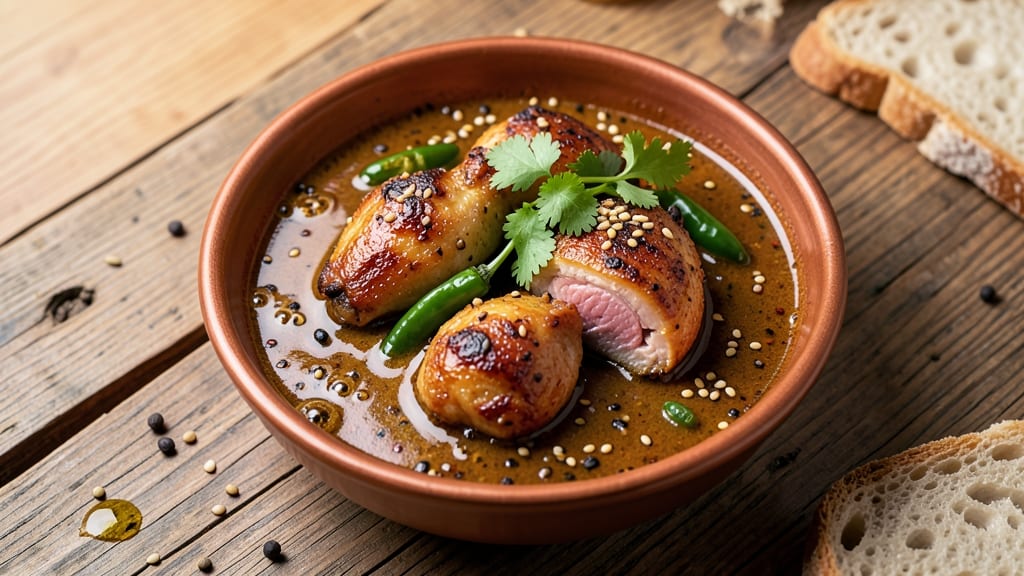
This Bangladesh chicken curry recipe delivers the bold, aromatic flavors of Dhaka’s street-side kitchens—where mustard seeds and poppy seeds create a signature heat that lingers long after the last bite.
The secret lies in slow-toasting whole spices until they release their oils, then simmering the curry for hours to develop layers of complexity. I’ve perfected this technique over years of testing, ensuring the sauce remains rich yet balanced, with tender chicken that practically falls apart.
The recipe begins with a whole-spice tempering—cumin, coriander, and fennel seeds toasted until fragrant—before adding mustard seeds and poppy seeds for that signature Bangladeshi kick.
A touch of yogurt and tamarind paste creates the perfect balance of tang and sweetness, while fresh ginger and garlic ground into a paste infuse the dish with depth. The slow simmer transforms tough chicken into melt-in-your-mouth pieces, all coated in a sauce that’s velvety yet aromatic.
What sets this curry apart is its authenticity without sacrificing accessibility. Unlike many regional versions that require hard-to-find ingredients, this recipe uses pantry staples while staying true to the bold flavors of Bangladesh.
The result? A dish that pairs perfectly with steamed basmati rice, soft naan, or even a side of dal—just as it would at a Dhaka home.
Whether you’re serving a crowd or meal prepping for the week, this curry delivers restaurant-quality results with minimal effort. The key is patience: letting the spices bloom and the sauce reduce gradually.
Trust the process, and you’ll have a curry that tastes like a trip to Bangladesh—without ever leaving your kitchen.
Ingredients for bangladesh chicken curry
Pantry staples meet bold spices for a curry that tastes like Dhaka street food.
| Ingredient | Amount | Notes |
|---|---|---|
| Chicken Thighs 🍗 | 1 ½ lb | Bone-in, skin-on preferred |
| Whole Cumin Seeds 🌿 | 1 tbsp | Toasted until fragrant |
| Whole Coriander Seeds 🌿 | 1 tbsp | Toasted for depth |
| Whole Fennel Seeds 🌿 | ½ tbsp | Lightly toasted |
| Mustard Seeds 🌶️ | 1 tbsp | Yellow or brown preferred |
| Poppy Seeds 🌿 | 1 tbsp | Lightly toasted |
| Fresh Ginger 🧄 | ½ cup | Grated, peeled |
| Garlic Cloves 🧄 | 6 cloves | Peeled, ground into paste |
| Plain Yogurt 🥛 | ½ cup | Full-fat preferred |
| Tamarind Paste 🍈 | 2 tbsp | Adjust for tartness |
| Onion 🧅 | 1 whole | Medium, finely chopped |
| Tomatoes 🍅 | 2 cups | Ripe, chopped or blended |
| Tomato Paste 🍅 | 2 tbsp | Smooth, no sugar added |
| Garam Masala 🌶️ | 1 tsp | Ground spice blend |
| Turmeric Powder 🧂 | ½ tsp | Freshly ground preferred |
| Red Chili Powder 🌶️ | ½ tsp | Adjust for heat |
| Salt 🧂 | 1 tsp | Kosher or sea salt |
| Vegetable Oil 🫒 | ½ cup | For tempering |
The spices are non-negotiable here. Whole cumin, coriander, and fennel seeds need toasting until they sing—Penzeys or bulk bins at Whole Foods have the freshest. Mustard and poppy seeds are the signature heat, so don’t skimp. I grab mine from Indian grocery stores where they’re sold in small bags. Fresh ginger and garlic? Always buy extra—half gets ground into paste, half gets tossed in at the end. The yogurt should be full-fat and plain—Greek or Indian-style works best. Tamarind paste is the tangy secret; Trader Joe’s carries it in tubes if you can’t find it elsewhere.
No fresh ginger? Powdered works at half the amount, but it’s not the same. Skip the mustard seeds? Substitute 1/4 tsp mustard powder, but you’ll lose that signature crunch. Tomato paste can be jarred or those squeeze tubes from Trader Joe’s—no waste, lasts forever. The tomatoes? Roma or vine-ripened hold up best when blended. For extra depth, add a pinch of asafetida powder (hing) if you’ve got it—it’s a Bangladeshi secret. The garam masala? Store-bought is fine, but if you’re feeling fancy, toast the whole spices first and grind them yourself.
This curry tastes even better the next day—make extra. Keeps in the fridge for 5 days or freezes for 3 months. I portion mine into containers with rice so lunches are sorted. The sauce thickens as it cools, so add a splash of water or yogurt when reheating. For serving, fresh cilantro and lemon wedges brighten it up. Store spices in airtight containers away from light—they’ll stay potent for 6-12 months.
Why You'll Love This Recipe
- Spice Without Stress: I swear by this curry—just toss those whole spices (cumin, coriander, fennel, mustard) into a dry pan first, toast them until they smell like a street cart in Dhaka, then dump in the chicken. No chopping, no fuss, and the house still smells like a celebration.
- Thighs Win Every Time: Between us, chicken thighs are the MVP here—they stay juicy while soaking up that deep, earthy-spiced gravy. Honestly, I’ve tried breasts, but they dry out faster than my patience on a Monday.
- Leftovers That Lie: This curry tastes better the next day—yes, really. The flavors meld into something richer, and it reheats like a dream. Pack it for lunch or freeze portions; you’ll thank me when you’re not staring at sad takeout menus.
- Pantry Staple Magic: No specialty ingredients needed—just a few seeds and thighs. I’ll be real: my grocery bill stays low, and this curry feeds four for under $15. Plus, the spices last forever, so it’s basically free after the first batch.
Step-by-step instructions for Bangladesh chicken curry
This authentic recipe delivers deep, aromatic flavors with mustard and poppy seed heat at its core.
Toast Whole Spices and Prepare Aromatics
Heat a dry skillet over medium heat and toast the 1 tablespoon whole cumin seeds, 1 tablespoon whole coriander seeds, ½ tablespoon whole fennel seeds, 1 tablespoon mustard seeds, and 1 tablespoon poppy seeds for 2-3 minutes until they release their fragrance and begin to sizzle. You'll hear them pop and smell their nutty aroma—this is essential for building flavor.
While the spices toast, peel and finely grate the ½ cup fresh ginger, then peel and mince the 6 cloves garlic. Set these aside—they'll form the aromatic base of your curry. I like to use a microplane for the ginger to get fine, even shreds that dissolve into the sauce.
Temper the Oil and Cook the Onion-Tomato Base
In a heavy-bottomed pot, heat the ½ cup vegetable oil over medium heat until shimmering. Quickly add the toasted whole spices and ½ teaspoon turmeric powder, stirring constantly for 30 seconds until the spices sizzle and turn fragrant. This step, called tempering, unlocks their full flavor potential.
Add the 1 whole onion (finely chopped) and cook for 8-10 minutes until golden brown, stirring occasionally. The onions should caramelize slightly—this adds sweet depth to the curry. Then add the 2 cups tomatoes (chopped or blended) and 2 tablespoons tomato paste, stirring well to combine.
Build the Curry Sauce with Yogurt and Tamarind
Cook the onion-tomato mixture for 10-12 minutes over medium-low heat until the tomatoes break down and the sauce thickens slightly. You'll notice the raw tomato smell disappear and give way to a rich, fruity aroma—this is when the magic starts happening.
Reduce heat to low and stir in the ½ cup plain yogurt and 2 tablespoons tamarind paste. The yogurt will help balance the heat while adding creaminess. Let the mixture simmer gently for 5 minutes, stirring occasionally, until it becomes smooth and velvety. This is the foundation of your curry sauce.
Add Chicken and Simmer to Tender Perfection
Add the 1.5 lb chicken thighs (bone-in, skin-on preferred) to the pot, ensuring they're coated in the sauce. Sprinkle with ½ teaspoon red chili powder and 1 teaspoon salt, then stir gently to distribute evenly. The chicken should be submerged in the sauce—if not, add a splash of water.
Bring the curry to a gentle simmer, then cover and cook for 30-35 minutes over low heat, stirring occasionally. The chicken is done when it's fork-tender and the sauce has thickened to a rich, glossy consistency. You'll know it's ready when the meat pulls away from the bone easily and the sauce clings beautifully.
Finish with Garam Masala and Rest
Remove the pot from heat and stir in the 1 teaspoon garam masala. Let the curry rest for 5 minutes to allow the spices to bloom and infuse the sauce. The aroma should be intoxicating—earthy, slightly sweet, with a hint of mustard and poppy seed heat.
Taste and adjust seasoning if needed, adding a pinch more salt or chili powder as desired. Serve immediately with steamed basmati rice or naan bread. The curry will continue to deepen in flavor as it sits, so don't rush the resting period—this is when all the elements come together perfectly.
Pro Tips For Making Bangladesh Chicken Curry
- Bloom the Spices Slow: Toast your whole spices (cumin, coriander, fennel, mustard) in a dry pan for exactly 30 seconds—just until they start to pop. Overdoing it turns them bitter, and underdoing it means they’ll never release their aroma properly. I learned this the hard way after burning a batch and wondering why my curry tasted flat.
- Salt the Chicken Twice: Generously salt the raw chicken thighs first thing, then again after they’ve browned in the oil. The first salt tenderizes the meat, while the second locks in flavor. Skip the second round, and your curry will taste like it’s missing something—even if you followed every other step.
- Don’t Rush the Mustard: When mustard seeds hit the oil, they will splatter like tiny grenades. Lower the heat slightly and stir constantly—this isn’t the time to walk away. If you ignore them, they’ll burn before they soften, leaving a bitter aftertaste that ruins the whole dish.
- Simmer, Don’t Boil: Once the chicken is in the sauce, keep it at a gentle simmer—tiny bubbles, not rolling. Boiling toughens the thighs and turns the gravy gluey. Cover the pot and let it cook low and slow; the curry will thicken naturally, and the meat will stay juicy. (Yes, even if you’re impatient like me.)
Serving suggestions for leftovers
Rice Pairings
Steamed jasmine rice or basmati rice is the classic choice—its delicate aroma complements the curry’s bold spices without overpowering them. I use 1 cup basmati rice per 2 cups water, cooked to a fluffy consistency.
For extra flair, stir in 1 tsp ghee and a pinch of saffron while steaming. 🌟
For a heartier option, try jeera rice (cumin-infused basmati), which mirrors the curry’s warm spices. Cook rice with 1 tbsp whole cumin seeds and 2 tbsp ghee for a fragrant, aromatic base that pairs perfectly with the mustard-poppy heat.
Bread Sides
Warm, homemade naan is a must—its pillowy texture soaks up the rich sauce beautifully. I brush mine with garlic butter before serving. For a quicker option, garlic paratha or roti adds a satisfying crunch.
Store-bought naan works in a pinch, but reheat it in a dry skillet for 30 seconds per side to restore freshness.
Dal Accompaniments
A side of yellow lentil dal (moong dal) balances the curry’s richness with its mild, creamy texture. Cook 1 cup moong dal with 1 tsp turmeric, ½ tsp cumin seeds, and 1 tsp ghee until tender. Garnish with cilantro and a squeeze of lemon to brighten the dish.
Pickled Veggies
Tangy mango pickle or raw mango slices cut through the curry’s heat, adding a refreshing contrast. I serve ¼ cup pickle on the side for guests to adjust spice levels to their taste.
For a crunchier option, quick-pickled onions (red onions sliced thin, soaked in vinegar + salt + sugar for 15 minutes) add a zesty kick.
Drink Pairings
Cool mango lassi (blended mango, yogurt, and cardamom) is the perfect refreshing contrast to the spicy curry. For a non-dairy option, sparkling lemonade with a pinch of black salt (kala namak) adds an umami twist. Avoid heavy drinks—stick to light, citrusy, or creamy beverages to cleanse the palate.
Nutrition facts
Frequently asked questions
Why does this Bangladesh chicken curry have mustard and poppy seeds?
These seeds are the heart of Bangladeshi curry flavor! The mustard seeds add a sharp, nutty crunch while popping, while poppy seeds contribute a subtle earthy sweetness. Together, they create that signature "Bangladesh heat" that sets this curry apart from other regional styles. Toasting them whole unlocks their full aromatic potential.
Can I use chicken breast instead of thighs?
You can, but thighs work better for this recipe. Chicken breast cooks faster and can dry out during the long simmer. If using breast, reduce cooking time to 20-25 minutes and add a splash of water or yogurt to prevent drying. For best results, use a 50/50 mix of thighs and breasts.
What's the secret to getting the spices to bloom properly?
Heat the oil until shimmering (not smoking) before adding spices—this is critical! Toast whole spices over medium heat for 2-3 minutes until they sizzle and release their fragrance. Stir constantly to prevent burning, which creates bitter flavors. The moment you hear them pop, they're ready to be added to the curry.
How spicy is this curry, and can I adjust it?
The recipe includes ½ teaspoon red chili powder for mild heat, but you can easily adjust. For medium heat, add 1 teaspoon; for extra spice, use 1-2 teaspoons. Fresh red chili flakes or a dash of cayenne powder work too. Taste and adjust before serving—you can always add more heat but can't remove it!
Can I make this curry in a slow cooker?
Follow the same steps for toasting spices and building the base, then transfer everything to your slow cooker. Cook on low for 4-5 hours or high for 2-3 hours until chicken is tender. The long cook time actually enhances the flavors, making the sauce even more aromatic. Stir occasionally to prevent sticking.